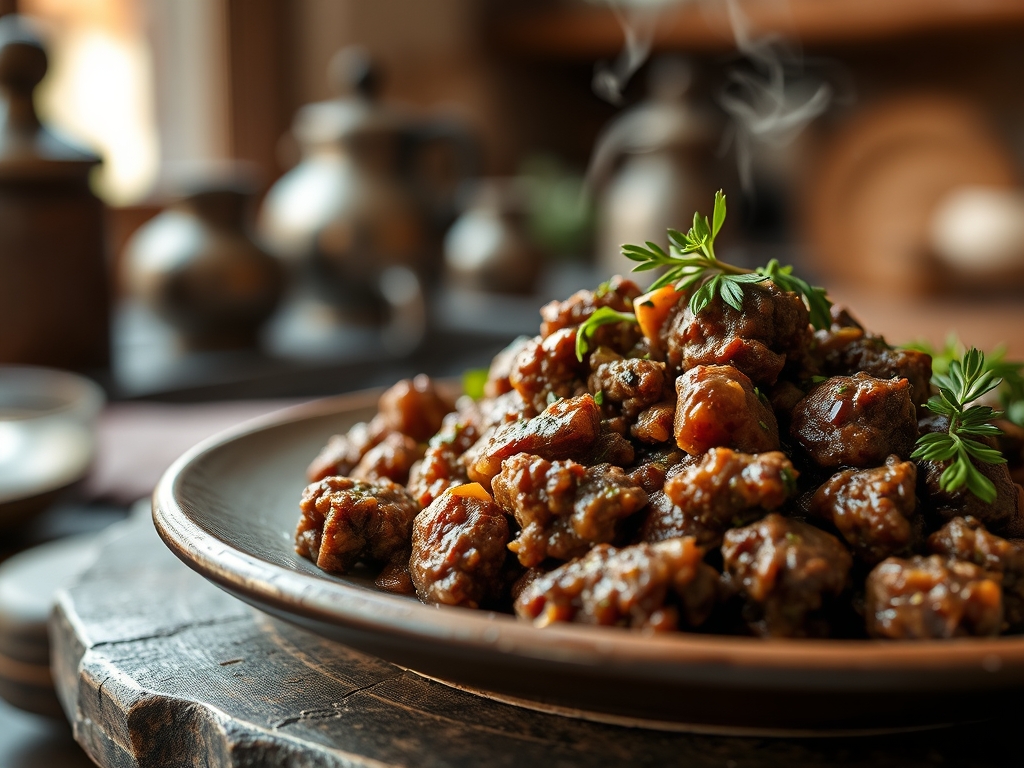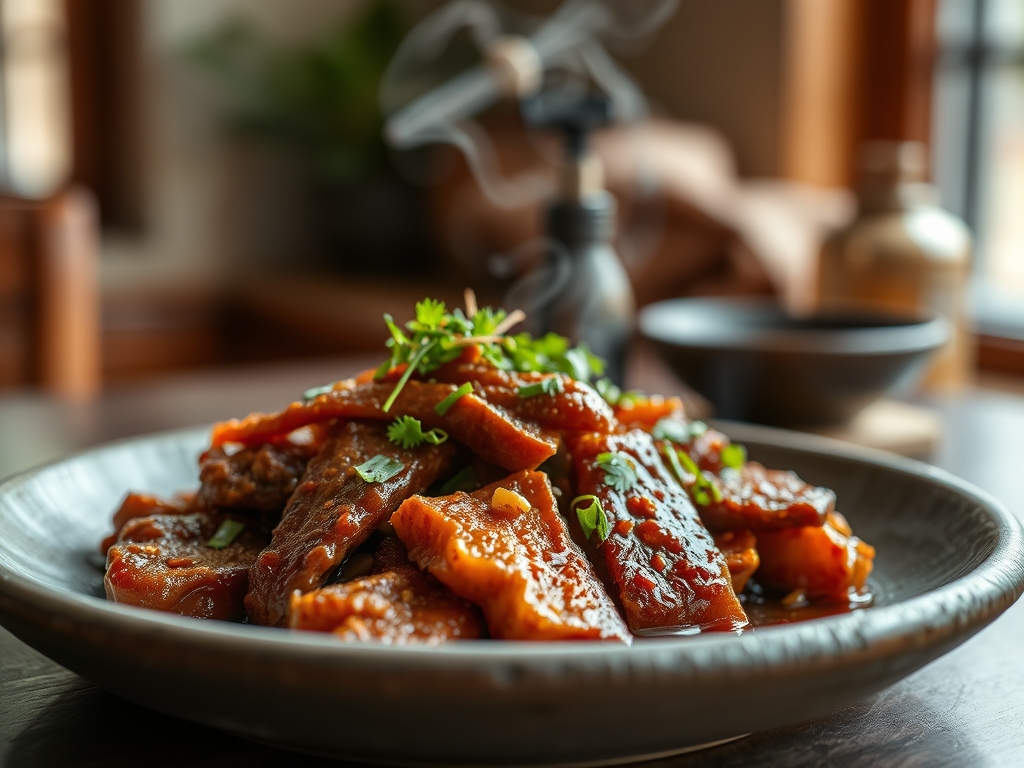
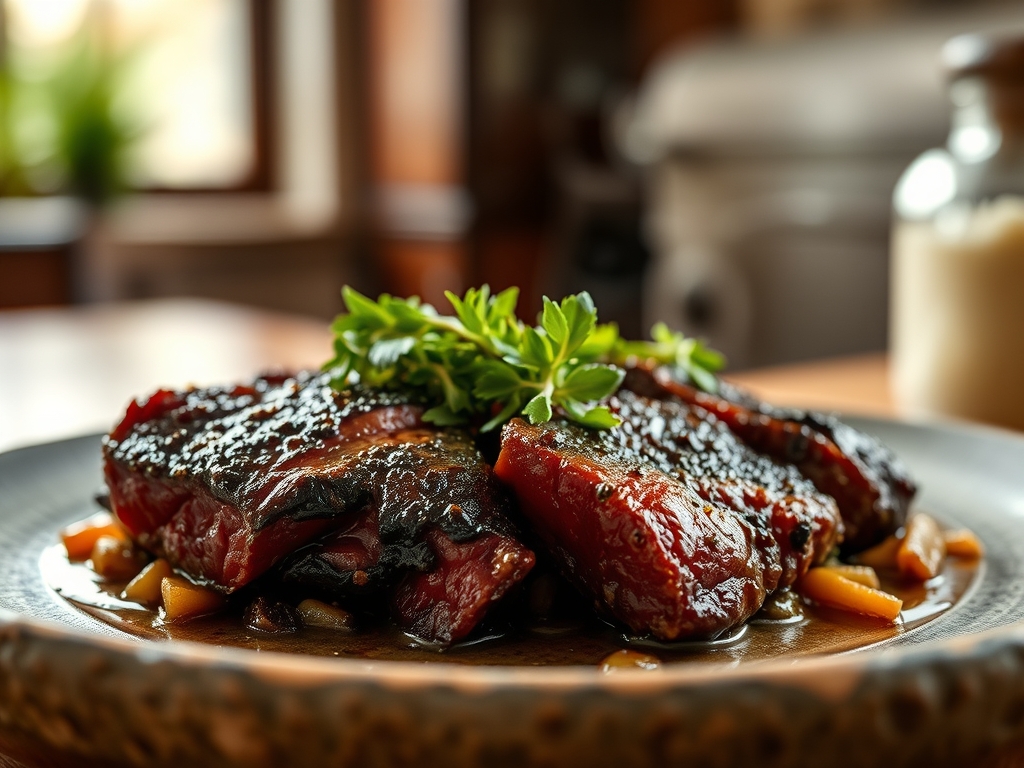
Close your eyes and listen for that distinct, rhythmic sizzle as a cold slab of marbled muscle hits a screaming hot cast iron surface. There is a specific, chemical magic that happens when you master black angus beef recipes; it is the smell of amino acids and reducing sugars performing the Maillard reaction in perfect harmony. We are not just making dinner; we are conducting a high stakes experiment in lipid oxidation and muscle fiber relaxation. Black Angus is the gold standard for a reason. Its superior intramuscular fat, known as marbling, acts as an internal basting system that ensures every bite is a buttery, savory explosion. If you have ever wondered why restaurant steaks feel like velvet while yours feel like a leather boot, you are in the right place. We are about to peel back the curtain on the molecular biology of the perfect sear.
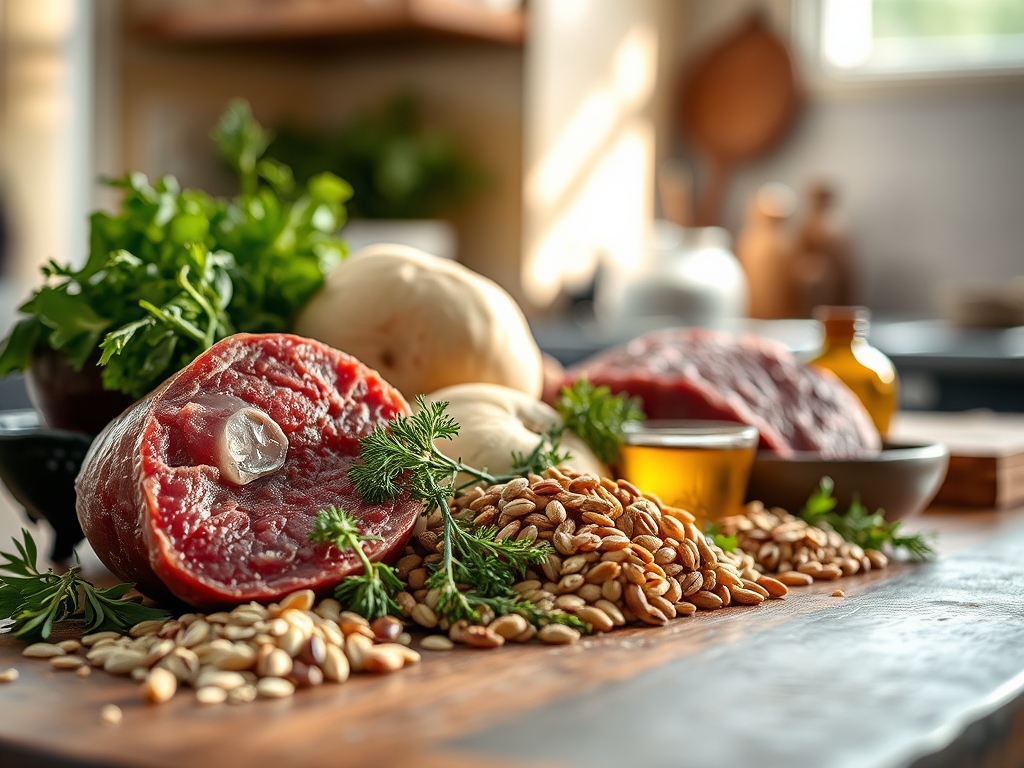
The Gathers:
To achieve steakhouse perfection, your mise-en-place must be precise. Start with two 1.5 inch thick Black Angus Ribeyes or New York Strips. You need high quality fats; specifically, unsalted European butter with a high butterfat content and a high smoke point oil like avocado or grapeseed oil. For the aromatics, gather fresh sprigs of rosemary and thyme, along with four cloves of garlic that you will crush to release their essential oils. The seasoning requires coarse kosher salt and freshly cracked tellicherry peppercorns.
Smart Substitutions: If you cannot find fresh herbs, a teaspoon of dried herbes de Provence mixed into the butter works, though the volatile oils will be less vibrant. If you are avoiding dairy, swap the butter for a high quality ghee or a refined coconut oil to maintain that viscous mouthfeel without the milk solids. Use a digital scale to ensure your salt ratio is exactly 1.5 percent of the meat's weight for optimal seasoning.
The Clock
Prep Time: 45 minutes. This includes the "Tempering Phase" where the meat sits at room temperature to ensure even heat distribution.
Cook Time: 12 to 15 minutes. This varies based on your desired level of doneness and the thickness of the cut.
The Chef's Flow: Efficiency is king. While the steak tempers, prep your aromatics using a bench scraper to clear your board. Preheat your heavy-bottomed skillet during the final ten minutes of tempering. The goal is a seamless transition from the cutting board to the heat, ensuring the pan does not lose its thermal mass when the cold protein hits the surface.
The Masterclass
1. The Tempering Ritual
Remove your steaks from the refrigerator at least 45 minutes before cooking. Use a paper towel to pat the surface bone-dry. Moisture is the enemy of the sear; any surface water will turn to steam and prevent the crust from forming.
Pro Tip: This process allows for thermal equilibrium. If the center of the steak is too cold, the exterior will overcook and become fibrous before the interior reaches the target temperature.
2. The Aggressive Seasoning
Coat every millimeter of the beef in kosher salt and pepper. Do not forget the edges. Use your hands to press the seasoning into the muscle fibers.
Pro Tip: Salt acts as a denaturant. It dissolves some of the muscle proteins, creating a sticky surface that traps juices and enhances the savory "umami" profile through osmotic pressure.
3. The High-Heat Initiation
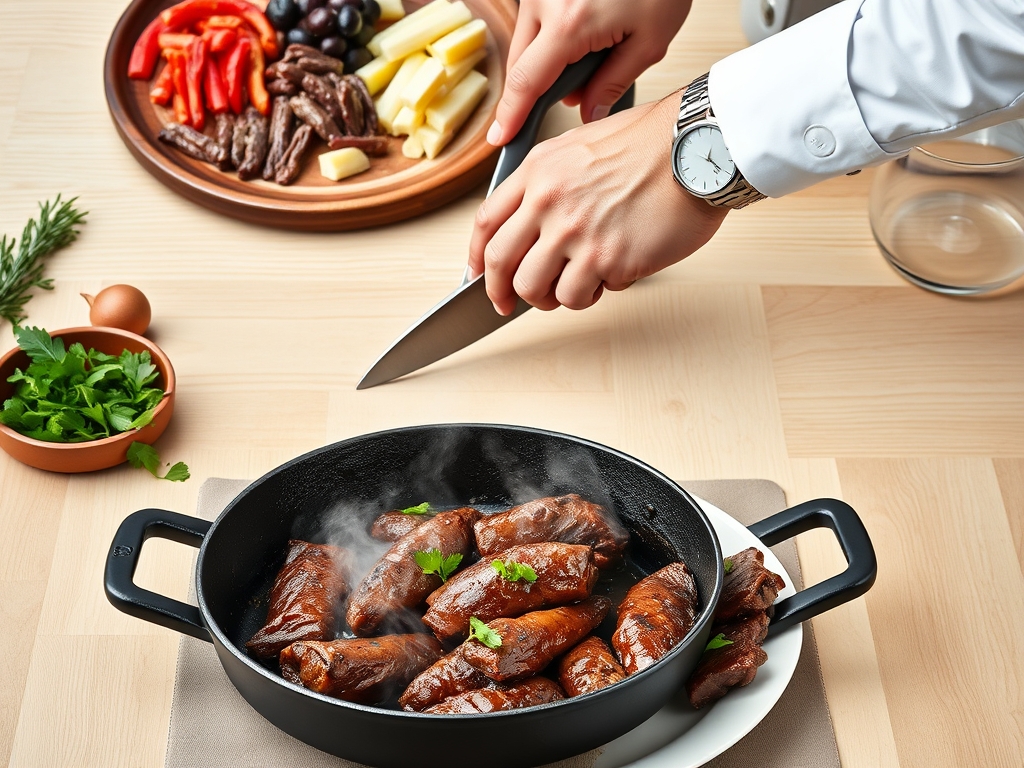
Heat your heavy-bottomed skillet (preferably cast iron) until the oil begins to shimmer and reach its flash point. Carefully lay the steak away from you using tongs to avoid oil splatter.
Pro Tip: This triggers the Maillard Reaction. Between 285 and 330 degrees Fahrenheit, proteins and sugars rearrange to create hundreds of different flavor compounds and that iconic brown crust.
4. The Constant Flip Method
Contrary to old school myths, flipping the steak every 30 seconds helps it cook faster and more evenly. It prevents heat from building up too much on one side, which reduces the "gray band" of overcooked meat under the crust.
Pro Tip: This technique utilizes conductive heat transfer more efficiently. It keeps the surface temperature high enough for browning while gently warming the center.
5. The Butter Baste (Arrosé)
When you are 15 degrees away from your target temperature, drop in the butter, garlic, and herbs. Tilt the pan and use a large spoon to continuously drench the steak in the foaming fat.
Pro Tip: This is lipid-monitored infusion. The milk solids in the butter brown (beurre noisette), adding a nutty complexity while the fat carries the fat-soluble compounds from the herbs directly into the meat.
6. The Precision Check
Use a digital thermometer to check the internal temperature. For a perfect medium-rare, pull the meat at 130 degrees Fahrenheit.
Pro Tip: You must account for thermal carryover. The internal temperature will continue to rise by 5 to 7 degrees after the steak is removed from the pan due to residual kinetic energy.
7. The Rest Period
Transfer the steak to a warm plate or wire rack. Let it sit undisturbed for at least 10 minutes.
Pro Tip: During cooking, muscle fibers contract and push moisture outward. Resting allows the fibers to relax and reabsorb the juices, ensuring the liquid stays in the meat rather than spilling onto the board.
8. The Board Sauce
While the meat rests, deglaze the pan with a splash of beef stock or red wine, scraping up the brown bits (the fond) with a wooden spoon. Whisk in a cold knob of butter to create a viscous emulsion.
Pro Tip: This utilizes deglazing science to capture concentrated flavor molecules that would otherwise be lost to the pan.
9. The Final Slice
Use a sharp carving knife to slice against the grain. Look for the bundles of muscle fibers and cut perpendicular to them.
Pro Tip: Slicing against the grain mechanically shortens the muscle fibers. This makes the meat significantly easier to chew, mimicking a higher level of tenderness.
The Deep Dive
Macro Nutrition: A 6-ounce serving of Black Angus beef provides approximately 42 grams of protein, 24 grams of fat, and zero carbohydrates. It is a powerhouse of Vitamin B12, Zinc, and Bioavailable Iron.
Dietary Swaps: For a Keto-friendly version, serve with a side of marrow butter. For a Paleo approach, swap the butter for beef tallow. If you are serving someone who is Gluten-Free, ensure your deglazing liquid is a pure stock rather than a flour-thickened gravy.
The Fix-It:
- Gray Meat, No Crust: Your pan wasn't hot enough. Next time, wait for the oil to smoke slightly before adding the beef.
- Tough Texture: You likely skipped the resting phase or sliced with the grain. Always rest for 10 minutes.
- Burnt Garlic: You added the aromatics too early. Only add butter and garlic in the final 3 minutes of cooking.
Meal Prep: To reheat without losing quality, use the "Low and Slow" method. Place the steak in a 250 degree oven until it reaches 110 degrees, then flash-sear it for 30 seconds per side to refresh the crust.
The Wrap-Up
Mastering black angus beef recipes is a rite of passage for any serious home cook. It requires patience, a bit of scientific understanding, and the right tools. When you see that perfect edge-to-edge pink center and that shattering crust, you will know the effort was worth it. Now, grab your tongs, fire up that skillet, and go create a masterpiece.
The Kitchen Table
How do I get a crust like a steakhouse?
Ensure the steak surface is bone-dry and use a heavy cast iron skillet. High thermal mass is essential for maintaining the intense heat required for the Maillard reaction to create a thick, flavorful crust.
Why is my steak always tough?
Toughness usually results from skipping the resting period or cutting with the grain. Resting allows muscle fibers to reabsorb moisture, while cutting against the grain shortens the fibers for a more tender mouthfeel.
What is the best oil for searing beef?
Use oils with a high smoke point, such as avocado, grapeseed, or refined light olive oil. Avoid extra virgin olive oil or unrefined butter for the initial sear, as they will burn and become bitter.
Is Black Angus actually better?
Yes, Black Angus cattle are genetically predisposed to higher marbling. This intramuscular fat melts during cooking, lubricating the muscle fibers and resulting in a superior flavor and a more tender, juicy texture compared to other breeds.