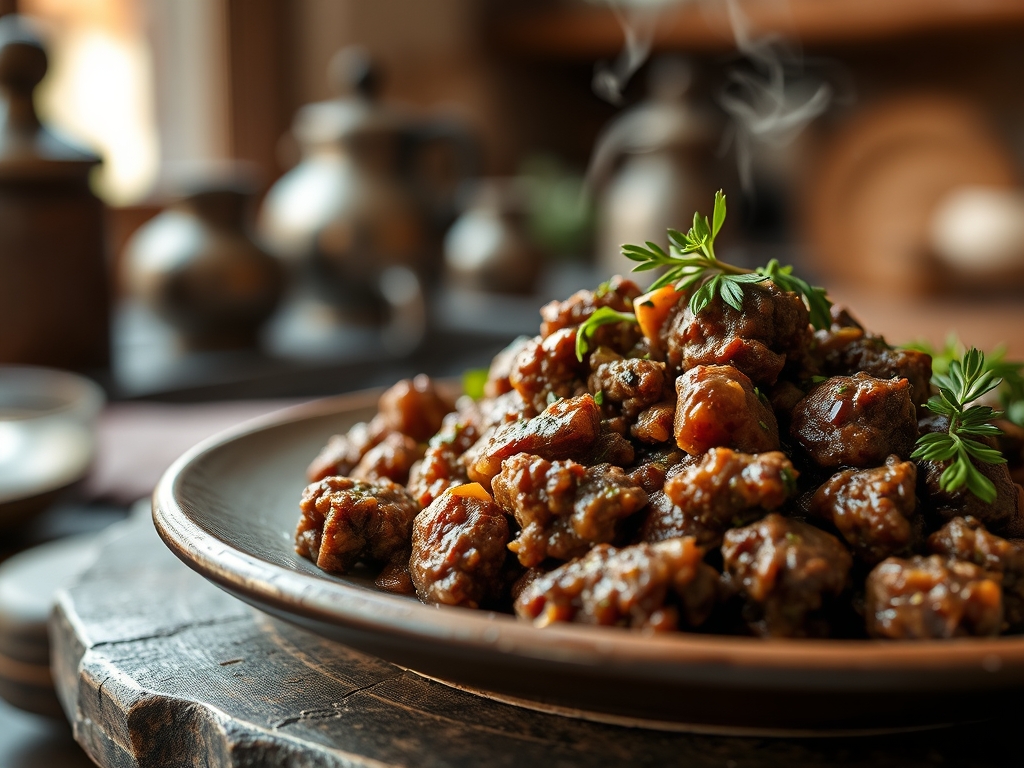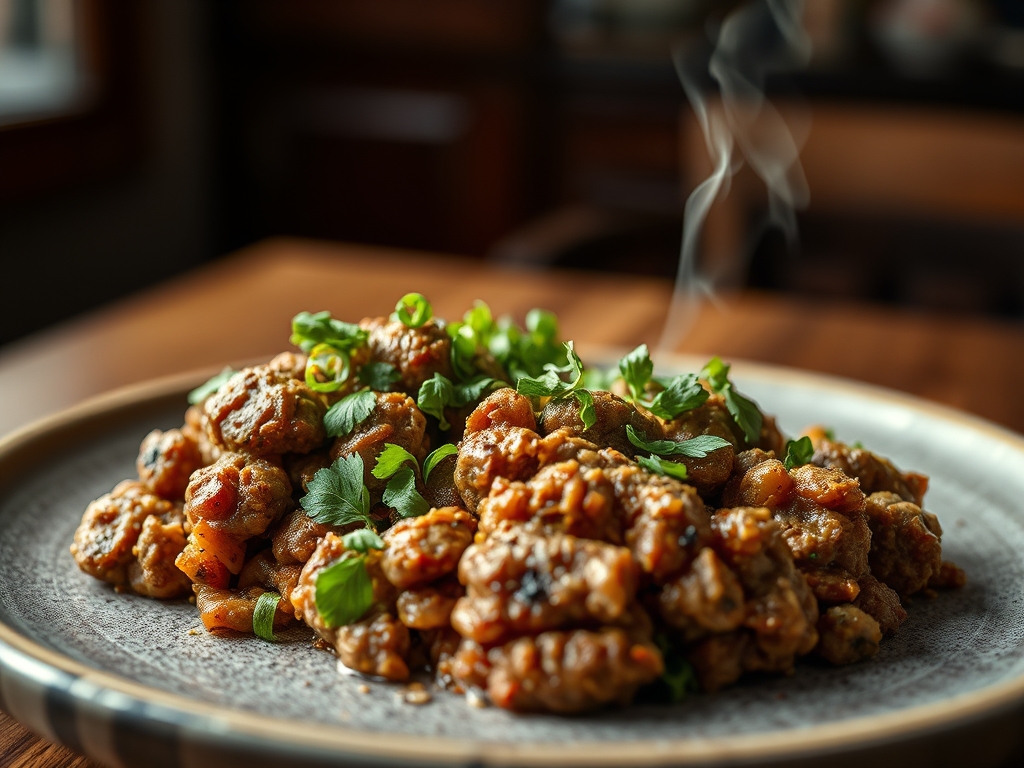
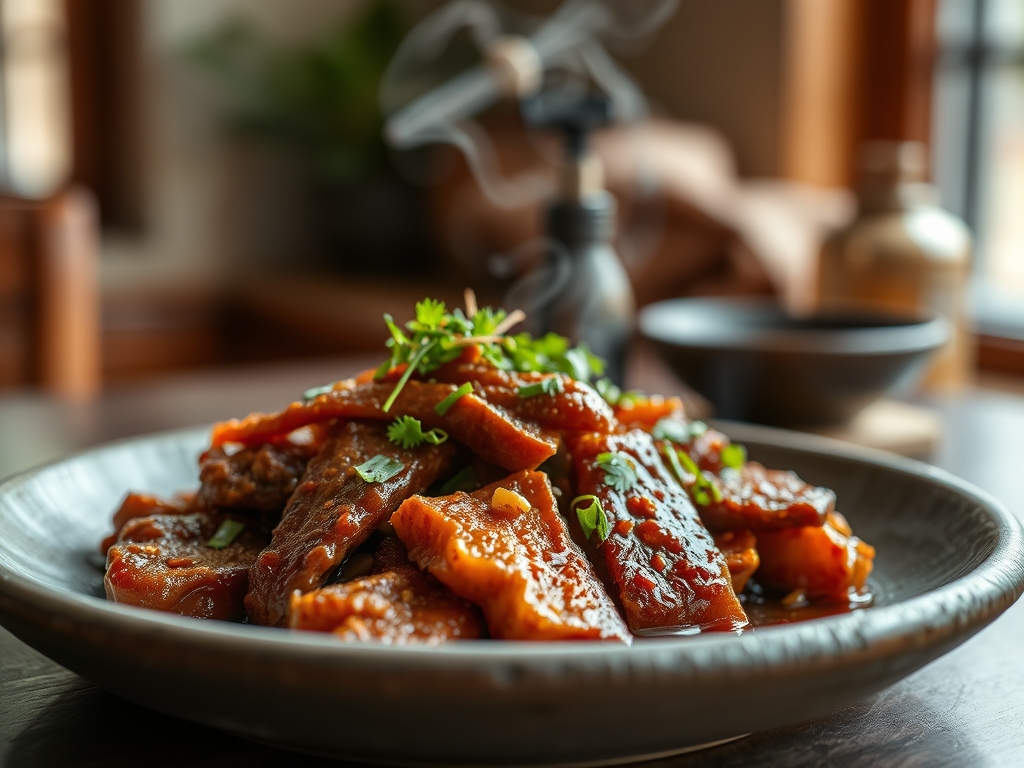
Imagine the scent of toasted sesame oil hitting a hot heavy bottomed skillet; it is a nutty, high intensity aroma that signals something transformative is about to happen. When you master the art of korean spicy beef recipes, you are not just cooking dinner; you are conducting a symphony of heat, sweetness, and deep umami. The secret lies in the balance of the piquant kick from fermented chili and the velvety richness of marbled fat.
To get that restaurant quality finish at home, we have to look past the surface. We are chasing the Maillard reaction, that magical chemical bridge where amino acids and reducing sugars meet heat to create hundreds of different flavor compounds. It is the difference between gray, boiled meat and the charred, lacquered perfection of a true Bulgogi or Jeyuk Bokkeum. Grab your apron and your sharpest chef knife; we are diving into the molecular mechanics of the perfect spicy sear.

The Gathers:
Your mise en place is the foundation of culinary success. For this build, we are focusing on high quality proteins and fermented boosters. You will need one pound of thinly sliced ribeye or flank steak. Use a digital scale to ensure your ratios are precise; precision is the hallmark of a consistent kitchen. The marinade requires Gochujang, a thick, viscous fermented chili paste that provides both heat and a structural body to the sauce.
Complement this with Gochugaru (Korean chili flakes) for a smoky, textural punch. You will also need soy sauce for salinity, honey or brown sugar for caramelization, and a generous amount of minced garlic and ginger. To prep these, use a microplane to create a fine paste; this increases the surface area of the aromatics, allowing them to infuse the oil more rapidly.
Smart Substitutions: If you cannot find Gochujang, a mix of miso paste and Sriracha can mimic the fermented depth, though the texture will be less syrupy. For a soy free version, coconut aminos offer a similar profile with a lower glycemic index. If you are looking for a leaner profile, top sirloin works well, provided you do not overcook it and lose the moisture.
The Clock
Efficiency in the kitchen is about the "Chef's Flow." This recipe requires a total of 45 minutes, but the active cooking time is less than 10. The breakdown is 30 minutes for marination and 15 minutes for prep and high heat execution.
The marination phase is non negotiable. During these 30 minutes, the enzymes in the ginger and the acids in the marinade begin to break down the tough muscle fibers of the beef. This is a passive tenderization process. While the beef rests, use your bench scraper to clear your workstation and prep your garnishes: scallions, toasted sesame seeds, and perhaps some quick pickled cucumbers to provide a bright, acidic counterpoint to the heavy beef.
The Masterclass
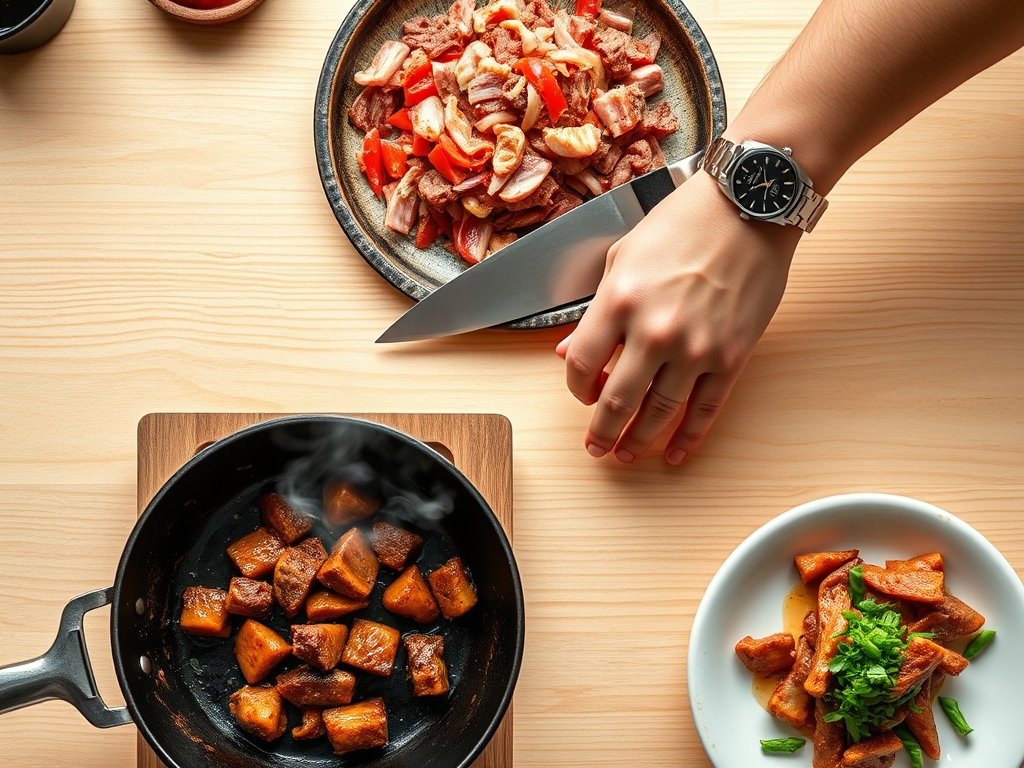
1. The Precision Slice
Freeze your beef for 20 minutes before cutting. This firms up the fat and proteins, allowing you to achieve paper thin slices against the grain. Using a sharp knife, aim for 1/8 inch thickness.
Pro Tip: Cutting against the grain shortens the muscle fibers, which significantly reduces the mechanical effort required to chew. This is known as improving the tenderness index of the meat.
2. The Emulsified Marinade
In a saucier, whisk together the Gochujang, soy sauce, grated ginger, garlic, and sesame oil. Ensure the sugar is fully dissolved. Massage this into the beef slices until every millimeter is coated.
Pro Tip: Sesame oil is an emulsifier here. It helps the water based soy sauce and the oil based chili compounds bind to the surface of the meat, ensuring a homogenous flavor profile in every bite.
3. The High Heat Sear
Heat your heavy bottomed skillet or wok until it is shimmering. Use a high smoke point oil like grapeseed. Add the beef in a single layer, avoiding overcrowding. Use tongs to flip the pieces individually.
Pro Tip: Overcrowding the pan leads to "steaming" rather than searing. By maintaining high heat, you trigger enzymatic browning, creating a crust that traps internal juices.
4. The Deglaze and Glaze
As the meat finishes, the sugars in the marinade will begin to stick to the pan. Add a splash of water or rice wine to deglaze the skillet. Use a wooden spoon to scrape up those browned bits (the fond).
Pro Tip: The fond contains concentrated flavor molecules. Incorporating them back into the sauce creates a glaze with high viscosity that clings to the beef.
5. The Aerated Finish
Remove the pan from the heat and toss in fresh scallions. The residual heat will wilt them just enough to release their essential oils without losing their vibrant green color.
Pro Tip: This utilizes thermal carryover. The internal temperature of the beef will continue to rise by 5 degrees after leaving the pan; pulling it early prevents the proteins from tightening and becoming rubbery.
6. The Resting Period
Let the beef sit for three minutes before serving. This allows the muscle fibers to relax and reabsorb the juices that were pushed to the surface during the high heat phase.
Pro Tip: Resting ensures liquid equilibrium. If you cut or serve too fast, the moisture escapes as steam, leaving the meat dry and fibrous.
The Deep Dive
From a macro perspective, this dish is a protein powerhouse. A standard serving contains roughly 35 grams of protein and 15 grams of fat. While Gochujang does contain carbohydrates from the fermented rice, the overall impact is moderate.
Dietary Swaps: For a Vegan version, swap the beef for sliced king oyster mushrooms or extra firm tofu that has been pressed for 20 minutes. For Keto enthusiasts, replace the honey with erythritol and serve over cauliflower rice. For Gluten Free needs, ensure you use Tamari instead of standard soy sauce.
The Fix-It:
- Too Salty: Add a splash of rice vinegar or a squeeze of lime. The acid cuts through the sodium perception.
- Too Spicy: Incorporate a teaspoon of peanut butter or extra sesame oil. Fats encapsulate the capsaicin molecules, dulling their impact on your taste buds.
- Meat is Tough: This usually means the pan wasn't hot enough. Next time, wait for the oil to reach its flash point before adding the protein.
Meal Prep Science: To reheat, avoid the microwave as it vibrates water molecules too fast, toughening the beef. Instead, use a small skillet with a tablespoon of water over medium heat. This creates a gentle steam environment that restores the original moisture levels.
The Wrap-Up
Mastering korean spicy beef recipes is about more than just following a list of ingredients; it is about understanding the physics of the pan and the chemistry of the marinade. By focusing on the sear and the rest, you elevate a simple weeknight meal into a gourmet experience. Don't be afraid of the heat; lean into the bold, piquant flavors and let your kitchen become a laboratory of deliciousness.
The Kitchen Table
What is the best cut of beef for this recipe?
Ribeye is the gold standard due to its high intramuscular fat content. This fat renders during the sear, basting the meat in its own juices and providing a luxurious mouthfeel that leaner cuts simply cannot match.
How do I make the sauce thicker?
The Gochujang naturally provides body, but for a thicker glaze, allow the sauce to reduce in the pan. The evaporation of water concentrates the sugars and proteins, resulting in a viscous coating that adheres perfectly to the beef.
Can I make this dish ahead of time?
Yes, you can marinate the beef for up to 24 hours. Long term marination allows the aromatics to penetrate deeper into the muscle tissue, though beyond 24 hours, the acids may begin to mush the texture of the protein.
Is Gochujang very spicy?
Gochujang offers a balanced heat. It ranks moderately on the Scoville scale but is tempered by the sweetness of fermented rice. It provides a lingering warmth rather than a sharp, aggressive sting, making it accessible for most palates.