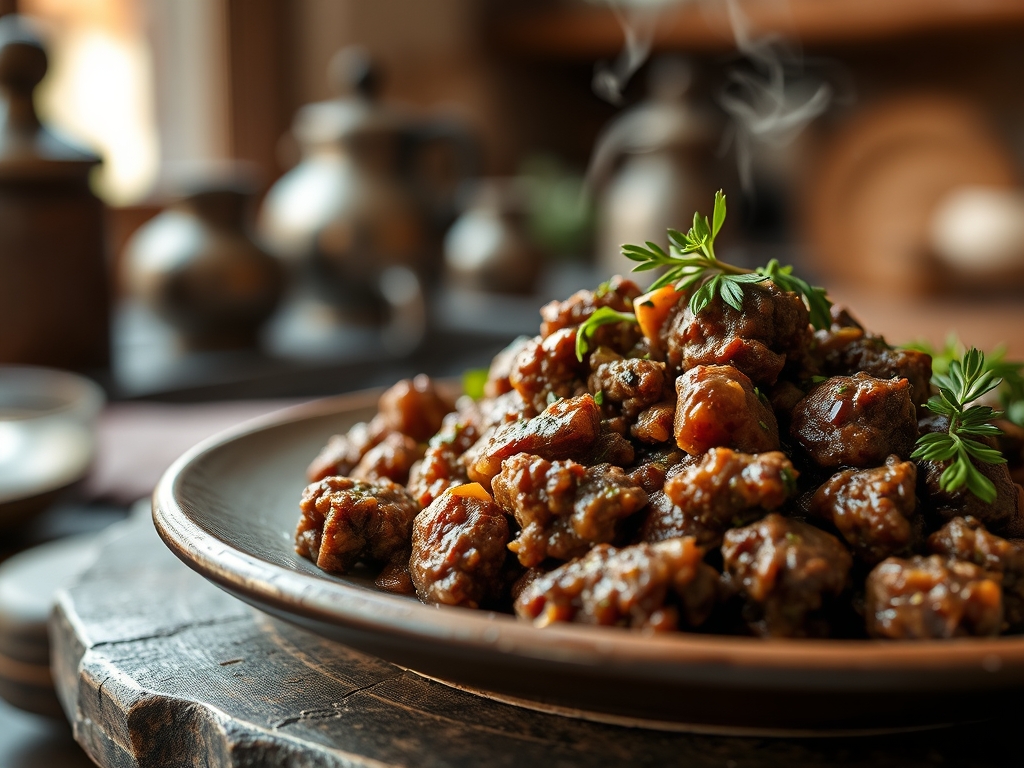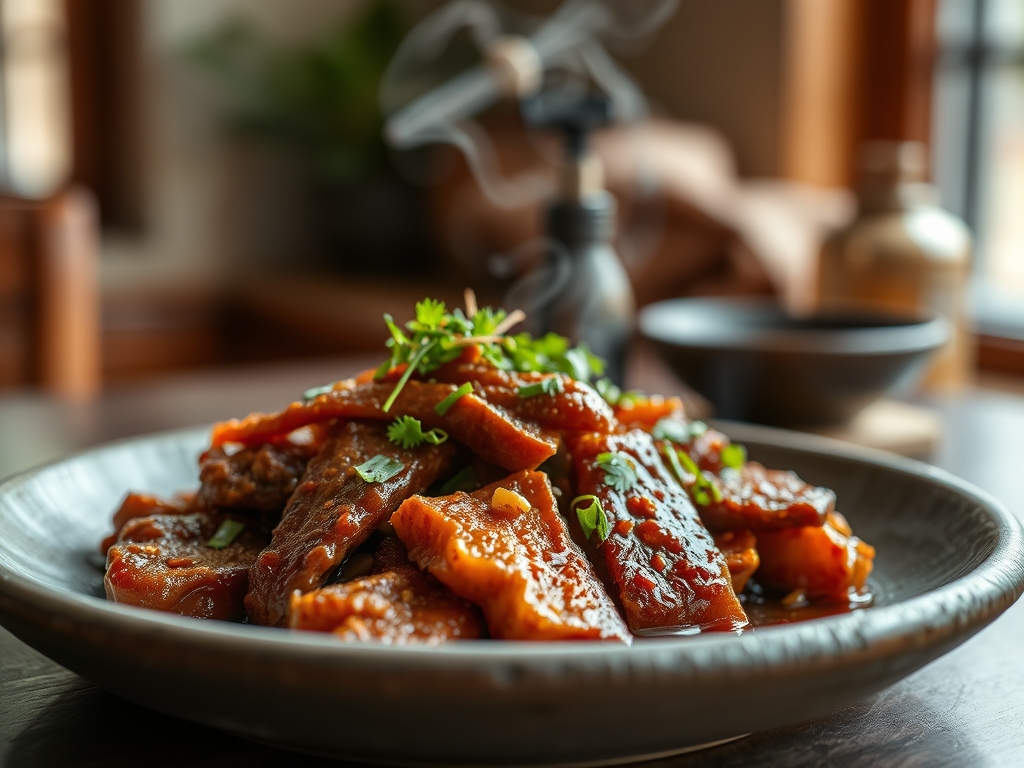
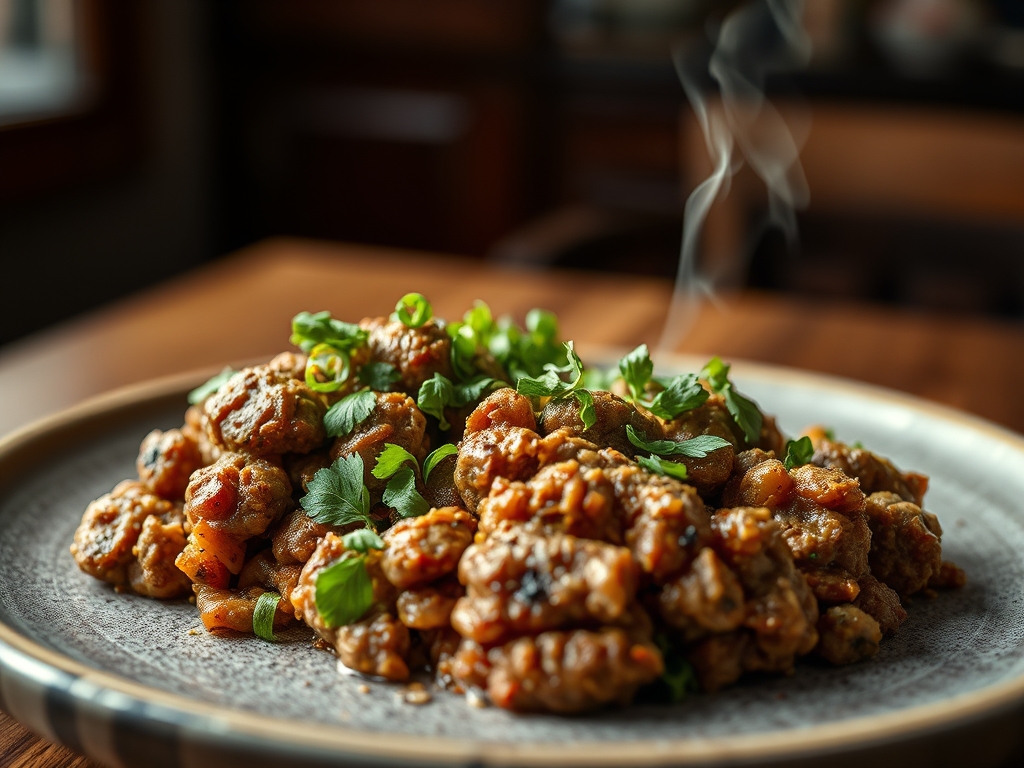
Close your eyes and imagine the scent of blooming saffron colliding with the sharp, citrusy bite of dried limes and the deep, savory hum of searing fat. This is the alchemy of Persian ground beef recipes; a culinary tradition that transforms humble mince into a tapestry of aromatic elegance. We are moving far beyond the basic burger here. We are entering a world where turmeric provides an earthy backbone and sumac adds a bright, astringent finish that dances on the tongue. Whether you are craving the charred perfection of a kabob or the slow-simmered comfort of a tomato-based stew, these dishes rely on a delicate balance of fat, acid, and heat. It is time to treat your kitchen like a laboratory of flavor.
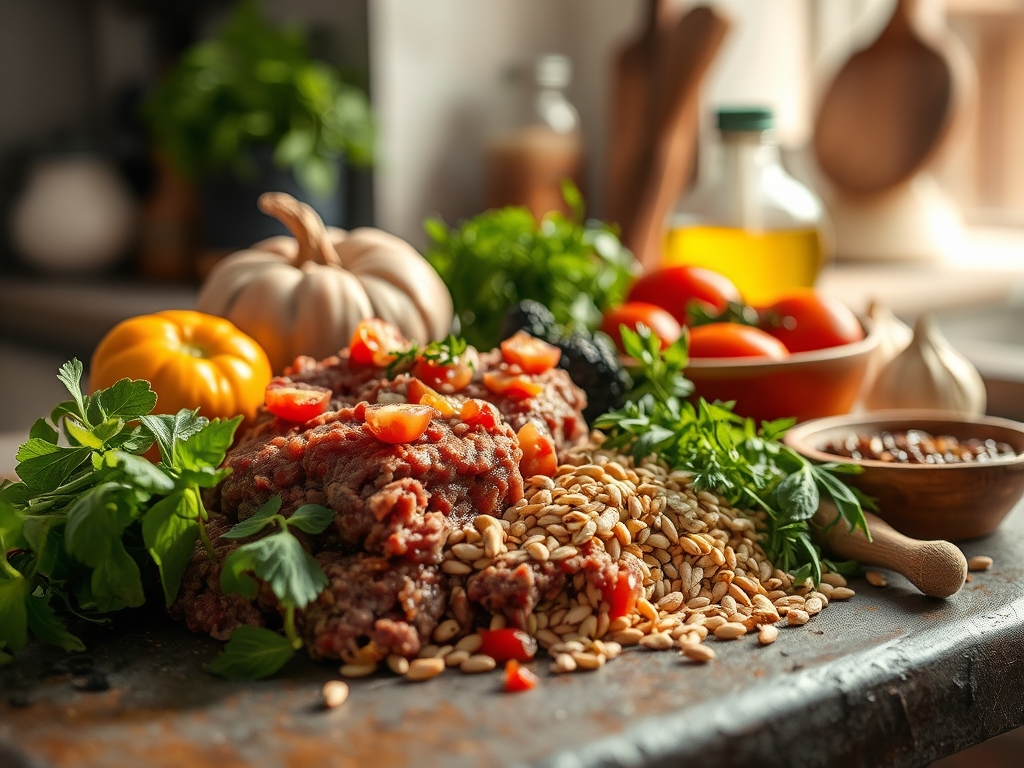
The Gathers:
To master these Persian ground beef recipes, your mise-en-place must be precise. Start with a high-quality ground beef, ideally an 80/20 lean-to-fat ratio. The fat is not just for flavor; it acts as a thermal conductor that carries the volatile oils of the spices throughout the meat. You will need a microplane to grate your onions into a fine pulp. This is non-negotiable because the onion juice provides the moisture needed to emulsify the meat proteins without the need for heavy binders.
Your spice rack should feature high-grade turmeric, ground sumac, and real saffron threads. Avoid the pre-ground saffron powders which often contain fillers. Instead, use a mortar and pestle to grind the threads with a pinch of sugar before blooming them in hot water. For a piquant kick, keep dried black limes (limoo amani) on hand. If you cannot find them, a Smart Substitution is a combination of lime zest and a touch of citric acid to mimic that fermented, musky sourness. Finally, ensure you have a heavy-bottomed skillet or a cast iron pan to achieve the necessary Maillard reaction for that deep, caramelized crust.
The Clock
The "Chef's Flow" for Persian ground beef recipes is all about the marination and the rest. Total preparation usually takes 20 minutes, while cooking varies from a quick 10-minute sear for kabobs to a 45-minute simmer for stews. The secret is the resting phase. Just as a steak needs time for its juices to redistribute, ground beef mixtures benefit from a 30-minute chill in the refrigerator. This allows the proteins to knit together, ensuring your Koobideh does not fall off the skewer or crumble in the pan. Plan for a total "Active Time" of 30 minutes and a "Passive Time" of 30 minutes.
The Masterclass
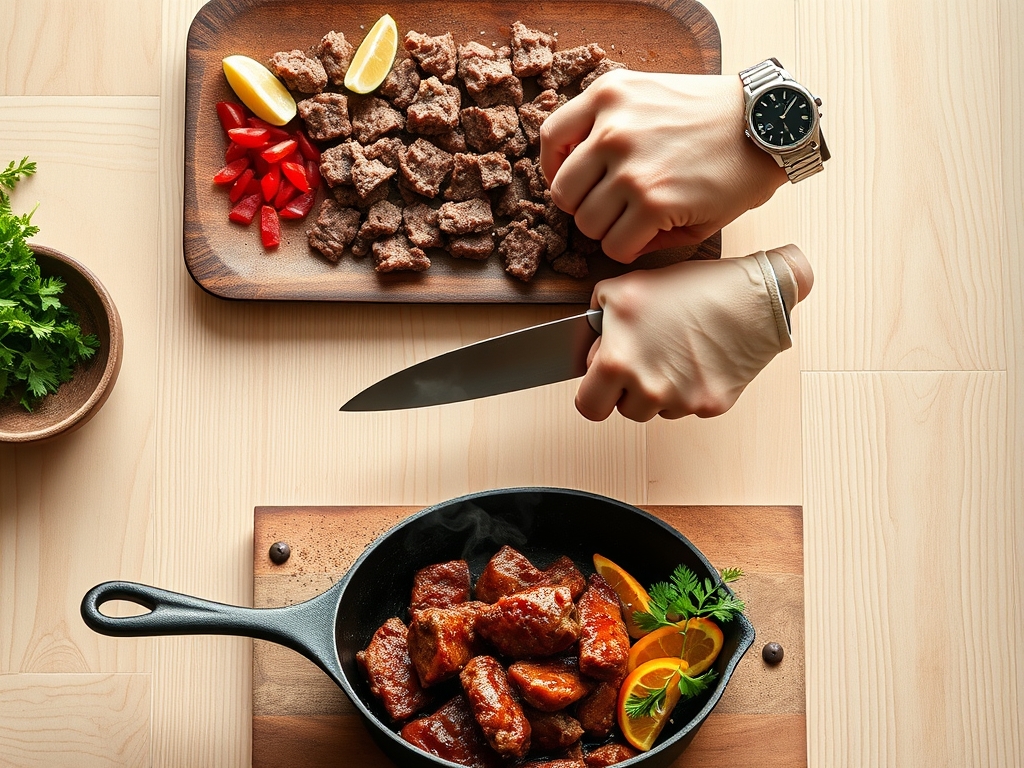
1. The Grate and Drain
Using your microplane or the fine side of a box grater, process two large yellow onions. Place the pulp into a fine-mesh strainer and press firmly with a bench scraper or the back of a spoon to remove every drop of excess liquid.
Pro Tip: Removing the water is essential for structural integrity. Excess moisture creates steam during the cooking process, which prevents the meat from searing properly and leads to a spongy, boiled texture rather than a crisp, browned exterior.
2. The Protein Knead
Combine the drained onion pulp with your ground beef in a large stainless steel bowl. Add salt, pepper, and turmeric. Use your hands to knead the mixture for at least five minutes until it becomes tacky and pale in color.
Pro Tip: This manual labor is actually protein extraction. By kneading the meat, you are developing the myosin, a sticky protein that acts as a natural glue. This ensures your meat stays juicy and intact without adding breadcrumbs or eggs.
3. The Saffron Bloom
Grind your saffron threads and dissolve them in two tablespoons of boiling water. Let it sit for five minutes until the liquid is a deep, viscous crimson. Fold half of this liquid into the meat mixture and reserve the rest for glazing.
Pro Tip: Saffron is fat-soluble. By blooming it in water first and then adding it to the beef, you allow the flavors to penetrate the fat cells of the meat, resulting in a more uniform and intense aromatic profile.
4. Shaping and Chilling
Shape the meat into long, thin strips or small spheres, depending on the specific recipe you are following. Place them on a parchment-lined tray and refrigerate for 30 minutes.
Pro Tip: Chilling the meat allows the fat to re-solidify. When the cold fat hits the hot pan, it creates a thermal shock that helps form an immediate crust, locking in the internal juices and preventing the meat from drying out.
5. The High-Heat Sear
Heat your heavy-bottomed skillet until it is wispy with smoke. Add a high-smoke-point oil like avocado oil. Lay the meat down and do not move it for at least three minutes. Use tongs to flip only once a dark brown crust has formed.
Pro Tip: This is the Maillard reaction in action. The amino acids and reducing sugars in the meat are transforming into hundreds of different flavor compounds. Moving the meat too early disrupts this chemical bond and results in sticking.
6. The Deglaze and Simmer
If you are making a stew like Khoresht Ghaimeh, remove the meat and add tomato paste to the rendered fat. Cook until it turns a dark brick red, then deglaze the pan with a splash of water or broth, scraping up the brown bits (the fond).
Pro Tip: Deglazing captures the concentrated umami left on the bottom of the pan. This technique adds a layer of complexity to the sauce that cannot be achieved through seasoning alone.
The Deep Dive
From a nutritional standpoint, these Persian ground beef recipes are powerhouse meals. A standard serving provides approximately 25g of protein and is rich in Vitamin B12 and Zinc. To keep it Keto-friendly, serve the beef over cauliflower rice with a dollop of full-fat Greek yogurt. For a Vegan swap, use high-quality plant-based crumbles but increase the amount of fat (like olive oil) to compensate for the lack of animal tallow. If you are Gluten-Free, you are already in luck; traditional Persian recipes rarely use flour as a thickener.
The Fix-It:
- Meat is falling apart: You likely skipped the kneading step. Fix it by adding one egg white to the mixture to act as an emergency binder.
- Dish is too bitter: This happens if you over-toast the turmeric or leave the seeds in the dried limes. Balance the bitterness with a teaspoon of honey or a squeeze of fresh lemon.
- Meat is dry: You used beef that was too lean. Next time, mix in a tablespoon of cold, grated butter to mimic the missing fat.
Meal Prep: When reheating, avoid the microwave if possible. Use a saucier or a small pan with a tablespoon of water over low heat. Cover with a lid to create a steam chamber. This prevents the proteins from tightening and becoming rubbery, maintaining that "day-one" tenderness.
The Wrap-Up
Mastering Persian ground beef recipes is about more than just following a list of ingredients; it is about understanding the physics of heat and the chemistry of aromatics. By focusing on protein extraction, the Maillard reaction, and the delicate blooming of spices, you elevate a simple weeknight dinner into a gourmet experience. Put your digital scale to use, trust your tongs, and do not be afraid to let that skillet get hot. Your kitchen is about to become the most fragrant place in the neighborhood.
The Kitchen Table
What is the best fat ratio for Persian ground beef?
An 80/20 lean-to-fat ratio is ideal. The fat provides the necessary moisture and acts as a flavor carrier for spices like saffron and turmeric, ensuring the meat remains tender and aromatic after searing.
Why do I need to grate the onions?
Grating onions creates a fine pulp that blends seamlessly into the meat. This provides essential moisture and enzymes that help tenderize the beef, while removing the liquid prevents the meat from becoming too soggy to sear.
Can I make these recipes without a grill?
Absolutely. You can achieve excellent results using a heavy-bottomed skillet or a cast iron grill pan on the stovetop. The key is maintaining high heat to ensure a proper caramelized crust forms on the exterior.
How do I store leftovers without them getting dry?
Store the beef in an airtight container with a little bit of its own juices or sauce. When reheating, add a splash of water and use a lid to trap steam, which keeps the meat hydrated and soft.