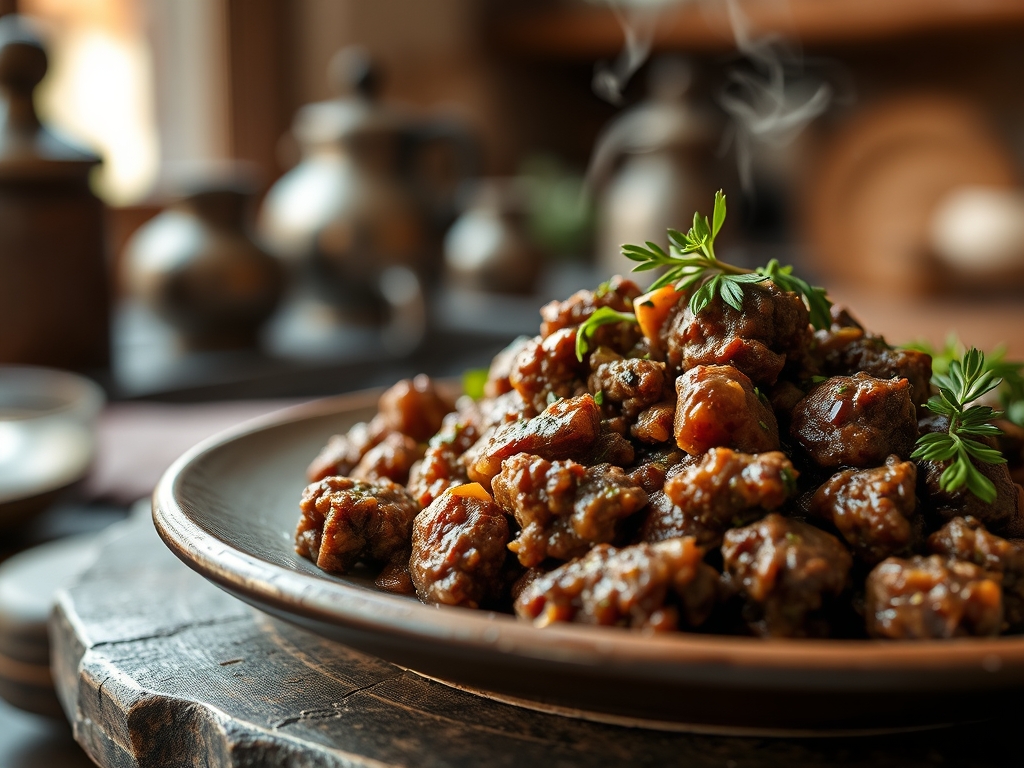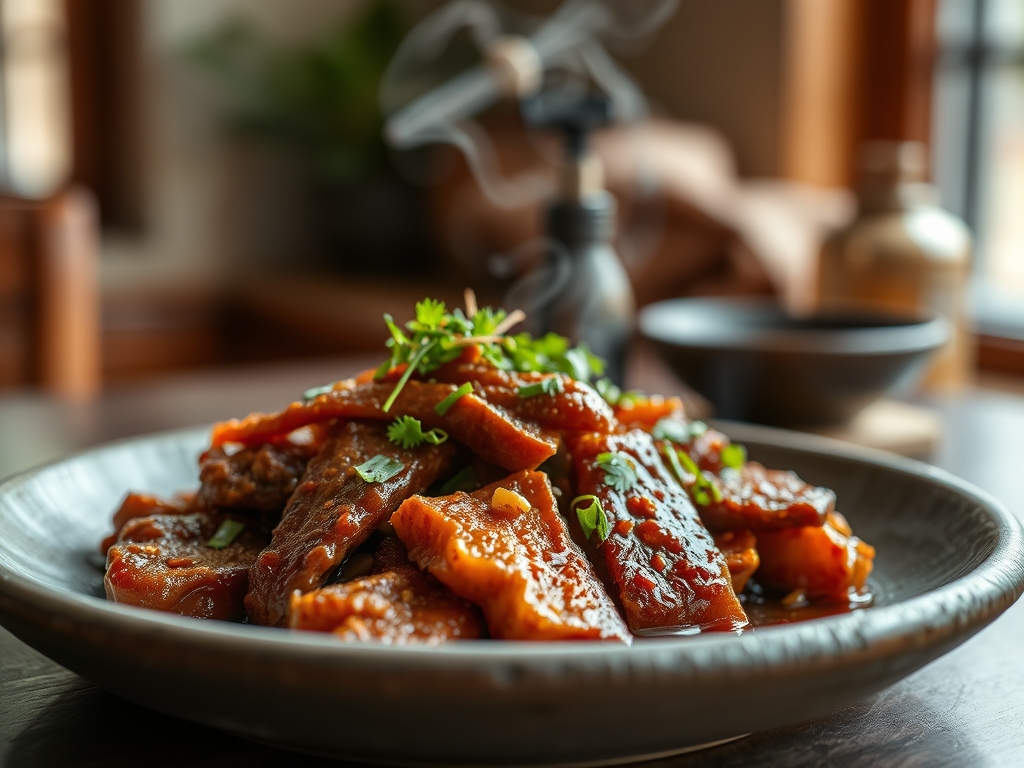
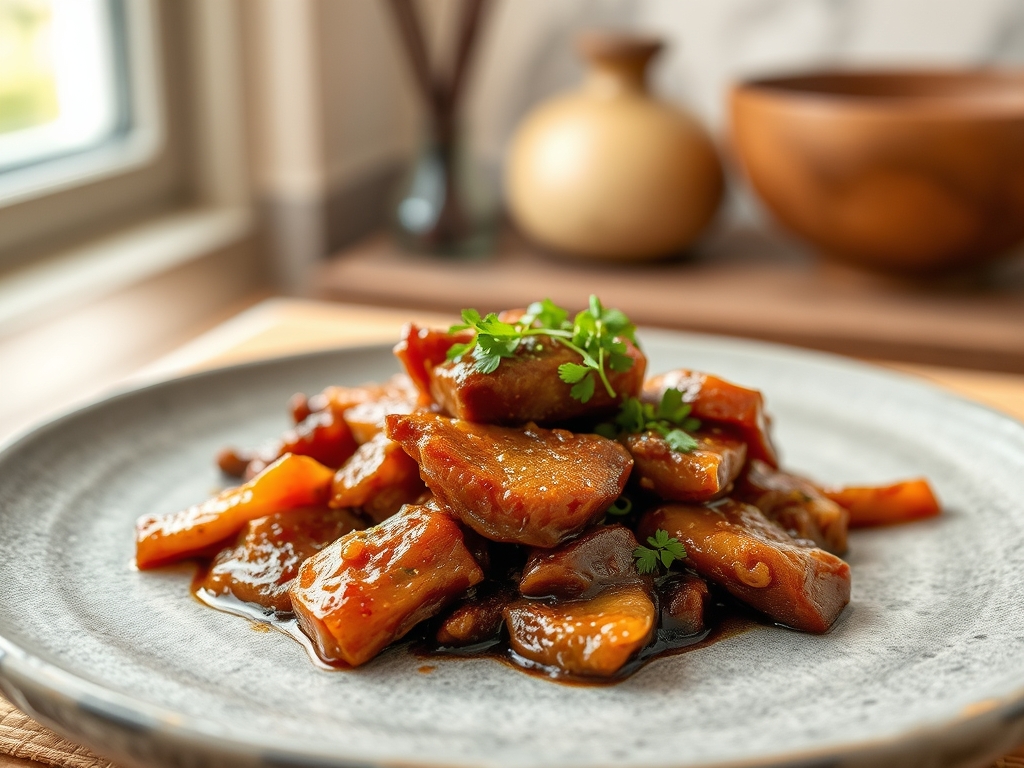
Imagine the scent of toasted sesame oil and sizzling ginger hitting a hot wok. That intoxicating aroma is the hallmark of the best chinese marinated beef recipes; a sensory experience that transforms a humble flank steak into a restaurant quality masterpiece. When you achieve that perfect balance of salty, sweet, and savory, it is not just luck; it is chemistry. We are talking about that specific, velvety texture that seems impossible to replicate at home. It is all about the science of the marinade. By understanding how proteins react to alkaline environments and how sugars caramelize under high heat, you can turn your kitchen into a high end bistro. We are going to dive deep into the seven flavor boosts that take your beef from bland to brilliant. Grab your favorite heavy bottomed skillet and let us get technical. We are not just cooking dinner; we are mastering the art of the perfect sear and the ultimate infusion.
The Gathers:
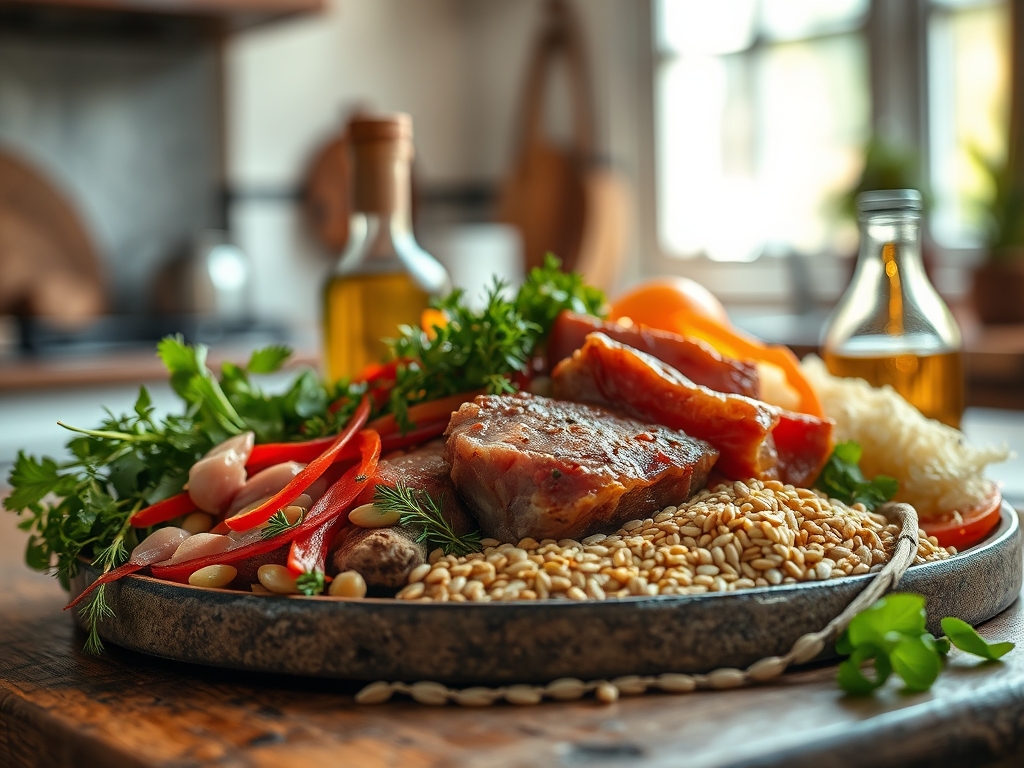
To begin our culinary experiment, we must assemble a mise en place that respects both tradition and chemistry. Start with your protein; a pound of flank or skirt steak is ideal due to its long muscle fibers which absorb liquids through capillary action. You will need a viscous premium soy sauce for depth and a lighter soy for salinity. Shaoxing wine is non negotiable for its piquant acidity that cuts through fat. For the aromatics, use a microplane to grate fresh ginger and garlic into a fine paste; this increases the surface area for maximum flavor extraction. You will also need cornstarch and baking soda, the secret weapons for structural modification.
Smart Substitutions:
If you are avoiding soy, coconut aminos offer a similar umami profile with a slightly sweeter finish. No Shaoxing wine? A dry pale sherry mimics that fermented complexity perfectly. For those who cannot find flank steak, top sirloin is a fantastic alternative, provided you slice it against the grain with a sharp chef knife to ensure tenderness. Always use a digital scale for your dry ingredients like sugar and cornstarch; precision is the difference between a sauce that clings and a sauce that clumps.
The Clock
The "Chef's Flow" is all about timing and temperature management. Preparation takes approximately 20 minutes, primarily focused on the precision slicing of the beef. The marination period is the critical window; you need at least 30 minutes for the alkaline tenderization to occur, though two hours is the sweet spot for flavor penetration. The actual cooking process is lightning fast, usually under 8 minutes in a blazing hot pan. By the time you factor in a 5 minute rest for the meat to allow for moisture redistribution, you are looking at a total commitment of about 65 minutes. Efficiency comes from prepping your vegetables while the beef undergoes its chemical transformation in the refrigerator.
The Masterclass
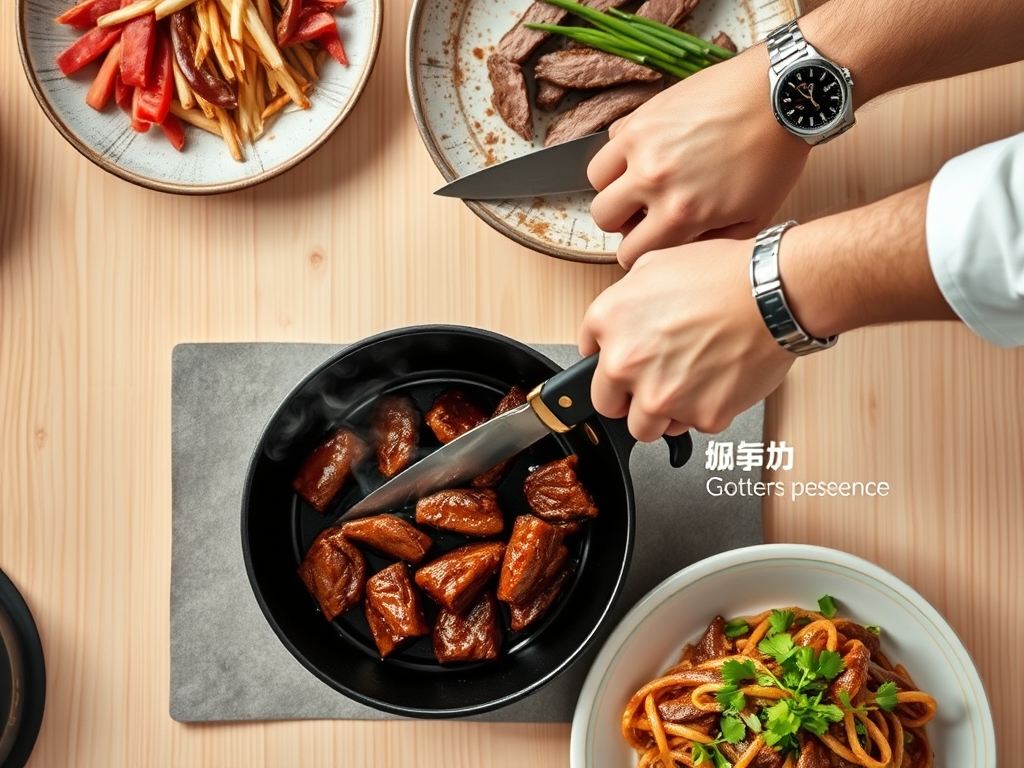
1. The Precision Slice
Using a sharp blade, slice your beef against the grain into thin, uniform strips. This physically shortens the tough muscle fibers, making the meat easier to chew. Aim for 1/8 inch thickness to ensure rapid heat transfer.
Pro Tip: Place the beef in the freezer for 15 minutes before slicing. This firms up the lipids and proteins, allowing for cleaner cuts and preventing the meat from tearing under the blade.
2. The Velvet Bath
Combine your soy sauce, Shaoxing wine, and a pinch of baking soda in a glass bowl. Use a saucier whisk to ensure the baking soda is fully dissolved. Massage this mixture into the beef until all the liquid is absorbed.
Pro Tip: Baking soda raises the pH level on the surface of the meat. This alkaline environment prevents the proteins from bonding too tightly when heated, resulting in that signature "velvet" texture.
3. The Starch Shield
Dust the marinated beef with cornstarch and a teaspoon of neutral oil. Toss the mixture until every piece is lightly coated. This creates a thin barrier that protects the meat from the aggressive heat of the wok.
Pro Tip: This technique facilitates the Maillard reaction without overcooking the interior. The starch also acts as a built in thickener for the final sauce, creating a glossy sheen.
4. The High Heat Sear
Heat a heavy bottomed skillet or wok until it reaches the smoke point of your oil. Add the beef in a single layer, leaving space between pieces to avoid steaming. Let it sit undisturbed for 60 seconds to develop a crust.
Pro Tip: Avoid overcrowding the pan to prevent a drop in surface temperature. Maintaining high heat ensures the sugars in the marinade caramelize rather than boil in their own juices.
5. The Aromatic Infusion
Push the beef to the sides of the pan and drop your grated ginger, garlic, and scallion whites into the center. Stir for only 30 seconds until they become fragrant and slightly translucent.
Pro Tip: Aromatics contain volatile oils that are released upon contact with heat. Brief exposure prevents the garlic from turning bitter while allowing the flavors to infuse the cooking oil.
6. The Deglaze and Glaze
Pour in your final sauce mixture (usually a blend of oyster sauce and sugar). Use a bench scraper or sturdy spatula to scrape up any browned bits from the bottom of the pan.
Pro Tip: This process is called deglazing. Those browned bits, or "fond," are concentrated pockets of flavor that dissolve into the sauce, providing a complex, savory finish.
7. The Final Rest
Remove the pan from the heat and toss in your scallion greens. Transfer the beef to a warm platter and let it sit for three minutes before serving.
Pro Tip: This allows for thermal carryover, where the internal temperature continues to rise slightly. Resting ensures the juices settle back into the muscle fibers instead of spilling out onto the plate.
The Deep Dive
From a nutritional standpoint, this dish is a powerhouse of lean protein and essential minerals like zinc and B12. A standard serving contains roughly 280 calories with 30 grams of protein. For a Keto version, replace the sugar with erythritol and the cornstarch with xanthan gum. Vegan enthusiasts can swap the beef for pressed extra firm tofu or seitan, though the marination time should be doubled to penetrate the denser plant proteins. For Gluten Free needs, simply use Tamari in place of standard soy sauce.
The Fix-It:
- Tough Meat: You likely skipped the baking soda or sliced with the grain. Fix it by slicing thinner next time and ensuring a full 30 minute marination.
- Soggy Texture: The pan was not hot enough or was overcrowded. Fix it by cooking in smaller batches and using a high smoke point oil like grapeseed.
- Too Salty: You used too much dark soy. Fix it by adding a splash of rice vinegar or a squeeze of lime to balance the sodium with acidity.
Meal Prep:
To maintain "day one" quality, store the beef and sauce separately if possible. When reheating, use a microwave at 50% power to prevent the proteins from tightening. Better yet, flash fry the leftovers in a hot pan for 60 seconds to re-aerate the sauce and restore the crisp edges.
The Wrap-Up
Mastering chinese marinated beef recipes is a journey into the heart of culinary science. By utilizing techniques like velveting and proper deglazing, you transform simple ingredients into a sophisticated feast. Remember that heat management and ingredient precision are your best friends in the kitchen. Now that you have the secrets to that perfect, glossy, tender beef, go forth and wok with confidence. Your dinner guests will think you have a professional chef hiding in the pantry!
The Kitchen Table
How do I get the beef so thin?
Freeze the beef for 20 minutes before slicing. This firms the muscle fibers, allowing your chef knife to glide through for paper thin, uniform strips that cook evenly and absorb the marinade efficiently.
Why is my beef steaming instead of searing?
You likely overcrowded the pan or the heat was too low. Cook in small batches and ensure the oil is shimmering. This maintains the high temperature necessary for the Maillard reaction to occur.
Can I marinate the beef overnight?
While you can, be cautious with baking soda. Over marinating with alkaline agents for more than 12 hours can make the meat mushy. For overnight prep, leave the baking soda out until 30 minutes before cooking.
What oil is best for high heat stir frying?
Use oils with a high smoke point like peanut, grapeseed, or avocado oil. Avoid extra virgin olive oil or butter, as they will burn and become bitter at the temperatures required for a proper sear.