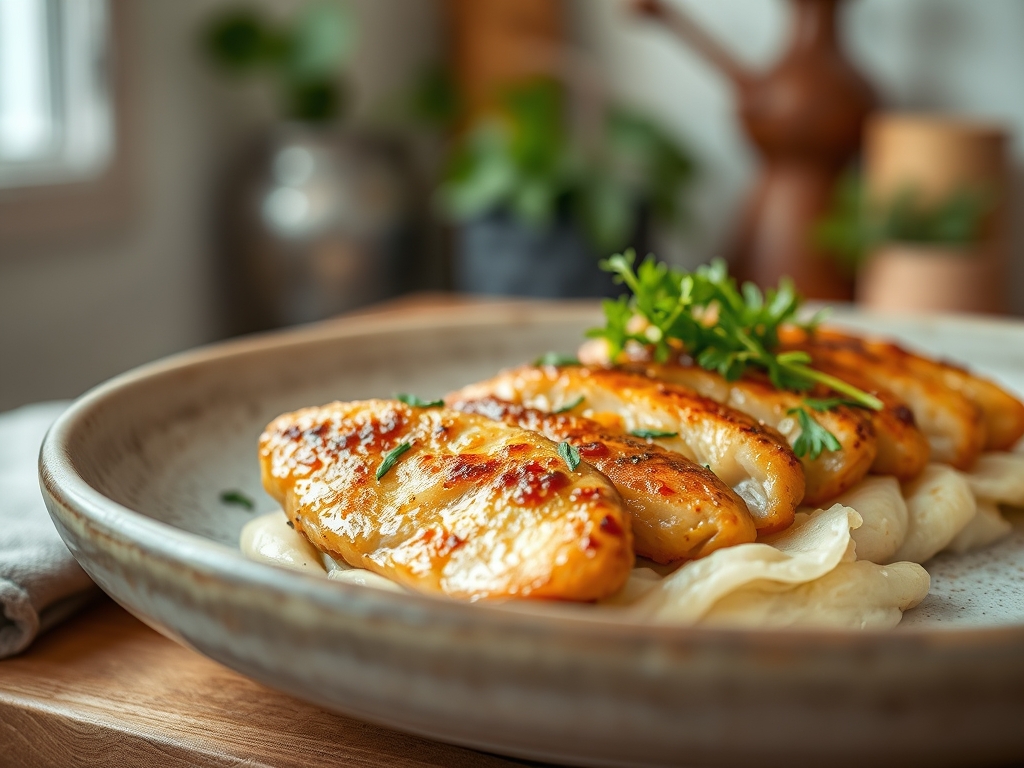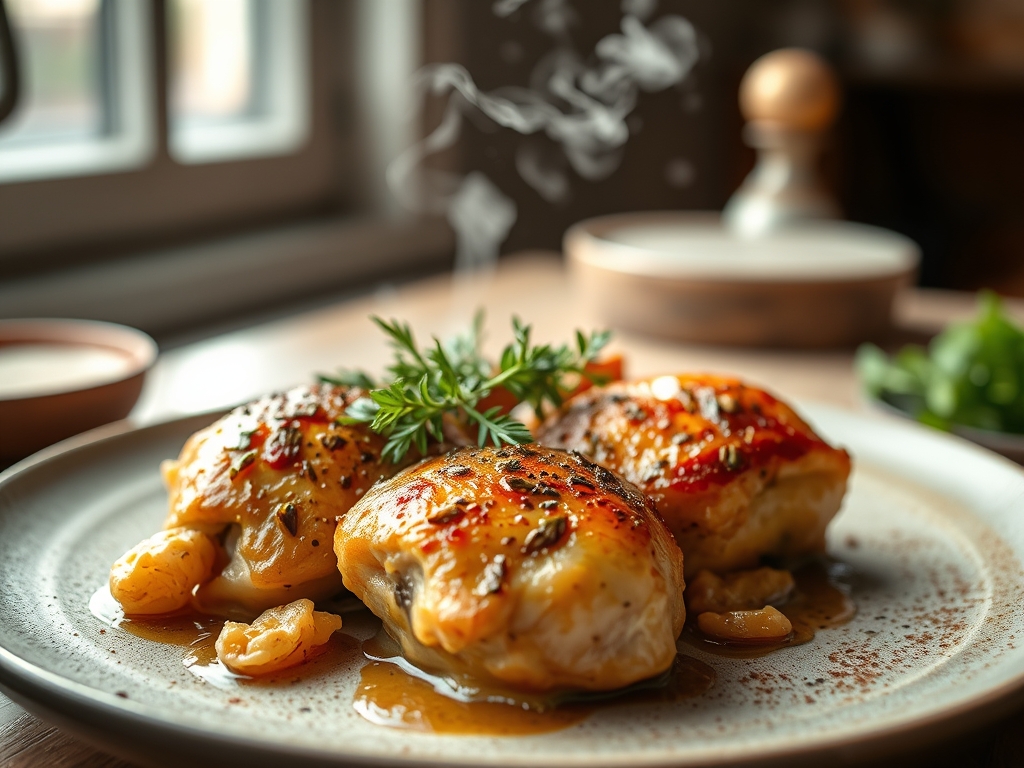
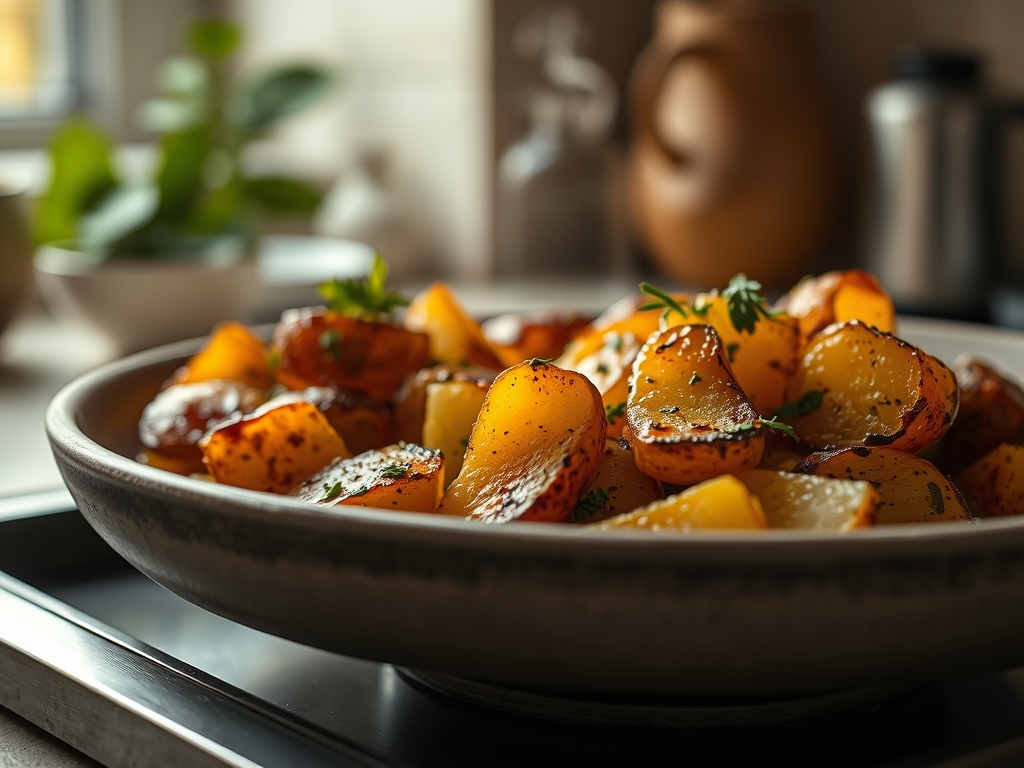
Picture this: the kitchen is filled with the scent of shimmering butter and toasted garlic while a heavy-bottomed skillet hums on the burner. You are hungry, your guests are arriving in twenty minutes, and you need a side dish that feels like a warm hug but looks like a Michelin-starred masterpiece. Forget the hour-long oven roast; we are mastering potato recipes on the stove to achieve that elusive shatter-crisp exterior and cloud-like center in record time. It is all about manipulating starch and heat to bypass the traditional waiting game.
The secret lies in understanding the humble tuber as a structural marvel of cell walls and amylopectin. By using the stovetop, we exert direct thermal control, allowing us to jumpstart the Maillard reaction without dehydrating the interior. We are not just cooking; we are engineering texture. Whether you are craving a piquant lemon-herb finish or a rich, butter-basted gold, these techniques turn a simple pantry staple into the star of the show. Let us dive into the chemistry of the crunch and get those burners glowing.
The Gathers:
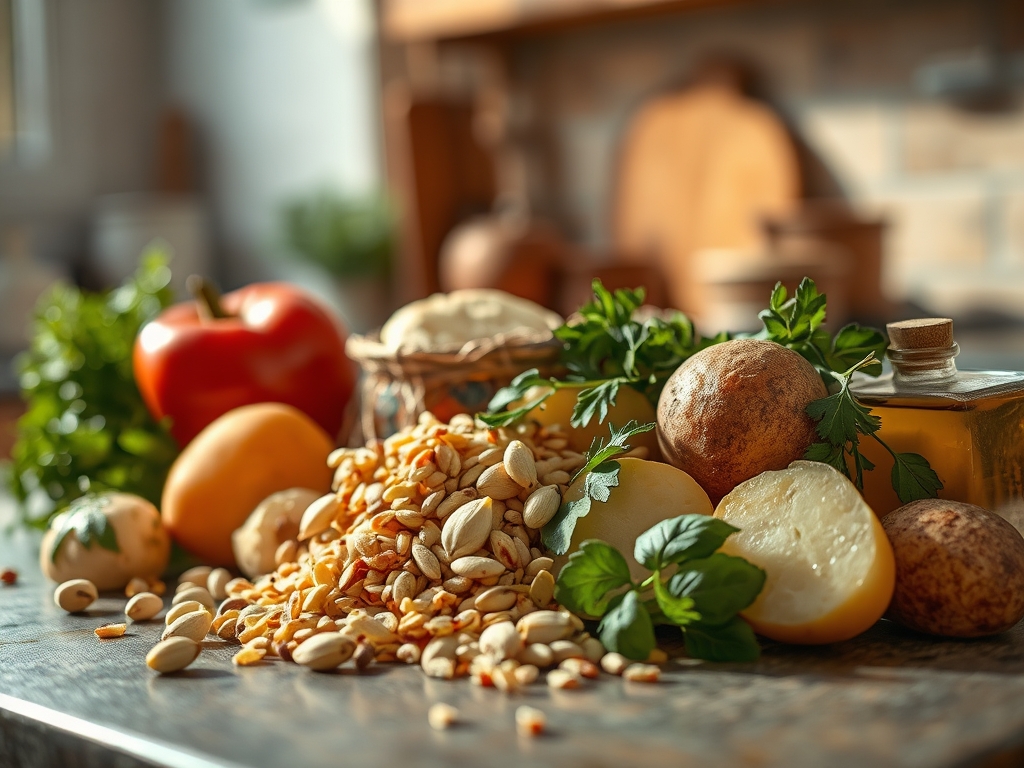
To execute these potato recipes on the stove with precision, your mise-en-place must be flawless. Start with waxy varieties like Yukon Gold or Red Bliss; their lower starch content and higher moisture levels prevent them from disintegrating when they hit the hot fat. You will need a high-quality fat source with a high smoke point, such clarified butter (ghee) or avocado oil, to ensure the Maillard reaction occurs without the bitter notes of burnt solids.
Gather your aromatics: fresh rosemary sprigs, smashed garlic cloves, and perhaps a pinch of smoked paprika for a deep, earthy hue. Use a digital scale to ensure uniform sizing, as consistency is the enemy of uneven cooking. For "Smart Substitutions," if you are dodging nightshades, firm Japanese sweet potatoes offer a similar structural integrity. If you lack fresh herbs, a concentrated vegetable base or a splash of dry white wine can be used to deglaze the pan and infuse the potatoes with a complex, acidic brightness.
The Clock:
Efficiency in the kitchen is governed by "Chef's Flow," which is the art of overlapping tasks to minimize downtime. For these lightning-fast methods, expect a total time of 15 to 22 minutes. The first 5 minutes are dedicated to the "power prep," where you use a sharp chef's knife or a bench scraper to organize your cubes.
The cooking phase is split into two distinct thermal zones. The first 8 minutes involve a "covered steam-sear" to soften the internal cellulose. The final 5 to 7 minutes are the high-heat finish where you render the fat and achieve the golden crust. By the time your protein has finished resting on the cutting board, your potatoes will be at their peak temperature and texture.
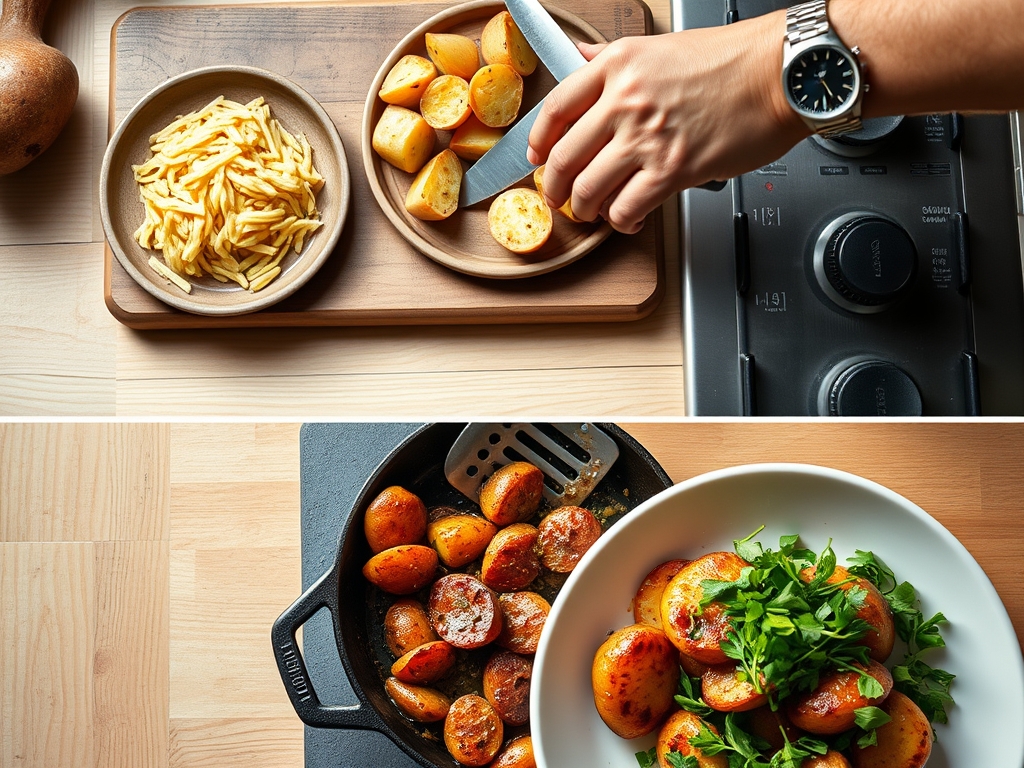
The Masterclass:
1. The Precision Dice
Uniformity is not just for aesthetics; it is a thermodynamic necessity. Use your bench scraper to clear your board as you cut the potatoes into 1/2-inch cubes. Smaller surface area means faster heat penetration to the core.
Pro Tip: This prevents enzymatic browning, which occurs when oxygen hits the cut surface. If you are not hitting the pan immediately, toss the cubes in a bowl of cold water to rinse away excess surface starch for a crispier finish.
2. The Cold-Start Searing
Place your potatoes in a heavy-bottomed skillet with your oil before turning on the heat. This allows the fat to penetrate the outer layer as the pan warms up, creating a non-stick barrier.
Pro Tip: Cold-starting prevents the "thermal shock" that can cause the outside to burn before the inside softens. It ensures a more even distribution of heat across the viscous fat layer.
3. The Steam-Lock Phase
Cover the skillet with a tight-fitting lid for the first five minutes of cooking. This traps the internal moisture of the potatoes, creating a localized steam chamber that par-cooks the centers.
Pro Tip: This utilizes latent heat of vaporization. By steaming first, you break down the pectin in the cell walls without needing a separate pot of boiling water.
4. The Aromatics Infusion
Once the potatoes are fork-tender, remove the lid and add your smashed garlic and woody herbs. Use tongs to move the aromatics around, ensuring they flavor the oil without scorching.
Pro Tip: This is a lipid-based infusion. The essential oils in the herbs are fat-soluble; by flavoring the cooking oil, you ensure every millimeter of the potato is seasoned.
5. The Aeration Toss
As the moisture evaporates, start tossing the potatoes vigorously. Use a saucier or a flick of the wrist to keep them moving. This ensures every side contacts the hot metal.
Pro Tip: Constant movement encourages evaporative cooling on the surface, which allows you to use higher heat for a thicker, crunchier crust without internal overcooking.
6. The Acidic Deglaze
Just before pulling the pan off the heat, add a teaspoon of lemon juice or apple cider vinegar. The liquid will hiss and lift any caramelized bits (fond) from the bottom of the pan.
Pro Tip: This creates a pan sauce emulsion. The acid cuts through the richness of the fat, brightening the flavor profile and balancing the heavy starches.
7. The Microplane Finish
Remove from heat and use a microplane to grate fresh Parmesan or lemon zest over the hot potatoes. The residual heat will melt the cheese into the nooks and crannies.
Pro Tip: This relies on thermal carryover. The potatoes continue to cook for 60 seconds after leaving the pan; adding delicate toppings now prevents them from burning while maximizing their aroma.
The Deep Dive:
When we look at the macro nutrition of potato recipes on the stove, a medium serving provides roughly 150 calories, primarily from complex carbohydrates, with zero cholesterol. For those on a Vegan path, swap butter for a high-quality olive oil or coconut oil. If you are Keto, consider swapping half the potatoes for radishes, which lose their peppery bite and mimic the potato texture perfectly when pan-seared.
The Fix-It:
- Soggy Potatoes: Usually caused by overcrowding the pan. If the potatoes are touching, they steam instead of sear. Solution: Cook in two batches or use a larger skillet.
- Burnt Garlic: Added too early. Solution: Always add aromatics in the final 5 minutes of the process.
- Sticking to Pan: The pan wasn't hot enough before the "browning phase" began. Solution: Increase heat once the lid is removed and wait for the potatoes to naturally release from the surface.
Meal Prep Science: To reheat, avoid the microwave, which turns starch into a rubbery mess. Instead, use a dry skillet over medium heat. This re-activates the fats and recrisps the exterior, returning them to "day-one" quality in under three minutes.
The Wrap-Up:
Mastering potato recipes on the stove is like learning a magic trick that actually tastes good. By combining the physics of steam with the chemistry of the Maillard reaction, you have transformed a basic root vegetable into a sophisticated culinary highlight. You have the tools, you have the science, and most importantly, you have the speed. Now, grab that skillet and show those potatoes who is boss. Your kitchen is about to become the most popular spot in the house.
The Kitchen Table:
How do I make stovetop potatoes extra crispy?
Rinse the cut potatoes in cold water to remove excess surface starch; then pat them completely dry. Use a heavy-bottomed skillet and avoid stirring for the first three minutes to allow a solid crust to form through direct heat contact.
Can I use Russet potatoes for stovetop recipes?
Yes, but be careful. Russets are starchy and tend to fall apart. To succeed, cut them into larger chunks and use a bit more oil to create a protective fried shell that holds the fluffy interior together during tossing.
What is the best oil for frying potatoes on the stove?
Choose an oil with a high smoke point like avocado, grapeseed, or clarified butter. These fats can withstand the high temperatures required for browning without breaking down into acrid, smoky compounds that ruin the potato's delicate flavor.
Why are my stovetop potatoes soft instead of crunchy?
Softness usually stems from trapped steam. If you keep the lid on the pan for too long or overcrowd the skillet, the moisture cannot escape. Remove the lid halfway through and ensure potatoes have space to breathe and sear.