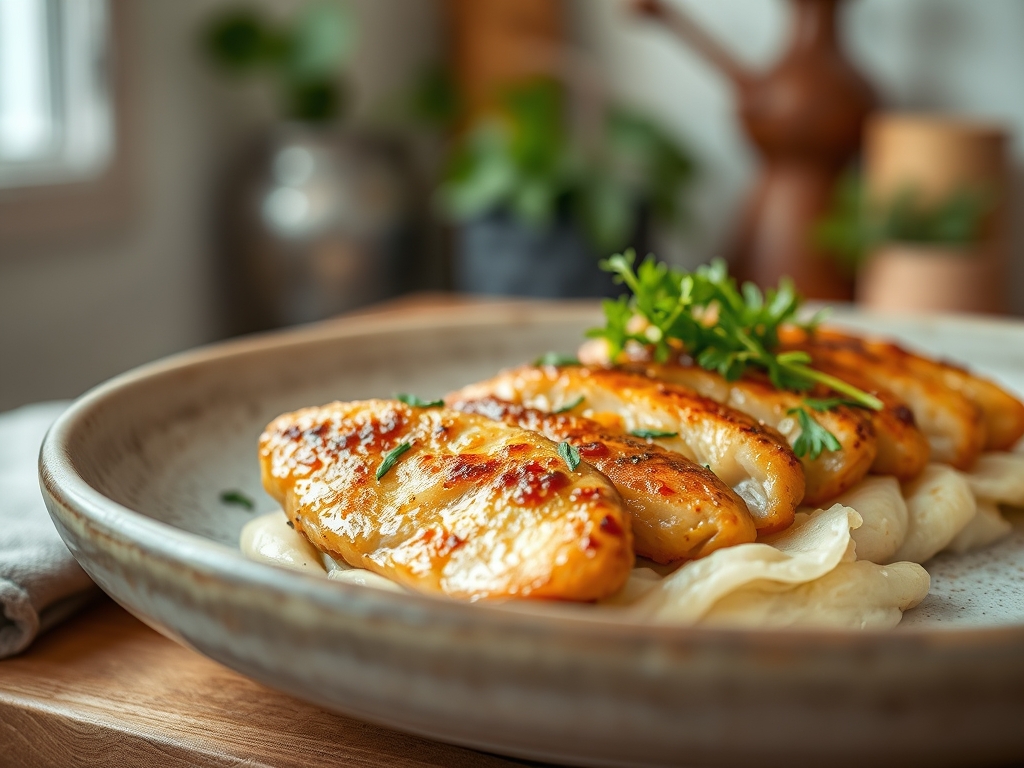
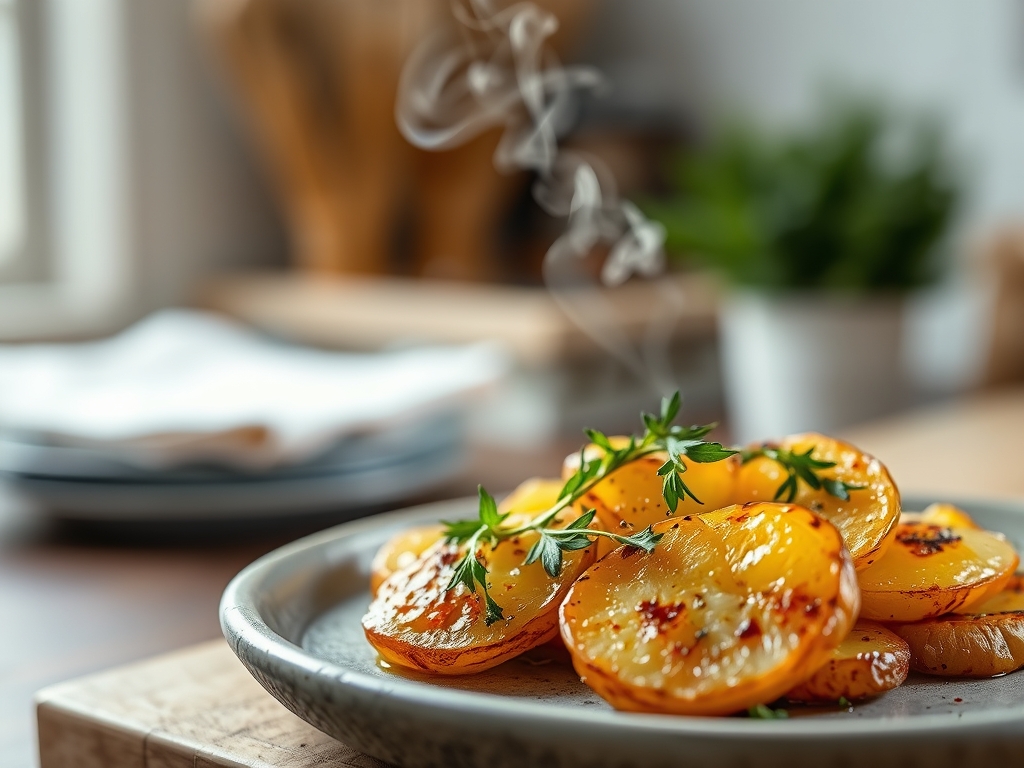
Picture the sound of a heavy-bottomed skillet meeting the stovetop and the sharp, earthy scent of rosemary hitting hot fat. We are chasing that elusive, glass-shattering exterior and a center so fluffy it feels like a cloud. Mastering easy and delicious potato recipes is not just about luck; it is about manipulating starch and moisture to create culinary gold for your family.
The humble potato is a biological masterpiece of energy storage. When we apply heat, we are not just cooking; we are triggering a series of chemical transformations that turn a dense tuber into a gourmet side dish. Whether you are aiming for a velvet-smooth mash or a roastie with a tectonic crunch, the secret lies in understanding how heat interacts with cell walls. We are going to move past the basic boil and dive into the mechanics of the perfect spud. Grab your favorite apron and clear some counter space. We are about to elevate your dinner game with six secrets that bridge the gap between home cooking and professional gastronomy.
The Gathers:
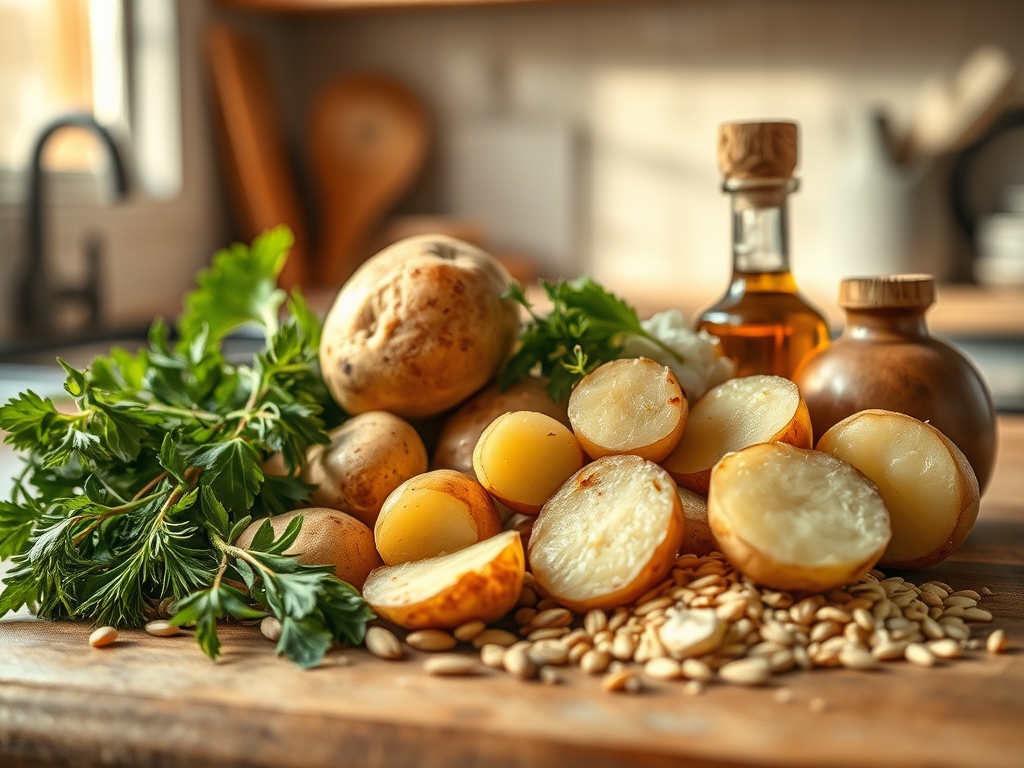
Before we ignite the burners, we must assemble our laboratory. For the ultimate result, select high-starch varieties like Russets for fluffiness or waxy Yukon Golds for a buttery, viscous mouthfeel. You will need a digital scale to ensure precision; weight is always more accurate than volume when dealing with irregularly shaped tubers. Prepare your mise-en-place with cold, unsalted butter, heavy cream with at least thirty-six percent milkfat, and kosher salt for its jagged crystal structure that clings to surfaces.
Smart Substitutions:
If you are looking to lighten the profile without losing the piquant edge, swap heavy cream for a full-fat Greek yogurt to introduce acidity. For those avoiding dairy, a high-quality extra virgin olive oil can be used to emulsify the starches, though the flavor profile will shift from lactic sweetness to a grassy, peppery finish. If you lack fresh herbs, infused oils are a potent way to distribute flavor evenly across the dish.
The Clock
Efficiency in the kitchen is about the "Chef's Flow." This is the art of overlapping tasks so that no second is wasted. Total preparation time for these secrets is approximately fifteen minutes, while active cooking spans forty-five minutes.
The flow begins with the "Cold Start" method. By placing potatoes in cold water and bringing them to a boil together, you ensure the exterior does not turn to mush before the core reaches the ideal temperature. While the potatoes simmer, use this window to render fat or infuse your aromatics. This prevents the frantic rush at the end of the recipe. A bench scraper is your best friend here; use it to clear your station rapidly, keeping your workspace pristine and your mind focused on the thermal transitions happening inside the pot.
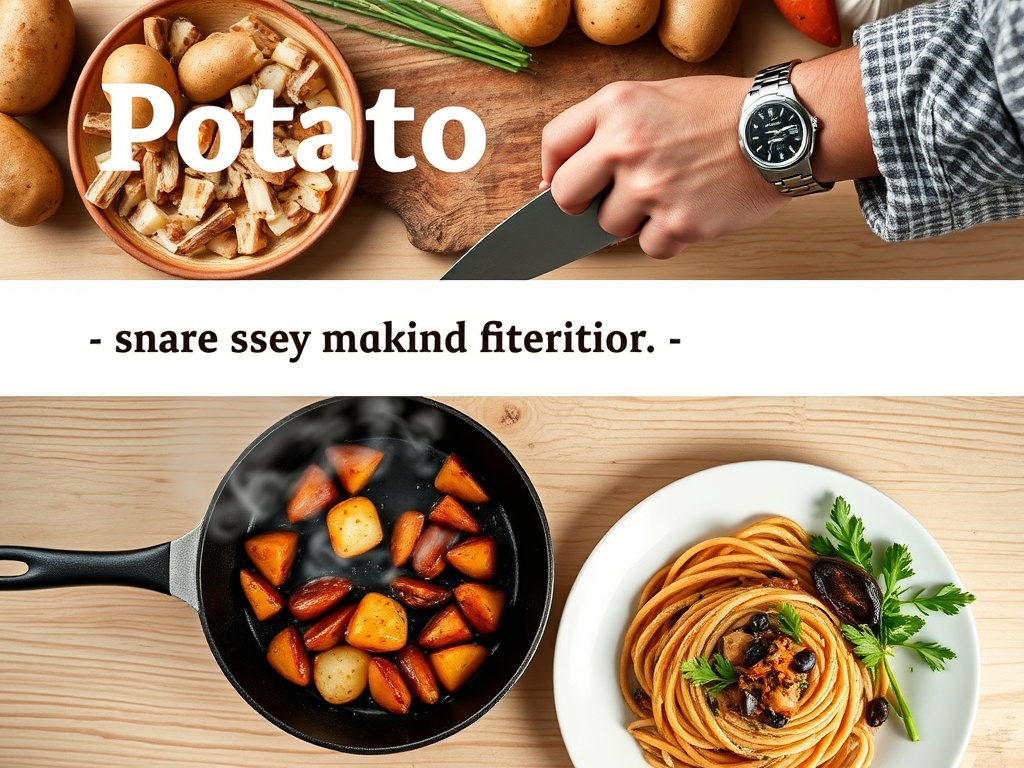
The Masterclass
1. The Parboil and Rough-Up
Start by simmering your potato chunks in heavily salted water until the edges are just tender. Drain them and give the colander a vigorous shake to scuff the surface. This creates a starchy paste on the exterior.
Pro Tip: This technique increases the surface area for the Maillard reaction. By creating "fuzz" on the potato, you provide more sites for amino acids and reducing sugars to brown, resulting in a thicker, crunchier crust.
2. The Alkaline Bath
Add a half-teaspoon of baking soda to your boiling water. This raises the pH level of the water, which breaks down the pectin in the potato skin more effectively.
Pro Tip: This is a lesson in pectin depolymerization. An alkaline environment weakens the cellular glue of the potato, allowing the surface to become incredibly starchy and porous, which leads to an unparalleled crunch after roasting.
3. The Fat Infusion
Never use cold oil. Heat your roasting pan in the oven with duck fat or tallow until it is shimmering. Carefully toss your parboiled potatoes into the hot fat using metal tongs to ensure every millimeter is coated.
Pro Tip: This prevents thermal shock and ensures immediate searing. When the potato hits the hot fat, the moisture on the surface evaporates instantly, creating a steam barrier that prevents the oil from soaking into the center and making it greasy.
4. The Microplane Magic
For mashed varieties, never use a blender. Use a ricer or a food mill to aerate the potatoes into fine ribbons. Once processed, use a microplane to zest in a hint of garlic or nutmeg directly into the steaming pile.
Pro Tip: Blenders shear the starch granules, releasing amylose which turns the mixture into a gluey, elastic paste. A ricer keeps the granules intact, preserving a light, fluffy texture that holds pockets of butter.
5. The Butter Emulsification
When incorporating fats into mash, the temperature is vital. Whisk cold, cubed butter into hot potatoes one piece at a time using a saucier or a stiff spatula.
Pro Tip: This creates a fat-in-water emulsion. By adding cold fat to a hot starch, you create a stable suspension that coats the tongue, rather than a broken sauce where the oil separates and pools at the bottom of the bowl.
6. The Carryover Rest
Once your potatoes are golden and crisp, remove them from the oven and let them rest on a wire rack for three minutes before serving.
Pro Tip: This accounts for thermal carryover. The internal steam continues to cook the center while the exterior air-dries. Resting on a rack prevents steam from being trapped underneath, which would otherwise soften your hard-earned crust.
The Deep Dive
From a macro nutrition perspective, potatoes are a powerhouse of potassium and complex carbohydrates. They are naturally gluten-free and can be easily adapted for vegan diets by substituting animal fats with avocado oil or coconut manna. For those on a keto path, consider substituting half the potatoes with cauliflower to lower the net carb count while maintaining the textural illusion of a classic mash.
The Fix-It:
- Gluey Mash: If you over-processed the starch, spread it in a baking dish, top with cheese, and bake. The dry heat will help set the excess amylose into a gratin-style texture.
- Burnt Bottoms: If the roasting pan is too hot, deglaze the pan with a splash of vegetable stock. The steam will lift the potatoes without stripping the crust.
- Soggy Roasties: This usually means the oven temperature was too low. Crank the heat to 450 degrees Fahrenheit for the last five minutes to flash-dry the exterior.
Meal Prep Science: To reheat and maintain "day-one" quality, avoid the microwave. The microwave vibrates water molecules, which turns the starch soft. Instead, use an air fryer or a hot skillet to re-crisp the edges and gelatinize the fats once more.
The Wrap-Up
You are now armed with the molecular secrets to turn a simple root vegetable into the star of the show. By controlling pH levels, managing starch release, and respecting the power of the Maillard reaction, your easy and delicious potato recipes will become the stuff of family legend. Cooking is a beautiful blend of art and physics; once you understand why things happen, you gain the freedom to experiment. So, grab your tongs and start roasting. Your kitchen is your lab, and dinner is the ultimate reward.
The Kitchen Table
Why are my roasted potatoes always soft?
Softness usually results from trapped steam. Ensure you do not crowd the roasting pan. Use a large heavy-bottomed skillet or sheet tray to allow moisture to evaporate freely, ensuring the exterior can dehydrate and crisp properly.
Can I prep potatoes ahead of time?
Yes. Peel and cut them, then submerge them completely in cold water in the fridge. This prevents enzymatic browning, a reaction where oxygen turns the potato gray or brown. Use them within twenty-four hours for best results.
What is the best fat for roasting?
Animal fats like duck fat or beef tallow have high smoke points and incredible flavor. For a plant-based option, use avocado oil or refined coconut oil, as they withstand high temperatures without breaking down or smoking.
How do I get the fluffiest mashed potatoes?
Use a ricer to avoid overworking the starch. Incorporate your fats while the potatoes are piping hot. This ensures the butter melts and emulsifies perfectly with the potato solids, creating a light, aerated texture rather than a heavy paste.