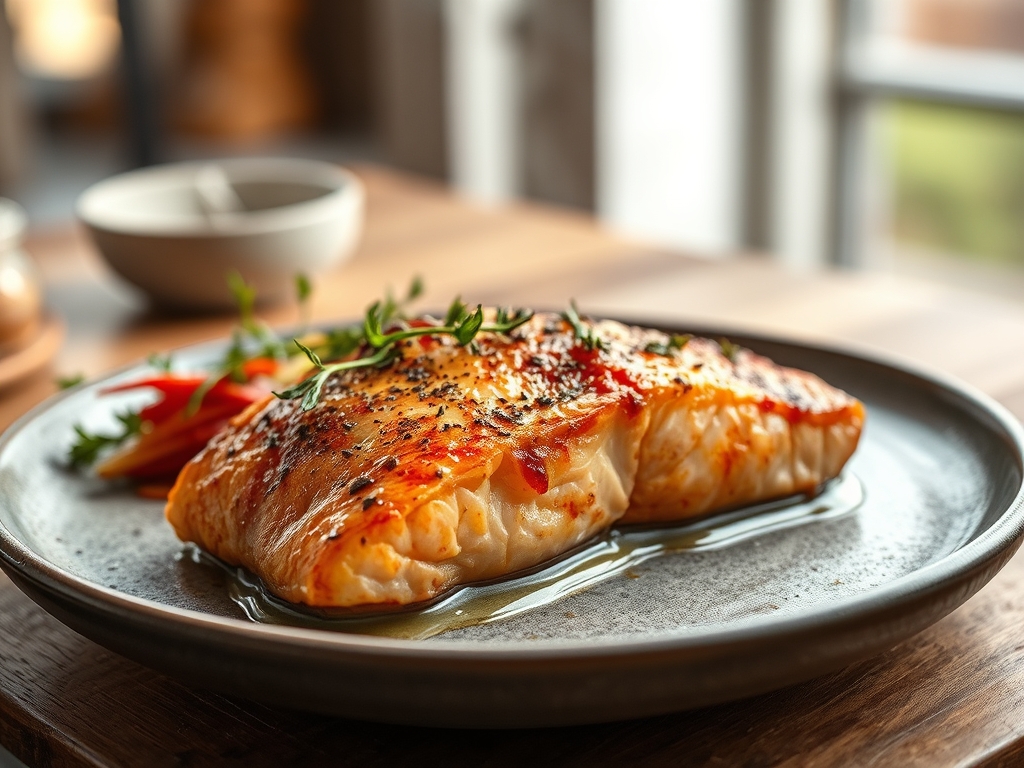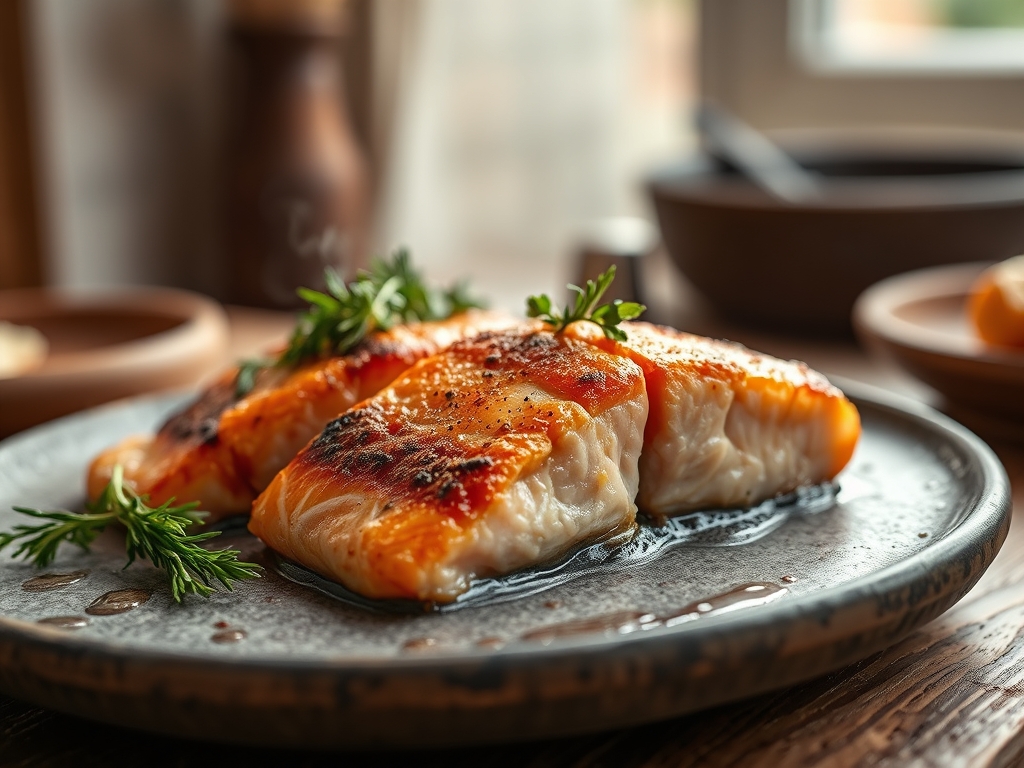
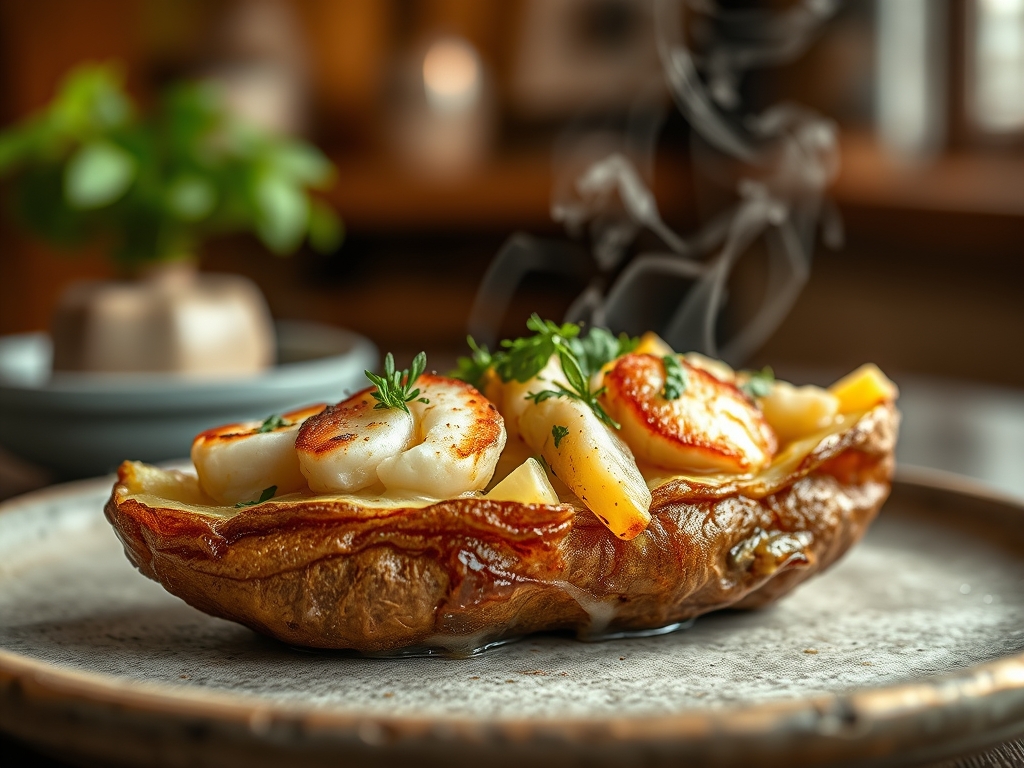
Imagine the scent of salt air meeting the earthy, grounding aroma of a Russet potato roasting at high heat. The skin is crackling under a thin veil of sea salt while the interior transforms into a cloud of starch. When you slice it open, a plume of steam carries the piquant fragrance of garlic butter and sweet blue crab. Mastering seafood baked potato recipes is about more than just piling toppings on a spud; it is a delicate dance of textures where the oceanic brine of shrimp and scallops meets the velvety richness of a properly aerated potato mash. It is the ultimate luxury comfort food, transforming a humble root vegetable into a vessel for the finest treasures of the sea.
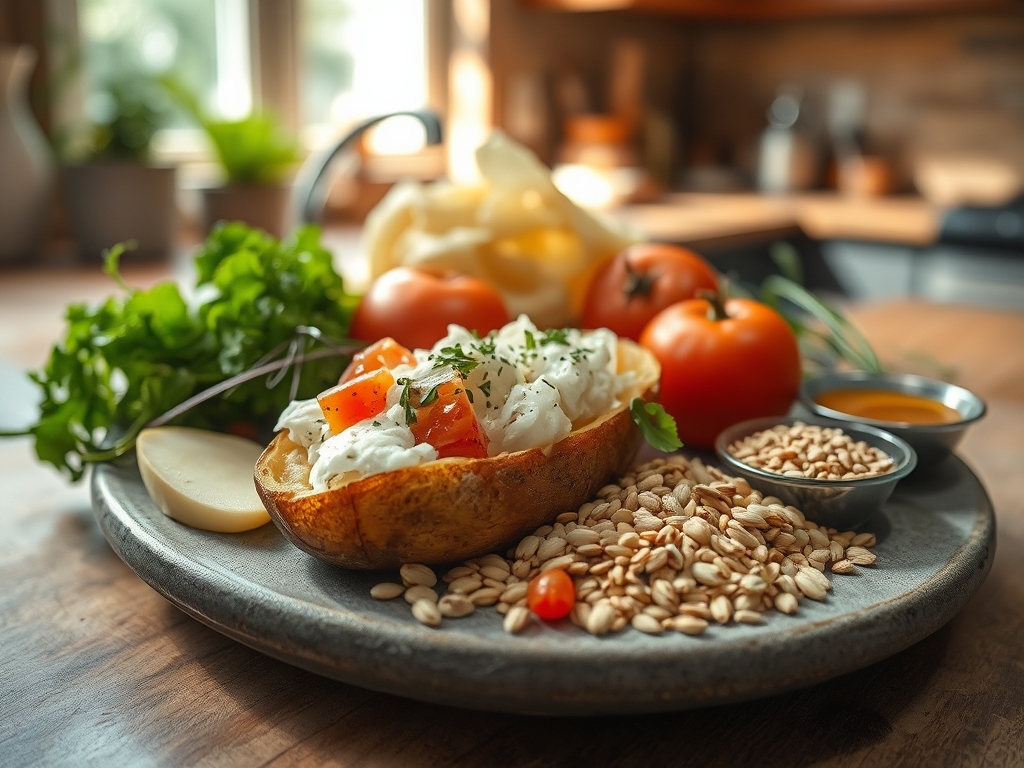
The Gathers:
To achieve a restaurant-grade result, your mise-en-place must be precise. Start with large Russet potatoes; their high starch content (amylose) is essential for that fluffy, light-as-air texture. For the seafood, gather cold-water lobster tails, jumbo shrimp, or lump crab meat. You will need high-fat European butter (at least 82 percent butterfat) to ensure a viscous, silky mouthfeel when emulsified into the potato flesh.
Fresh aromatics are non-negotiable. Use a microplane to zest a lemon and grate fresh garlic into a paste. This maximizes surface area, allowing the essential oils to infuse the butter without leaving chunky, bitter bits of raw garlic. For the liquid element, heavy cream and a splash of dry Sherry will provide the acidity needed to cut through the lipids.
Smart Substitutions: If you cannot find lump crab, high-quality bay scallops are a fantastic alternative. For a lighter version, swap the heavy cream for full-fat Greek yogurt to maintain the tang and protein profile without the caloric density of cream. If you are avoiding nightshades, large Japanese sweet potatoes (Satsumaimo) offer a dense, creamy base that pairs beautifully with spicy shrimp.
The Clock
The total commitment for this culinary project is approximately 75 minutes. The "Chef's Flow" is critical here: you are not working linearly. While the potatoes undergo their 60-minute transformation in the oven, you have a 45-minute window to prepare your seafood components and "The Sauce."
The first 10 minutes are dedicated to scrubbing and seasoning the potatoes. The middle 40 minutes are for shelling, deveining, and prepping the aromatics. The final 15 minutes are high-intensity; this is when you render the butter, sear the seafood, and perform the final assembly. Timing is everything to ensure the seafood remains succulent rather than rubbery.
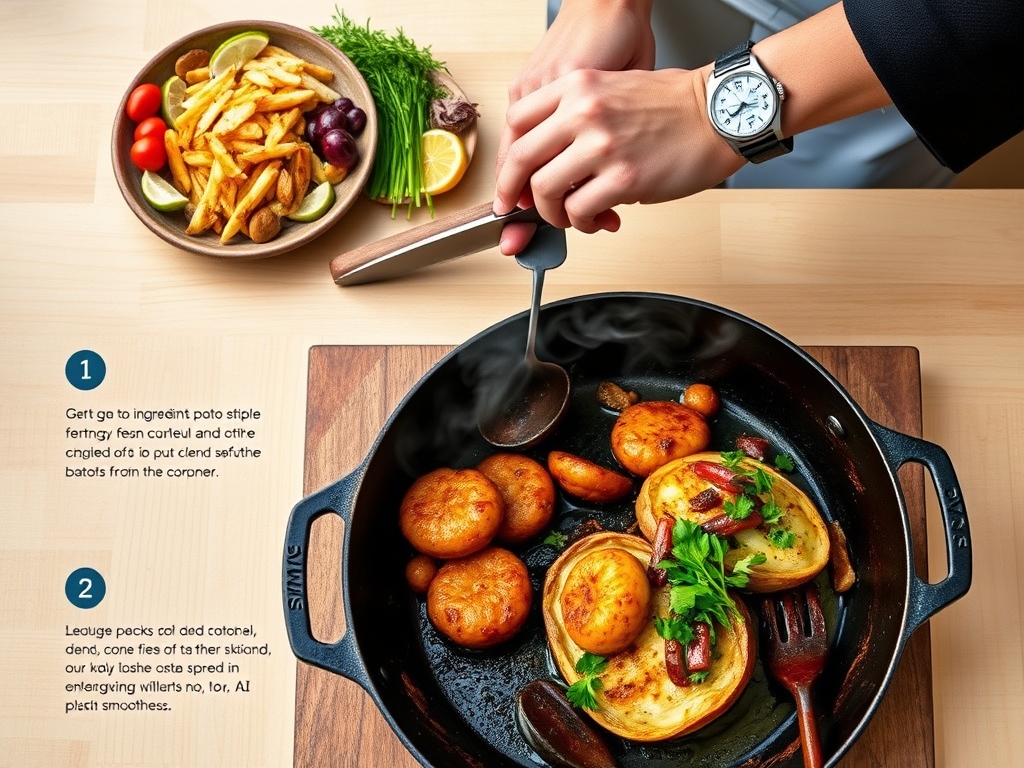
The Masterclass
1. The High-Heat Roast
Scrub your potatoes and dry them meticulously. Moisture is the enemy of a crispy skin. Rub the skins with avocado oil (which has a high smoke point) and a generous amount of kosher salt. Place them directly on the oven rack at 425 degrees Fahrenheit.
Pro Tip: This high heat triggers the Maillard reaction on the skin while forcing the internal moisture to evaporate, creating a "fluffier" cell structure. Using a digital scale to pick potatoes of equal weight ensures they reach the ideal internal temperature of 210 degrees Fahrenheit simultaneously.
2. The Precision Sear
While the potatoes roast, pat your shrimp and scallops dry with paper towels. Heat a heavy-bottomed skillet until it is shimmering. Add a neutral oil and sear the seafood in batches. Do not crowd the pan, or the temperature will drop and the seafood will steam rather than sear.
Pro Tip: Use tongs to flip the seafood the moment it releases naturally from the pan. This indicates that the proteins have denatured and formed a savory crust. Thermal carryover will finish the cooking process once you remove them from the heat, so pull them when they are just slightly underdone.
3. The Saucier Reduction
In a small saucier, melt your butter over medium-low heat. Add the garlic paste and shallots, cooking until translucent. Deglaze the pan with a splash of Sherry, scraping up the browned bits (fond) from the bottom. Whisk in heavy cream and simmer until the sauce coats the back of a spoon.
Pro Tip: This is a reduction process that increases the viscosity of the sauce. By simmering, you are evaporating water and concentrating the flavors, ensuring the sauce clings to the potato rather than pooling at the bottom.
4. The Aeration Phase
Once the potatoes are done, slice them open immediately. Use a fork to fluff the insides, being careful not to puncture the skin. Add a knob of butter and a splash of warm cream to the potato flesh.
Pro Tip: You want to aerate the potato starch while it is hot. If the potato cools, the starches begin to "retrograde," turning gummy and dense. Working quickly while the steam is escaping preserves the delicate, crystalline structure of the starch granules.
5. The Seafood Integration
Fold half of your seafood and a handful of chopped chives into the fluffed potato. Top with the remaining seafood pieces to create a visually stunning, piled-high effect.
Pro Tip: Mixing some seafood into the potato ensures every bite has a protein-to-starch balance. This technique utilizes the potato as an insulator, keeping the internal seafood warm while you garnish the top.
6. The Final Broil
Top the potatoes with a dusting of smoked paprika and a sprinkle of Gruyere or white cheddar. Place them under the broiler for 2 to 3 minutes until the cheese is bubbling and golden.
Pro Tip: This brief exposure to intense overhead heat creates a secondary layer of flavor through caramelization. Use a bench scraper to easily transfer the hot potatoes from the baking sheet to your serving plates without tearing the skins.
The Deep Dive
Macro Nutrition: A standard seafood baked potato is a powerhouse of nutrition. You are getting high-quality protein from the shellfish, complex carbohydrates from the potato, and essential potassium. To keep it balanced, focus on the ratio: aim for 4 ounces of seafood per potato.
Dietary Swaps: For a Keto version, ditch the potato and use the seafood and cream sauce over roasted cauliflower florets. For a Vegan alternative, use "King Oyster Mushroom scallops" seared in olive oil and a cashew-based cream sauce. For Gluten-Free diners, this recipe is naturally safe, provided your Sherry or thickeners are certified GF.
The Fix-It:
- Gummy Potato: This happens if you over-mash or use a food processor. Fix it by folding in some crispy panko breadcrumbs to add manual texture.
- Rubbery Shrimp: You overcooked them. Fix it by chopping them into smaller pieces and folding them into the warm sauce to re-hydrate them.
- Bland Base: The potato needs salt at every stage. If it tastes flat, add a squeeze of lemon juice to brighten the fats.
Meal Prep & Reheating: To maintain "day-one" quality, store the seafood and the potato separately. Reheat the potato in an air fryer at 350 degrees to recrisp the skin. Warm the seafood gently in a pan with a teaspoon of water to prevent drying out.
The Wrap-Up
Creating the perfect seafood baked potato is a rewarding exercise in culinary layering. By focusing on the science of starch aeration and the precision of the seafood sear, you elevate a simple dinner into a gourmet event. Remember to respect your ingredients, watch your temperatures, and never skimp on the butter. Now, grab your tongs and get roasting!
The Kitchen Table
Which potato is best for seafood baked potato recipes?
The Russet Burbank is the gold standard. Its high starch content ensures a dry, fluffy interior that absorbs the seafood butter perfectly. Avoid waxy potatoes like Red Bliss, as they become heavy and gummy when mashed with cream.
How do I prevent the seafood from getting tough?
The secret is to sear the seafood separately and add it at the very end. Only use the oven for the final 2-minute cheese melt. Over-exposure to heat causes the delicate proteins in shrimp and crab to tighten and toughen.
Can I use frozen seafood for this recipe?
Yes, but you must thaw it completely and pat it bone-dry. Frozen seafood often carries excess water which will steam the meat instead of searing it, leading to a lackluster texture and diluted flavor in your sauce.
What is the best way to clean the potato skins?
Use a stiff vegetable brush under cold running water. Do not soak them, as the skin can absorb water and prevent crisping. Dry them thoroughly with a lint-free towel before applying oil and salt for the roast.