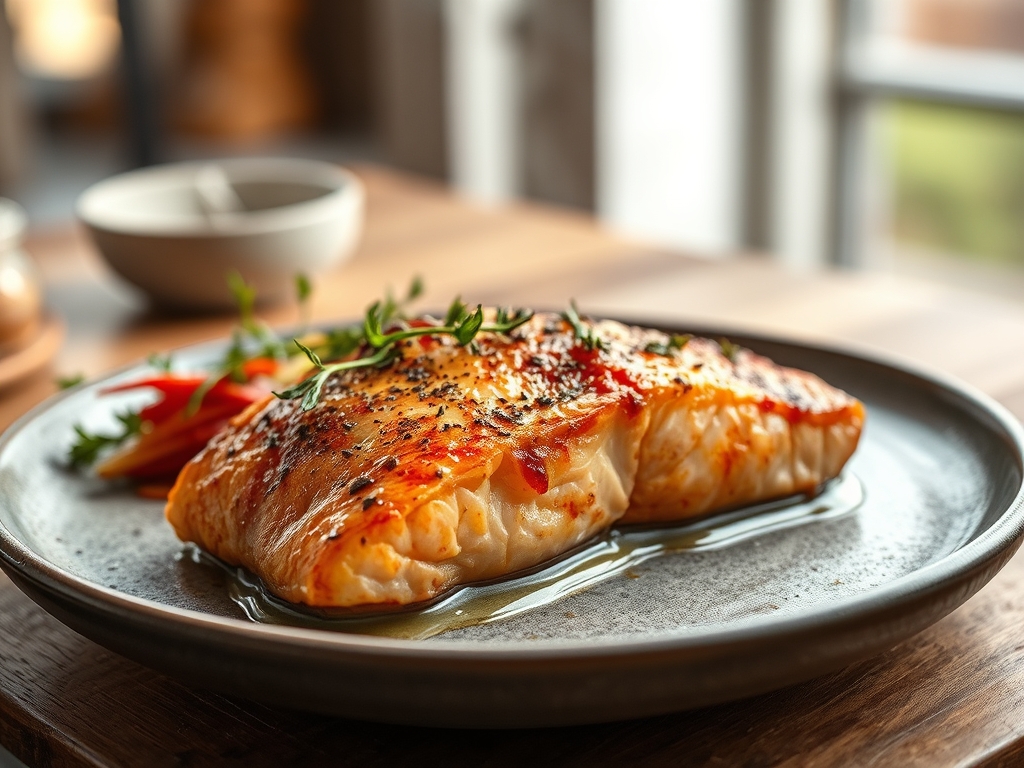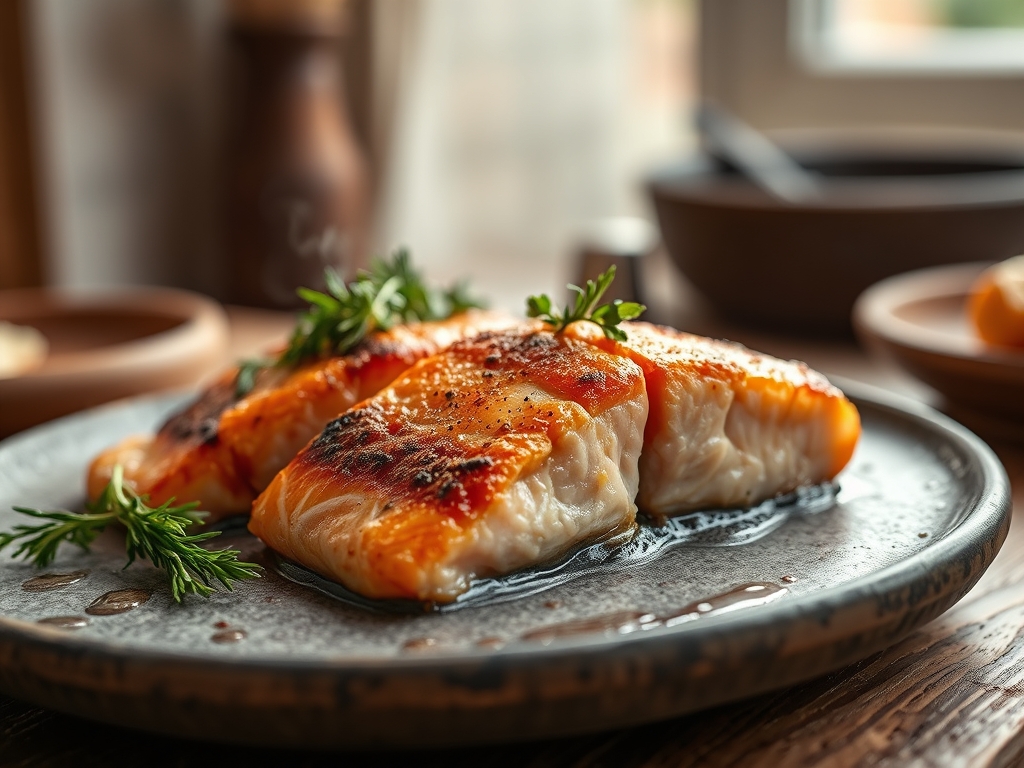
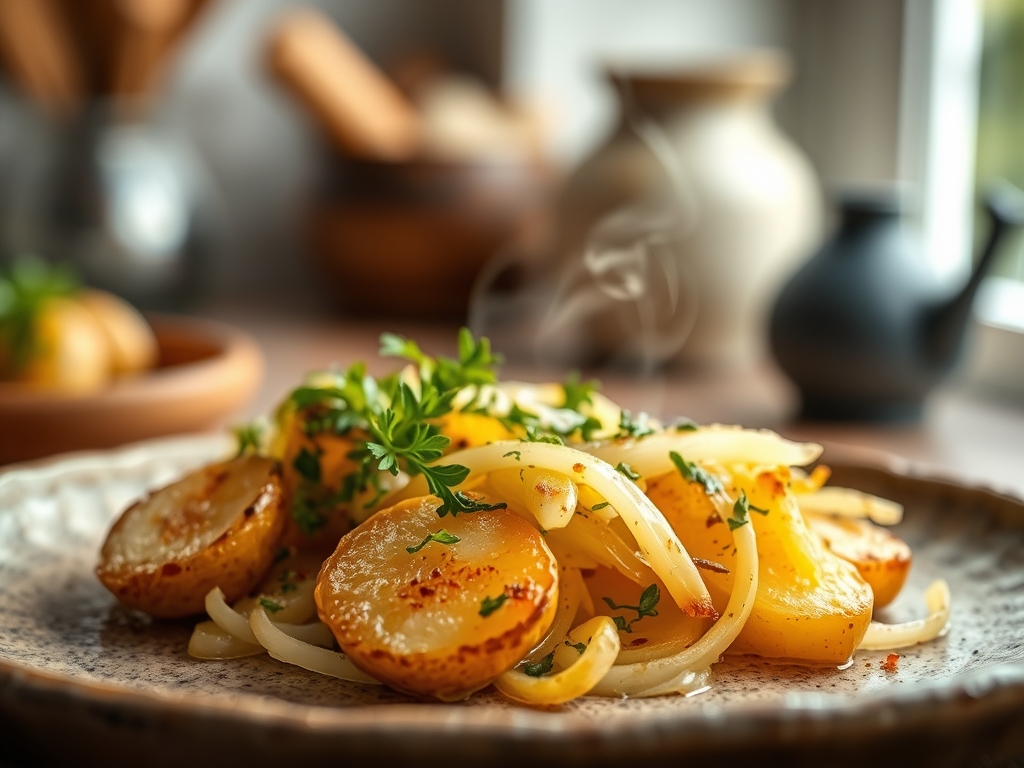
Picture a kitchen where the sharp, medicinal scent of raw anise collides with the earthy, grounding aroma of a freshly scrubbed Russet. It is a sensory tug of war that settles into a perfect harmony once heat enters the equation. If you have been searching for fennel potato recipes that transcend the basic side dish, you are in the right place. We are moving beyond the bland and into the realm of high-impact aromatics. This combination is a masterclass in flavor balancing; the sweetness of caramelized fennel bulbs acts as the perfect foil to the starchy, buttery crumb of a well roasted potato.
Most home cooks treat fennel as a garnish or a scary bulb they avoid in the produce aisle. We are changing that narrative today. By leveraging the specific chemical compounds in these two ingredients, we can create dinners that feel like five-star bistro fare but require only a single heavy-bottomed skillet and a bit of technique. Whether you are craving a silky gratin or a crispy hash, these fennel potato recipes rely on the science of heat to transform tough fibers into melt-in-your-mouth gold. Grab your apron; we are about to make your kitchen smell like a Parisian sidewalk cafe.
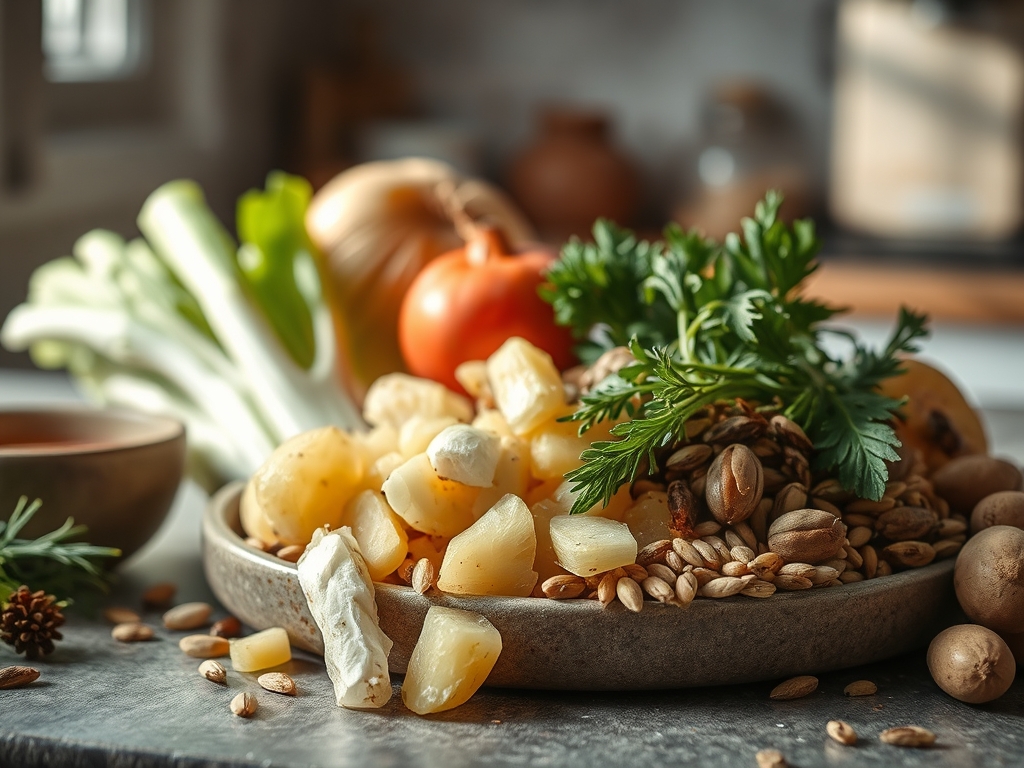
The Gathers:
To execute these fennel potato recipes with precision, your mise-en-place must be impeccable. Start with the potatoes. For roasting, choose Yukon Golds for their high sugar content and waxy texture; for mashes or gratins, go for Russets to ensure maximum starch absorption. Your fennel should be heavy for its size with bright green, feathery fronds.
You will also need a high-quality fat source. Ghee or clarified butter is ideal here because it has a higher smoke point than whole butter, allowing you to achieve a deep Maillard reaction without burning the milk solids. Keep a microplane nearby for zesting lemon and grating fresh nutmeg; these piquant additions cut through the starch. For liquids, a dry white wine like Sauvignon Blanc is essential to deglaze your pan and lift those savory browned bits.
Smart Substitutions: If you cannot find fresh fennel, a teaspoon of toasted fennel seeds crushed in a mortar and pestle can mimic the aroma, though you will lose the structural bulk. For a vegan twist, swap heavy cream for full-fat coconut milk spiked with a dash of nutritional yeast to maintain that viscous mouthfeel. If you are watching carbs, substitute half the potatoes with celery root (celeriac) to keep the earthy profile while lowering the glycemic load.
The Clock
Efficiency in the kitchen is about the Chef's Flow. This is the art of overlapping tasks so that no minute is wasted. For most of these fennel potato recipes, your active prep time will be roughly 20 minutes. This includes washing, trimming the stalks, and using a bench scraper to clear your board.
The cooking phase usually spans 40 to 50 minutes. While the potatoes undergo gelatinization in the oven or on the stove, you should be preparing your proteins or whisking together a bright vinaigrette. Always allow for a 10 minute resting period before serving. This allows the internal temperature to stabilize and ensures that any sauces or fats can emulsify properly rather than running off the plate.
The Masterclass
1. The Precision Cut
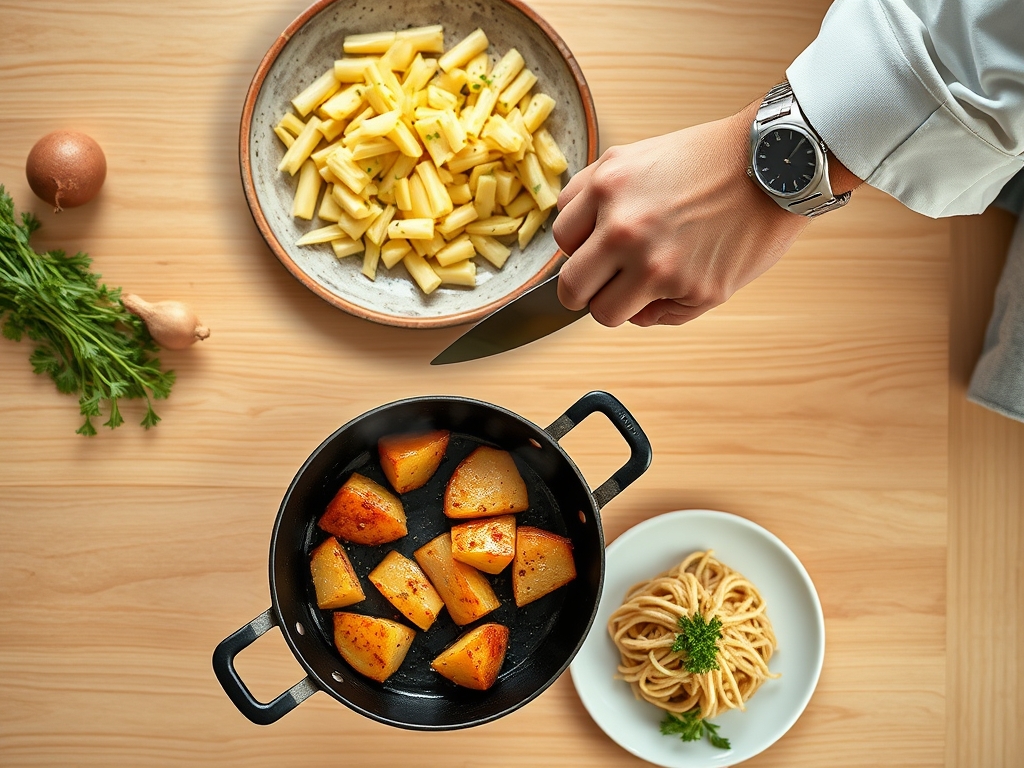
Use a sharp chef's knife or a mandoline to slice the fennel and potatoes into uniform 1/8 inch rounds. Consistency is not just for aesthetics; it ensures that every piece reaches the desired internal temperature at the exact same moment.
Pro Tip: This prevents enzymatic browning. By keeping your sliced potatoes in a bowl of cold water, you wash away excess surface starch and prevent oxygen from discoloring the flesh.
2. The Searing Phase
Heat your heavy-bottomed skillet over medium-high heat. Add your fat and wait until it shimmers. Lay the fennel slices in a single layer to maximize surface contact. Do not crowd the pan, or you will steam the vegetables instead of searing them.
Pro Tip: This triggers the Maillard reaction. The amino acids and reducing sugars react under high heat to create hundreds of different flavor compounds that give the fennel its nutty, savory edge.
3. Infusing the Aromatics
Once the fennel is golden, add your potatoes and aromatics like smashed garlic cloves or thyme sprigs. Use tongs to toss the mixture, ensuring every slice is coated in the flavored fat.
Pro Tip: Fat is a flavor carrier. The essential oils in the fennel (anethole) are fat-soluble, meaning they will infuse into the oil and then be absorbed by the porous structure of the potatoes.
4. The Deglaze
Pour in half a cup of white wine or vegetable stock. Use a wooden spoon to scrape the bottom of the pan, releasing the fond (the stuck-on browned bits).
Pro Tip: This is an acid-base balance. The acidity in the wine breaks down the tough pectin in the fennel stalks, resulting in a more tender texture while brightening the overall flavor profile.
5. The Slow Roast or Simmer
Transfer the skillet to a 400 degree Fahrenheit oven or lower the heat to a simmer on the stovetop. Cover the pan for the first ten minutes to trap steam, then uncover to allow the liquid to reduce into a viscous glaze.
Pro Tip: This utilizes thermal carryover. Even after you remove the pan from the heat, the internal temperature will continue to rise by about five degrees, finishing the cooking process gently.
The Deep Dive
When we look at the macro nutrition of these fennel potato recipes, we see a powerhouse of potassium and Vitamin C. Fennel is also a fantastic source of fiber and contains unique phytonutrients that aid digestion. To keep things light, focus on roasting with olive oil. If you are going for a decadent weekend dinner, don't shy away from the heavy cream; it creates a luxurious emulsion with the potato starch.
The Fix-It:
- Soggy Vegetables: This usually happens because the pan was overcrowded. To fix, spread the ingredients onto a preheated baking sheet and blast them at 425 degrees for five minutes to evaporate excess moisture.
- Bitter Fennel: If the fennel tastes too sharp, it may be undercooked. Add a splash of honey or maple syrup to the pan; the sugar will counteract the bitterness.
- Broken Sauce: If your cream sauce looks oily, it has "split." Remove from heat and whisk in a tablespoon of cold water or a splash of fresh cream to re-emulsify the mixture.
Meal Prep Science: To reheat and maintain "day-one" quality, avoid the microwave. The microwave agitates water molecules, which can make the potatoes gummy. Instead, use a toaster oven or a skillet. Adding a teaspoon of water and covering the pan will create a mini steam chamber that rehydrates the starches without making them mushy.
The Wrap-Up
Mastering fennel potato recipes is like learning a new language in the kitchen. It is about understanding how the crisp, cool nature of a bulbous vegetable can be tamed by the comforting, reliable potato. You have the tools, the science, and the techniques to turn a simple weeknight into a culinary event. Go ahead and get that skillet screaming hot. Your taste buds will thank you for the sophisticated, aromatic journey you are about to take them on.
The Kitchen Table
Can I use the fennel stalks and fronds?
Yes. The stalks are fibrous but great for flavoring stocks. The fronds should be used like an herb; chop them finely and sprinkle them over the finished dish to add a fresh, citrus-like finish and visual pop.
Why are my potatoes still hard after baking?
This usually occurs if the potatoes were sliced too thick or if there was too much acid (like lemon juice) added too early. Acid can prevent the starch granules from softening. Ensure uniform slices and add acid toward the end.
What is the best way to store leftover fennel?
Wrap the raw bulb tightly in a damp paper towel and place it in a perforated plastic bag in the crisper drawer. This maintains the humidity levels needed to keep the bulb turgid and prevents it from becoming woody.
Does fennel lose its licorice taste when cooked?
Mostly. The intense anise flavor mellows significantly when heated. It transforms into a subtle, vegetal sweetness that complements savory ingredients without overpowering them. This makes it much more palatable for those who dislike raw licorice.