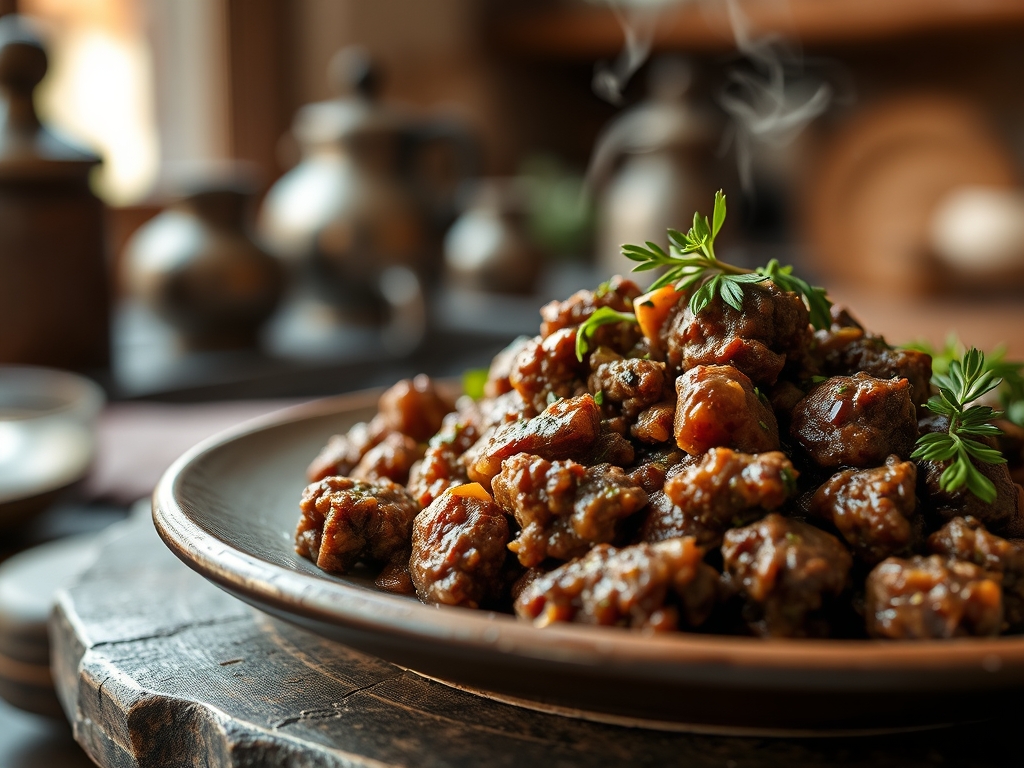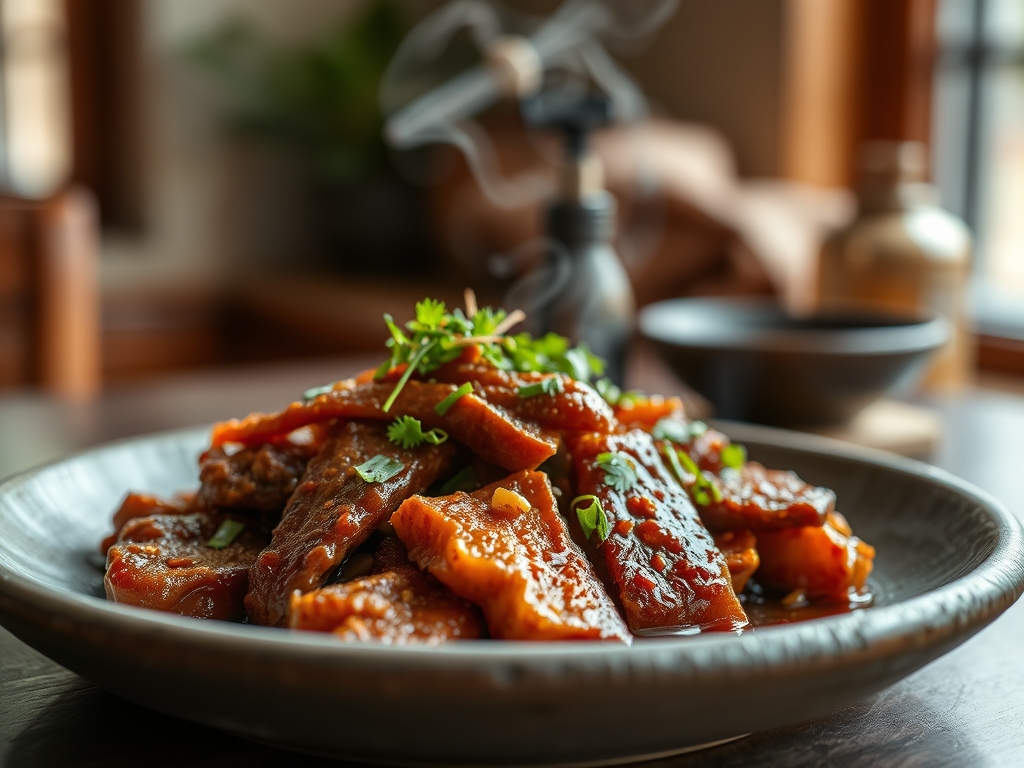
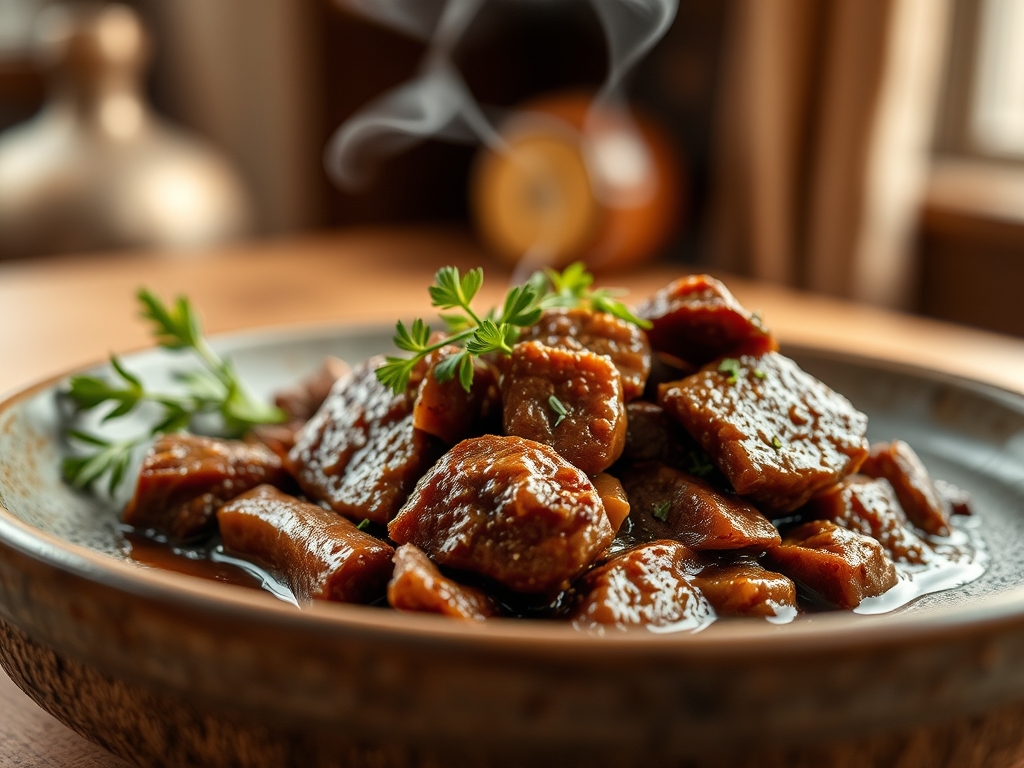
Imagine the heavy scent of seared protein hitting a hot pan; it is a primal, savory aroma that signals the start of something transformative. We have all been there, staring at a pack of cubed chuck wondering if we are destined for another six hour simmer. While a classic pot roast is lovely, your kitchen deserves more variety. Finding creative stew beef recipes other than stew is the ultimate culinary unlock for the home cook who values both budget and flavor. These tough, collagen rich cubes are actually diamonds in the rough. When treated with the right scientific techniques, they transform into crispy street tacos, silky pasta sauces, or piquant stir fries. We are moving beyond the bowl and into a world where texture is king. Whether you are looking for a fast sear or a controlled braise that ends in a shred, these methods will redefine how you view that humble butcher paper package. Let us stop boiling the life out of our beef and start celebrating its versatile, muscular potential.
The Gathers:
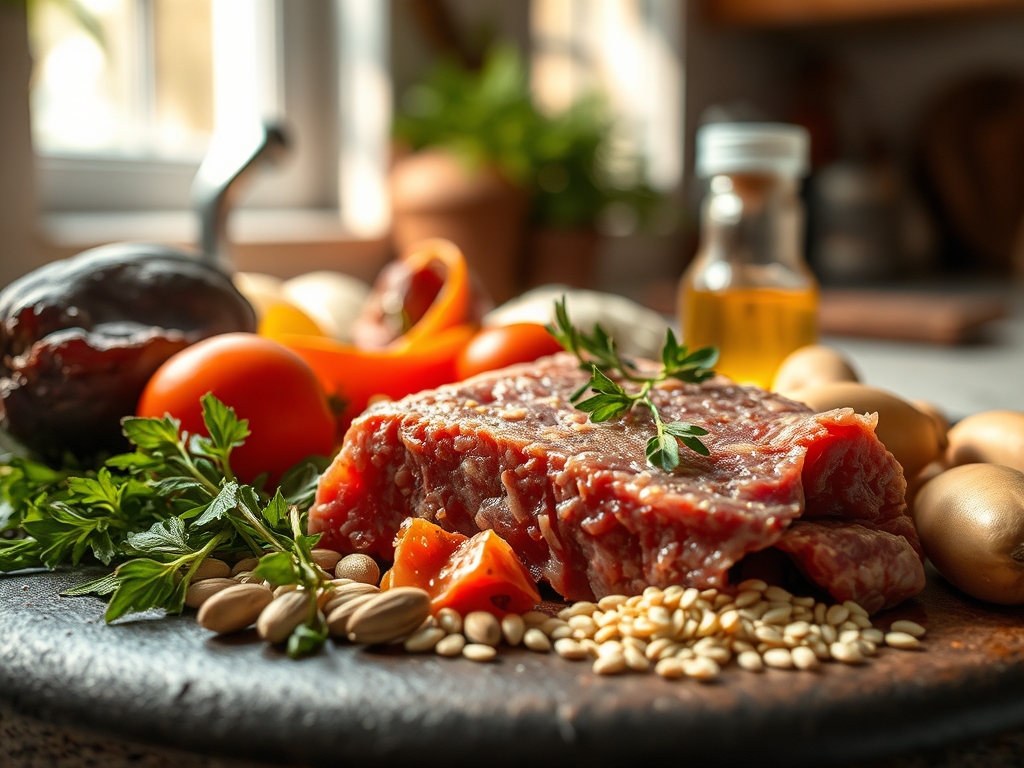
To master these techniques, your mise en place must be precise. Start with your beef; look for cubes with visible intramuscular fat, often called marbling. You will need a high smoke point fat like avocado oil or clarified butter to facilitate the Maillard reaction without scorching. For aromatics, gather fresh garlic, ginger, and shallots. The science of flavor requires a balance of acidity, so keep red wine vinegar or lime juice nearby to brighten the viscous fats.
Smart Substitutions: If you cannot find pre cut stew beef, buy a whole chuck roast and use a sharp chef knife to create uniform one inch cubes. For a lighter profile, you can swap half the beef for firm portobello mushroom chunks, which share a similar density and ability to absorb savory liquids. If you are avoiding nightshades, replace paprika with toasted cumin and ground coriander to maintain a deep, earthy profile. Always use a digital scale to ensure your ratios of salt to meat are exact; 1.5 percent salt by weight is the professional standard for seasoning.
The Clock
Efficiency in the kitchen relies on what I call the Chef's Flow. Prep time for these varied applications usually clocks in at 20 minutes of active knife work. The cooking duration depends entirely on your goal. If you are going for a "Quick Sear" method for stir fry, you are looking at 8 to 10 minutes over high heat. If you are aiming for "The Shred" for tacos or sliders, expect 90 minutes in a pressure cooker or 3 hours in a heavy-bottomed skillet over low heat. The key is to utilize the downtime. While the beef undergoes enzymatic tenderization, use that window to prepare your garnishes or whip up a bright emulsion.
The Masterclass
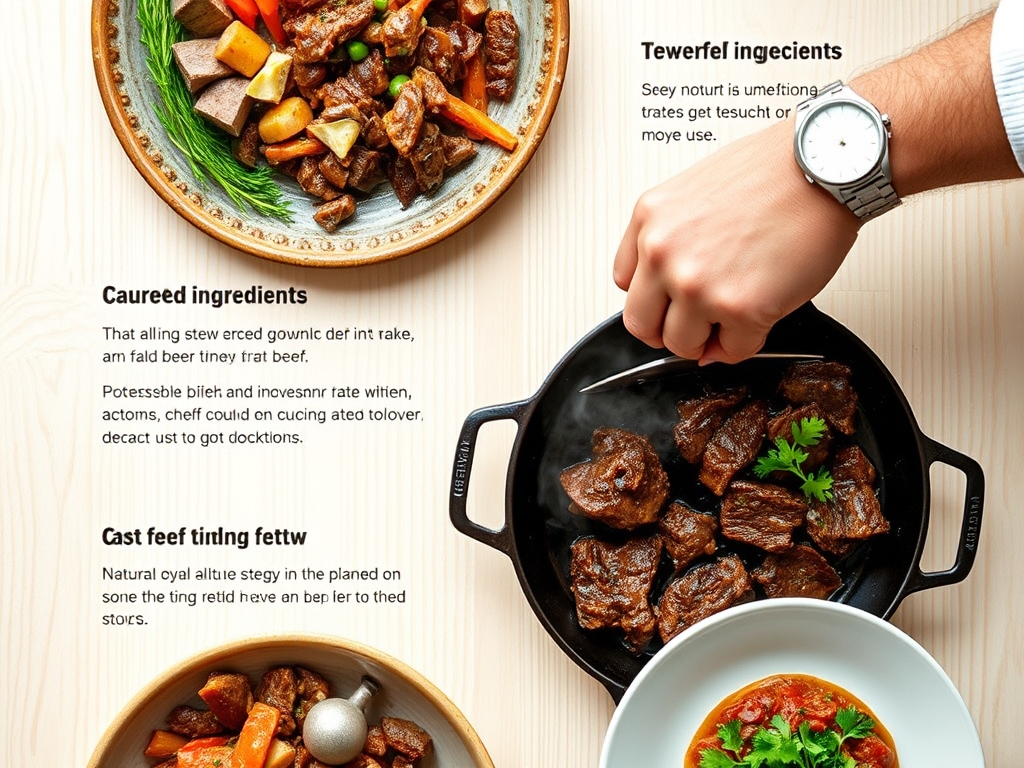
1. The High Heat Sear
Pat the beef bone dry with paper towels. Any surface moisture will create steam, preventing the crust you crave. Heat your skillet until the oil shimmers. Add the beef in a single layer, ensuring pieces do not touch.
Pro Tip: This relies on thermal conductivity. By leaving space between the cubes, you allow moisture to evaporate instantly, which lets the surface temperature exceed 300 degrees Fahrenheit for optimal browning.
2. Deglazing the Fond
Once the beef is browned and removed, you will see brown bits stuck to the pan. This is "fond," or concentrated flavor. Pour in a splash of stock or wine and use a bench scraper or wooden spoon to lift those bits.
Pro Tip: This is the process of solubilization. The liquid dissolves the caramelized proteins, creating a complex base for a sauce that carries the "burnt" sweetness of the seared meat.
3. The Low and Slow Breakdown
For recipes like beef ragu or barbacoa, submerge the seared cubes halfway in a flavorful liquid. Cover tightly and maintain a bare simmer.
Pro Tip: At approximately 160 degrees Fahrenheit, collagen begins to denature into gelatin. This transformation is what gives the meat a "melt in your mouth" texture despite being a lean, tough cut.
4. The Flash Infusion
In the final minutes of cooking, add your fresh herbs or citrus zest. This ensures the volatile oils do not dissipate during a long cook.
Pro Tip: Using a microplane for zest increases the surface area of the ingredient, allowing the essential oils to infuse the fat in the pan almost instantly.
The Deep Dive
From a nutritional standpoint, stew beef is a powerhouse of iron, B12, and zinc. A standard 4 ounce serving provides roughly 30 grams of protein. Because these cuts are often leaner than ribeye, they fit perfectly into a high protein, moderate fat diet.
Dietary Swaps:
- Keto: Replace any flour dredging with almond flour or simply skip it; the natural proteins will still brown beautifully.
- Vegan: While this guide focuses on beef, the "sear and deglaze" method works wonders with extra firm tofu or seitan.
- Gluten-Free: Use tamari or liquid aminos instead of soy sauce for Asian inspired beef tips.
The Fix-It:
- Tough Meat: If the beef is rubbery, it likely hasn't reached the temperature where collagen converts to gelatin. Solution: Add 20 minutes of simmer time.
- Grey Meat: This happens when the pan is overcrowded. Fix: Remove the meat, wipe the pan, and sear in smaller batches next time.
- Salty Overload: If the sauce reduced too much, add a splash of unsalted stock or a pinch of sugar to balance the palate.
Meal Prep: To maintain "day-one" quality, reheat beef in a saucier with a tablespoon of water or stock. This creates a mini steam chamber that prevents the protein fibers from tightening and becoming "leftover-tough."
The Wrap-Up
Mastering stew beef recipes other than stew is about reclaiming your kitchen's potential. By understanding the science of heat transfer and the biology of connective tissue, you turn a budget staple into a gourmet foundation. Whether you are tossing seared tips into a crisp salad or folding shredded chuck into a rich pasta, you are using professional techniques to elevate the everyday. Now, grab those tongs, heat up your skillet, and show that beef what it's truly capable of. Your dinner table will never be boring again.
The Kitchen Table
Can I use stew beef for stir fry?
Yes, but you must slice the cubes into thin strips against the grain. Marinate them with a bit of baking soda for 15 minutes to velvet the meat, ensuring it stays tender during a high heat flash fry.
How do I make stew beef tender without liquid?
Use a physical tenderizer or a long marinade containing acid or enzymes, like pineapple or kiwi juice. However, the most effective "dry" method is a very low, slow roast in the oven until the internal temperature hits 200 degrees.
Why is my stew beef always chewy?
Chewiness usually stems from undercooking or overcooking. If it is tough, the collagen hasn't melted yet. If it is dry and stringy, the muscle fibers have squeezed out all their moisture. Aim for the "sweet spot" of 203 degrees.
Can I cook stew beef in an air fryer?
Absolutely. Toss the cubes in oil and seasonings, then air fry at 400 degrees for 8 to 10 minutes. This creates a "steak bite" texture that is perfect for quick salads or protein bowls.
Does searing actually lock in juices?
Scientifically, no. Searing is for flavor and texture via the Maillard reaction. It actually loses a bit of moisture during the sear, but the massive gain in complex savory notes makes the trade off entirely worth it for the palate.