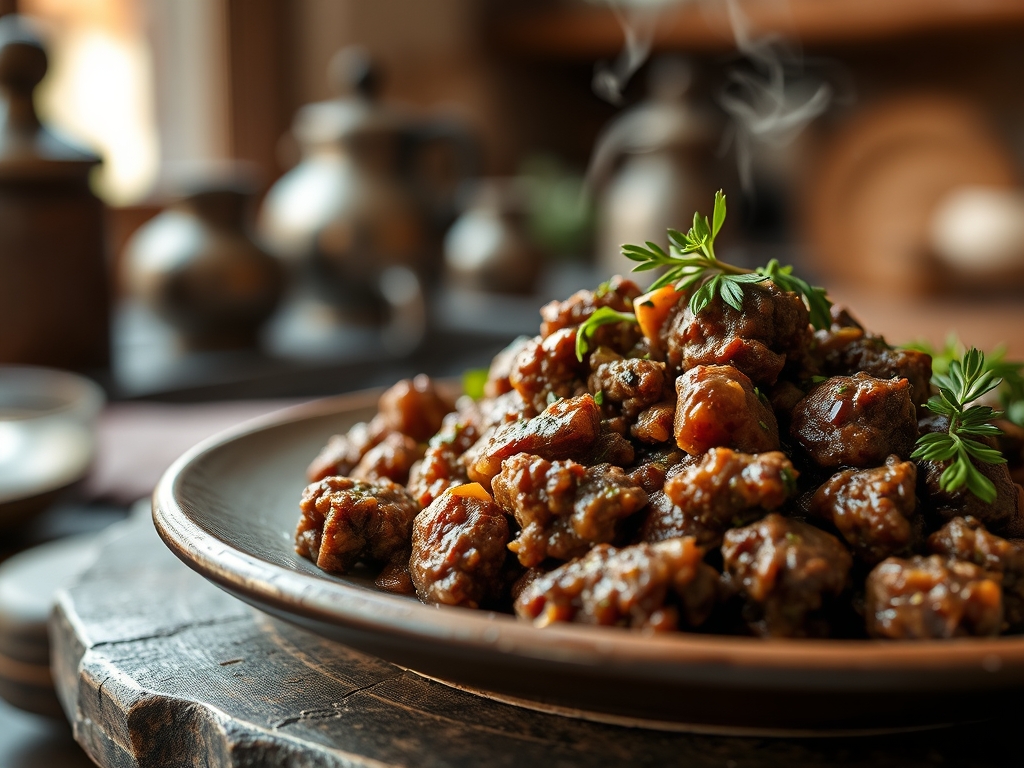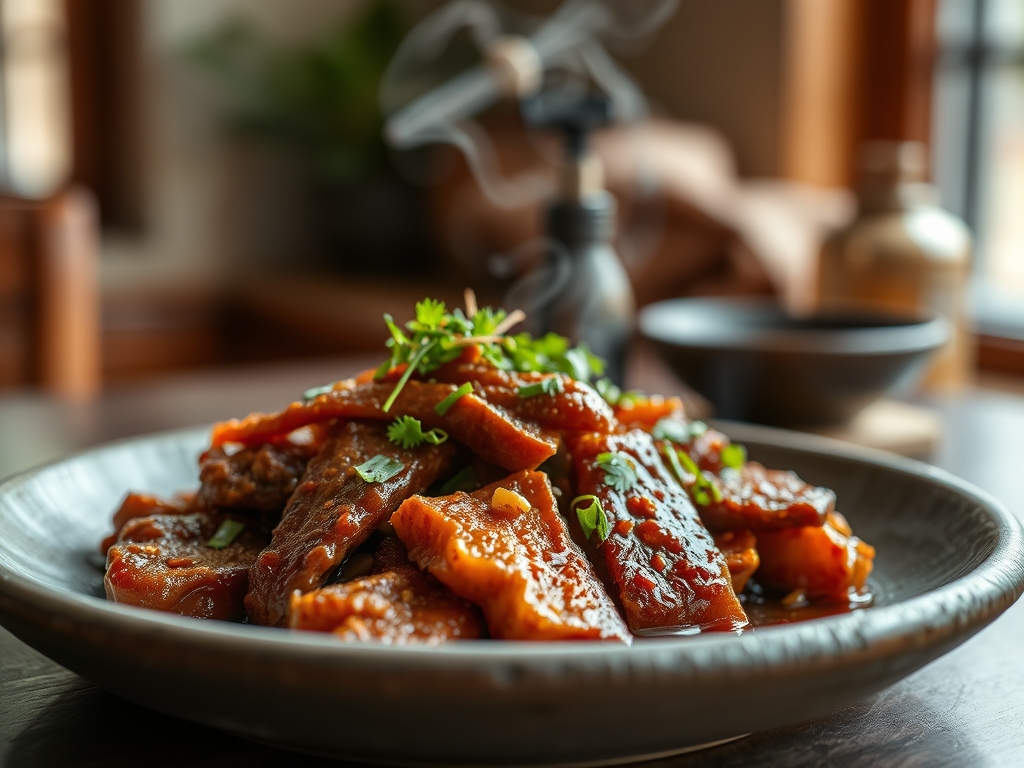
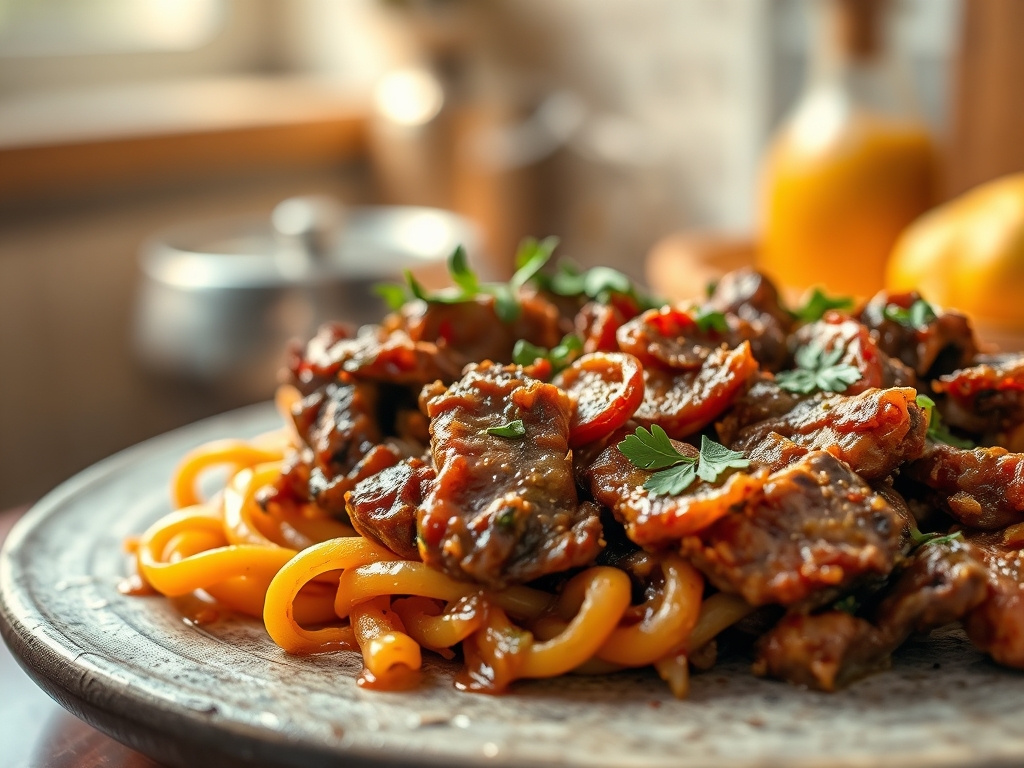
Imagine the scent of slow roasted garlic and toasted oregano wafting through your kitchen; it is the kind of aroma that pulls you in by the apron strings and promises a meal that feels like a warm embrace. When you dive into the world of homemade italian beef recipes, you are not just making a sandwich; you are mastering the delicate balance of fat, acid, and heat. The goal is a beef so tender it practically dissolves, swimming in a viscous, piquant jus that demands a sturdy roll for soaking. Achieving that iconic Chicago style juiciness at home requires more than just a slow cooker; it requires an understanding of muscle fiber breakdown and the chemistry of a proper sear. We are going to transform a humble chuck roast into a masterpiece of savory indulgence. Grab your favorite heavy bottomed skillet and a sharp knife; we are about to elevate your Sunday dinner game to professional standards while keeping the vibe strictly "best friend in the kitchen."
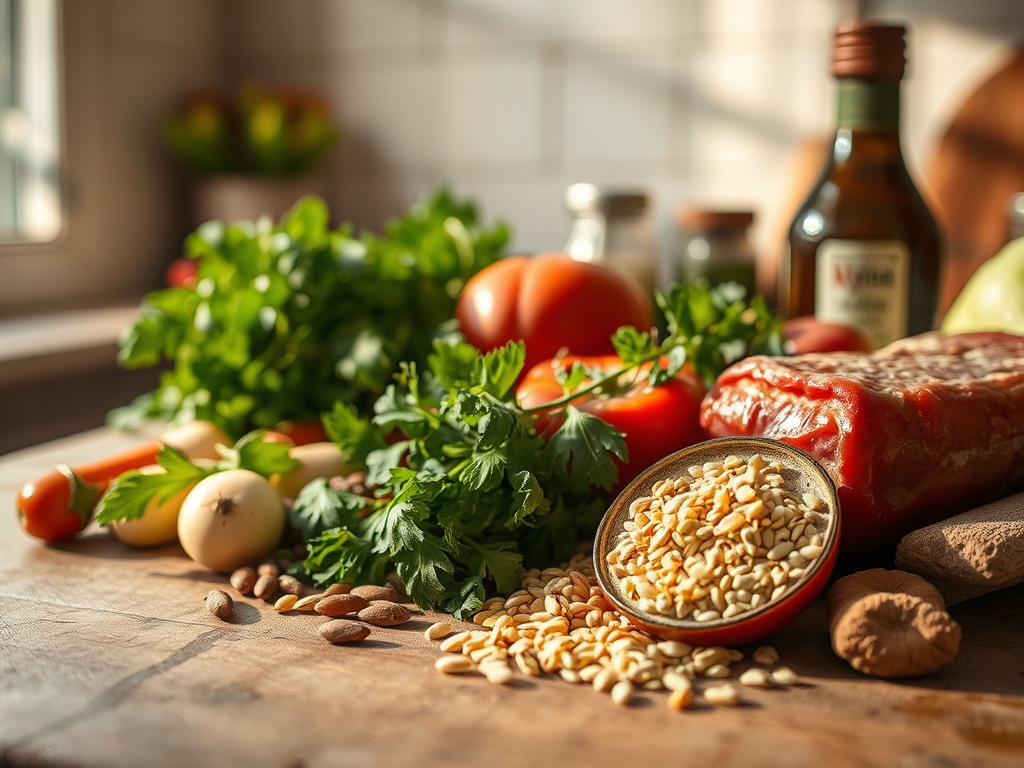
The Gathers:
To begin, you need a high quality chuck roast or bottom round. Look for heavy marbling; those white flecks of intramuscular fat will render during the long cook, providing the moisture we crave. You will also need a saucier or small pot for your spice bloom. Gather high quality dried oregano, red pepper flakes, garlic powder, onion powder, and dried basil. The secret weapon is a jar of giardiniera; the fermented acidity cuts through the richness of the beef.
Smart Substitutions: If you cannot find a traditional roast, a tri-tip works beautifully but requires a shorter cook time to avoid becoming mealy. For the liquid base, if you lack homemade beef stock, use a high quality bone broth to ensure a high gelatin content, which provides that lip coating mouthfeel. If you are avoiding nightshades, swap the red pepper flakes for cracked black peppercorns to maintain that heat without the capsicum punch. Always use a digital scale to measure your spices if you want consistent, repeatable results.
The Clock
Efficiency in the kitchen is all about the Chef's Flow. Your active prep time will take approximately 30 minutes. This includes searing the meat and prepping the aromatics. The "low and slow" phase is where the magic happens; expect a 4 to 6 hour window if using a Dutch oven at 300 degrees Fahrenheit, or 8 to 10 hours on a low setting in a slow cooker.
The flow is simple: sear while the oven preheats, deglaze the pan to capture every ounce of flavor, and then let the thermal energy do the heavy lifting. Always account for a 20 minute resting period before slicing. If you slice too early, the internal pressure will push all those precious juices out onto your cutting board instead of keeping them in the meat.
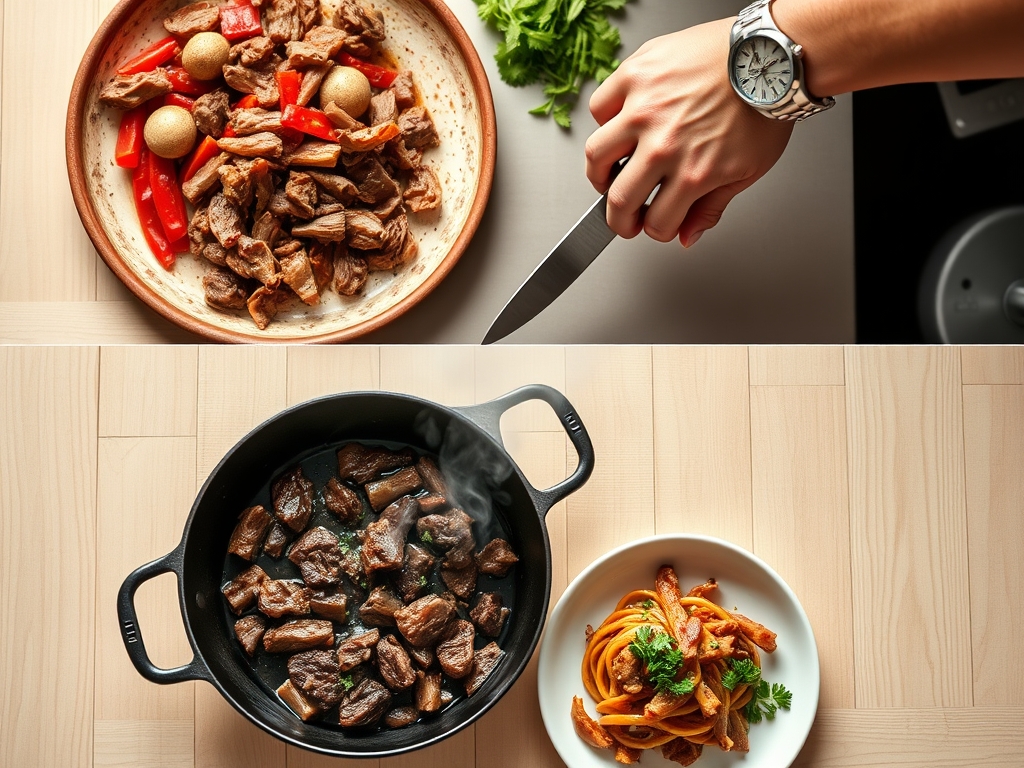
The Masterclass
1. The Hard Sear
Pat your beef bone-dry with paper towels. Heat a heavy-bottomed skillet with high smoke point oil until it shimmers. Sear the meat on all sides until a deep, mahogany crust forms.
Pro Tip: This is the Maillard Reaction. By browning the surface, you are creating hundreds of different flavor compounds that do not exist in raw meat. Do not crowd the pan; if the temperature drops, the meat will steam instead of sear.
2. Blooming the Aromatics
In a small pan, toast your dried spices in a tablespoon of oil for 60 seconds until fragrant.
Pro Tip: This process is called fat-soluble extraction. Many flavor compounds in dried herbs are locked behind cellulose walls that only heat and fat can break down, intensifying the overall profile of your homemade italian beef recipes.
3. Deglazing the Fond
Pour a splash of red wine or beef stock into your searing skillet. Use a bench scraper or wooden spoon to lift the browned bits (the fond) from the bottom.
Pro Tip: The fond contains concentrated proteins and sugars. Deglazing incorporates these savory elements back into your braising liquid, ensuring a complex, layered "jus" rather than a thin broth.
4. The Low and Slow Braise
Submerge the beef halfway in a mixture of beef stock, the bloomed spices, and a splash of vinegar. Cover tightly.
Pro Tip: We are targeting the denaturation of collagen. Around 160 degrees Fahrenheit, tough connective tissue begins to transform into silky gelatin. This is why "tough" cuts actually become juicier the longer they cook at low temperatures.
5. The Chill and Slice
Once tender, remove the beef and let it cool completely in the fridge before slicing.
Pro Tip: Cold meat is structurally sound. Slicing cold allows you to achieve those paper-thin ribbons characteristic of professional deli beef. If you slice it hot, the meat will shred into "pulled beef" rather than elegant slices.
6. The Jus Emulsification
Strain your cooking liquid through a fine mesh sieve into a saucier. Whisk in a knob of cold butter.
Pro Tip: This creates a minor emulsification. The fats in the butter bind with the water based stock, creating a more viscous liquid that clings to the meat and the bread.
7. The Re-Dip
Quickly warm your thin slices in the simmering jus just before serving.
Pro Tip: This is thermal carryover in reverse. You are gently bringing the meat back to serving temperature without overcooking the delicate fibers, preserving the structural integrity of the slice.
8. Aerating the Giardiniera
Stir your giardiniera vigorously before topping the sandwich.
Pro Tip: This helps aerate the oil and vinegar, ensuring every bite has a balanced distribution of acid and crunch to contrast the fatty beef.
9. The Bread Steam
Place your sliced rolls over the steaming pot of jus for 30 seconds.
Pro Tip: This softens the interior crumb of the bread, allowing it to act like a sponge for the jus while the crust remains sturdy enough to hold the weight of the meat.
10. The Final Dip
For a true Chicago experience, dunk the entire assembled sandwich into the jus for three seconds.
Pro Tip: This is about capillary action. The bread fibers draw the liquid deep into the center of the sandwich, ensuring that "juiciness" is present in every single bite.
The Deep Dive
Macro Nutrition: A standard serving of Italian beef (without the roll) is high in protein and healthy fats. Expect roughly 35g of protein and 18g of fat per 6 ounce serving. To keep it Keto, serve the beef over a bed of sautéed peppers and onions instead of bread. For a Vegan swap, use sliced portobello mushrooms or seitan, though you will need to add extra umami via soy sauce or liquid smoke to mimic the beef's depth.
The Fix-It:
- Beef is tough: You likely didn't cook it long enough. Return it to the heat; collagen needs time to melt.
- Jus is too salty: Add a peeled potato to the liquid for 15 minutes to absorb excess sodium, or dilute with a splash of water and a pinch of sugar.
- Meat is dry: Ensure you are using a cut with high fat content. If it's already cooked, let it soak in the jus for 30 minutes to rehydrate the fibers.
Meal Prep: To maintain "day-one" quality, store the sliced beef and the jus in separate containers. When reheating, use a digital thermometer to ensure the liquid reaches 165 degrees Fahrenheit before adding the meat. This prevents the beef from sitting in the "danger zone" of bacterial growth while keeping it tender.
The Wrap-Up
Mastering homemade italian beef recipes is a rite of passage for any home cook who loves bold, savory flavors. By focusing on the science of the sear and the patience of the braise, you have turned a simple piece of protein into a culinary event. Remember, the secret is in the details; the bloomed spices, the thin slices, and that final, glorious dip into the jus. Now, call your friends, grab some napkins, and enjoy the fruits of your labor!
The Kitchen Table
What is the best cut for Italian beef?
The chuck roast is king. Its high collagen and fat content ensure the meat stays moist during the long braising process, resulting in a tender, flavorful sandwich that never feels dry or stringy.
Can I make this in a pressure cooker?
Yes, use a pressure cooker for 60 to 90 minutes. However, you must still sear the meat first to develop the Maillard flavors, as the pressure cooker cannot create that essential crust.
Why is my beef shredding instead of slicing?
You are likely slicing it while it is still warm. For those perfect, deli style ribbons, you must chill the beef thoroughly in the refrigerator before using a very sharp knife to slice against the grain.
How do I make the jus thicker?
Simmer the liquid in a saucier to reduce it by one third. This concentrates the proteins and gelatin, creating a more viscous and flavorful dipping sauce that coats the back of a spoon beautifully.