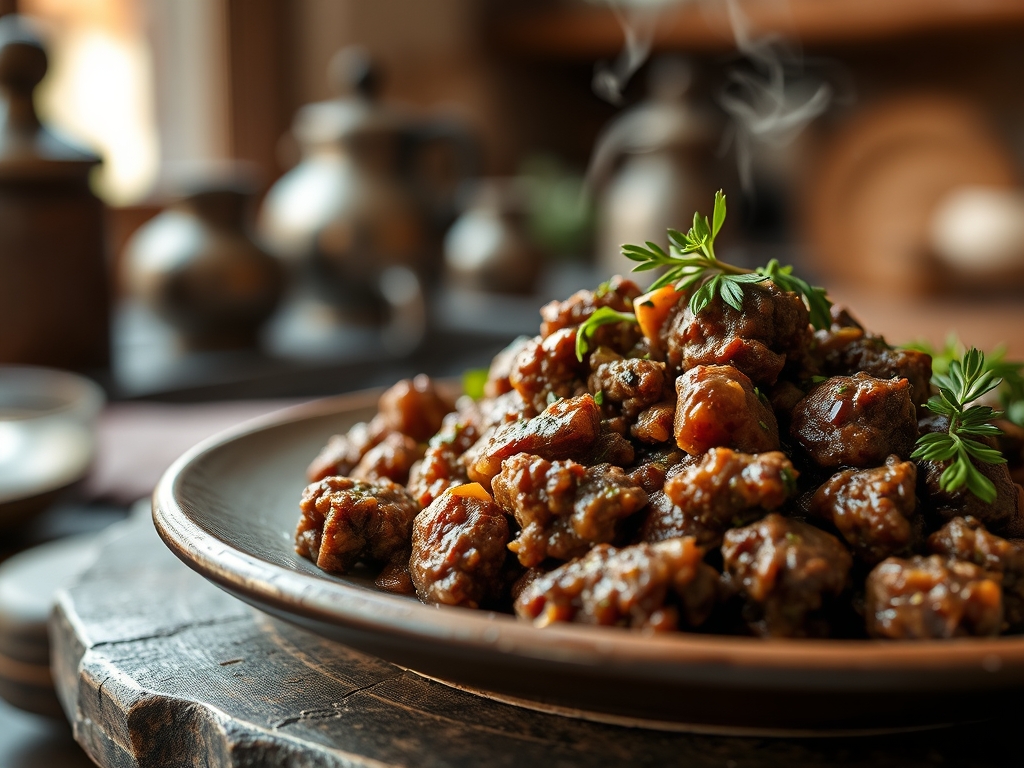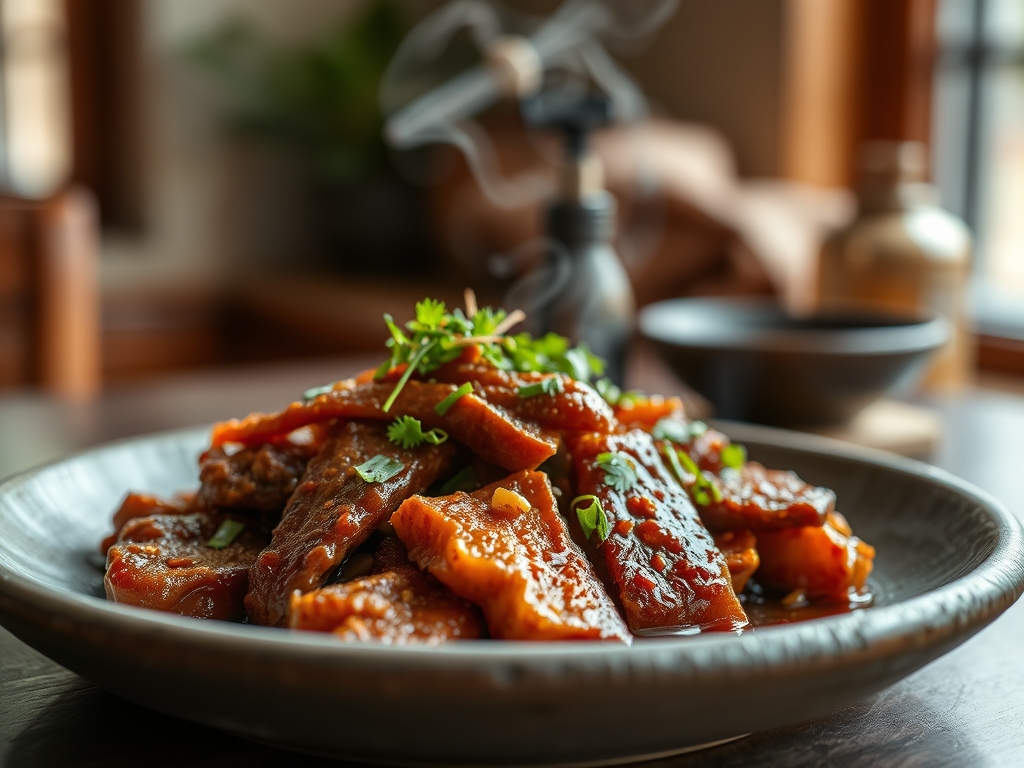
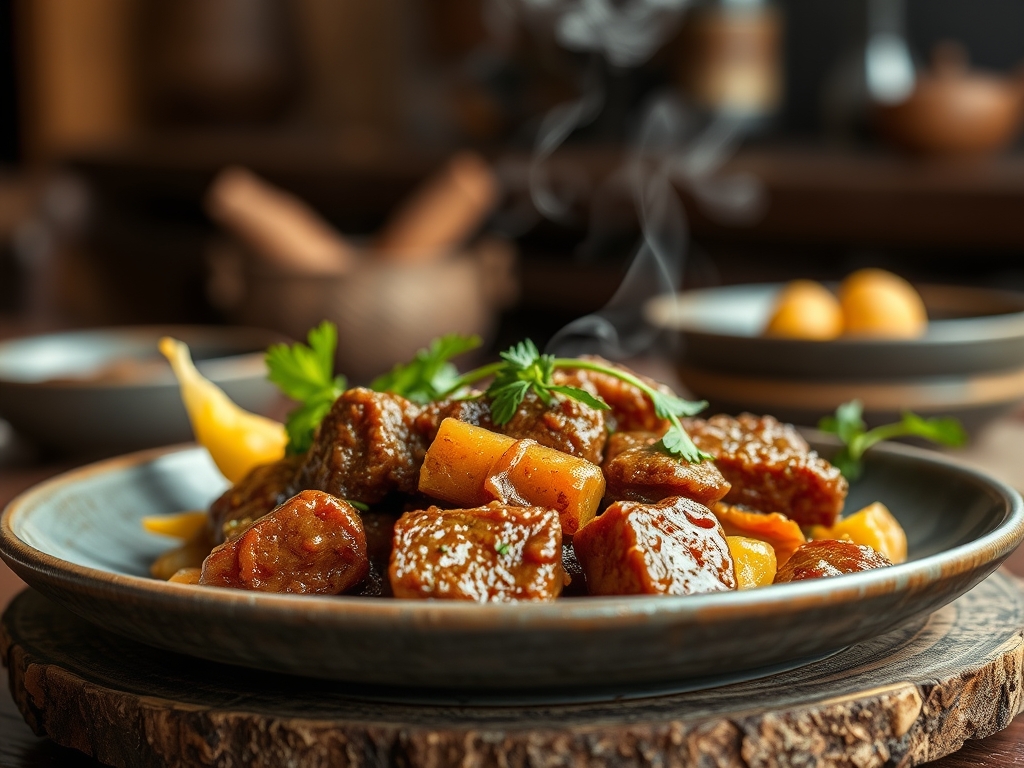
Close your eyes and imagine the scent of burnt sugar dancing with pimento berries and Scotch bonnet peppers. It is a fragrance that defines island soul food. When searching for authentic caribbean stew beef recipes, you are looking for more than just a meal; you are seeking a masterclass in deep, complex caramelization. This is not your average weekday crockpot dump. This is a rhythmic, multi-stage process where we transform tough muscle fibers into velvet. We are going to manipulate the Maillard reaction and harness the power of browning to create a gravy so rich it feels like silk on the tongue. Grab your favorite heavy-bottomed skillet and a glass of wine; we are about to turn a humble chuck roast into a masterpiece of culinary engineering.
The secret to world-class Caribbean beef stew lies in the "browning" phase. In many cultures, browning means searing the meat. In the Caribbean, specifically in Trinidadian and Jamaican traditions, it involves creating a "burnt sugar" base or using a concentrated browning sauce that provides a bittersweet depth. This creates a flavor profile that is simultaneously savory, earthy, and piquant. We are going to treat every ingredient with respect, ensuring that the aromatics are sweat to perfection and the beef is rendered until it collapses at the mere suggestion of a fork.
The Gathers:
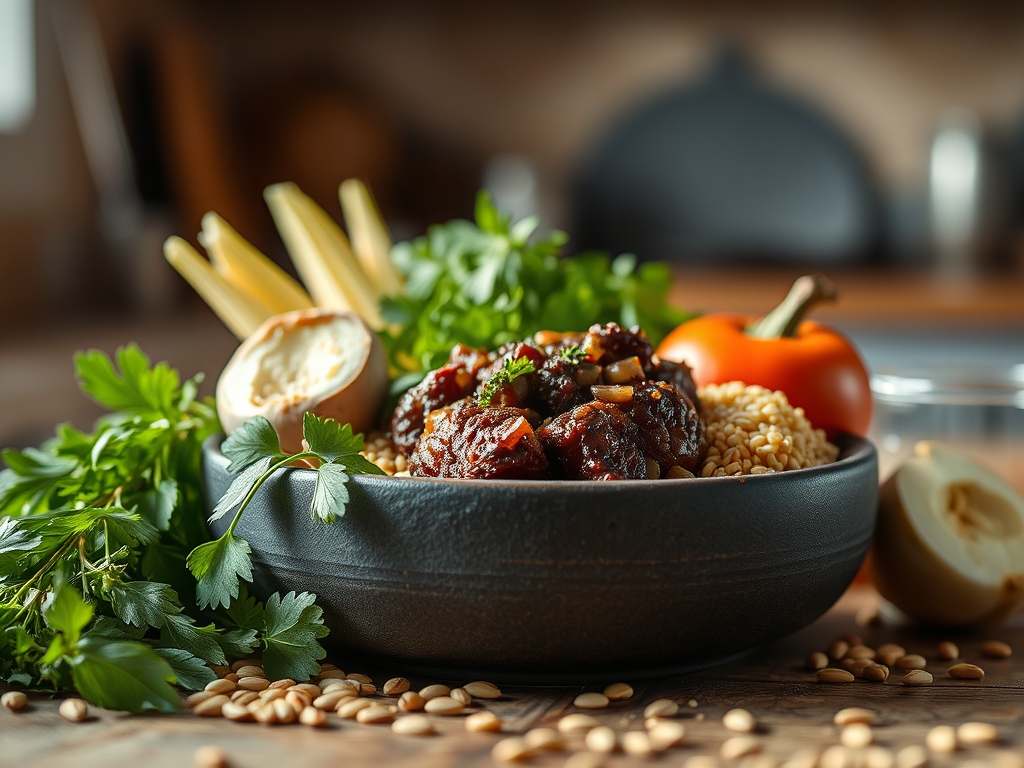
To achieve that signature viscous texture, your mise-en-place must be precise. Start with three pounds of high-quality beef chuck. This cut is essential because it contains a high concentration of intramuscular collagen, which breaks down into gelatin during the long simmer. You will also need a "Green Seasoning" base. This is a vibrant slurry of culantro (or cilantro), scallions, thyme, garlic, and ginger. Use a high-speed blender or a mortar and pestle to aerate these herbs into a fine paste.
For the browning, you need dark brown sugar or a commercial browning liquid. If you are a purist, you will use the sugar method. You will also need "The Holy Trinity" of island aromatics: sliced carrots for sweetness, bell peppers for brightness, and a whole Scotch bonnet pepper for that unmistakable floral heat. Ensure you have a bottle of Worcestershire sauce and a splash of soy sauce to provide umami depth.
Smart Substitutions: If you cannot find culantro, use a mix of cilantro and a tiny bit of fresh parsley. For a lower glycemic index, substitute the brown sugar with a teaspoon of molasses; it provides the same dark color and bitter notes without the sugar spike. If you prefer a leaner profile, you can use brisket, but avoid round roast as it lacks the necessary fat to stay moist during the long cook time.
The Clock:
Total Time: 2 hours and 45 minutes.
Prep Time: 30 minutes (mostly chopping and marinating).
Cook Time: 2 hours and 15 minutes.
The "Chef's Flow" is all about efficiency. While the beef marinates in the green seasoning for twenty minutes, use your bench scraper to clear your workspace and prep your vegetables. Use a microplane to grate your ginger and garlic directly into a small bowl to capture all the essential oils. The first 15 minutes of cooking are active, requiring constant attention to the sugar caramelization. Once the liquid is added, the process becomes passive, allowing the thermal energy to do the heavy lifting while you prepare your side dishes like rice and peas or fried plantains.
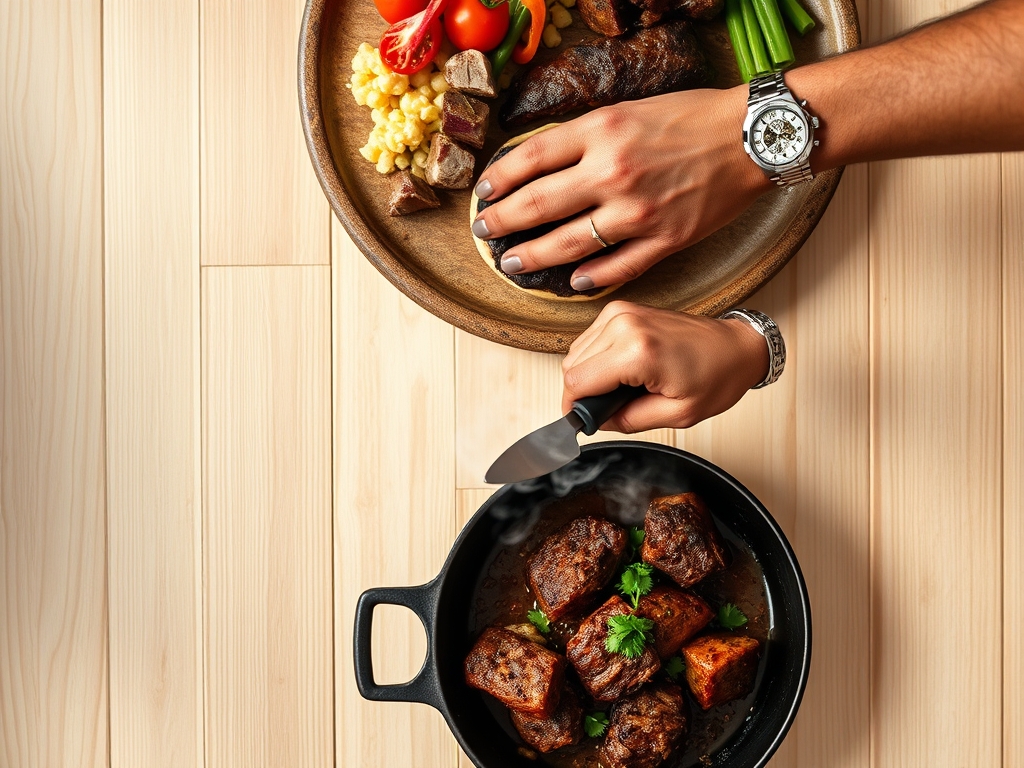
The Masterclass:
1. The Green Seasoning Infusion
Massage your beef cubes with the blended green seasoning, salt, and black pepper. Use your hands to ensure every fiber is coated. Let this sit at room temperature for at least 20 minutes.
Pro Tip: This is a form of enzymatic tenderization. The acids and sulfur compounds in the garlic and onions begin to break down the surface proteins, allowing the salt to penetrate deeper into the muscle tissue.
2. The Caramelization Ritual
Heat two tablespoons of neutral oil in a heavy-bottomed skillet over medium-high heat. Sprinkle in your brown sugar. Do not stir. Wait for the sugar to melt, bubble, and turn a dark, foamy amber color.
Pro Tip: This is the Maillard reaction on steroids. You are pushing the sugar past the point of sweetness into complex carbonization, which provides the stew's iconic "burnt" undertone and dark hue.
3. The Sear and Coat
Once the sugar is frothy and dark, carefully add the beef. Use metal tongs to toss the meat quickly, ensuring every piece is coated in the dark caramel. The meat will release its juices; let them reduce until the pot is nearly dry again.
Pro Tip: This step utilizes evaporative cooling. By letting the moisture cook off, you allow the surface temperature of the meat to rise again, triggering further browning and flavor development.
4. The Aromatic Deglaze
Add your onions, carrots, and bell peppers. Use a wooden spoon to scrape the bottom of the pan, loosening the "fond" (those delicious stuck-on bits). Add a splash of beef stock or water to help the process.
Pro Tip: Deglazing is a chemical process where the liquid dissolves the caramelized proteins and sugars from the bottom of the pan, incorporating them back into the sauce for a richer mouthfeel.
5. The Long Simmer
Pour in enough beef stock to just cover the meat. Drop in your whole Scotch bonnet pepper (do not cut it if you want flavor without extreme heat) and sprigs of fresh thyme. Cover and reduce heat to a low simmer.
Pro Tip: Maintaining a sub-boiling temperature (around 190 degrees Fahrenheit) is crucial. This allows the collagen to convert to gelatin without toughening the muscle fibers, resulting in "fork-tender" meat.
6. The Reduction and Emulsification
After two hours, remove the lid. The meat should be tender. Increase the heat slightly to reduce the liquid until it reaches a thick, gravy-like consistency. Taste for salt and adjust.
Pro Tip: As the water evaporates, the concentration of gelatin increases, creating a viscous emulsion that coats the back of a spoon. This is the hallmark of a professional-grade stew.
7. The Resting Phase
Turn off the heat and let the stew sit for 10 minutes before serving. This allows the fibers to relax and reabsorb some of the flavorful liquid.
Pro Tip: This is known as thermal carryover. The internal temperature stabilizes, ensuring that the meat does not "weep" its juices when you bite into it.
The Deep Dive:
Macro Nutrition: A standard serving of Caribbean stew beef is high in protein (approx 35g) and rich in iron and Vitamin B12. To keep it lean, trim the silver skin and excess exterior fat before cooking, though some fat is required for the sauce's texture.
Dietary Swaps: For a Keto version, omit the sugar and use a sugar-free browning agent or extra Worcestershire; swap carrots for radishes which mimic the texture of potatoes. For Vegan friends, use "meaty" mushrooms like King Oyster or Portobello and reduce the cook time to 30 minutes. The recipe is naturally Gluten-Free as long as your browning sauce and stock are certified.
The Fix-It:
- Too Salty? Drop in a peeled, halved potato for the last 20 minutes; it acts as a sponge for excess sodium.
- Too Bitter? If you over-burnt the sugar, add a teaspoon of tomato paste or a squeeze of lime to balance the pH.
- Too Thin? Mash one of the cooked carrots into the sauce to act as a natural thickener.
Meal Prep: This stew is actually better on day two. The flavors continue to infuse and meld in the fridge. When reheating, add a tablespoon of water and use low heat on the stovetop to prevent the gelatin from breaking down too quickly, which can make the meat feel stringy.
The Wrap-Up:
You have officially graduated from basic simmering to Caribbean soul-cooking! Mastering caribbean stew beef recipes is all about patience and the bravery to let that sugar get dark. You have used science to turn tough cuts into liquid gold. Serve this over a bed of fluffy white rice, and watch your friends marvel at the depth of flavor you have created. Now, go forth and conquer the kitchen!
The Kitchen Table:
How do I make the stew darker without burning the sugar?
You can add a teaspoon of commercial "Browning" liquid or a tablespoon of dark molasses. These provide the deep obsidian color and earthy flavor profile without the risk of over-carbonizing raw sugar in the pan.
Can I make this in a slow cooker?
Yes, but you must sear the beef and caramelize the sugar in a skillet first. Transfer everything to the slow cooker and cook on low for 6 to 8 hours for the best collagen breakdown.
Why is my beef still tough after two hours?
The heat may be too high, causing the proteins to seize, or too low to melt the collagen. Ensure a gentle simmer and check the meat quality; some older cuts simply require an extra thirty minutes of patience.
Is the Scotch bonnet pepper mandatory?
While it provides the authentic floral aroma, you can substitute it with a habanero for similar heat. If you are sensitive to spice, use a mild bell pepper and a pinch of cayenne for a controlled warmth.