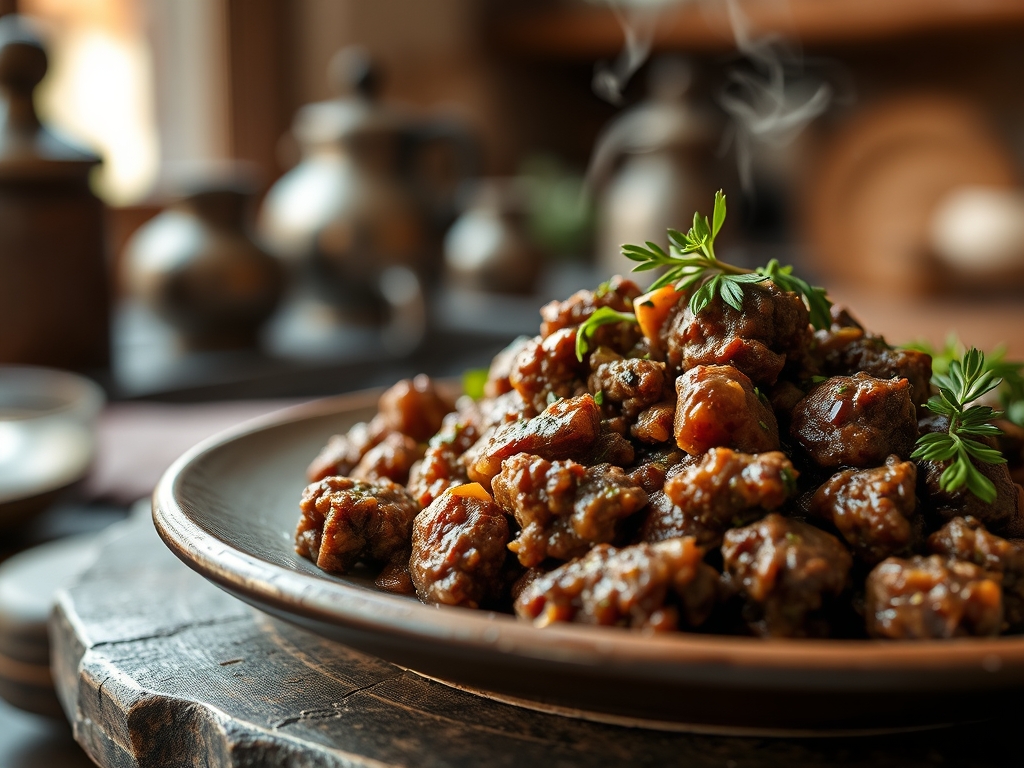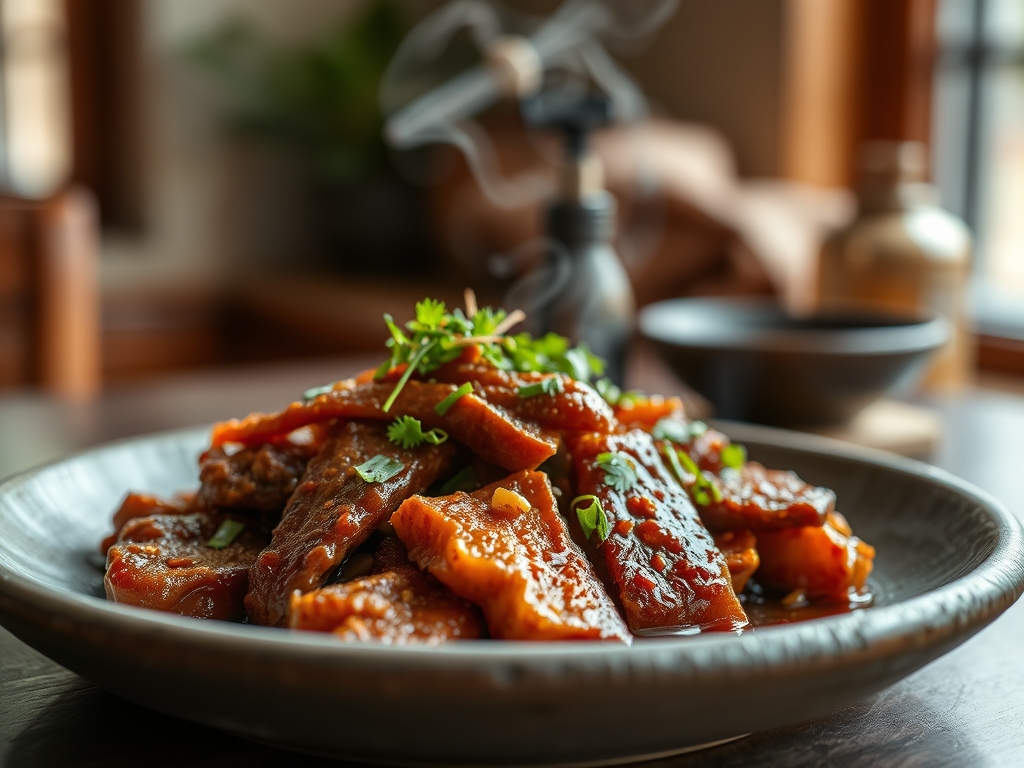
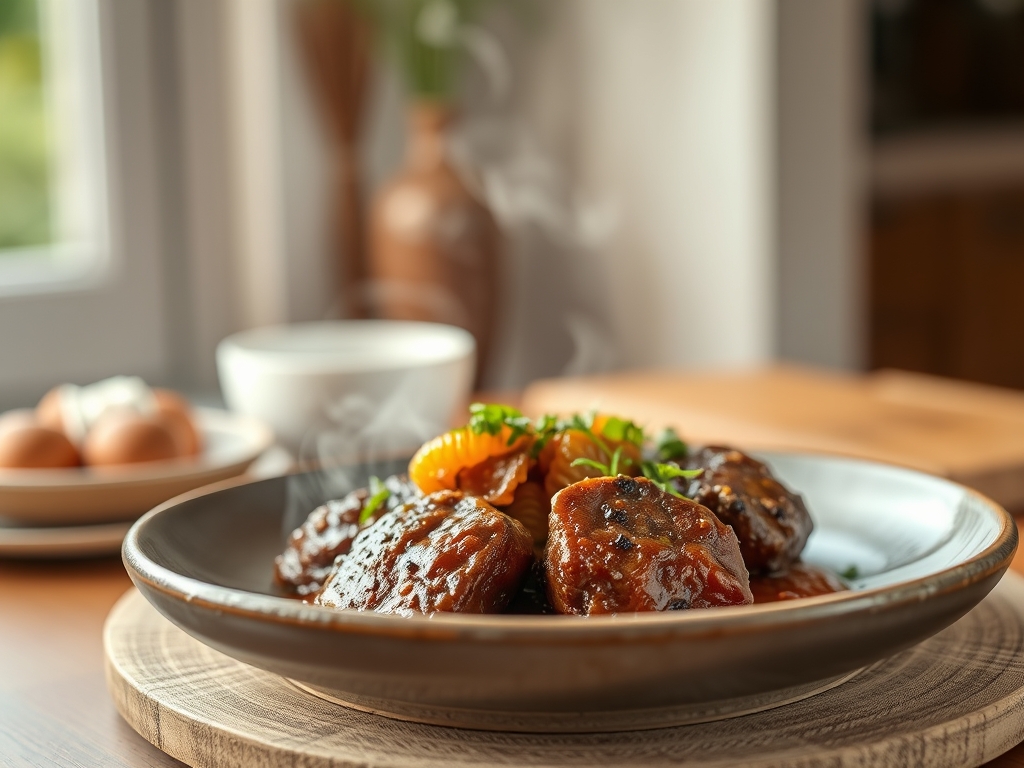
Picture this: you walk through the front door after a grueling Tuesday and the air is thick with the scent of caramelized onions and deep, savory fat. Your kitchen smells like a five star bistro because you mastered the art of round beef recipes slow cooker magic while you were busy conquering the world. We are talking about that specific, fork tender texture where the meat practically sighs and falls apart at the mere suggestion of a utensil. It is not just dinner; it is a triumph of low and slow physics over a lean, stubborn cut of meat.
The round roast is notoriously lean, taken from the hardworking hindquarters of the cow. Without the right technique, it can be as tough as a leather boot. But when we apply consistent, gentle thermal energy over eight hours, we transform rigid collagen into silky gelatin. This is the ultimate kitchen hack for the girl who wants a high protein, budget friendly masterpiece without standing over a stove for three hours. Grab your favorite apron and a glass of something piquant; we are about to turn a humble roast into the star of your weekly rotation.
The Gathers:
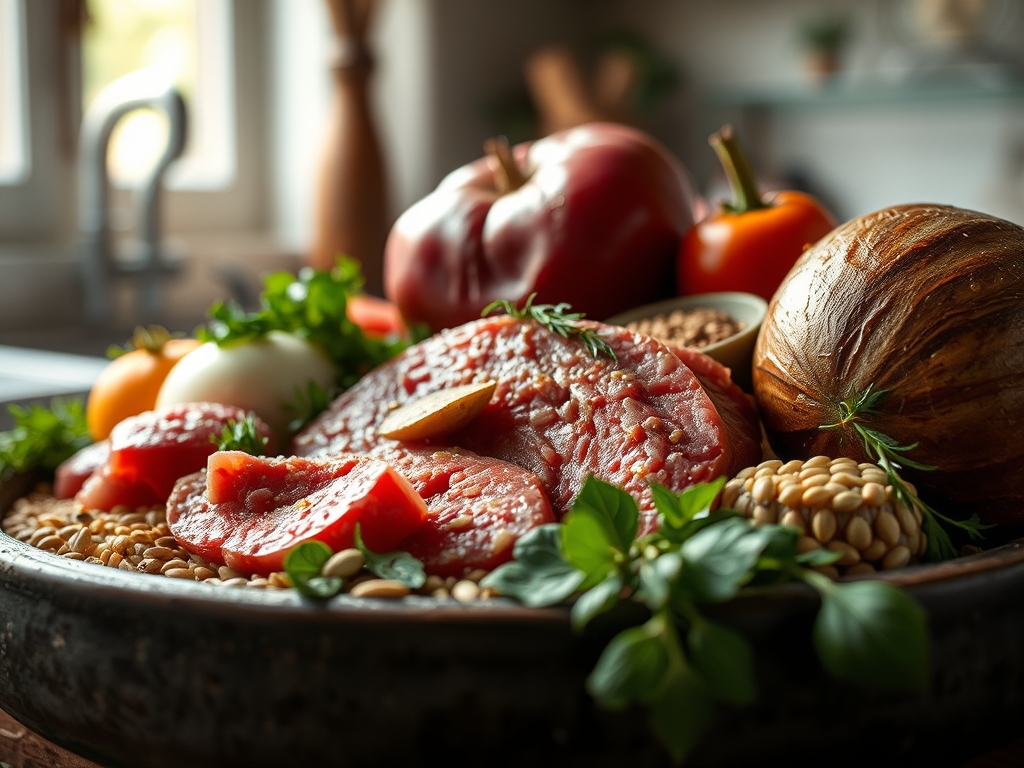
To achieve a result that defies the lean nature of the cut, we need a precise mise en place. Start with a three to four pound eye of round or bottom round roast. You will need high quality kosher salt to facilitate osmosis, drawing moisture out and then reabsorbing the seasoned brine deep into the muscle fibers. For the aromatic base, gather three large yellow onions, four cloves of garlic, and a bunch of fresh thyme.
The liquid gold of this recipe is the beef bone broth; look for one that is viscous at room temperature, indicating high gelatin content. You will also need a tablespoon of tomato paste for umami depth and a splash of Worcestershire sauce to provide that essential fermented tang. For the "Smart Substitutions," if you are out of fresh garlic, use a teaspoon of garlic powder mixed with a bit of water to create a paste. If you want to skip the wine, a tablespoon of balsamic vinegar offers the same acidity required to brighten the heavy fats. Use a digital scale to measure your dry rub ingredients for perfect consistency every single time.
The Clock
Efficiency is the secret ingredient in a busy kitchen. I call this the "Chef's Flow." Your active prep time is exactly twenty minutes. This includes searing the meat, prepping the aromatics, and deglazing the pan. The passive cook time is where the heavy lifting happens: eight hours on the "Low" setting or five to six hours on "High."
I always recommend the low setting for round beef recipes slow cooker success because it prevents the muscle fibers from seizing up too quickly. If you rush the process, the proteins contract and squeeze out all the moisture, leaving you with dry meat regardless of how much gravy you use. Plan to start this at 8:00 AM so you can hit the "Warm" setting by 4:00 PM. This allows for a thirty minute rest period before serving, which is vital for moisture retention.
The Masterclass
1. The Hard Sear
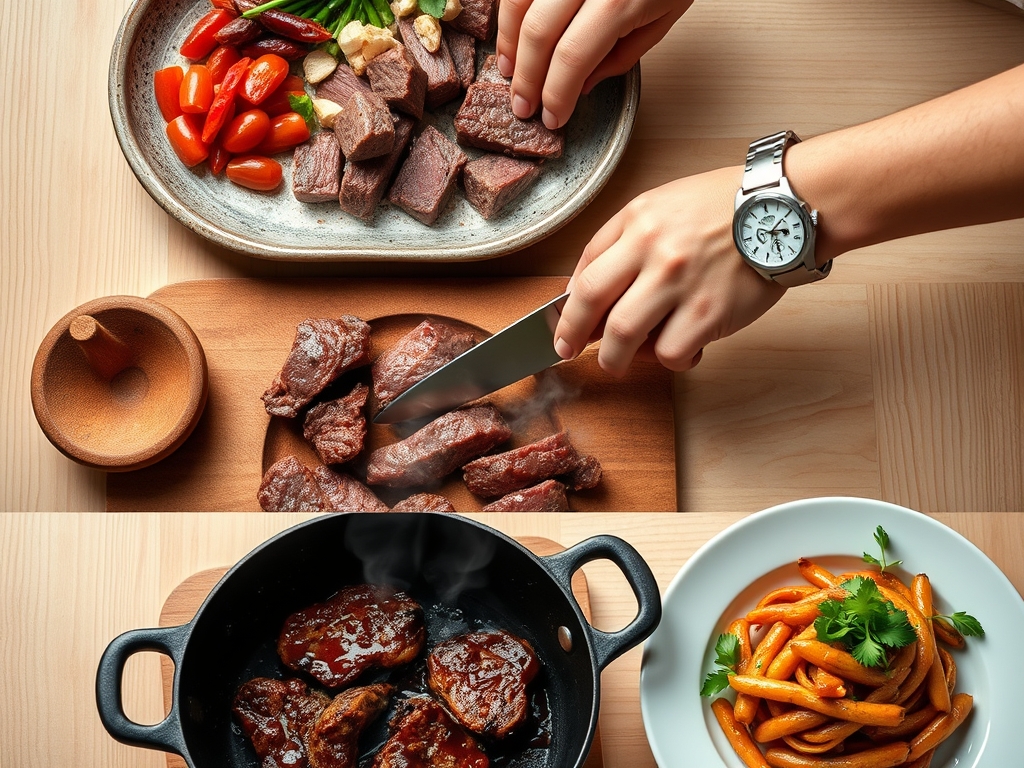
Pat the beef dry with paper towels until it is bone dry. Season aggressively with salt and pepper. Heat a heavy-bottomed skillet over medium-high heat with a high smoke point oil like avocado oil. Use tongs to sear every single side of the roast until a deep, mahogany crust forms.
Pro Tip: This is the Maillard reaction in action. By browning the surface, you create hundreds of new flavor compounds that simply cannot be replicated by the slow cooker alone. It adds a complex, toasted profile to the entire dish.
2. Deglaze and Infuse
Remove the meat and toss in your sliced onions. Once they soften, add the tomato paste and garlic. Pour in a half cup of red wine or broth and use a wooden spoon to scrape up all the brown bits (the fond) from the bottom of the pan.
Pro Tip: Deglazing is a chemical process that dissolves the caramelized proteins stuck to the pan. This "fond" contains the highest concentration of flavor and ensures your gravy has a professional, multi-dimensional taste.
3. The Low and Slow Bath
Place the aromatics at the bottom of the slow cooker to act as a natural rack for the meat. Nestled the beef on top and pour the deglazing liquid and remaining broth over it. The liquid should come about halfway up the side of the roast.
Pro Tip: Do not submerge the meat entirely. Braising is a combination of simmering and steaming. Keeping the top half exposed to the steam helps break down the connective tissue without washing away the crust you worked so hard to build.
4. The Final Reduction
Once the timer dings, remove the meat carefully. Strain the remaining liquid into a saucier. Whisk in a cornstarch slurry and simmer until the liquid is thick enough to coat the back of a spoon.
Pro Tip: This is called emulsification. By reducing the liquid and adding a thickener, you are suspending the fat droplets within the water based broth, creating a velvety mouthfeel that mimics the richness of a much fattier cut of beef.
The Deep Dive
From a nutritional standpoint, the round roast is a powerhouse. It is exceptionally high in Vitamin B12 and Zinc, and because it is a lean cut, it fits perfectly into a high protein diet. One serving typically contains about 210 calories and 35 grams of protein.
For my Keto friends, simply swap the cornstarch for a pinch of xanthan gum to thicken the sauce. If you are Gluten-Free, ensure your Worcestershire sauce is certified. For a Vegan alternative, this same slow cooker method works beautifully with large heads of cauliflower or "steaks" of lion's mane mushrooms, though you should reduce the cook time to two hours.
The Fix-It:
- Meat is tough: It hasn't cooked long enough. The collagen hasn't melted. Give it another hour.
- Sauce is bland: It needs acidity. Add a squeeze of lemon or a teaspoon of apple cider vinegar to "wake up" the flavors.
- Greasy surface: Use a wide spoon to skim the fat off the top, or chill the liquid so the fat solidifies for easy removal.
For meal prep, store the beef in its own juices. When reheating, use the "low" power setting on your microwave or a covered pan on the stove. This prevents the proteins from overcooking a second time, maintaining that "day-one" tenderness.
The Wrap-Up
There is a reason why round beef recipes slow cooker searches are always trending; it is the ultimate intersection of frugality and luxury. You have taken a piece of meat that most people overlook and turned it into a centerpiece using nothing but basic chemistry and a bit of patience. Whether you pile it onto toasted brioche buns or serve it over a mountain of garlic mashed potatoes, you are now the master of the slow braise. Go ahead, take a bow; you earned it.
The Kitchen Table
Can I cook a round roast from frozen?
No, it is unsafe. A frozen roast stays in the "danger zone" temperature range for too long in a slow cooker, allowing bacteria to grow. Always thaw your beef completely in the refrigerator before starting the braising process.
Why is my slow cooker roast still tough?
Toughness usually means the connective tissue hasn't broken down yet. Round roasts need a long time to reach the stage where collagen turns into gelatin. Simply cook it on low for an additional sixty to ninety minutes.
Do I have to sear the meat first?
While not strictly required for safety, searing is essential for flavor. The Maillard reaction creates deep, savory notes and a rich color that a slow cooker cannot produce on its own. It elevates the dish from "okay" to "gourmet."
How much liquid should I add?
Only fill the slow cooker about halfway up the side of the roast. Too much liquid will boil the meat rather than braising it, resulting in a loss of flavor and a less desirable, stringy texture.
Can I add vegetables at the start?
Hard vegetables like carrots and potatoes can go in at the beginning. However, delicate vegetables like peas or spinach should only be added during the last fifteen minutes of cooking to maintain their color, structure, and nutrient density.