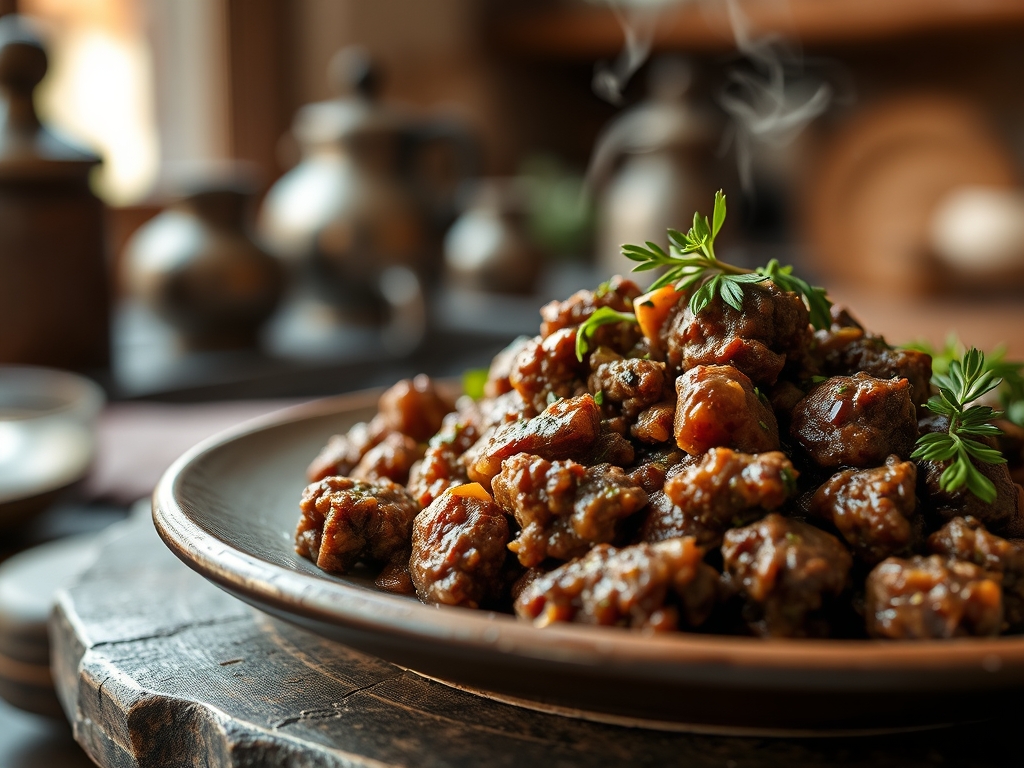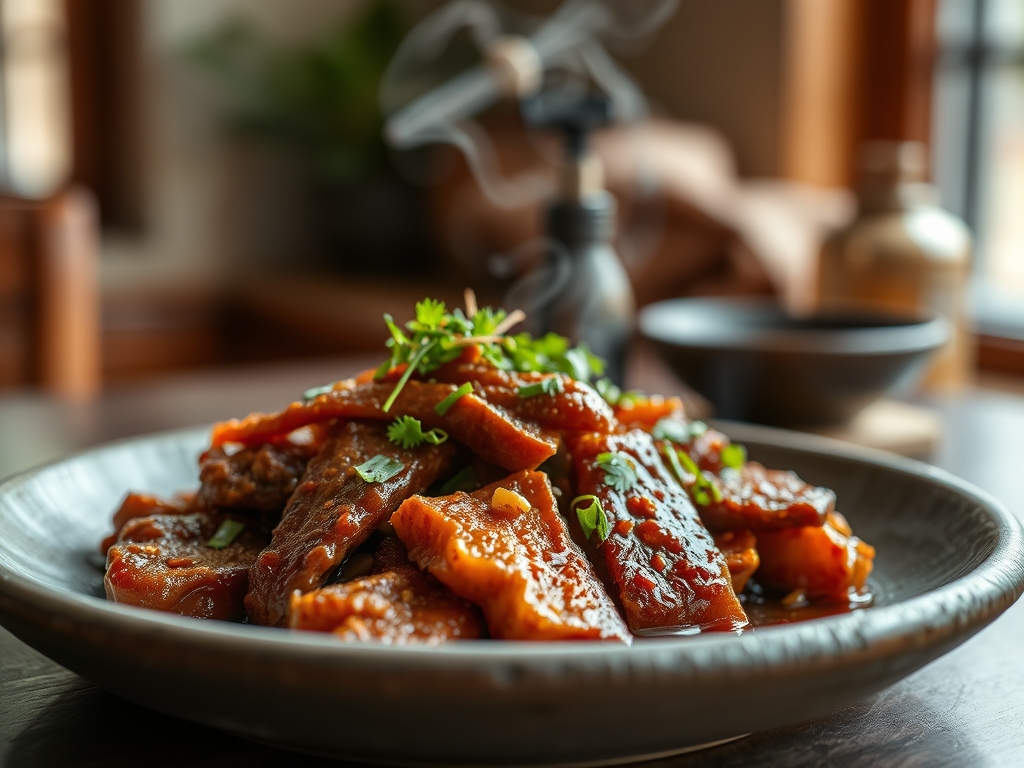
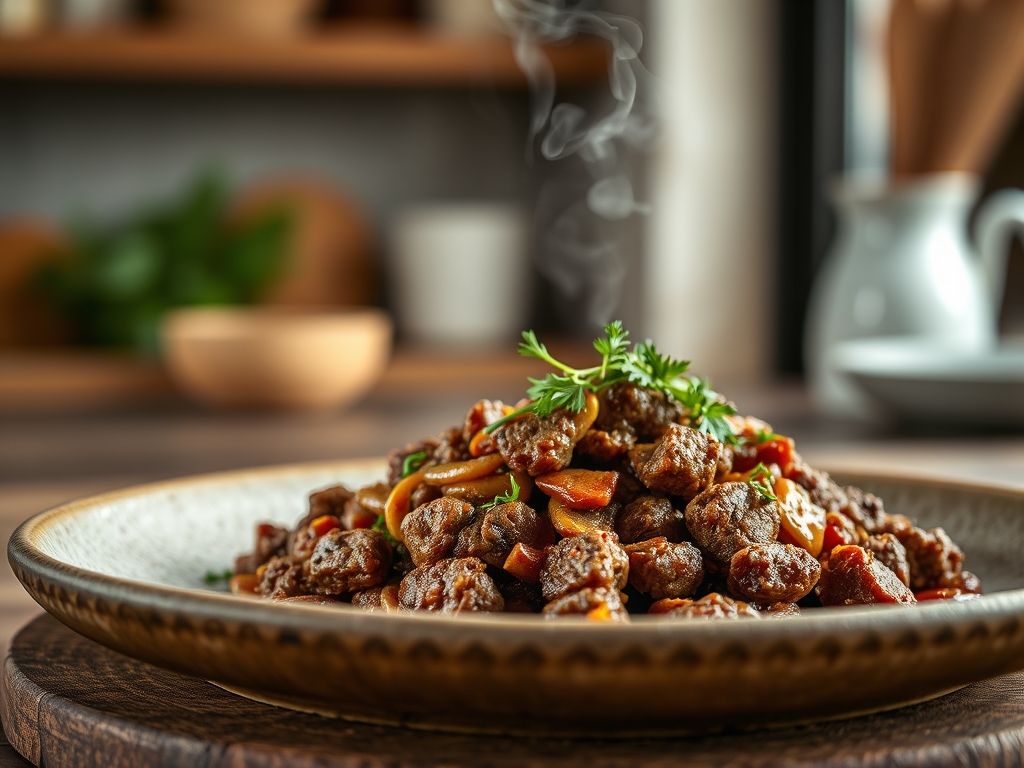
Imagine the sizzle of grass-fed beef hitting a preheated cast-iron skillet; the scent of toasted cumin and sharp garlic immediately filling your kitchen. We are moving past the tired routine of basic burgers and heavy meat sauces. Instead, we are embracing the vibrant, heart-healthy world of mediterranean diet ground beef recipes that prioritize lean proteins, healthy fats, and explosive botanical flavors.
This is not just about eating; it is about the chemistry of flavor. When you combine the savory depth of beef with the acidic brightness of lemon and the earthy richness of extra virgin olive oil, you create a balanced nutritional profile that supports longevity. The Mediterranean approach treats meat as a high-quality accent or a clean base, surrounding it with antioxidant-rich vegetables and complex grains. We are going to transform standard ground beef into eight distinct masterpieces, ranging from spiced kofta to stuffed peppers, all while maintaining that effortless, sun-drenched coastal vibe. Whether you are meal prepping for a busy week or hosting a dinner that feels like a Greek getaway, these recipes provide the perfect intersection of indulgence and wellness.
The Gathers:
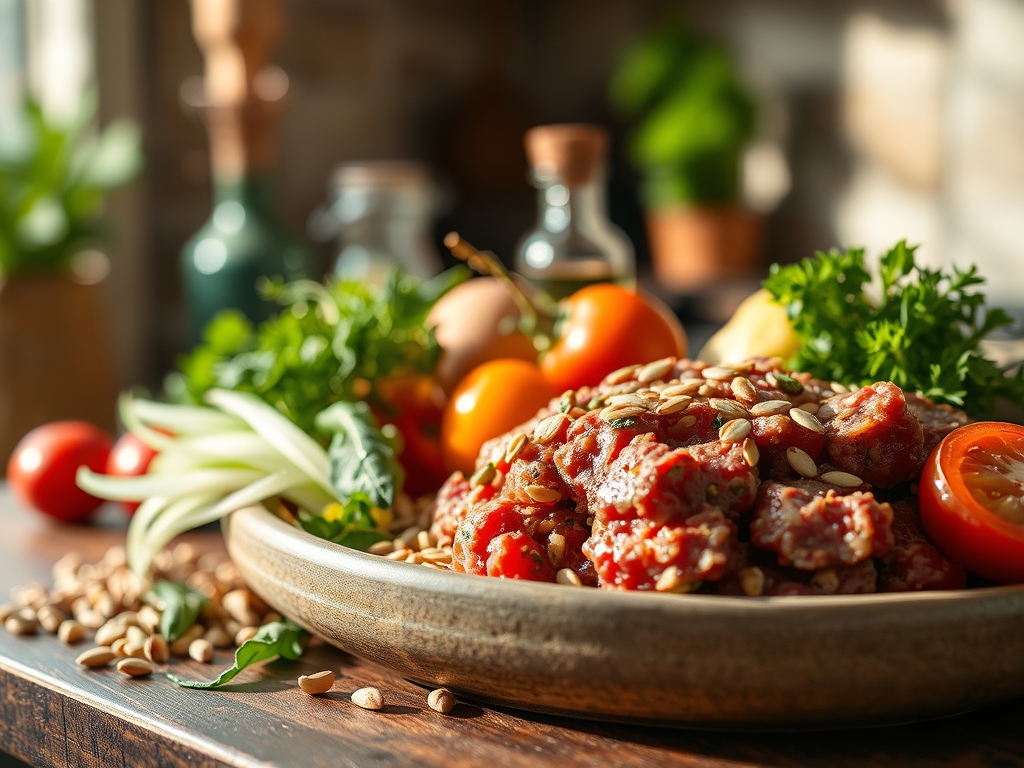
Setting up your mise-en-place is the first step toward culinary success. For these mediterranean diet ground beef recipes, you need high-quality ingredients that offer both structural integrity and flavor density. Start with lean ground beef, preferably a 90/10 or 93/7 ratio. Because we are incorporating healthy fats like olive oil and tahini later, we do not need a high fat content in the meat itself.
Your vegetable tray should be a riot of color. Gather firm Roma tomatoes, which have a lower water content and won't make your dishes viscous or soggy. You will need English cucumbers for their crisp texture, red onions for a piquant bite, and a mountain of fresh flat-leaf parsley and mint. Do not reach for the dried herbs here; the volatile oils in fresh herbs are essential for that authentic Mediterranean aroma.
For your pantry staples, ensure you have a bottle of cold-pressed extra virgin olive oil, a jar of salty kalamata olives, and creamy feta cheese. For smart substitutions, if you are looking to lower the calorie density even further, you can swap half of the beef for finely minced mushrooms. This infuses the dish with umami while increasing the fiber content. If you are avoiding nightshades, replace tomatoes with roasted red beets for a similar earthy sweetness. Always use a digital scale to portion your meat accurately; it ensures even cooking times across all eight variations.
The Clock
Efficiency in the kitchen is all about the Chef's Flow. This is the art of sequencing tasks so that no time is wasted while a pan is heating or a sauce is reducing. For these eight dishes, expect a total prep time of 25 minutes and a collective cook time of about 40 minutes if you are batch-cooking the base meat.
The flow begins with the "Cold Prep": chopping all vegetables and herbs with a sharp chef's knife or a bench scraper to keep your board clear. Next is the "Heat Phase," where you render the fat from the beef and develop the Maillard reaction. Finally, the "Assembly Phase" is where you customize the base meat into the eight different recipes. By grouping similar tasks, you minimize cleanup and maximize flavor development.
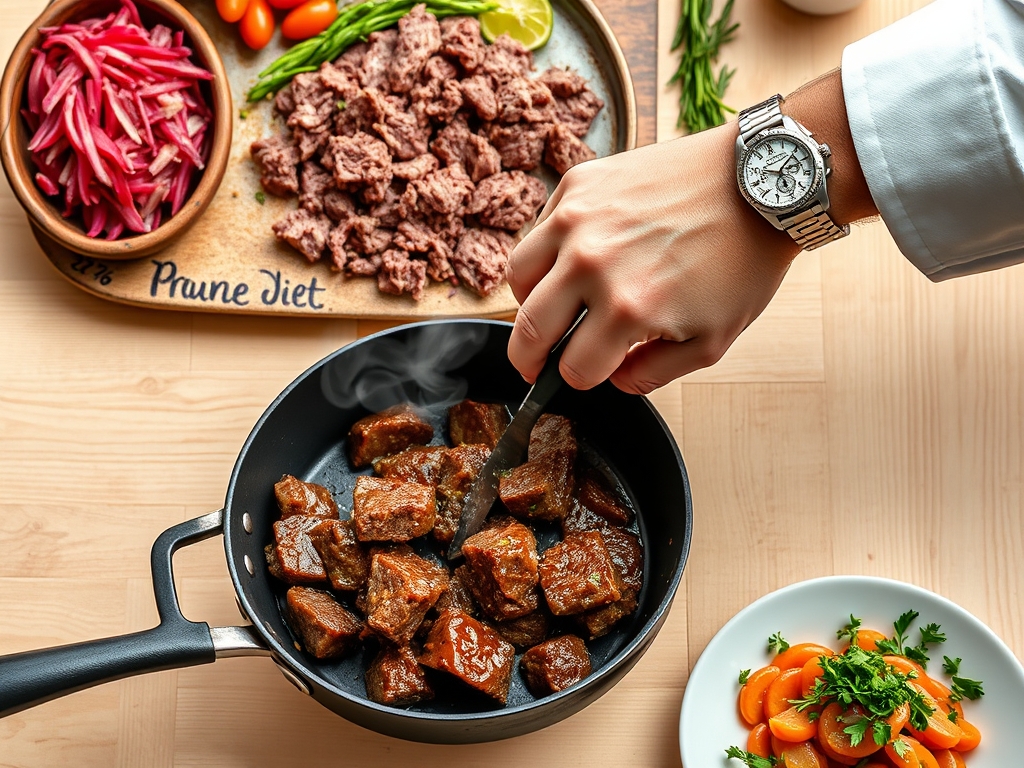
The Masterclass:
1. The Sear and Render
Place your heavy-bottomed skillet over medium-high heat until it wisps with smoke. Add the ground beef in a single layer, resisting the urge to stir immediately.
Pro Tip: This patience allows for enzymatic browning, also known as the Maillard reaction. If you move the meat too soon, it will steam in its own juices rather than developing a savory crust.
2. Deglaze and Infuse
Once the meat is browned, use a splash of red wine vinegar or lemon juice to deglaze the pan. Scrape up the brown bits (the fond) with a wooden spoon to incorporate that concentrated flavor back into the meat.
Pro Tip: The acid in the vinegar breaks down the connective tissues in the beef, resulting in a more tender "crumbled" texture that integrates better with sauces.
3. Aerate the Aromatics
Add your minced garlic, shallots, and dry spices like oregano and cinnamon. Stir constantly for 60 seconds until the oils in the spices become fragrant.
Pro Tip: Fat is a flavor carrier. By sautéing spices in the rendered beef fat, you aerate the aromatic compounds, making the final dish significantly more flavorful than if you added spices to a liquid.
4. The Fresh Finish
Turn off the heat before folding in your fresh herbs and lemon zest. Use a microplane to get fine, oil-rich zest without the bitter white pith.
Pro Tip: Heat destroys the delicate volatile oils in fresh mint and parsley. Adding them at the very end ensures the "bright" notes of your mediterranean diet ground beef recipes remain intact.
The Deep Dive
When we look at the macro nutrition of these dishes, we see a power-packed profile. On average, a serving provides 28g of protein, 12g of healthy fats, and only 8g of net carbs if served without grains. For those following a Keto lifestyle, simply increase the olive oil drizzle and serve over cauliflower rice. For a Vegan swap, lentils or crumbled tempeh work beautifully with these same Mediterranean spices.
The Fix-It:
- Greasy Texture: If your dish feels too oily, you likely didn't drain the beef properly after browning. Fix this by tossing the cooked meat with a tablespoon of almond flour to absorb excess moisture.
- Bland Flavor: This usually means a lack of acidity. Add a squeeze of fresh lemon or a teaspoon of sumac to brighten the profile.
- Dry Meat: If the beef is overcooked, fold in two tablespoons of Greek yogurt. The lactic acid and fat will instantly rehydrate the protein.
For Meal Prep, the secret to "day-one" quality is the reheating method. Avoid the microwave, which can make beef rubbery. Instead, use a saucier with a tablespoon of water or broth over low heat. This creates a gentle steam that refreshes the meat without overcooking it.
The Wrap-Up
Mastering these mediterranean diet ground beef recipes is like unlocking a secret level of culinary freedom. You have taken a humble ingredient and elevated it using scientific precision and vibrant, whole-food additions. From the crunch of the fresh cucumber to the savory depth of the seared beef, these dishes prove that healthy eating is never synonymous with boring eating. Now, grab your tongs, fire up that skillet, and bring the flavors of the coast into your home.
The Kitchen Table
Can I use ground turkey instead of beef?
Yes; ground turkey is a lean alternative. However, turkey has less natural fat, so you should add an extra teaspoon of olive oil to the pan to prevent the meat from becoming too dry during the searing process.
How long does the cooked beef last?
When stored in an airtight glass container, your Mediterranean beef will stay fresh for up to four days. For the best texture, keep the fresh toppings like cucumbers and feta in separate containers until you are ready to serve.
What is the best way to crumble the beef?
Use a stiff wooden spoon or a potato masher in a heavy-bottomed skillet. Breaking the meat into small, uniform pieces ensures that every bite is evenly seasoned and that the meat cooks at a consistent rate throughout the pan.
Is this recipe gluten-free?
As long as you serve the beef with greens, quinoa, or roasted vegetables instead of pita or couscous, it is naturally gluten-free. Always check your spice blends to ensure no anti-caking agents containing gluten have been added.