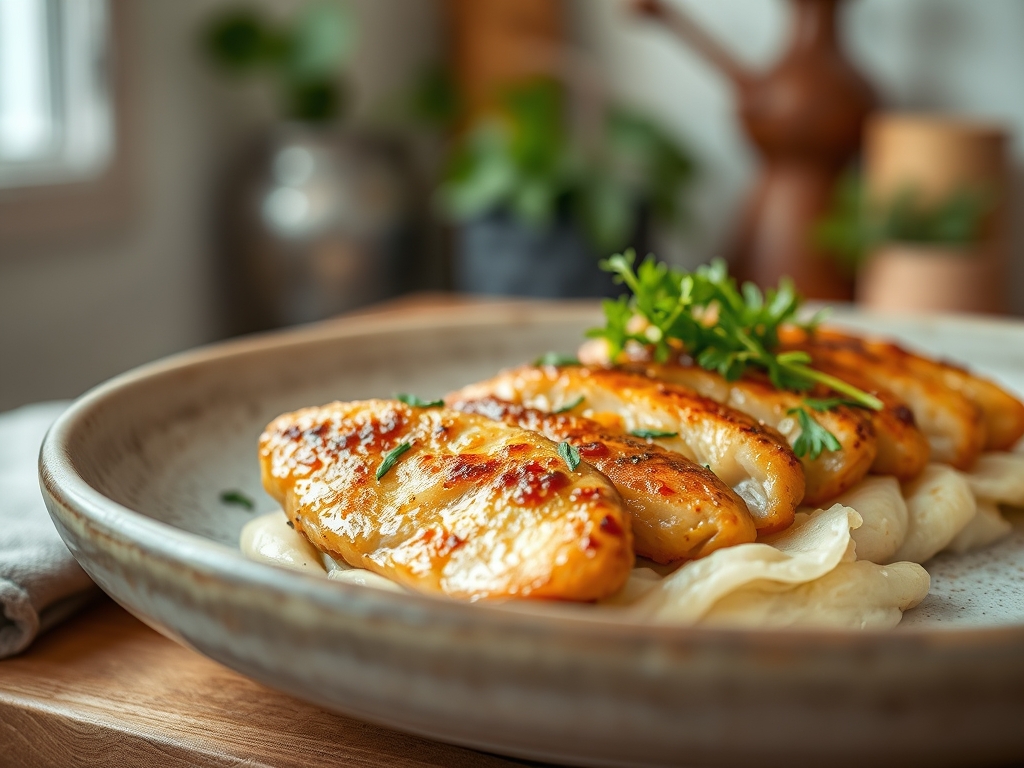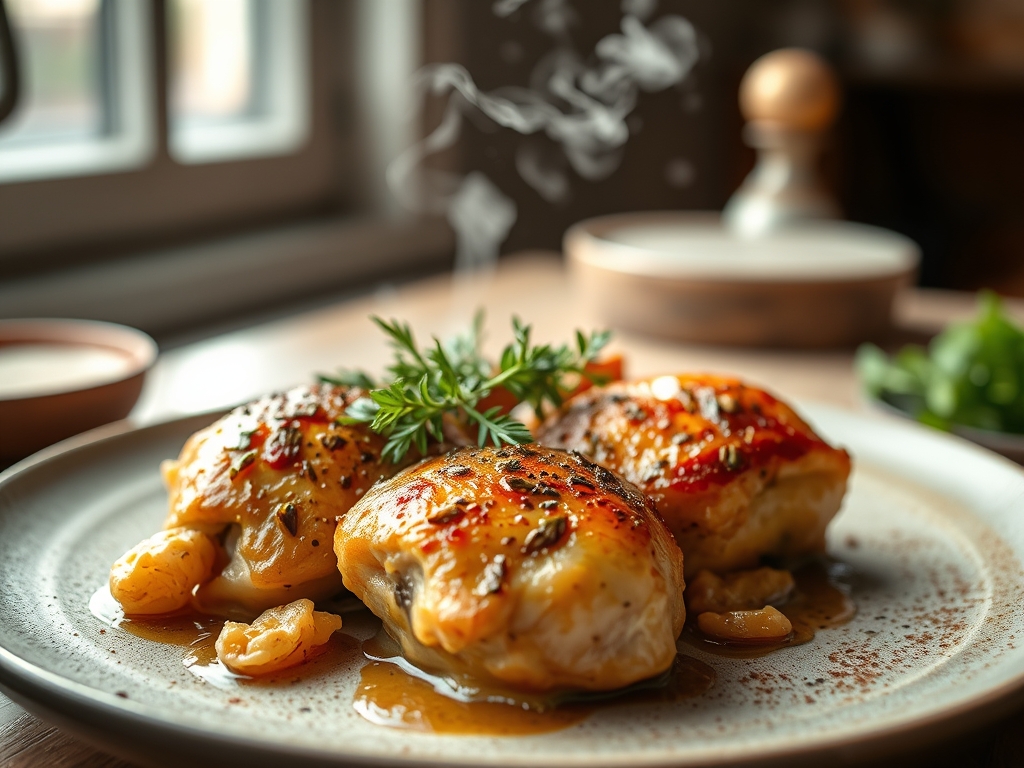
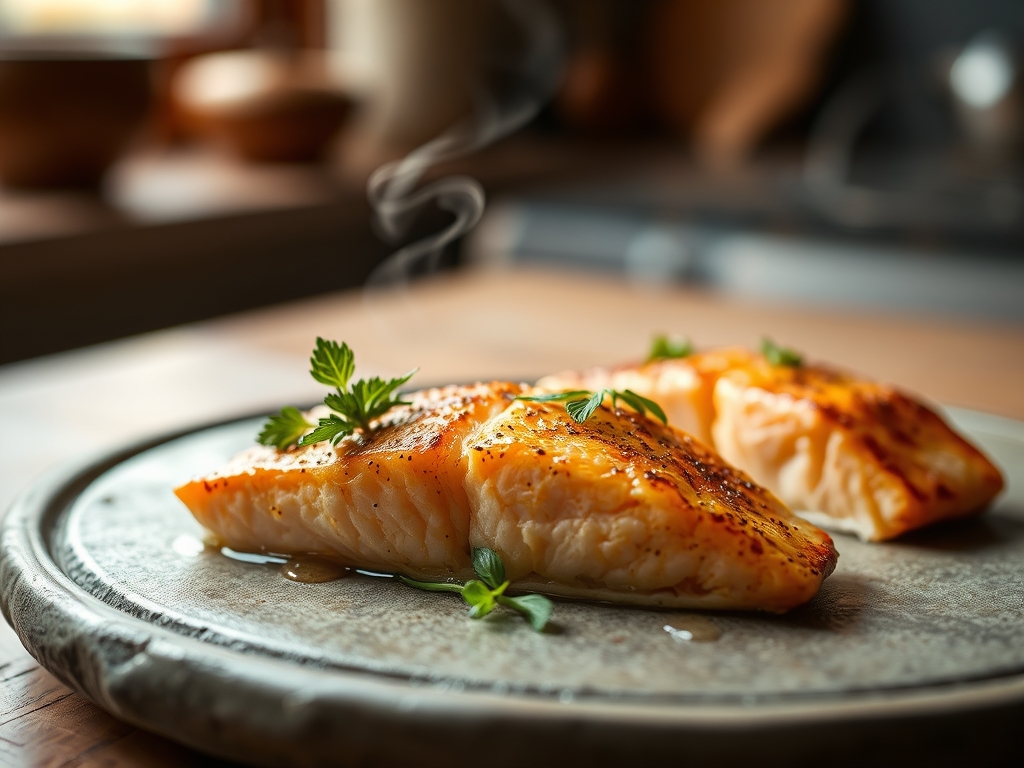
Picture a heavy-bottomed skillet shimmering with a thin veil of oil as a cold fillet of Atlantic salmon meets the heat. The immediate hiss is not just noise; it is the sound of water evaporating and proteins beginning to bond. This is the foundation of high protein low carb salmon recipes that actually satisfy. We are moving beyond the dry, chalky fish of your fitness past and entering a world where the skin is as crisp as a potato chip and the interior remains buttery and translucent. Salmon is the ultimate canvas for a low carb lifestyle because its dense omega-3 fatty acids provide the satiety that grains usually offer. By mastering the thermal mechanics of this pink-fleshed wonder, you can rotate through nine distinct flavor profiles without ever feeling like you are on a restrictive diet. We are talking about piquant lemon-caper reductions, spicy chipotle rubs, and herb-heavy pestos that cling to the fish without a gram of added sugar. Let us get your kitchen ready for a week of high-performance fuel that tastes like a five-star indulgence.
The Gathers:
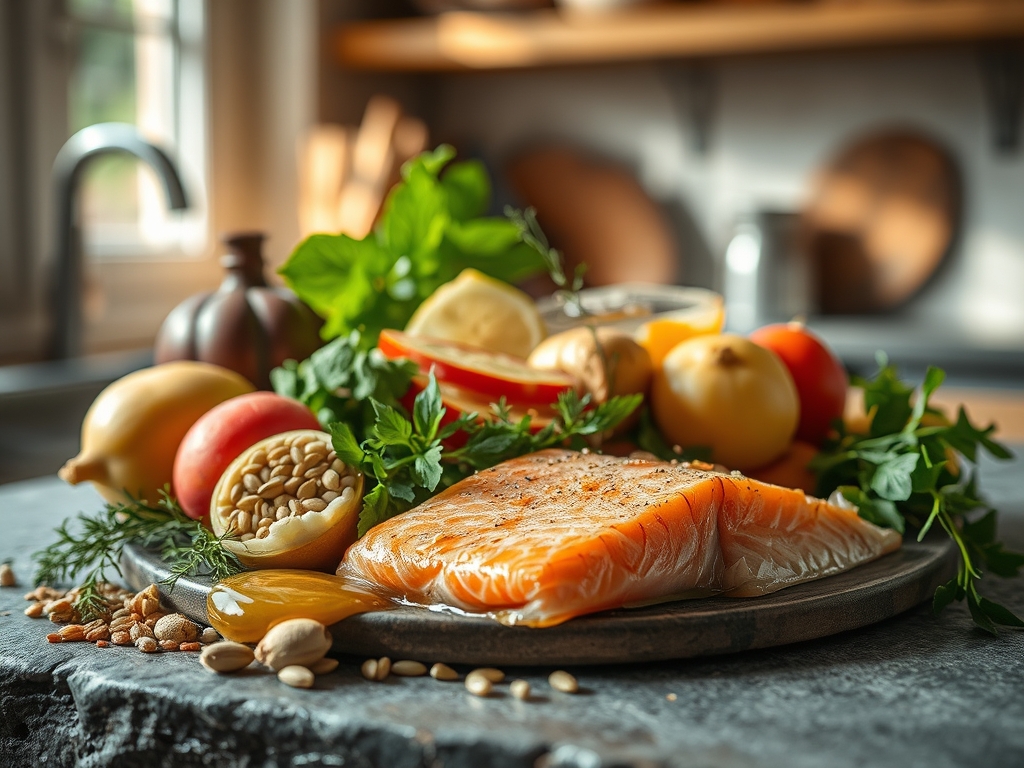
To execute these high protein low carb salmon recipes, your mise-en-place must be precise. Start with the salmon itself; look for fillets with vibrant color and tight muscle fibers. If the flesh appears "gapped," the structural integrity is compromised. You will need a high-quality fat for searing. Ghee or avocado oil are superior here because they possess high smoke points, preventing the acrolein development that turns fats bitter and smoky.
Gather your aromatics. Fresh dill, parsley, and cilantro provide volatile oils that brighten the richness of the fish. Use a microplane to zest lemons and limes; the essential oils reside in the zest, not the juice, providing a concentrated citrus punch without the acidic bite. For texture, skip the breadcrumbs. Instead, reach for crushed pecans or hemp hearts to create a "crust" that mimics the crunch of a traditional breading while keeping the glycemic load at zero.
Smart Substitutions are your secret weapon. If a recipe calls for honey to balance acidity, use a drop of liquid monk fruit or a splash of rice vinegar to provide that perceived sweetness. Instead of heavy cream in your sauces, use a dollop of Greek yogurt or silken tofu blended with lemon juice. This increases the protein density while maintaining a viscous, luxurious mouthfeel that coats the back of a spoon.
The Clock: Timing the Perfect Sear
Efficiency in the kitchen is about "Chef's Flow," the art of overlapping tasks so no heat is wasted. Prep time for these recipes is a brisk 15 minutes, mostly involving the precise dicing of vegetables and the measuring of spices on a digital scale. The actual cook time for salmon is remarkably short, usually between 6 to 10 minutes depending on the thickness of the cut.
The goal is to reach an internal temperature of 125 degrees Fahrenheit for medium-rare or 135 degrees for medium. Remember that thermal carryover will continue to cook the fish for several minutes after it leaves the pan. By the time you plate your greens and whisk a quick vinaigrette in a saucier, the salmon will have rested, allowing the juices to redistribute through the muscle fibers for a succulent finish.
The Masterclass:
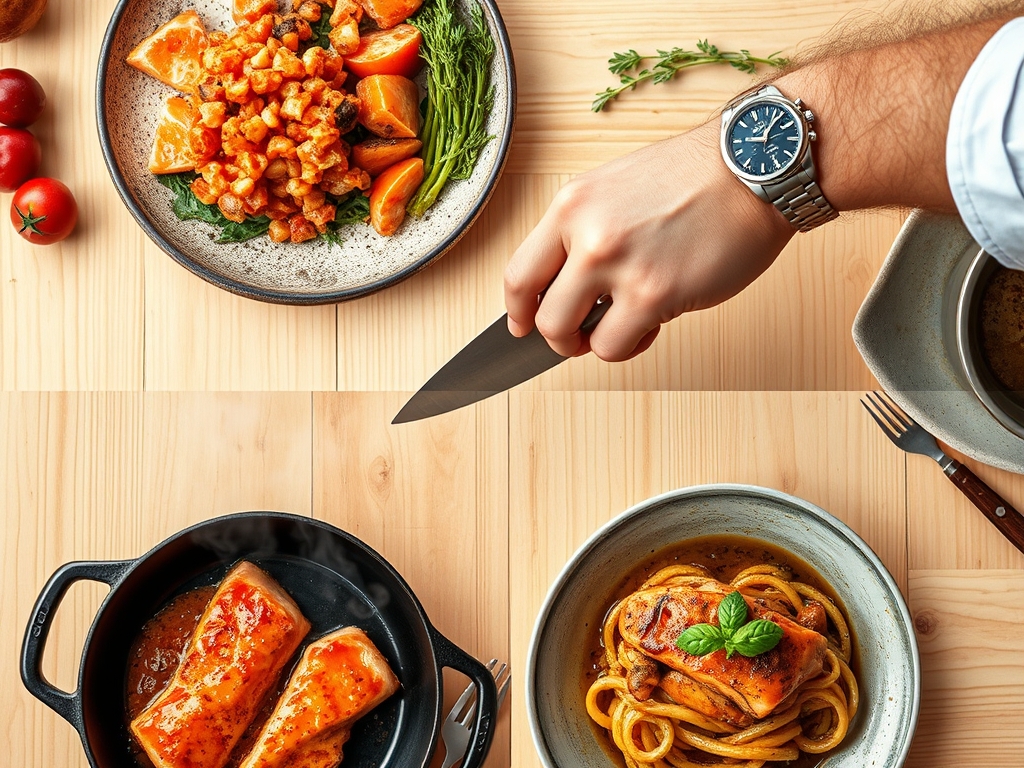
1. The Surface Prep
Before the fish touches the pan, use a paper towel to pat the skin completely dry. Moisture is the enemy of the Maillard reaction. If the surface is damp, the fish will steam rather than sear, resulting in a rubbery texture. Use a sharp chef's knife to score the skin slightly if the fillet is thick; this prevents the fish from curling as the proteins contract.
Pro Tip: This is about hygroscopy. Salt the skin side only seconds before it hits the pan. If you salt too early, the salt draws moisture out of the flesh via osmosis, ruining your chances of a crisp exterior.
2. The Heat Management
Place your heavy-bottomed skillet over medium-high heat until the oil ripples. Lay the salmon away from you to avoid oil splatter. Use a flexible fish spatula to press down firmly on the fillet for the first 30 seconds. This ensures maximum contact between the skin and the hot metal.
Pro Tip: Pressing the fish prevents the collagen in the skin from shrinking unevenly. Constant contact ensures the heat is distributed across the entire surface, creating a uniform golden-brown crust.
3. The Flip and Baste
Once the skin is crisp and the color has changed halfway up the side of the fillet, flip it gently using tongs. Drop a tablespoon of grass-fed butter and a smashed clove of garlic into the pan. Tilt the skillet and use a large spoon to continuously pour the hot, bubbling fat over the fish.
Pro Tip: This technique, known as arroser, uses the butter as a heat transfer medium. It cooks the top of the fish gently while infusing it with the fat-soluble compounds of the garlic and herbs.
4. The Rest
Remove the salmon from the pan and place it on a wire rack or a warm plate. Do not tent it tightly with foil, as the trapped steam will soften that skin you worked so hard to crisp. Let it sit for three minutes before serving.
Pro Tip: Resting allows for moisture equilibrium. During cooking, the muscle fibers contract and push juice toward the center. Resting allows those fibers to relax and reabsorb the liquid, ensuring a moist bite.
The Deep Dive:
Macro Nutrition
A standard 6-ounce serving of Atlantic salmon provides roughly 34 grams of protein and 0 grams of carbohydrates. It is rich in Vitamin B12 and Potassium. When paired with fibrous greens like asparagus or broccolini, the net carb count remains under 5 grams per meal, making these recipes ideal for metabolic health.
Dietary Swaps
For a keto-focused meal, increase the fat content with a side of avocado or a macadamia nut crust. If you are dairy-free, substitute the butter basting with a high-quality olive oil or coconut aminos for an umami-rich glaze. For those seeking a plant-based alternative, these same techniques can be applied to extra-firm tofu slabs "pressed" to mimic the salmon's density.
The Fix-It: Technical Solutions
- The Fish Sticks to the Pan: You likely tried to flip it too early. The fish will naturally "release" from the metal once the proteins have fully caramelized.
- White Gunk Appears (Albumin): This is just coagulated protein. It happens when the fish is cooked too fast at too high a temperature. Lower your heat slightly next time.
- The Skin is Soggy: You didn't dry the skin enough or the pan wasn't hot enough to trigger immediate evaporation. Use a bench scraper to clear the pan of excess moisture between batches.
Meal Prep and Reheating
To maintain "day-one" quality, do not microwave your salmon. The high-intensity waves will turn the fats rancid and the texture chewy. Instead, reheat in a 300-degree oven for 5 minutes or eat it cold over a salad. Cold salmon retains its structural integrity and the flavors often deepen overnight.
The Wrap-Up:
Mastering high protein low carb salmon recipes is like learning a new language; once you understand the grammar of heat and fat, you can say anything. You now have the technical prowess to turn a simple piece of fish into a culinary event. Keep your pans hot, your fish dry, and your herbs fresh. Your body will thank you for the clean fuel, and your taste buds will thank you for the professional-grade textures. Now, get that skillet screaming!
The Kitchen Table:
How do I know when the salmon is done without a thermometer?
Use a cake tester or a thin metal skewer. Insert it into the thickest part of the fish for five seconds, then touch it to your bottom lip. If it feels warm but not hot, your salmon is perfectly medium.
Can I use frozen salmon for these recipes?
Yes, but you must thaw it completely in the refrigerator. Pat it extremely dry with paper towels to remove excess moisture from the freezing process. This ensures the Maillard reaction can still occur effectively in the skillet.
Why does my salmon always smell "fishy"?
Fresh salmon should smell like the ocean, not "fishy." This odor is caused by Trimethylamine oxide breaking down. To fix it, rinse the fillet in cold water and pat dry, or soak it in milk for fifteen minutes before cooking.
What is the best pan for searing salmon?
A well-seasoned cast iron or stainless steel skillet is best. These materials retain heat exceptionally well, which is necessary to maintain a constant temperature when the cold fish hits the surface, ensuring a superior, crispy crust every time.