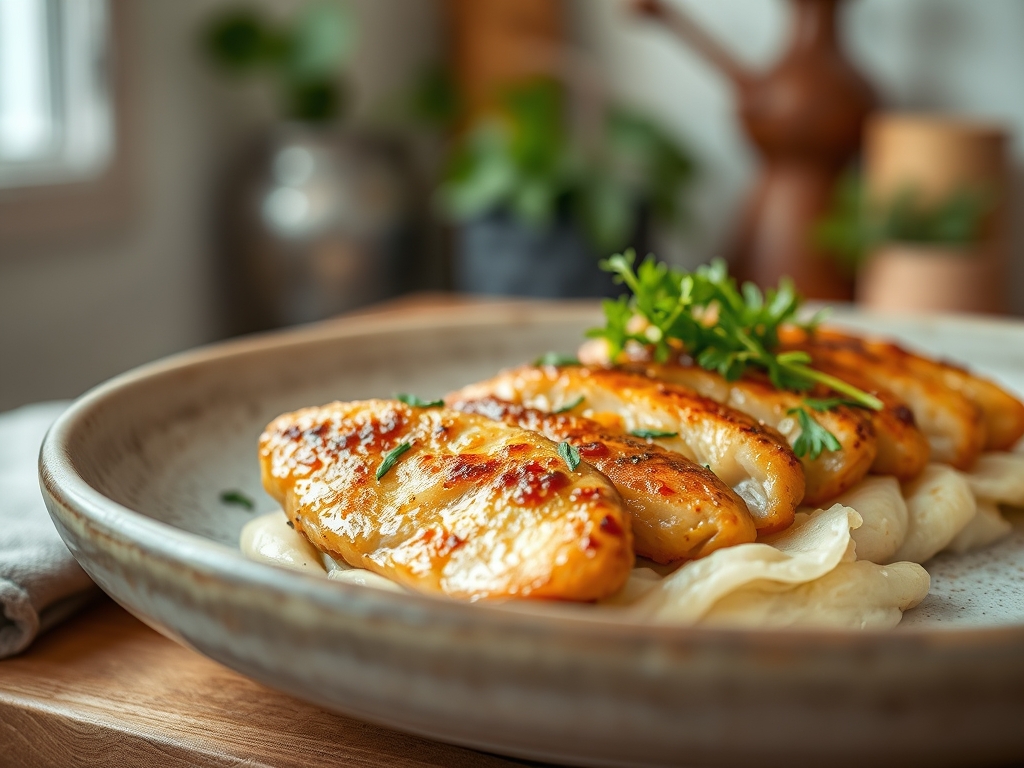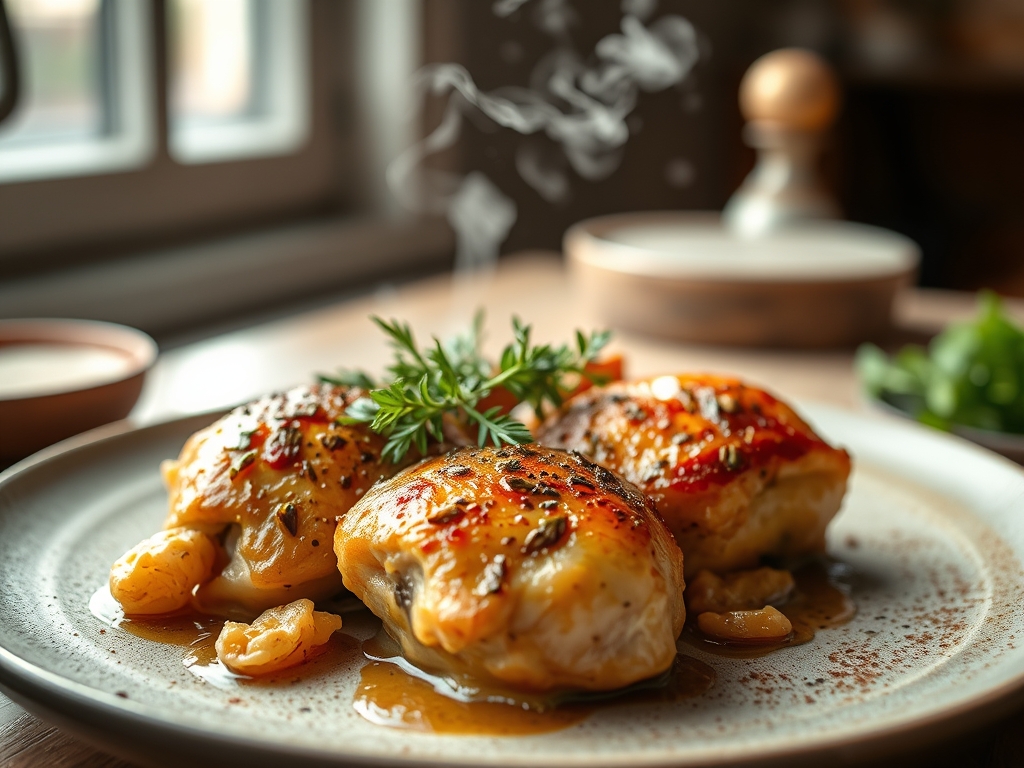
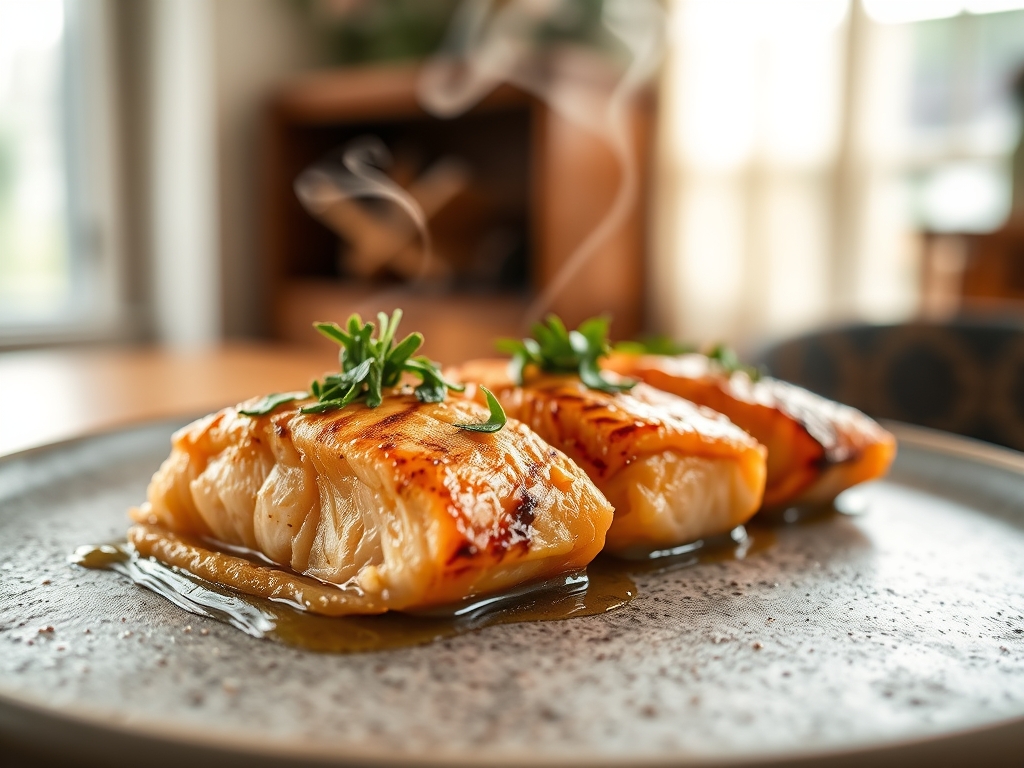
Imagine the scent of smoldering fruitwood mingling with the crisp morning air as your ceramic cooker reaches that perfect, steady hum. Finding the ultimate green egg smoked salmon recipes is about more than just heat; it is about mastering the delicate alchemy of salt, smoke, and fat. We are aiming for a translucent, buttery center and a mahogany exterior that shatters under a fork.
This is not your average backyard barbecue. We are diving into the molecular transformation of Omega-3 fatty acids. When you place a side of Steelhead or King salmon onto the grates of a Big Green Egg, you are engaging in a low-temperature curing process that preserves the cellular structure of the fish while infusing it with deep, campfire aromatics. The heavy ceramic walls of the Egg act as a thermal battery, providing the stable environment necessary to prevent the dreaded white albumin from weeping out of the flesh. We want succulent, pearlescent flakes that melt on the tongue. Grab your apron and a glass of something crisp; we are about to turn your patio into a high-end smokehouse.
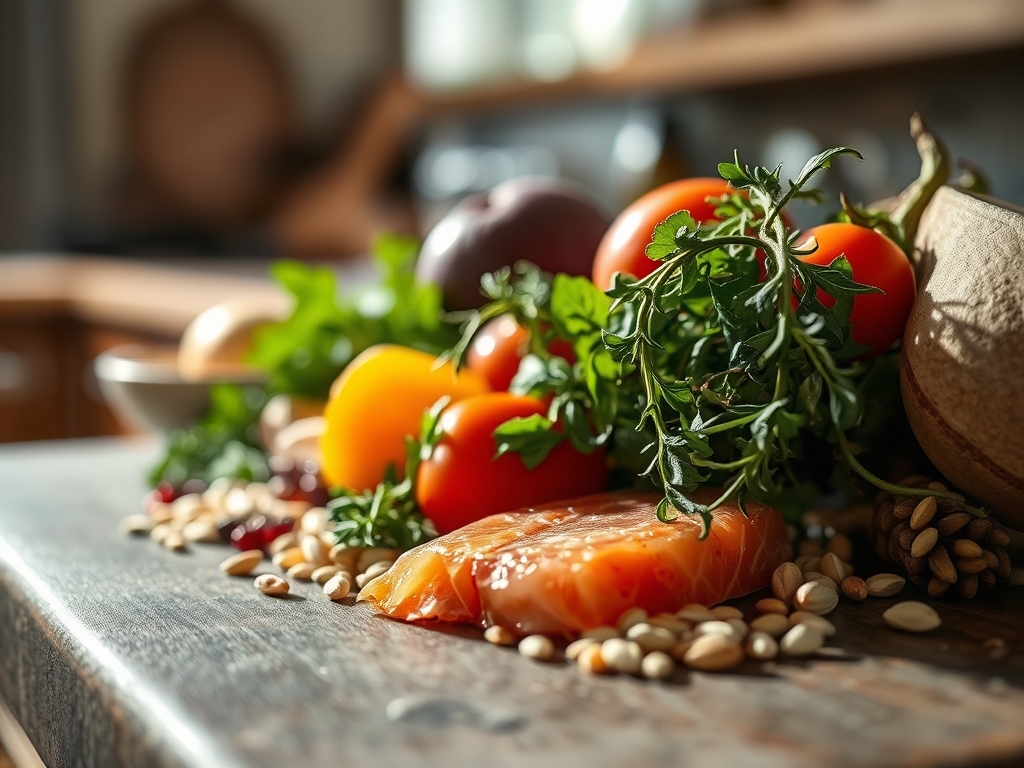
The Gathers:
To achieve professional results, your mise-en-place must be precise. Start with a high-quality side of salmon, preferably skin-on to act as a thermal shield. You will need a digital scale to measure your cure ingredients; accuracy here ensures the osmotic pressure is perfectly balanced. The dry brine consists of dark brown sugar, which provides a viscous molasses base, and Diamond Crystal kosher salt for its specific crystal density.
For the aromatics, gather fresh dill, toasted peppercorns, and lemon zest. Use a microplane to shave the zest into fine ribbons, releasing the essential oils without the bitter white pith. You will also need a bench scraper to help move the cured fillets without tearing the delicate protein fibers.
Smart Substitutions: If you are avoiding refined sugar, coconut sugar offers a similar depth of flavor and caramelization point. If you cannot find alder wood chunks, maple or cherry wood provide a similarly piquant and sweet smoke profile that does not overwhelm the natural oceanic sweetness of the fish.
The Clock
Efficiency in the kitchen is all about the "Chef's Flow." This recipe requires patience because we are working with biological timelines, not just heat.
- Prep Time: 20 minutes (Zesting, measuring, and coating).
- Curing Time: 4 to 8 hours (The essential window for protein denaturation).
- Pellicle Drying: 2 hours (Crucial for smoke adhesion).
- Cook Time: 60 to 90 minutes (Depending on thickness and ambient temperature).
- Resting Time: 15 minutes (To allow juices to redistribute).
The flow is simple: Brine the fish in the morning, let it air-dry in the fridge during the afternoon, and fire up the Egg for a sunset smoke session.
The Masterclass
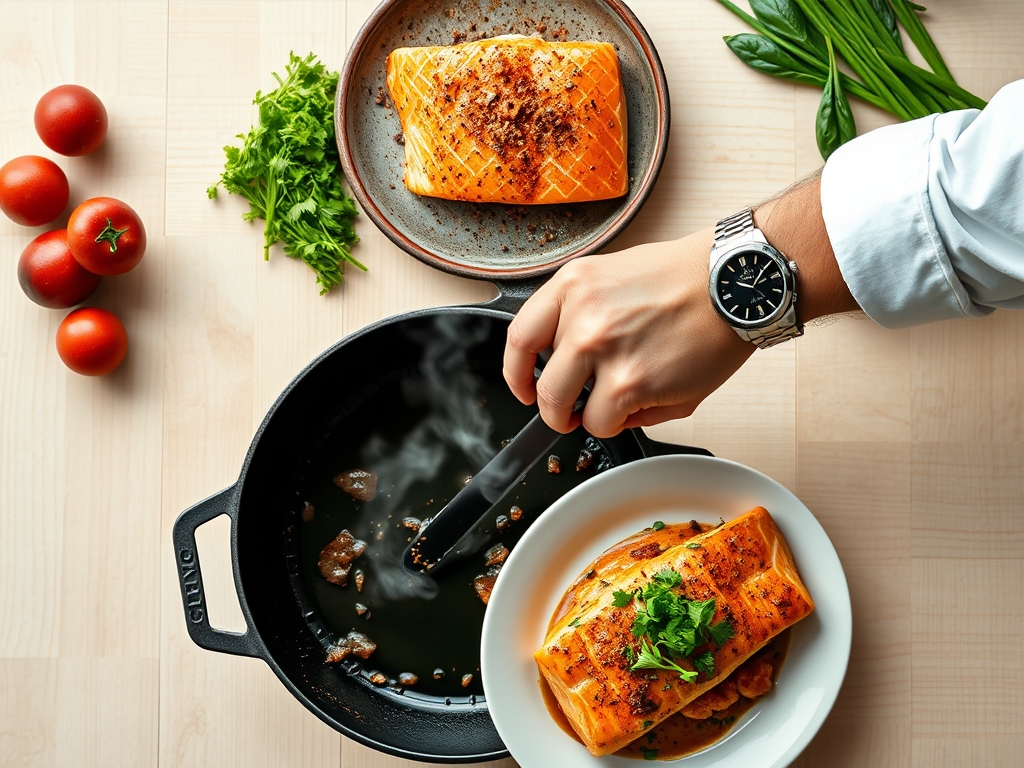
1. The Osmotic Cure
Generously coat the flesh side of your salmon with the salt and sugar mixture. Wrap it tightly in plastic wrap and place it on a sheet tray in the refrigerator. The salt draws moisture out of the cells, creating a concentrated brine that then re-enters the fish, seasoning it deeply.
Pro Tip: This process is called denaturation. The salt alters the protein structure so the fish stays firm yet tender. Using a digital scale ensures you do not over-cure, which can lead to a "hammy" texture.
2. Developing the Pellicle
After curing, rinse the fish under cold water and pat it bone-dry. Place it on a cooling rack over a sheet pan and leave it uncovered in the fridge for two hours. You are looking for a tacky, shiny surface.
Pro Tip: This sticky layer is the pellicle. Without it, the smoke particles cannot "stick" to the fish, and you will end up with a dull, grey exterior instead of a vibrant, lacquered finish.
3. Stabilizing the Egg
Load your Big Green Egg with lump charcoal and a few chunks of fruitwood. Aim for a steady 225 degrees Fahrenheit. Use the ConvEGGtor plate for indirect heat; we are smoking, not searing.
Pro Tip: Use an infrared thermometer to check the temperature of the ceramic walls. Stable radiant heat prevents the fat from rendering too quickly, which keeps the salmon moist.
4. The Infusion Phase
Place the salmon skin-side down on the grates. Close the lid and resist the urge to peek. The smoke needs to circulate evenly to infuse the fat layers.
Pro Tip: This is a low-energy thermal transfer. By keeping the lid closed, you maintain a pressurized environment that forces smoke molecules into the surface of the meat.
5. Monitoring the Internal Temp
Use a digital probe thermometer to track the internal temperature. You are aiming for 135 to 140 degrees Fahrenheit for a medium-rare, buttery finish.
Pro Tip: Beware of thermal carryover. The internal temperature will rise about 5 degrees after you remove the fish from the heat. Pull it at 135 degrees to hit that perfect 140-degree sweet spot.
6. The Glaze Application
In the last 15 minutes of cooking, use a silicone pastry brush to apply a thin layer of maple syrup or honey. This adds a final layer of sweetness and a gorgeous sheen.
Pro Tip: This creates a minor Maillard reaction on the surface. The sugars interact with the residual heat to create complex, savory-sweet flavor compounds.
7. The Rest and Slice
Transfer the salmon to a wooden board and let it rest. Use a long, thin slicing knife or a saucier spoon to drizzle any remaining juices back over the top before serving.
Pro Tip: Resting allows the muscle fibers to relax and reabsorb moisture. If you slice too soon, the viscous fats will leak out, leaving the fish dry.
The Deep Dive
Macro Nutrition: Smoked salmon is a nutritional powerhouse. It is exceptionally high in Vitamin B12 and Vitamin D. A standard 3.5-ounce serving provides roughly 18 grams of high-quality protein and 2 grams of heart-healthy Omega-3 fatty acids.
Dietary Swaps: For a Keto-friendly version, replace the brown sugar in the cure with an erythritol-based sweetener. For a Vegan "salmon" alternative, you can use the same smoke technique on large, marinated carrots or slabs of extra-firm tofu, though the cook times will decrease significantly.
The Fix-It:
- The Albumin Bleed: If white goo appears on the surface, your heat is too high. Lower the vents immediately.
- Salty Overload: If the fish is too salty, you likely cured it too long. Next time, reduce the cure time or increase the sugar-to-salt ratio.
- Acrid Flavor: This happens from "dirty smoke." Ensure your charcoal is fully lit and the smoke coming from the chimney is thin and blue, not thick and white.
Meal Prep: To reheat without losing quality, place the salmon in a shallow dish with a splash of water, cover with foil, and warm at 275 degrees. This creates a gentle steam environment that prevents the fats from oxidizing and turning "fishy."
The Wrap-Up
Mastering green egg smoked salmon recipes is a rite of passage for any serious outdoor cook. It requires a blend of scientific precision and sensory intuition. By focusing on the development of the pellicle and maintaining a steady, low-temperature environment, you can produce a fillet that rivals the best smokehouses in the Pacific Northwest. Remember, the Big Green Egg is your partner in this process; its insulation does the heavy lifting, leaving you free to focus on the nuances of your cure and wood selection. Now, fire up that Egg and prepare for the best bagel topper of your life.
The Kitchen Table
How long does smoked salmon last in the fridge?
Stored in an airtight container or vacuum-sealed bag, smoked salmon remains fresh for five to seven days. For the best texture, ensure it is completely cooled before sealing to prevent condensation from making the skin soggy.
Can I smoke frozen salmon fillets?
Yes, but they must be completely thawed in the refrigerator first. Frozen fish often has more broken cell walls, so the cure time should be slightly shorter to prevent the flesh from becoming overly mushy or salty.
What is the best wood for salmon?
Alder is the traditional choice for its light, sweet profile. Fruitwoods like apple, cherry, or peach also work beautifully. Avoid heavy woods like mesquite or hickory, which can easily overpower the delicate flavor of the fish.
Why is my smoked salmon dry?
Dryness usually stems from overcooking or skipping the brine. Ensure you pull the fish at an internal temperature of 135 to 140 degrees Fahrenheit. The brine helps the proteins retain moisture even under the drying effects of smoke.