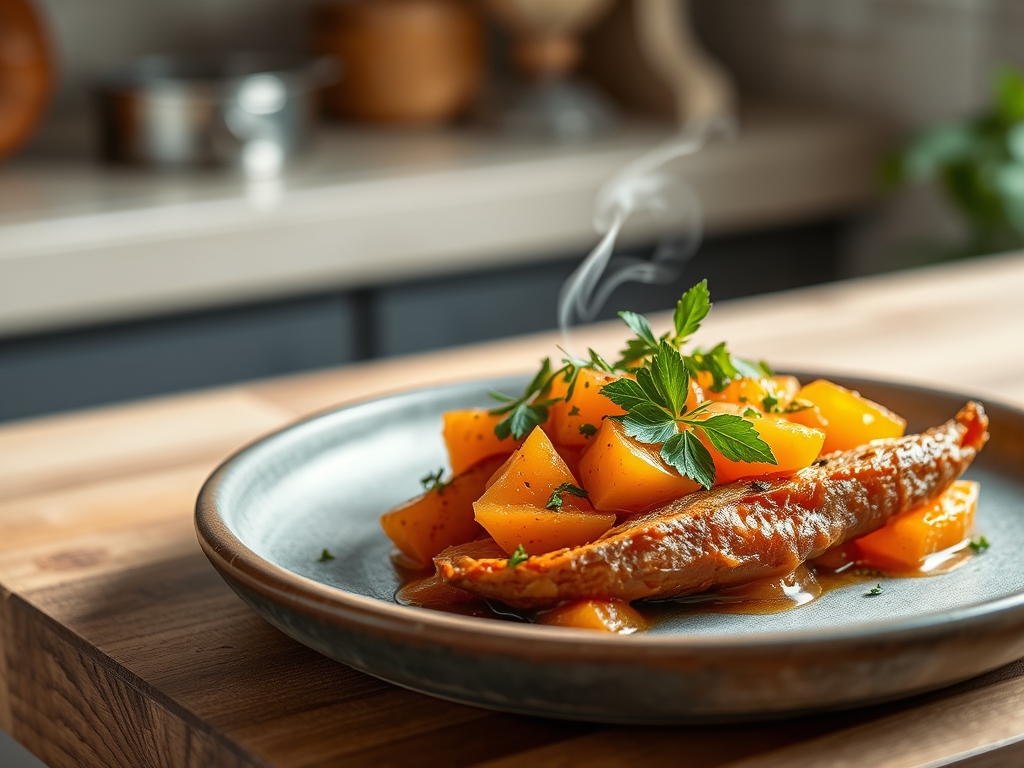
Imagine the scent of caramelized sugars drifting through your kitchen as a humble tuber transforms into a culinary masterpiece. Finding truly yummy sweet potato recipes is less about following a rigid list of steps and more about mastering the alchemy of heat and sugar. When you roast these orange gems, you are not just cooking; you are initiating a complex chemical ballet known as the Maillard reaction. This process rearranges amino acids and reducing sugars to create that deep, toasted flavor we crave. Whether you want a savory kick or a velvet-smooth dessert profile, the sweet potato is the ultimate canvas for your kitchen experiments.
The magic lies in the moisture content. A sweet potato is roughly 75 percent water, which means our goal is to manage evaporation while concentrating the natural maltose. As the internal temperature climbs, enzymes called amylases wake up and start breaking down complex starches into simpler, sweeter sugars. This is why a slow-roasted potato tastes significantly sweeter than one zapped quickly in the microwave. We are aiming for that perfect structural integrity where the skin is crisp and the interior is luscious and viscous. Grab your favorite apron and let's dive into the science of the perfect bake.
The Gathers:
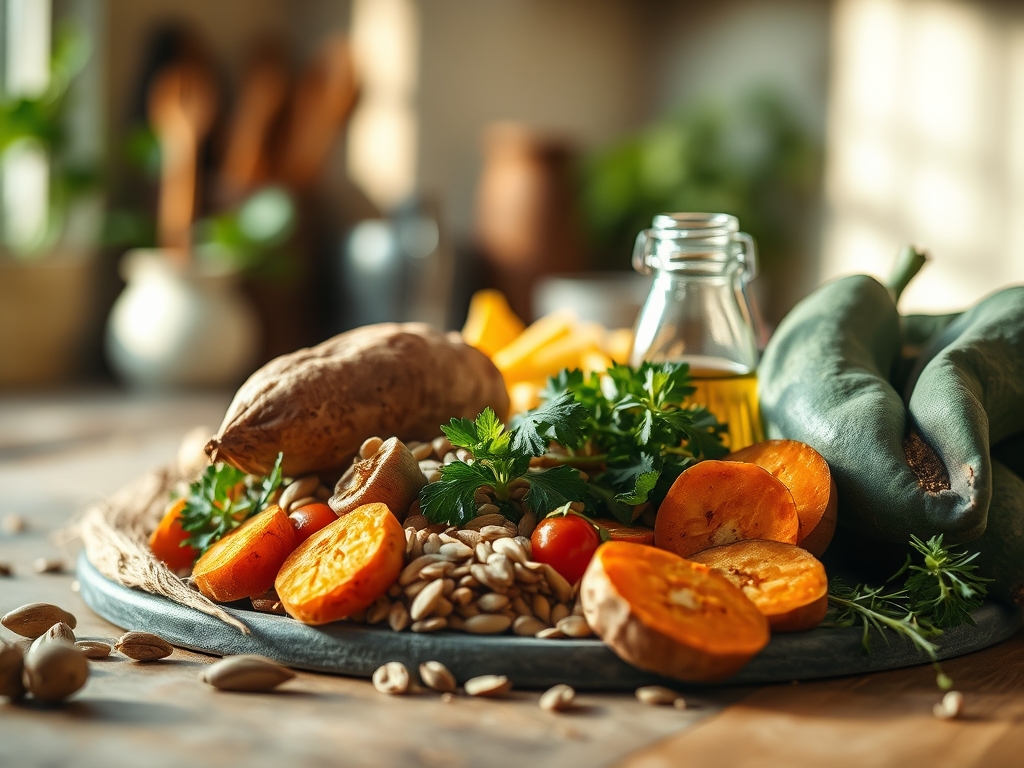
To execute these yummy sweet potato recipes with precision, your mise-en-place must be impeccable. Start with firm, medium-sized Beauregard or Jewel varieties; these have the highest moisture-to-sugar ratio for roasting. You will need a high-smoke-point fat like avocado oil or clarified butter to ensure the skins crisp without burning. For seasoning, keep a digital scale nearby to measure your salt at exactly one percent of the tuber's weight for perfect flavor enhancement.
Professional kitchens rely on aromatics to build depth. Gather fresh thyme sprigs, smoked paprika for a piquant edge, and high-quality maple syrup to reinforce the natural sugars. If you are leaning into the savory profiles, have some aged Pecorino Romano and toasted pepitas ready for textural contrast.
Smart Substitutions:
If you find yourself without sweet potatoes, Japanese Yams (Satsuma-imo) offer a denser, chestnut-like flavor and starchier crumb. For a vegan fat swap, use refined coconut oil; it provides the necessary saturated fat for a crisp exterior without the tropical flavor profile. If you need a lower-glycemic option, substitute half the potato volume with roasted carrots to maintain the orange hue and earthy sweetness while reducing the total carbohydrate load.
The Clock
Efficiency in the kitchen is all about the Chef's Flow. Expect about 15 minutes of active prep time, which includes scrubbing the skins with a stiff brush to remove debris and slicing them into uniform shapes to ensure even thermal distribution. The roasting phase typically requires 45 to 60 minutes at 400 degrees Fahrenheit.
The "flow" involves utilizing the roasting time to prepare your garnishes and sauces. While the potatoes are in the oven, you can infuse your butter or whisk together a tahini-lemon dressing. This ensures that the moment the potatoes reach their peak internal temperature, you are ready to plate. Remember to factor in a 5-minute rest period; this allows the steam to redistribute so the flesh does not collapse the moment you slice it open.
The Masterclass
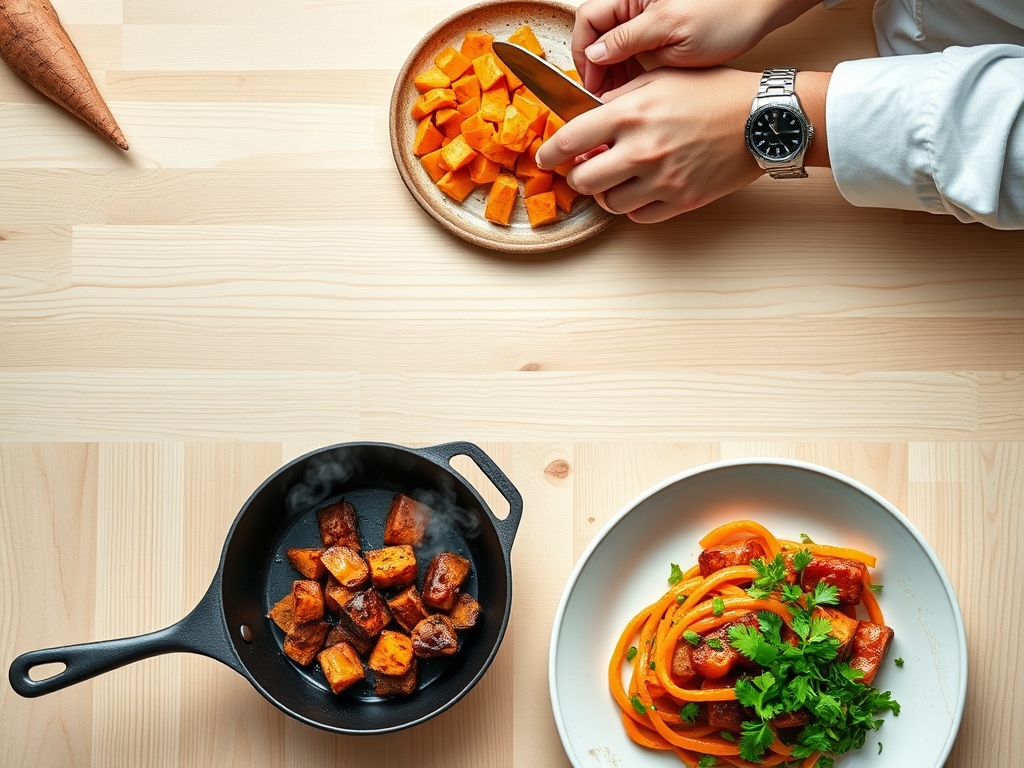
1. Preparation and Surface Tension
Scrub your potatoes and pat them completely dry with a lint-free towel. Use a sharp chef's knife to slice them into rounds or wedges, ensuring maximum surface area for browning.
Pro Tip: Drying the surface is vital because moisture creates steam, which prevents the Maillard reaction. By removing surface water, you allow the oil to immediately begin frying the skin, creating a crisp barrier.
2. The Fat Coating and Aeration
Toss your sliced potatoes in a large mixing bowl with your chosen fat and seasonings. Use your hands or a silicone spatula to ensure every millimeter of the surface is coated.
Pro Tip: This thin layer of fat acts as a heat conductor. It fills the microscopic crevices of the potato skin, ensuring that the dry heat of the oven is transferred evenly across the entire surface for a uniform golden-brown finish.
3. The High-Heat Roast
Arrange the potatoes on a heavy-duty baking sheet lined with parchment paper. Ensure they are not touching; crowding the pan causes the potatoes to release steam into each other, resulting in a soggy texture rather than a crisp one.
Pro Tip: Use a heavy-bottomed skillet or a thick baking sheet to prevent warping. The thermal mass of a heavy pan helps maintain a consistent temperature even when you open the oven door to check on progress.
4. The Flip and Deglaze
Halfway through the cooking process, use tongs to flip each piece. If you are using a glaze, like honey or balsamic, apply it during the last ten minutes of cooking.
Pro Tip: Adding sugars too early will cause them to burn before the potato interior is soft. By waiting until the final stage, you allow the glaze to reduce and become viscous without carbonizing.
5. The Finishing Touch
Once the potatoes are fork-tender and the edges are caramelized, remove them from the oven. Immediately hit them with a final sprinkle of flaky sea salt and fresh herbs.
Pro Tip: This is the "thermal carryover" phase. The internal temperature will continue to rise by about five degrees after removal. Adding salt now allows it to adhere to the residual surface oils without dissolving into the flesh.
The Deep Dive
When we look at the macro nutrition of yummy sweet potato recipes, we are looking at a powerhouse of complex carbohydrates and Vitamin A. One medium potato provides over 400 percent of your daily recommended intake of beta-carotene. Because they are high in fiber, they have a lower glycemic index than white potatoes, providing sustained energy without the crash.
Dietary Swaps:
For a Keto-friendly version, serve smaller portions alongside high-protein fats like ribeye or salmon to balance the insulin response. Vegan enthusiasts should reach for nutritional yeast to add a "cheesy" umami flavor without the dairy. For a Gluten-Free guarantee, always check that your spices and thickeners are certified, though the potato itself is naturally safe.
The Fix-It:
- Soggy Fries: This usually happens due to overcrowding. Fix it by spreading them across two pans and increasing the heat to 425 degrees for the last five minutes.
- Burnt Edges, Raw Middle: Your oven temperature is too high. Lower the heat and cover the pan with foil to trap steam, allowing the center to cook through before the outside chars.
- Bland Flavor: You likely under-salted. Use a microplane to zest some lime or lemon over the top; the acid will brighten the earthy notes and make the flavors pop.
Meal Prep Science:
To maintain "day-one" quality, store leftovers in an airtight glass container. When reheating, avoid the microwave, which turns the starch gummy. Instead, use an air fryer or a toaster oven at 350 degrees to re-crisp the exterior while gently warming the interior.
The Wrap-Up
Mastering yummy sweet potato recipes is a gateway to becoming a more intuitive cook. By understanding how heat interacts with starch and sugar, you can pivot from a spicy chipotle roast to a sweet cinnamon mash with total confidence. These tubers are resilient, nutritious, and incredibly forgiving, making them the perfect centerpiece for a weeknight dinner or a festive holiday spread. Keep experimenting with textures and acids, and never underestimate the power of a perfectly roasted potato.
The Kitchen Table
How do I stop sweet potatoes from getting mushy?
Avoid overcrowding the pan and ensure the potatoes are completely dry before adding oil. High heat (400F+) is essential to evaporate moisture quickly, allowing the exterior to crisp before the interior overcooks and collapses.
Should I peel sweet potatoes before roasting?
Keeping the skin on provides better structural integrity and concentrated nutrients. The skin also crisps up beautifully, providing a necessary textural contrast to the soft, velvety interior of the roasted tuber.
What is the best oil for roasting sweet potatoes?
Use oils with a high smoke point like avocado, grapeseed, or clarified butter (ghee). These fats can withstand the 400 degree heat required for caramelization without breaking down or creating bitter, off-flavors.
Why are my sweet potatoes turning brown after cutting?
This is enzymatic browning caused by oxidation. To prevent this, keep your cut potatoes in a bowl of cold water until you are ready to roast. Just be sure to dry them thoroughly before hitting the oven.