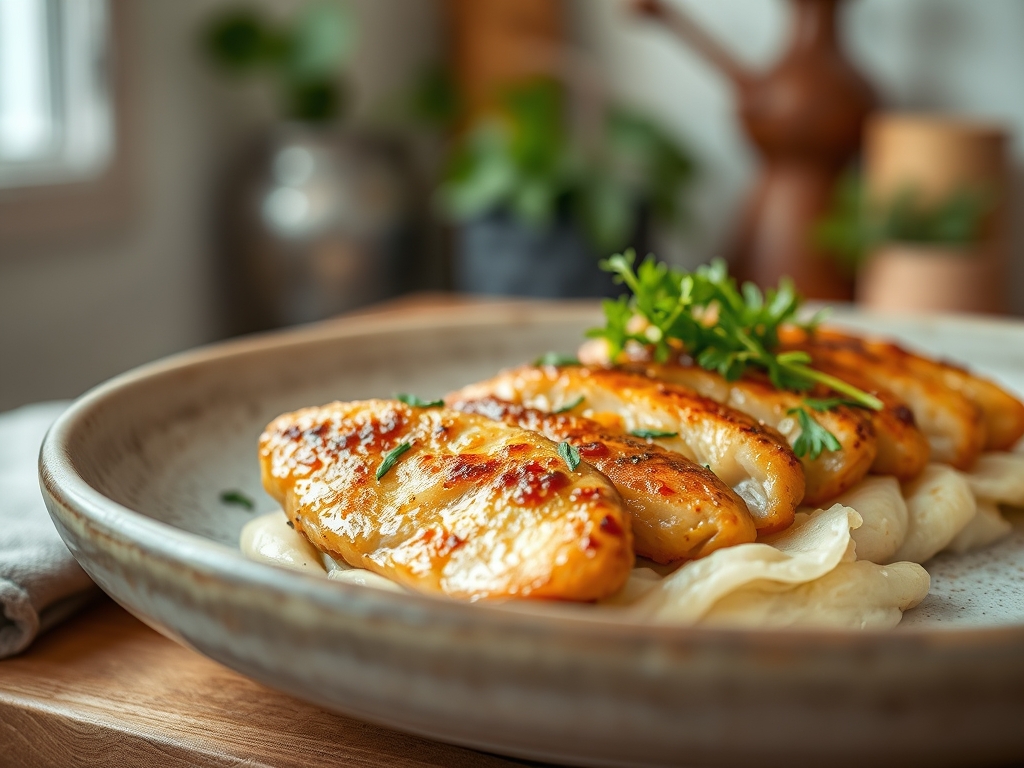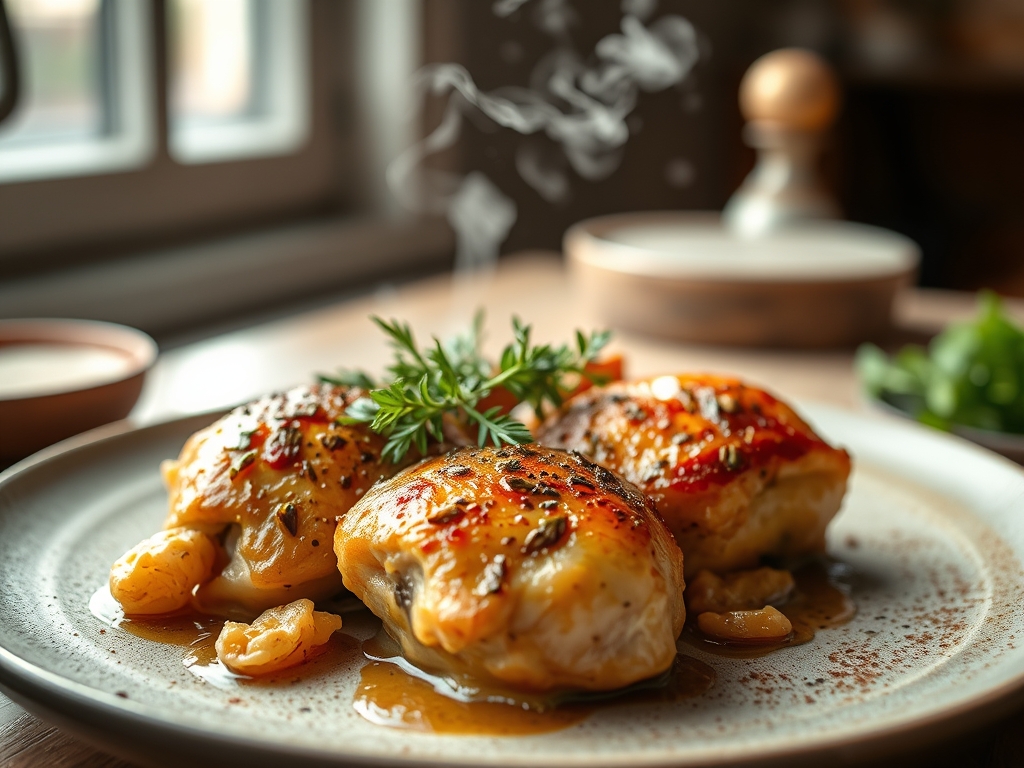
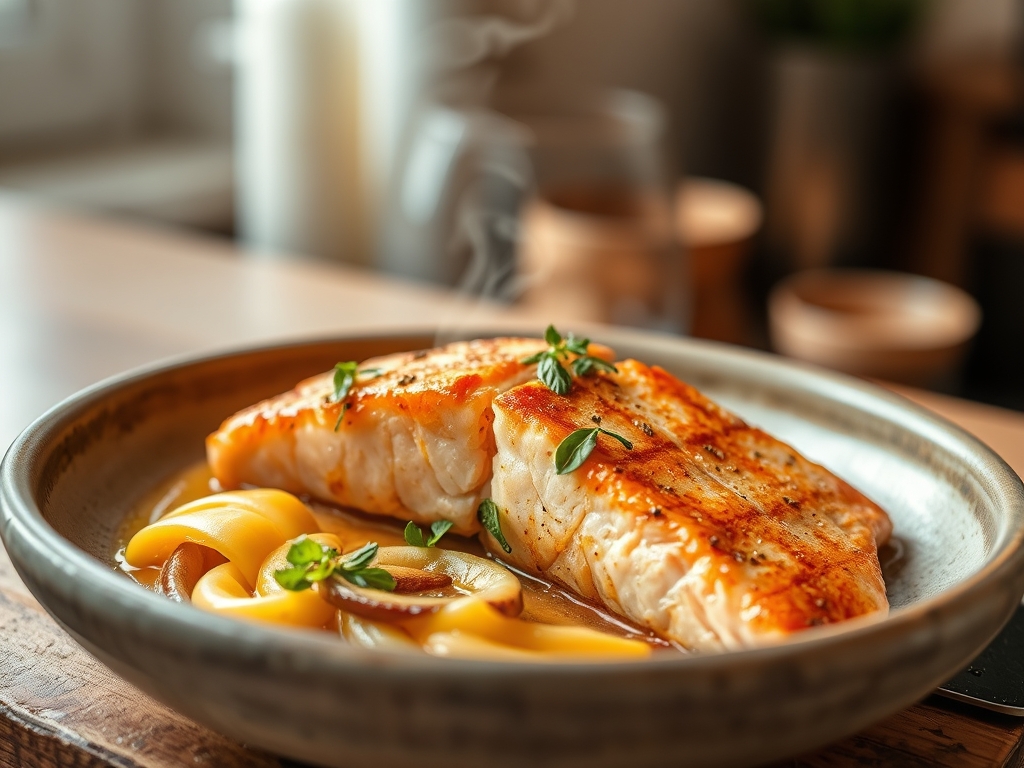
Imagine the sound of cold, fatty skin hitting a screaming hot cast iron surface; it is a sharp, rhythmic hiss that signals the start of the Maillard reaction. This is the moment where amino acids and reducing sugars transform into a golden, savory crust that shatters under the fork. When you are building the ultimate salmon recipes bowl, you are not just tossing ingredients into a dish; you are architecting a structural masterpiece of textures and temperatures. We want the contrast of chilled, crisp cucumbers against the thermal weight of pan-seared fish. We want the piquant bite of pickled ginger to cut through the rich, viscous fats of a ripe avocado. It is about creating a sensory loop that keeps your palate engaged from the first bite to the final grain of rice. Think of this as your culinary blueprint for a meal that feels like a luxury spa lunch but provides the functional fuel of a professional athlete. We are going deep into the chemistry of the sear and the logic of the bowl.
The Gathers:
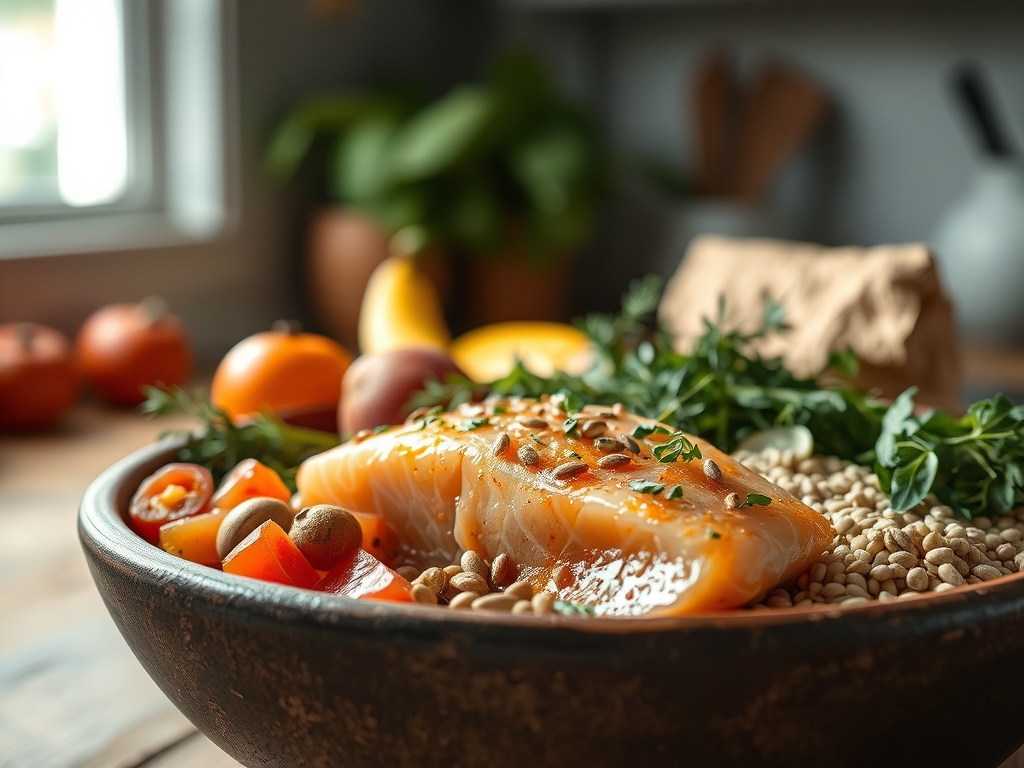
To execute these salmon recipes bowl variations, your mise-en-place must be precise. Start with high-quality Atlantic or Sockeye fillets; look for vibrant color and firm muscular structure. You will need a heavy-bottomed skillet or a stainless steel pan to ensure even heat distribution. For the base, gather short-grain sushi rice, quinoa, or cauliflower rice. Your aromatics should include fresh ginger and garlic, which you will process using a microplane to create a fine paste that integrates seamlessly into dressings.
For the "nine pairings," ensure you have a spectrum of produce: edamame for plant-based protein, shredded carrots for crunch, and radishes for a peppery finish. Use a digital scale to measure your salmon portions, ideally six ounces per bowl, to maintain nutritional consistency.
Smart Substitutions: If you are avoiding grains, swap the rice for massaged kale; the fibrous structure holds up well against warm dressings. If fresh salmon is unavailable, high-quality canned wild salmon or smoked lox can be used, though you will lose the textural benefit of the seared skin. For a vegan twist on the "vibe," extra-firm tofu pressed with a bench scraper to remove moisture provides a similar protein density.
The Clock
Efficiency in the kitchen is about "Chef's Flow," which means overlapping tasks to minimize downtime. Total active prep time for these bowls is approximately 15 minutes, with a cook time of 8 to 10 minutes.
Start by rinsing your grains; this removes excess surface starch to prevent clumping. While the grains simmer, perform all knife work. Use a sharp chef's knife to julienne your vegetables. By the time your base is fluffing, your salmon should be hitting the pan. The goal is to have the fish finish exactly when the assembly station is ready, preventing the salmon from sitting too long and losing its internal moisture to thermal carryover.
The Masterclass
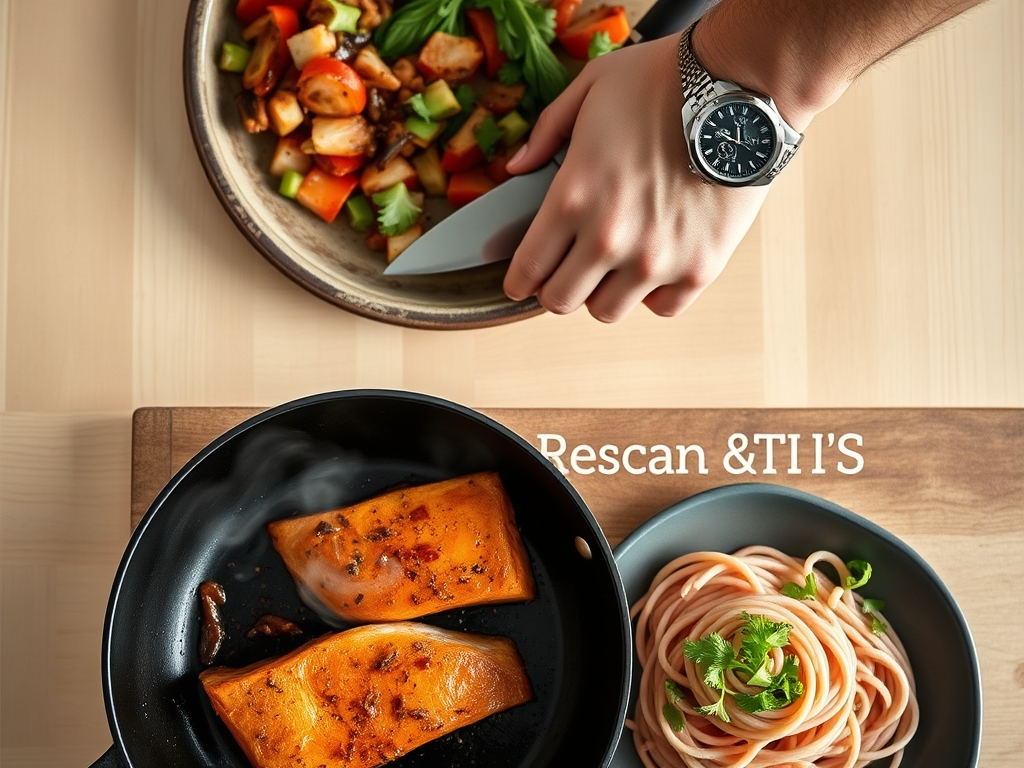
1. Tempering and Surface Prep
Remove your salmon from the refrigerator 20 minutes before cooking. Use a paper towel to pat the skin bone-dry. Moisture is the enemy of a crisp sear; any surface water will turn to steam and prevent the skin from reaching the temperatures required for browning.
Pro Tip: This prevents thermal shock, ensuring the proteins do not tighten too quickly, which results in a more tender, flakey interior.
2. The High-Heat Sear
Heat your skillet until a drop of water dances and evaporates instantly. Add a high-smoke-point oil like avocado oil. Place the salmon skin-side down and press firmly with a fish spatula for 30 seconds to prevent the skin from curling.
Pro Tip: This mechanical pressure ensures maximum surface contact, accelerating the Maillard reaction for a deeper flavor profile.
3. Emulsifying the Dressing
In a small saucier, whisk together soy sauce, toasted sesame oil, and rice vinegar. Slowly stream in your oil while whisking vigorously to create a stable emulsion.
Pro Tip: Adding a teaspoon of Dijon mustard or honey acts as a stabilizer, preventing the oil and vinegar from separating through molecular cohesion.
4. Aerating the Base
Once your rice or quinoa is finished, use a fork or a wooden paddle to gently lift and fold the grains. Do not mash them. This allows steam to escape and prevents the grains from becoming gummy.
Pro Tip: This process, known as aeration, ensures each grain remains distinct, providing a better "mouthfeel" and preventing the bowl from feeling heavy.
5. The Final Assembly
Layer your greens, then your grains, followed by the vegetables. Place the salmon on top as the centerpiece. Drizzle the dressing and finish with a sprinkle of furikake or toasted sesame seeds.
Pro Tip: Placing the warm salmon on top of raw greens creates a slight wilting effect, which softens the cellulose in the vegetables and makes them easier to digest.
The Deep Dive
Macro Nutrition: A standard salmon recipes bowl is a powerhouse of Omega-3 fatty acids, which are essential for brain health and reducing inflammation. Expect roughly 35g of protein, 20g of healthy fats, and 45g of complex carbohydrates per serving.
Dietary Swaps:
- Keto: Replace rice with "zoodles" or cauliflower rice and increase the avocado portion.
- Paleo: Use coconut aminos instead of soy sauce to avoid legumes and gluten.
- Low-FODMAP: Omit garlic and onions; use the green tops of scallions for flavor.
The Fix-It:
- Rubbery Skin: Your pan wasn't hot enough. Fix it by finishing the salmon under a broiler for 60 seconds.
- Dry Fish: You overcooked it. Next time, pull the fish when the internal temperature hits 125F; thermal carryover will bring it to the perfect 135F.
- Bland Grains: You didn't season the water. Always salt your grain water or cook them in bone broth to infuse flavor from the inside out.
Meal Prep: To maintain "day-one" quality, store the salmon and grains separately from the raw vegetables. When reheating, use a damp paper towel over the salmon in the microwave to create a steam chamber, preventing the fats from becoming rancid or the flesh from toughening.
The Wrap-Up
Mastering the salmon recipes bowl is like learning a favorite song; once you have the rhythm of the sear and the harmony of the dressing down, you can improvise endlessly. Whether you are leaning into a spicy sriracha mayo or a clean, citrusy ponzu, the foundation remains the same: quality ingredients and technical precision. Now, go grab your tongs and get that skillet hot. Your body and your taste buds will thank you for this nutrient-dense, restaurant-quality masterpiece!
The Kitchen Table
How do I get the salmon skin extra crispy?
Ensure the skin is bone-dry before cooking. Use a fish spatula to press the fillet firmly into a preheated, oiled skillet. This ensures even contact and triggers the Maillard reaction for a shattering, golden crust.
Can I use frozen salmon for these bowls?
Yes, but thaw it completely in the refrigerator first. Pat it extremely dry to remove excess moisture from the freezing process. This prevents the fish from steaming in the pan and ensures a proper sear.
What is the best way to store leftovers?
Store the cooked salmon and grains in an airtight container for up to three days. Keep fresh toppings like avocado or cucumber separate to maintain their texture and prevent the bowl from becoming soggy during storage.
Is it better to bake or pan-sear the salmon?
Pan-searing is superior for texture because it creates a crisp exterior. However, baking is more "hands-off." If baking, use a high temperature (400F) to mimic the sear and prevent the fish from drying out internally.