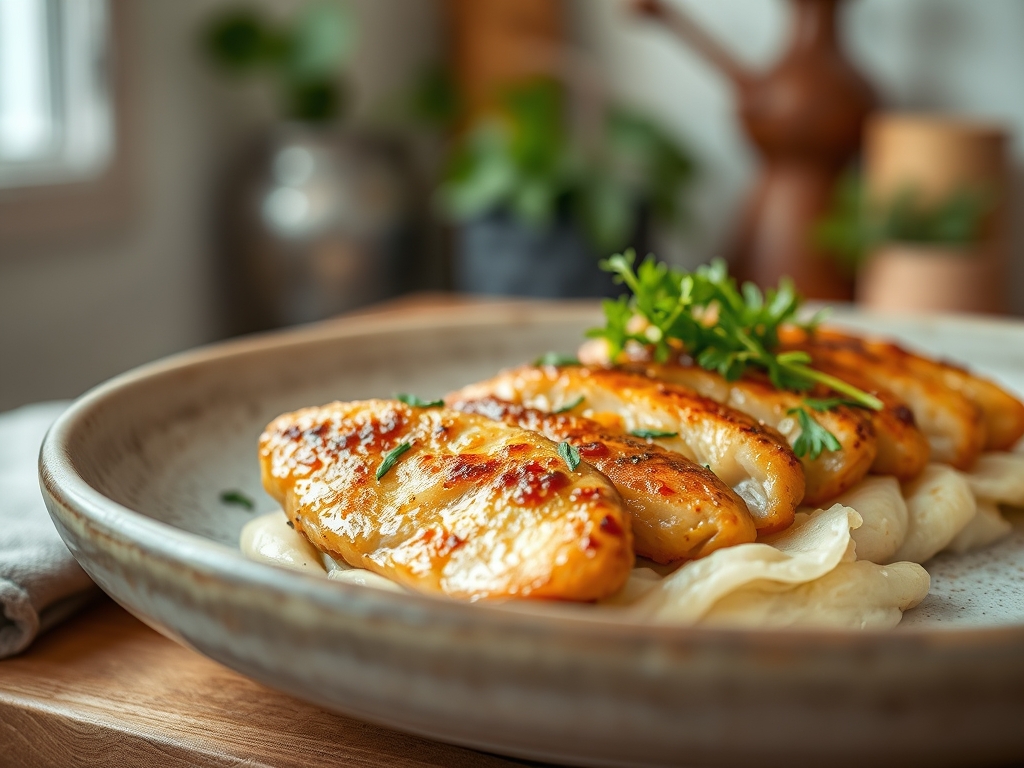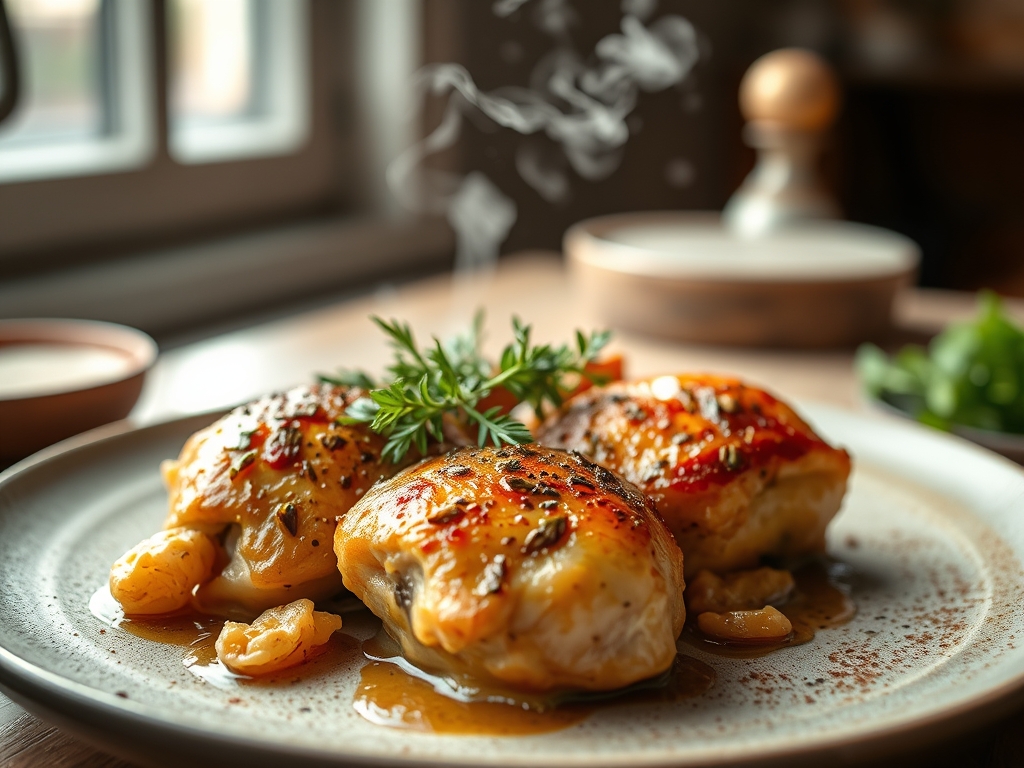
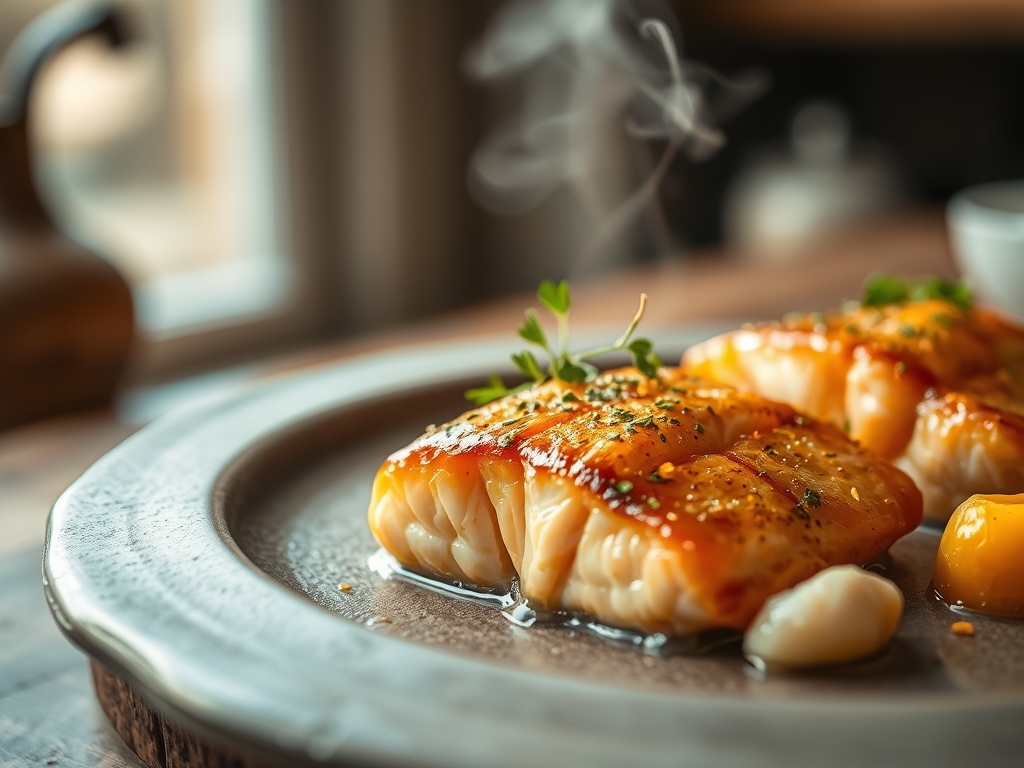
Imagine the sizzle of cold protein hitting a heavy bottomed skillet; the sound is a promise of the chemical magic about to unfold. As the heat rises, the kitchen fills with the scent of stone fruit and sea salt. When it comes to apricot salmon recipes, we are looking for that perfect intersection of a glass like caramelized crust and a center that flakes at the mere suggestion of a fork. It is a dish that feels like a sunset on a plate; vibrant, warm, and deeply sophisticated. We are moving beyond the basic weeknight sear into the realm of high level culinary chemistry. We are talking about the Maillard reaction meeting the viscous, sugary embrace of a fruit preserve. This is not just dinner; it is an exploration of how piquant ginger and acidic vinegar can elevate a fatty fish into something transcendent. Whether you are hosting a gallery opening or just treating yourself after a long Tuesday, these apricot salmon recipes offer a masterclass in balance and texture that will make you feel like the smartest chef in the room.
The Gathers:
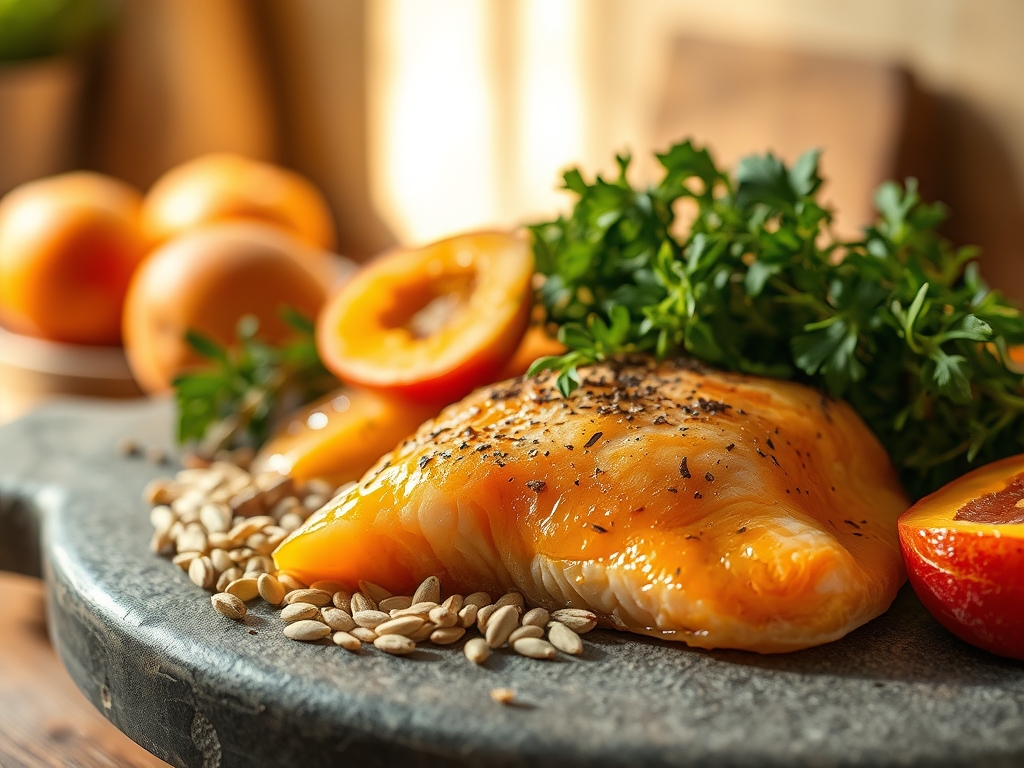
To achieve a restaurant quality finish, your mise en place must be precise. Start with high quality salmon fillets; ideally center cut for uniform thickness. You will need a digital scale to ensure your glaze ratios are exact, as the sugar to acid balance is what prevents the glaze from becoming cloying.
The Essentials:
- Salmon Fillets: Look for vibrant color and firm flesh. The albumin (the white protein that sometimes leaks out) is minimized when the fish is high quality and cooked correctly.
- Apricot Preserves: This is your primary sweetener and thickener. It contains pectin, which helps the glaze adhere to the fish.
- Rice Vinegar: This provides the necessary acidity to cut through the fatty omega 3 oils of the salmon.
- Fresh Ginger: Use a microplane to grate this into a fine paste. This ensures the ginger oils infuse the glaze without leaving fibrous chunks.
- Dijon Mustard: This acts as an emulsifier, binding the water based vinegar with the fats in the salmon.
- Soy Sauce: For that hit of umami and salt.
Smart Substitutions:
If you are out of apricot preserves, peach or orange marmalade offers a similar pectin structure. For a soy free version, coconut aminos provide a comparable savory profile. If you lack rice vinegar, apple cider vinegar is a suitable backup, though it brings a more aggressive malic acid profile compared to the softer acetic acid of rice vinegar.
The Clock
Efficiency in the kitchen is about understanding the "Chef's Flow." Total active prep time is approximately 10 minutes, with a cooking window of 12 to 15 minutes depending on the thickness of your fillets.
Prep (10 Minutes): This involves whisking your glaze in a small saucier and patting the salmon dry. Removing surface moisture is the most critical step for a successful sear.
Cook (12 Minutes): We utilize a two stage thermal process. First, a high heat sear to develop color; second, a lower heat glaze application to prevent the sugars from burning while the interior reaches its target temperature.
Rest (3 Minutes): Never skip the rest. This allows the muscle fibers to relax and reabsorb the juices, ensuring every bite is succulent.
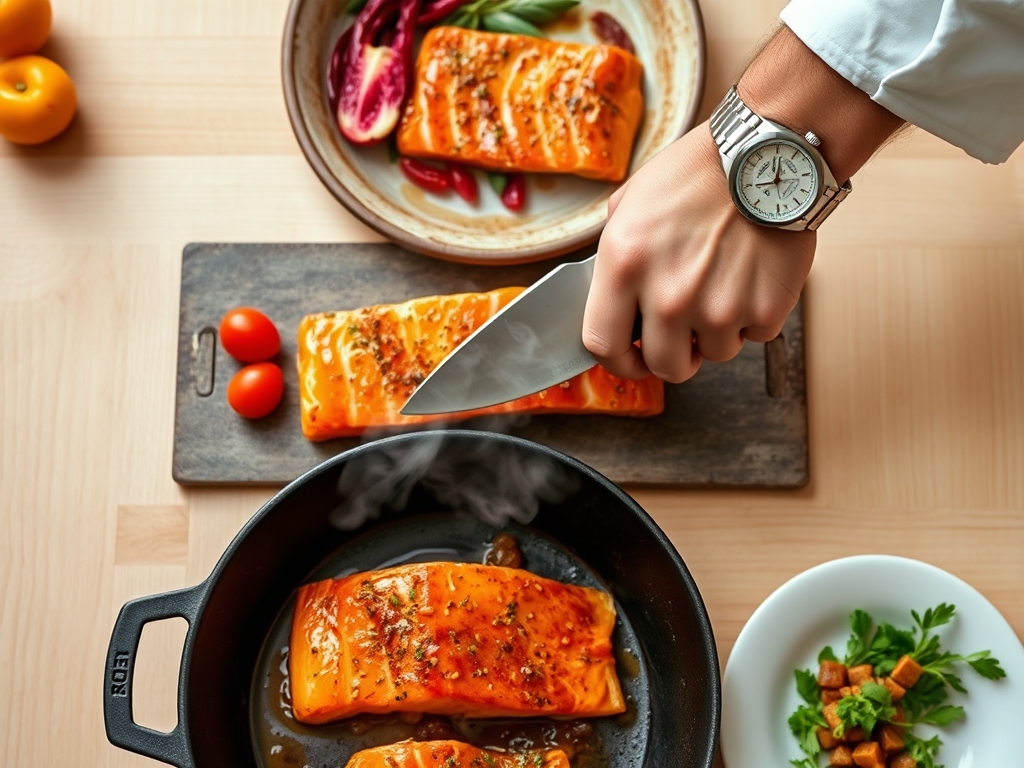
The Masterclass
1. The Desiccation Phase
Use a paper towel to pat the salmon fillets until they are bone dry. Season generously with kosher salt from a height of about twelve inches to ensure even distribution.
Pro Tip: This step is about surface tension and moisture evaporation. Removing surface water prevents the fish from steaming in the pan; this allows the Maillard reaction to occur immediately upon contact with the heat.
2. The Emulsion Whisk
In a small bowl, combine the apricot preserves, Dijon, soy sauce, and grated ginger. Use a small whisk to aerate and combine the ingredients into a smooth, viscous liquid.
Pro Tip: The mustard contains lecithin, a natural emulsifier. This ensures your glaze stays cohesive rather than breaking into separate oil and sugar phases when it hits the hot pan.
3. The Initial Sear
Heat a heavy bottomed skillet over medium high heat with a high smoke point oil like avocado oil. Place the salmon skin side down (or "presentation side" down if skinless) and press lightly with a flexible fish spatula.
Pro Tip: Pressing the fish prevents the collagen fibers from contracting and curling the fillet. This ensures maximum surface area contact for a uniform, golden crust.
4. The Glaze Application
Flip the salmon using sturdy tongs once it releases easily from the pan. Lower the heat to medium and spoon the apricot mixture over the top of each fillet.
Pro Tip: Sugars undergo caramelization at approximately 320 degrees Fahrenheit. By lowering the heat before glazing, you allow the glaze to thicken and lacquer without the sugars reaching the point of carbonization (burning).
5. The Thermal Finish
Cover the pan for the last two minutes of cooking. This creates a small convection environment that helps the glaze set while the interior of the fish reaches a perfect 125 degrees Fahrenheit for medium rare.
Pro Tip: Utilize thermal carryover. If you pull the salmon off the heat at 125 degrees, it will continue to rise to 130 or 135 degrees while resting; this is the sweet spot for a buttery texture.
The Deep Dive
Macro Nutrition:
Salmon is a nutritional powerhouse, providing roughly 25 grams of protein per 4 ounce serving. The apricot glaze adds about 8 to 10 grams of carbohydrates, mostly from fruit sugars. It is rich in Vitamin B12 and Potassium, making it as functional as it is delicious.
Dietary Swaps:
- Vegan: Swap the salmon for thick "steaks" of roasted cauliflower or firm tofu. The apricot glaze works beautifully on plant proteins.
- Keto: Replace apricot preserves with a sugar free apricot jam sweetened with erythritol or monk fruit.
- Gluten Free: Ensure your soy sauce is replaced with Tamari.
The Fix-It:
- The Glaze is Too Runny: You likely didn't cook it long enough to reduce the water content. Return the glaze to a saucier and simmer until it coats the back of a spoon.
- The Salmon is Sticking: You likely tried to flip it too early. Protein undergoes a "release" phase once the crust has properly formed.
- The Glaze is Burnt: Your pan was too hot. If this happens, deglaze the pan with a splash of water or broth to loosen the burnt bits and start the glaze over in a fresh pan.
Meal Prep Science:
To reheat apricot salmon without it turning into rubber, use the "Low and Slow" method. Place it in a 275 degree oven with a tablespoon of water and cover with foil. This creates a gentle steam that rehydrates the proteins without overcooking the delicate fats.
The Wrap-Up
Mastering apricot salmon recipes is about more than just following a list of steps; it is about understanding the physics of heat and the chemistry of flavor. When you see that glaze bubbling into a thick, amber lacquer, you are witnessing a transformation that turns simple ingredients into a gourmet experience. Keep your pans hot, your fish dry, and your curiosity peaked. You have the tools, the science, and the flair to make this your new signature dish. Now, get into that kitchen and make some magic happen!
The Kitchen Table
Can I use frozen salmon for this?
Yes, but you must thaw it completely in the refrigerator and pat it extremely dry. Frozen fish often contains more surface moisture, which can impede the searing process and dilute the apricot glaze.
How do I know the salmon is done?
The most reliable method is using a digital thermometer to hit 125 to 130 degrees Fahrenheit. Alternatively, the fish should flake easily with a fork and appear opaque rather than translucent in the center.
Why is my glaze not sticking?
If the glaze slides off, the fish might still be too oily or wet. Ensure you sear the fish first to create a textured surface, and make sure your glaze has enough pectin or mustard to emulsify.
What side dishes pair best with this?
Focus on earthy or bitter sides to balance the sweet glaze. Roasted broccolini, garlicky bok choy, or a nutty quinoa pilaf provide excellent structural and flavor contrasts to the rich, fruity salmon.
Can I make the glaze in advance?
Absolutely. You can whisk the glaze components together and store them in an airtight container in the fridge for up to five days. This makes the actual cooking process even faster for busy evenings.