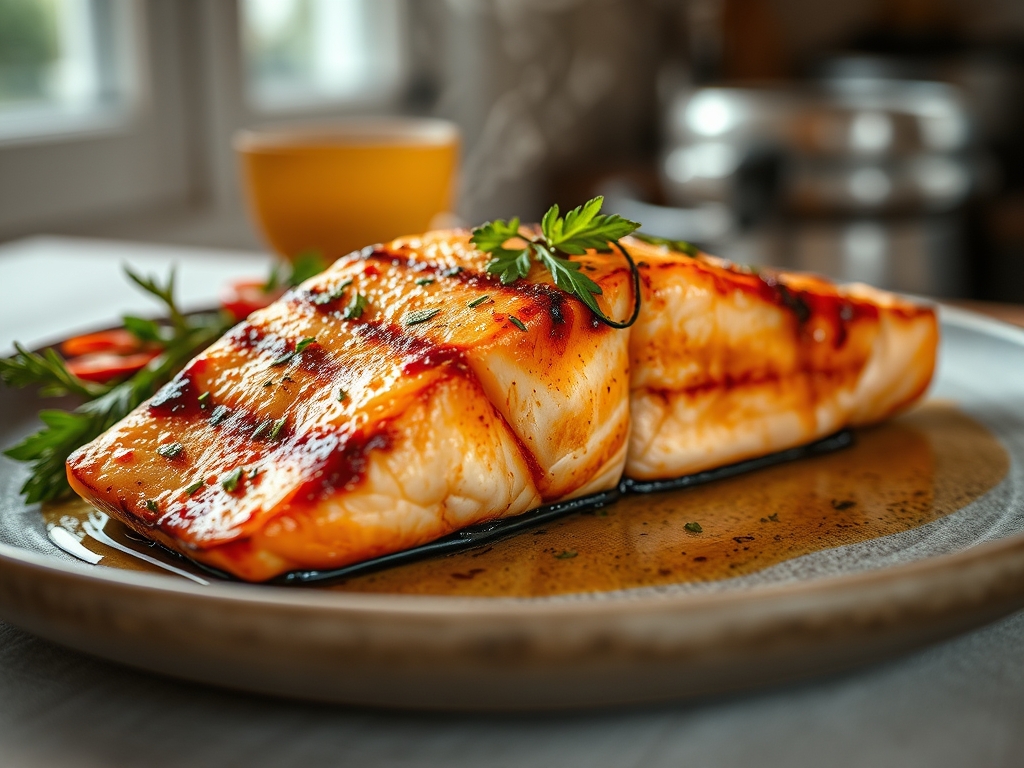
Picture the scene: the sun is dipping low; your patio is bathed in gold; and there is a rhythmic sizzle coming from the deck. You want that perfect, flaky interior paired with a crust so crisp it shatters. Finding the best grilled salmon recipes on gas grill setups often feels like a gamble against the elements. Will it stick? Will it dry out? Most home cooks treat the gas grill like a blunt instrument, but we are going to treat it like a precision laboratory. We are chasing the Maillard reaction; that chemical dance where amino acids and reducing sugars transform into a complex, savory crust. This is not just about dinner; it is about mastering heat flux and protein denaturation to ensure your fillet is succulent every single time. Grab your favorite beverage and clear the counter. We are moving beyond basic grilling and stepping into the realm of culinary engineering. By the time we are done, you will understand exactly why your fish behaves the way it does under fire.
The Gathers:
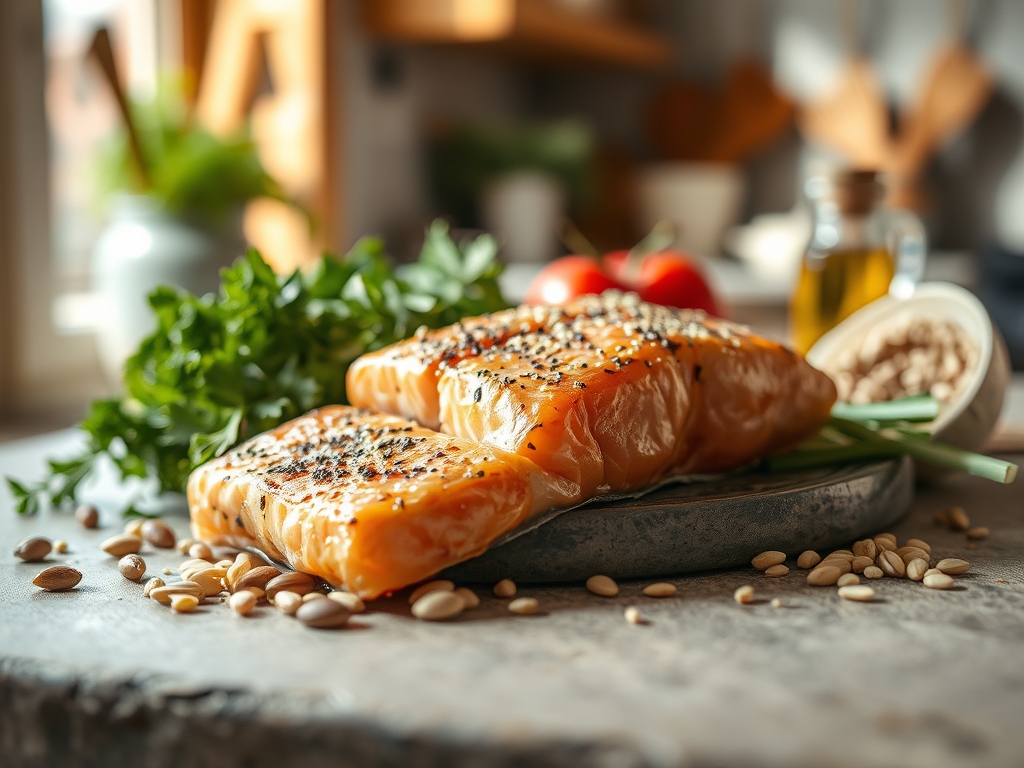
Precision starts with the mise-en-place. You need a center-cut Atlantic or King salmon fillet; ideally one and a half inches thick to withstand the thermal load. Look for vibrant, myoglobin-rich flesh that springs back when pressed. You will need high-smoke-point fats like avocado oil or clarified butter. Avoid extra virgin olive oil here; its low smoke point will create bitter, acrid compounds at high temperatures.
For the seasoning, use a microplane to zest fresh lemons, releasing the volatile oils trapped in the zest. You will also need kosher salt for its jagged crystal structure, which adheres better to the protein, and freshly cracked black pepper. A sprig of woody rosemary or thyme adds a piquant aroma when the oils infuse into the fat during the sear.
Smart Substitutions: If you are out of fresh citrus, a dusting of sumac provides a similar acidic brightness. If you prefer a sweeter profile without using refined sugar, a brush of pomegranate molasses offers a viscous, tangy glaze that caramelizes beautifully without burning as quickly as honey.
The Clock
Efficiency in the kitchen is all about the Chef's Flow. Total preparation time is approximately 15 minutes, while the actual cook time ranges from 8 to 12 minutes depending on thickness. However, the most critical part of the clock is the tempering period. You must allow the fish to sit at room temperature for 20 minutes before it touches the grate.
Cold protein hitting a hot surface causes the muscle fibers to contract violently, squeezing out moisture and leaving you with a "tight," dry fillet. While the fish tempers, use this time to calibrate your gas grill. You want a dual-zone setup: one side at high heat for the sear and the other at medium-low for gentle finishing. This strategy ensures you do not overcook the exterior before the center reaches the ideal thermal equilibrium.
The Masterclass
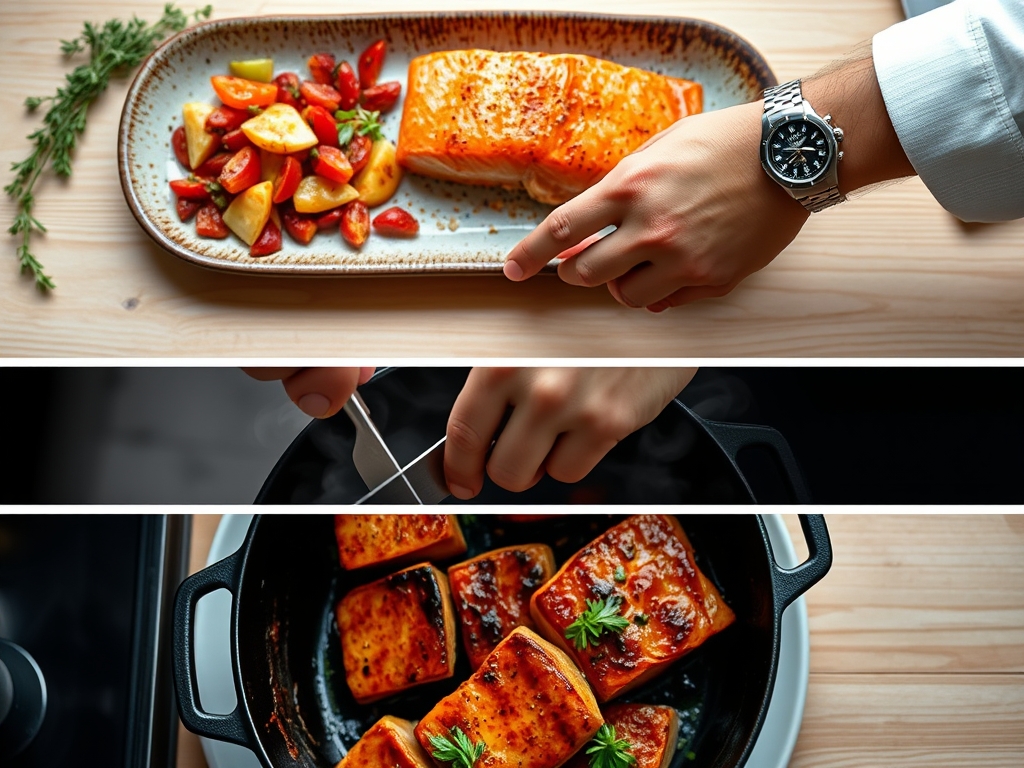
1. The Desiccation Ritual
Pat the salmon skin bone-dry using paper towels. Moisture is the enemy of a crisp crust. If there is water on the surface, the grill's energy will be wasted on evaporation rather than searing.
Pro Tip: This prevents "steaming" the fish. When water evaporates, it creates a barrier of steam that blocks the enzymatic browning necessary for flavor development.
2. Lubrication and Seasoning
Brush the skin with avocado oil and season aggressively with salt. Do not season the flesh side until the very last second to prevent the salt from drawing out moisture via osmosis.
Pro Tip: Salt acts as a denaturant, slightly breaking down surface proteins to create a "glue" that helps form a continuous, savory crust.
3. The High-Heat Entry
Place the salmon skin-side down on the hottest part of the grate. Close the lid immediately to create a convection environment. Do not touch it for at least five minutes.
Pro Tip: This utilizes conduction from the grates and convection from the trapped air. The skin acts as a heat shield, protecting the delicate fats from rendering too quickly.
4. The Release Test
Use a bench scraper or a thin metal spatula to gently lift an edge. If the fish resists, it is not ready. It will naturally release once the proteins have fully coagulated.
Pro Tip: This is known as the Leidenfrost effect in a pan, but on a grill, it is simply the completion of the Maillard reaction which structurally detaches the fish from the metal.
5. The Flip and Kiss
Flip the salmon to the flesh side for only 60 to 90 seconds. You are looking for light grill marks, not a deep char, to keep the interior medium-rare.
Pro Tip: Over-searing the flesh side destroys the delicate omega-3 fatty acids, leading to a "fishy" taste rather than a clean, buttery finish.
6. The Indirect Finish
Move the salmon to the cooler side of the grill. This allows the internal temperature to rise slowly without further darkening the exterior.
Pro Tip: Slowing the heat transfer prevents the "albumin" (the white goop) from pushing out of the muscle fibers.
7. The Digital Verification
Use a digital scale to weigh your portions if you are tracking macros, but use a digital instant-read thermometer to check the internal temp. Aim for 125 degrees Fahrenheit for medium.
Pro Tip: Pulling the fish at 125 degrees accounts for thermal carryover, where the internal temperature continues to rise 5 degrees after removal.
8. The Rest Phase
Transfer the salmon to a warm plate and let it rest for three to five minutes. This allows the juices to redistribute throughout the fillet.
Pro Tip: Resting allows the viscous juices to settle, ensuring they do not run out the moment you take your first bite.
9. The Acid Brightening
Just before serving, use a saucier to drizzle a warm lemon-butter emulsion or a squeeze of fresh juice over the top.
Pro Tip: Acid cuts through the heavy lipids of the salmon, providing a balanced palate-cleansing effect.
10. The Final Garnish
Top with fresh herbs or a sprinkle of flaky sea salt for texture. The contrast between the crunch and the tender flakes is the hallmark of a professional cook.
Pro Tip: Adding salt at the end provides a "pop" of flavor that enhances the perception of the other seasonings without over-salting the interior.
The Deep Dive
From a macro nutrition perspective, a 6-ounce grilled salmon fillet provides roughly 34 grams of high-quality protein and 22 grams of healthy fats. It is a powerhouse of Vitamin B12 and Selenium. For those with specific dietary needs, this recipe is naturally Keto and Gluten-Free. To make it Vegan, you can apply these same searing techniques to a thick "steak" of cauliflower or a firm block of tofu, though the cook times will vary.
The Fix-It:
- The Stick: If your fish sticks, your grill wasn't hot enough or was dirty. Fix it by scrubbing grates with a wire brush and oiling them before the fish goes on.
- The White Gunk: This is albumin. It means you cooked it too fast or too high. Fix it by using the indirect heat method earlier in the process.
- The Soggy Skin: You didn't dry the skin enough or the grill lid stayed open too long. Fix it by using a blow-dryer on the skin for 30 seconds before grilling.
Meal Prep: To reheat salmon without it becoming rubbery, avoid the microwave. Use a low oven (275 degrees) with a splash of water in the pan, covered in foil. This creates a gentle steam that rehydrates the protein.
The Wrap-Up
Mastering the best grilled salmon recipes on gas grill equipment is all about controlling the variables. You are now armed with the knowledge of thermal carryover; the importance of desiccation; and the magic of the Maillard reaction. Cooking is a science, but eating is an art. Go forth, fire up those burners, and prepare to be the hero of your next dinner party. Your fillets will be the talk of the neighborhood; perfectly pink, incredibly crisp, and scientifically superior.
The Kitchen Table
How do I stop salmon from sticking to the gas grill?
Ensure your grates are scrubbed clean and preheated to high. Pat the fish skin completely dry and coat it in a high-smoke-point oil. Do not attempt to flip the fish until it naturally releases from the metal.
What is the best temperature for grilled salmon?
For a buttery, tender texture, aim for an internal temperature of 125 to 130 degrees Fahrenheit. Remember that carryover cooking will raise the temperature by about five degrees while the fish rests on the plate.
Should I grill salmon with the lid open or closed?
Keep the lid closed. This creates a convection oven effect that cooks the fish evenly from all sides. It also prevents heat loss, ensuring the skin gets crispy while the interior stays moist and succulent.
How long does it take to grill salmon on a gas grill?
Generally, it takes about 4 to 6 minutes per side per inch of thickness. However, it is best to cook by internal temperature rather than time to account for variations in grill power and fish thickness.