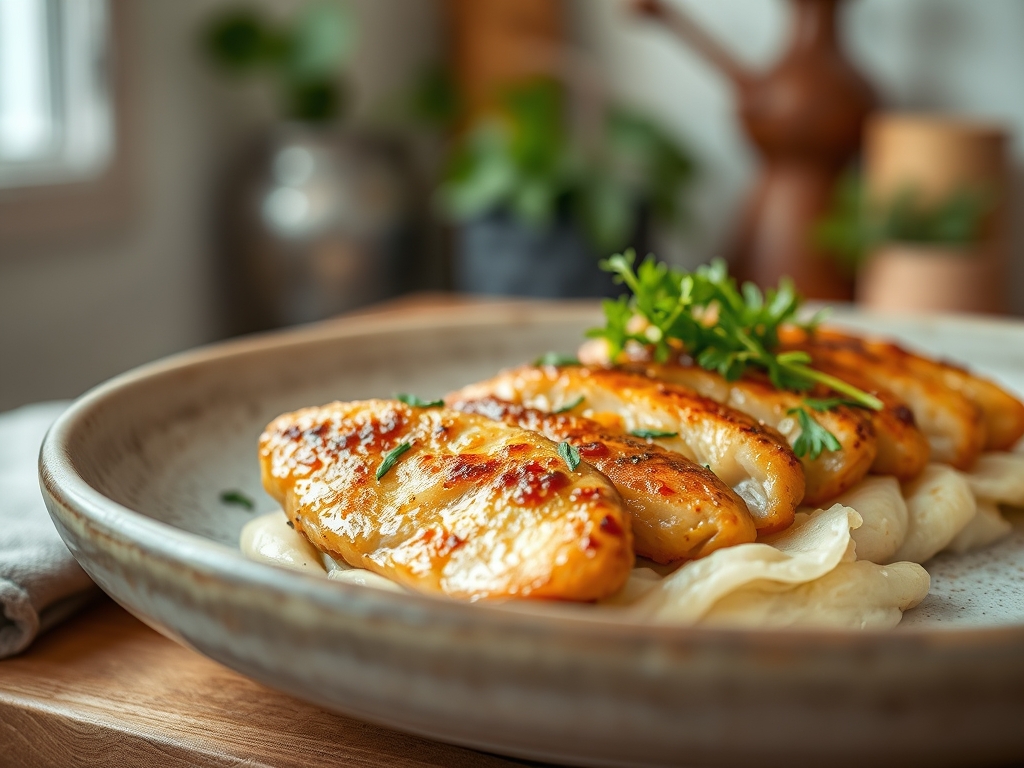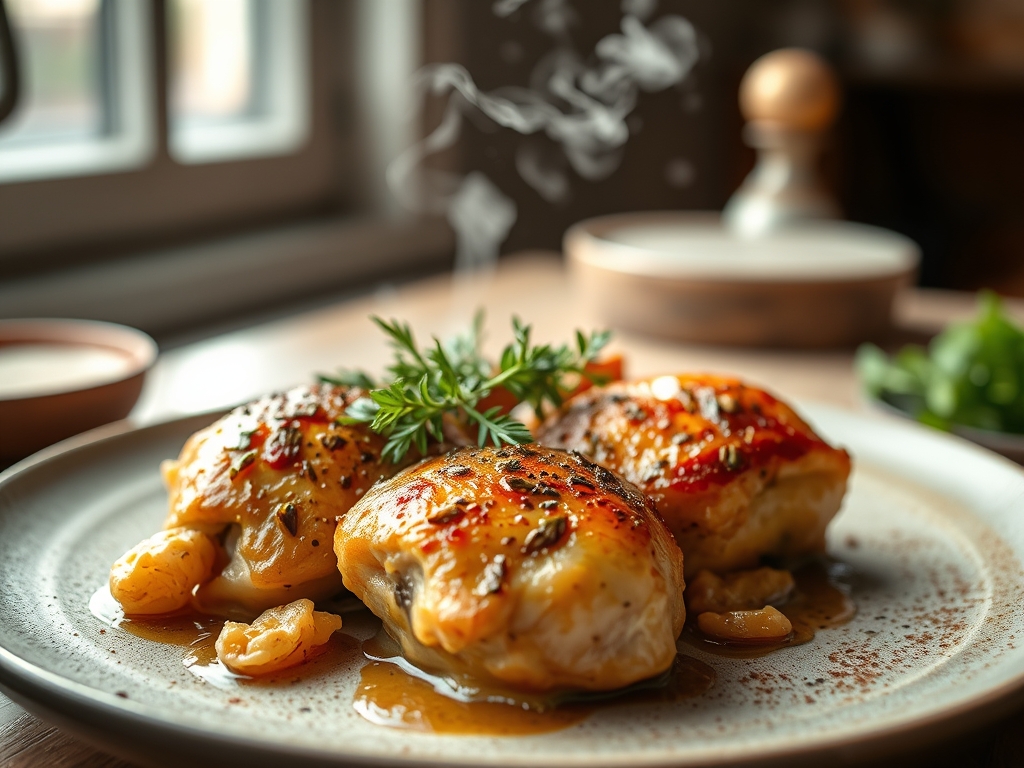
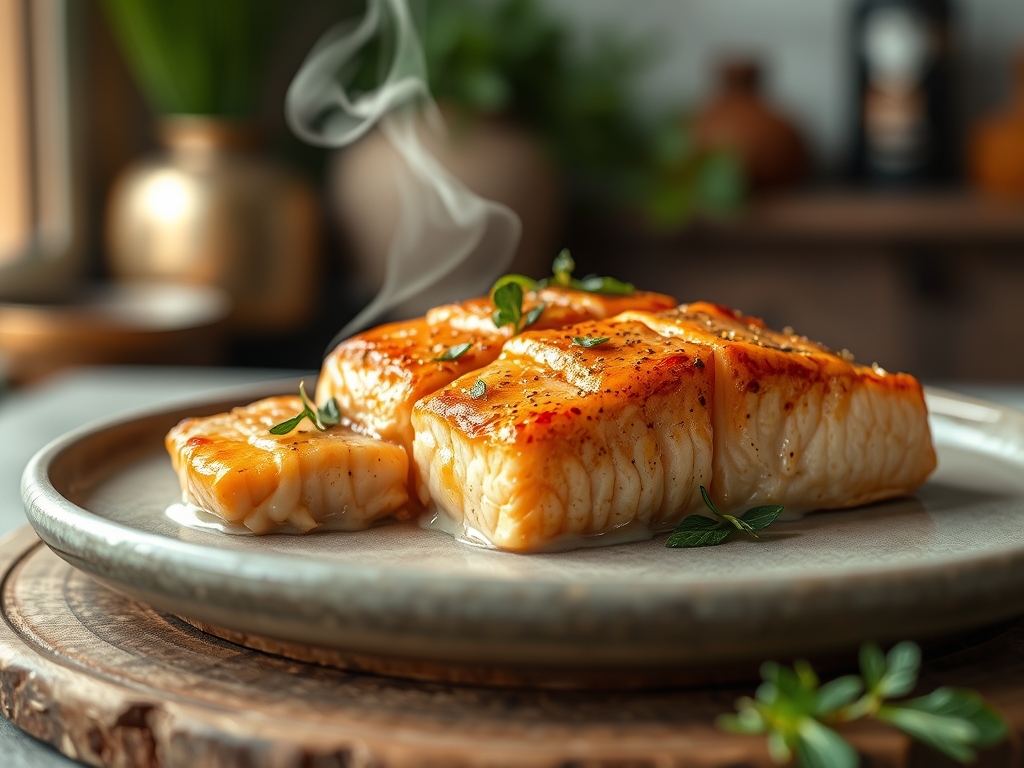
The scent of sizzling butter and fresh herbs hitting a hot pan is the ultimate kitchen siren song. When you master simple delicious salmon recipes, you unlock a culinary superpower that bridges the gap between a frantic Tuesday night and a high-end bistro experience. Salmon is the darling of the culinary world because its high fat content provides a forgiving canvas for amateur cooks and seasoned chefs alike.
Imagine a fillet with skin so crisp it shatters like glass, protecting a center that is buttery, translucent, and perfectly flaked. We are moving beyond the dry, overcooked fish of the past. By understanding the molecular structure of myoglobin and the way heat interacts with omega-3 fatty acids, you will transform a standard grocery store haul into a masterpiece. Whether you are craving a citrus-forward glaze or a crust of toasted nuts, these methods prioritize efficiency without sacrificing a single drop of flavor.
The beauty of salmon lies in its versatility. It can handle the aggressive heat of a cast iron sear or the gentle, humid embrace of a parchment steam. We are going to dive deep into the mechanics of the perfect cook, ensuring your kitchen becomes the most popular "restaurant" in town. Grab your apron; we have some science to do.
The Gathers:
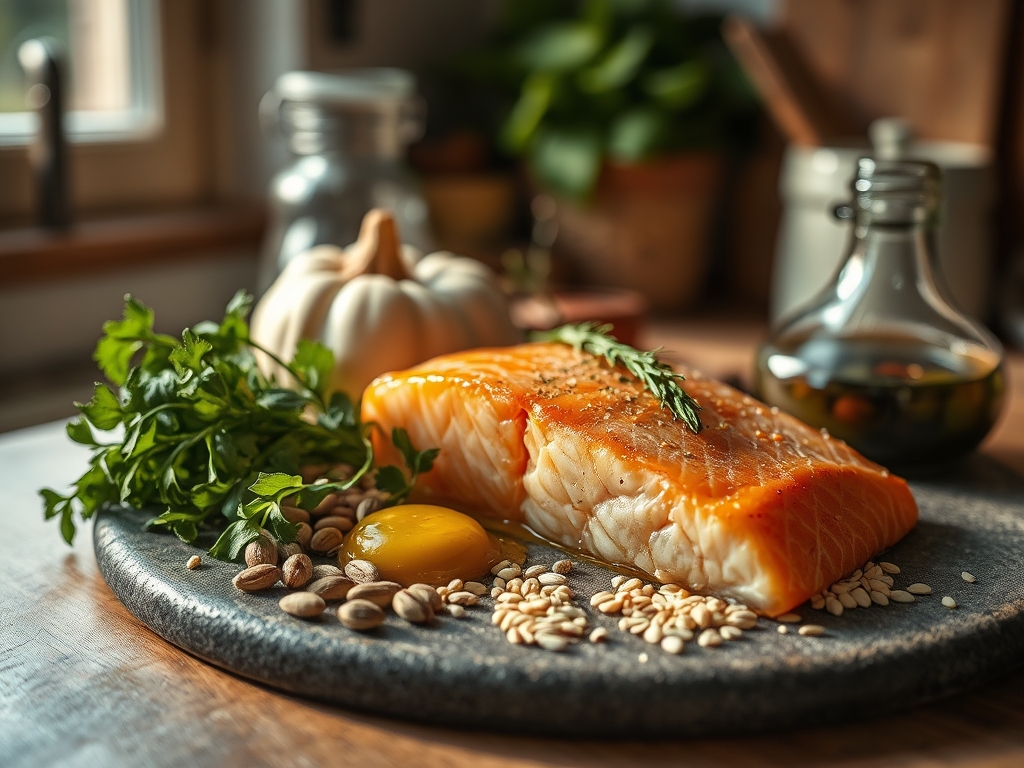
To execute these simple delicious salmon recipes, your mise-en-place must be precise. Start with high-quality fillets; look for vibrant flesh that bounces back when touched. You will need a heavy-bottomed skillet, preferably cast iron or stainless steel, to ensure even heat distribution. A microplane is essential for harvesting the volatile oils in citrus zest, while a saucier will help you create emulsified pan sauces that do not break.
Your pantry should include flaky sea salt to draw out moisture and high-smoke-point oils like avocado or grapeseed. Do not forget the aromatics: fresh dill, flat-leaf parsley, and garlic cloves that have been smashed to release their allicin. If you are looking for smart substitutions, swap honey for maple syrup to achieve a deeper caramelization, or use Greek yogurt instead of heavy cream in sauces for a piquant tang that cuts through the fish's natural richness. If you lack fresh lemons, a splash of white wine vinegar or verjus provides the necessary acidity to balance the lipids.
The Clock: Chef's Flow
Efficiency in the kitchen is about managing "The Flow." For these recipes, prep time is a brisk 10 minutes; this involves drying the fish, mincing aromatics, and measuring liquids with a digital scale. The actual cook time ranges from 6 to 12 minutes depending on the thickness of the cut.
The "Chef's Flow" dictates that you prepare your side dishes first. Since salmon relies on thermal carryover, it will continue to cook for several minutes after leaving the heat. If your asparagus or quinoa isn't ready when the fish hits its target internal temperature, you risk serving a cold side or an overcooked main. Always allow your fillets to sit at room temperature for 15 minutes before cooking; this prevents the muscle fibers from seizing when they hit the hot pan.
The Masterclass:
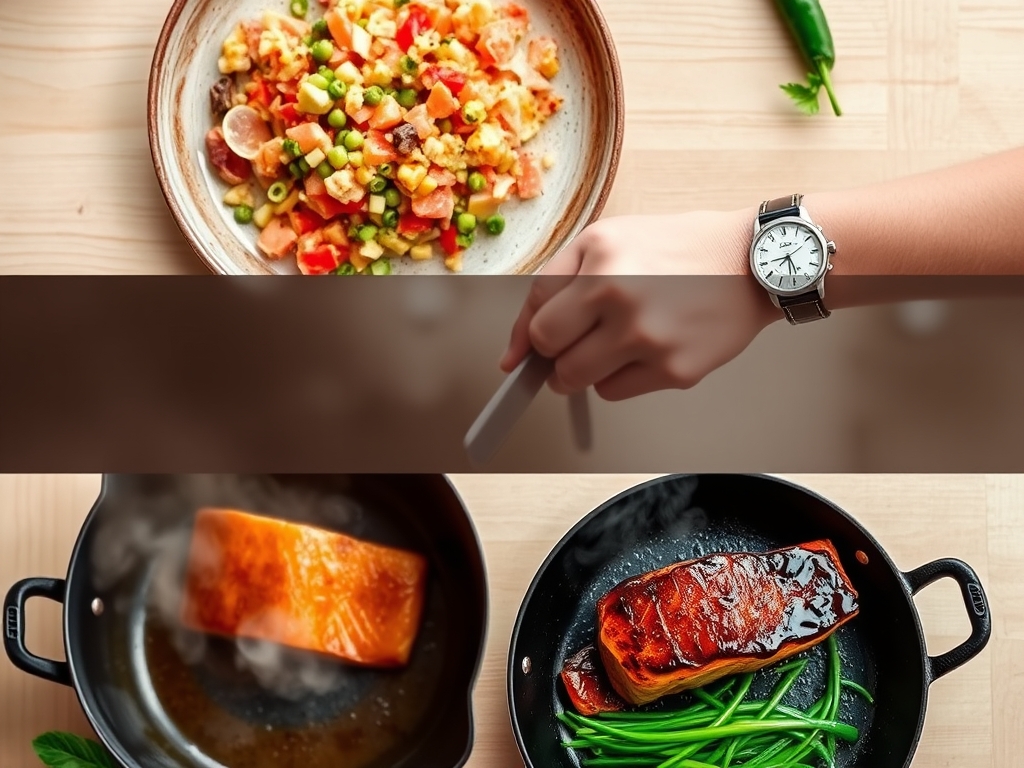
1. The Desiccation Phase
Pat the salmon skin bone-dry using paper towels. Moisture is the enemy of the Maillard reaction. If the surface is damp, the fish will steam rather than sear. Use a bench scraper to ensure no scales remain on your work surface.
Pro Tip: This prevents the "albumin" (the white protein) from leaking out excessively. By removing surface moisture, you ensure the heat energy goes directly into browning the skin rather than evaporating water.
2. The Tempering Technique
Season the flesh side generously with salt just before it hits the pan. If you salt too early, the salt will draw out moisture via osmosis, making the surface wet again. Use tongs to place the fish skin-side down in a shimmering oil.
Pro Tip: Cold fish in a hot pan causes the proteins to contract violently. Tempering the fish at room temperature ensures a more uniform heat gradient from the exterior to the core.
3. The Weight and Sear
Press down firmly on the fillets with a flexible spatula for the first 30 seconds. Salmon skin tends to curl as the collagen fibers shrink under heat. Maintaining contact with the pan ensures an even, golden-brown crust.
Pro Tip: This is known as conduction heating. Constant pressure ensures the heat transfer is efficient, leading to that coveted "shatter-crisp" texture.
4. The Butter Baste
Once the skin is crisp, flip the fish and add a knob of cold butter, smashed garlic, and thyme to the pan. Use a spoon to infuse the hot, bubbling butter over the cooked skin. This adds a layer of nutty flavor and keeps the flesh succulent.
Pro Tip: Butter basting utilizes convection within the fat. The milk solids in the butter undergo further browning, adding a complex toasted aroma to the dish.
5. The Deglaze and Emulsify
Remove the fish and add a splash of white wine or stock to the pan. Use a whisk to scrape up the fond (the browned bits). Swirl in a teaspoon of cold butter to create a viscous, glossy pan sauce.
Pro Tip: This process captures the concentrated flavors left in the pan. The cold butter acts as an emulsifier, binding the water-based wine and the fat-based pan juices into a smooth sauce.
The Deep Dive:
From a macro nutrition perspective, salmon is a powerhouse. A standard 6-ounce fillet provides roughly 34 grams of protein and is rich in Vitamin B12 and Selenium. For those following a Keto lifestyle, the high healthy fat content is ideal. Vegan diners can replicate the texture using marinated "watermelon steaks," though the nutritional profile will differ. If you are Gluten-Free, ensure your soy-based glazes are swapped for tamari or coconut aminos.
The Fix-It: Common Pitfalls
- The Albino Ooze: If you see white goop (albumin) pushing out of the fish, your heat is too high. Fix: Lower the flame immediately and pull the fish off the heat slightly early.
- The Sticky Situation: Fish sticking to the pan usually means you tried to flip it too soon. Fix: Wait for the protein to naturally "release" from the metal once the crust has formed.
- The Raw Center: Thick fillets can be tricky. Fix: Finish the salmon in a 300-degree oven for 3 minutes to allow gentle heat penetration without burning the exterior.
Meal Prep and Reheating
To maintain "day-one" quality, never microwave salmon on high power. This explodes the delicate fat cells. Instead, reheat it in a toaster oven at 275 degrees with a splash of water covered in foil. This creates a mini-steam chamber that restores moisture without overcooking the proteins.
The Wrap-Up:
Mastering simple delicious salmon recipes is about respecting the ingredient and understanding the physics of the pan. You now have the technical vocabulary and the tactical skills to turn a basic fillet into a gourmet event. Remember: dry the skin, temper the meat, and never skip the butter baste. Your kitchen is now a laboratory of flavor; go forth and sear with confidence!
The Kitchen Table:
How do I know when salmon is perfectly cooked?
Use a digital thermometer to check for an internal temperature of 125 degrees Fahrenheit for medium-rare. The flesh should be opaque on the outside but slightly translucent in the very center, flaking easily with a gentle fork press.
Why does my salmon skin always turn out soggy?
Soggy skin is caused by residual moisture or overcrowding the pan. Always pat the skin completely dry with paper towels and ensure the oil is shimmering hot before adding the fish. Avoid moving the fillet until the crust has fully set.
Can I cook salmon directly from the freezer?
It is not recommended. Cooking frozen salmon leads to uneven textures; the outside overcooks while the center remains icy. For the best results, thaw the fish overnight in the refrigerator and pat it dry before seasoning and searing.
What is the best oil for searing salmon?
Use oils with a high smoke point, such as avocado, grapeseed, or refined light olive oil. These fats can withstand the high temperatures required for the Maillard reaction without breaking down or imparting a bitter, burnt flavor to your fish.