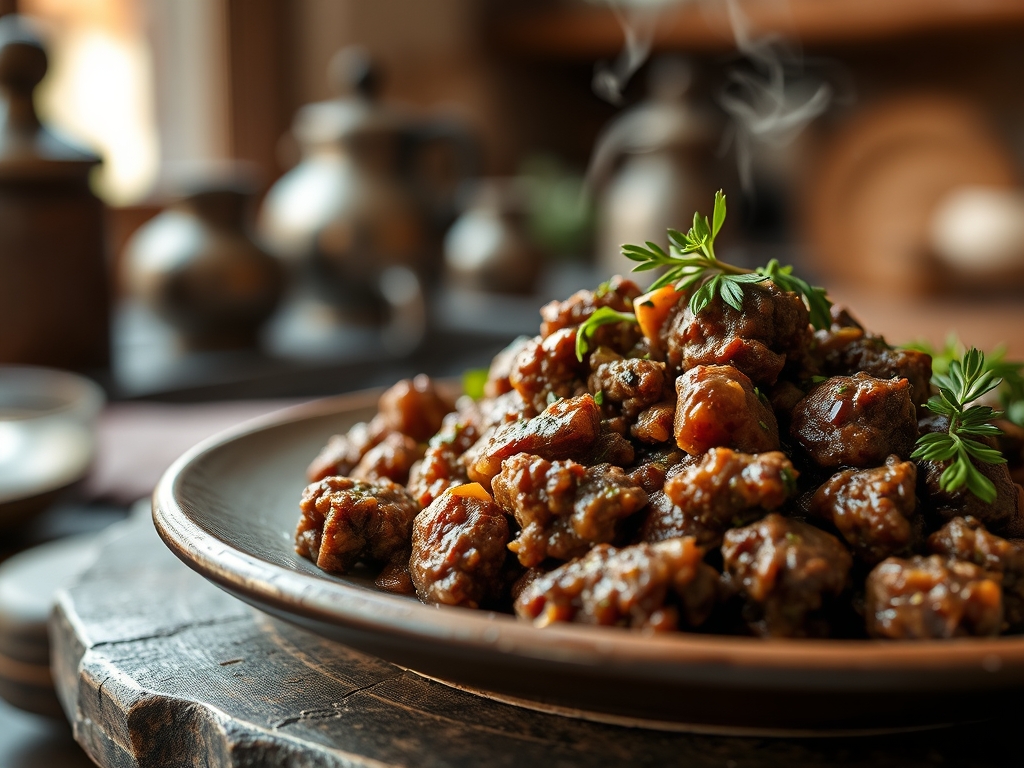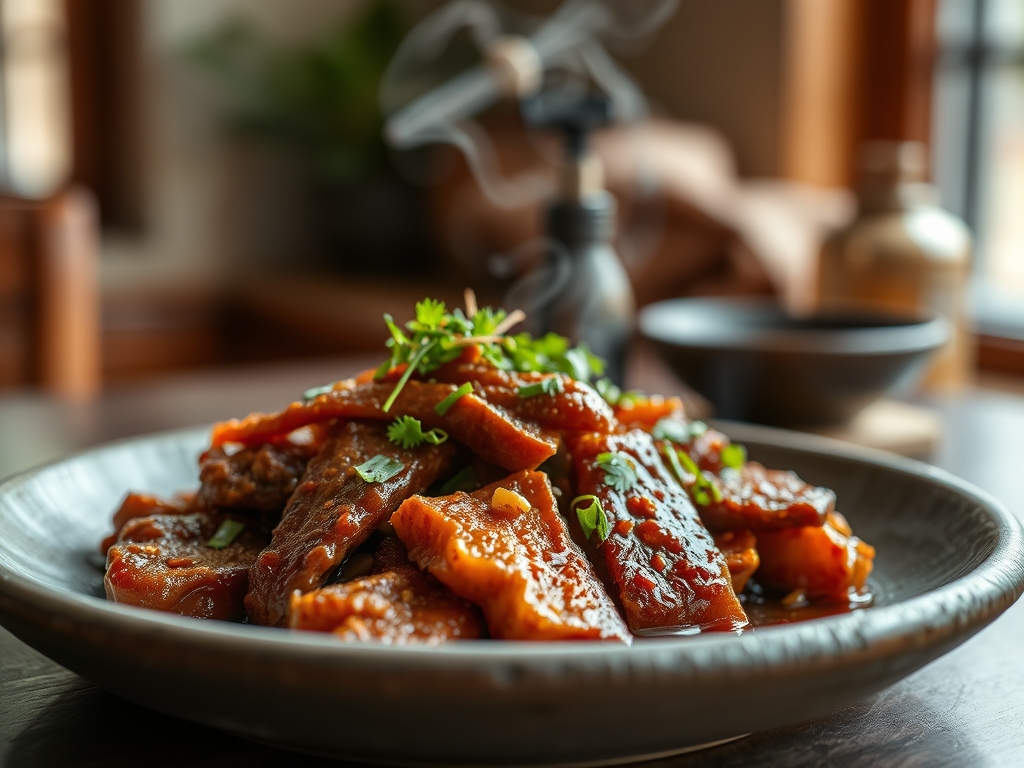
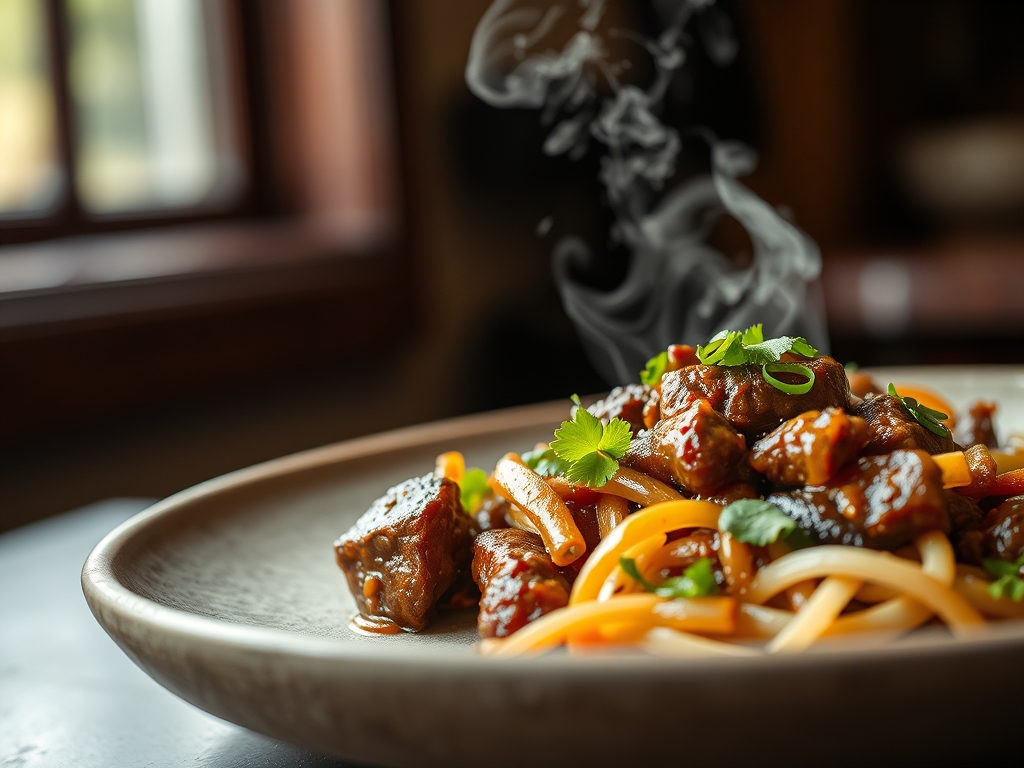
Close your eyes and listen for the roar. That high-pitched hiss of cold protein hitting a blistering carbon steel surface is the soundtrack of a perfect kitchen. If you have ever wondered why your home-cooked wok beef recipes turn out gray and soggy instead of charred and succulent; you are likely missing the invisible chemistry of the stir-fry. We are chasing the dragon tonight. We want that elusive breath of the wok, where the sugars in the marinade caramelize at over four hundred degrees Fahrenheit while the interior of the meat remains buttery and tender. It is a delicate dance of thermal physics and flavor layering. We are not just cooking dinner; we are mastering the art of the flash-sear. Grab your heavy-bottomed skillet or a seasoned wok; it is time to turn up the heat and transform humble flank steak into a restaurant-quality masterpiece that vibrates with piquant ginger and savory umami.
The Gathers:
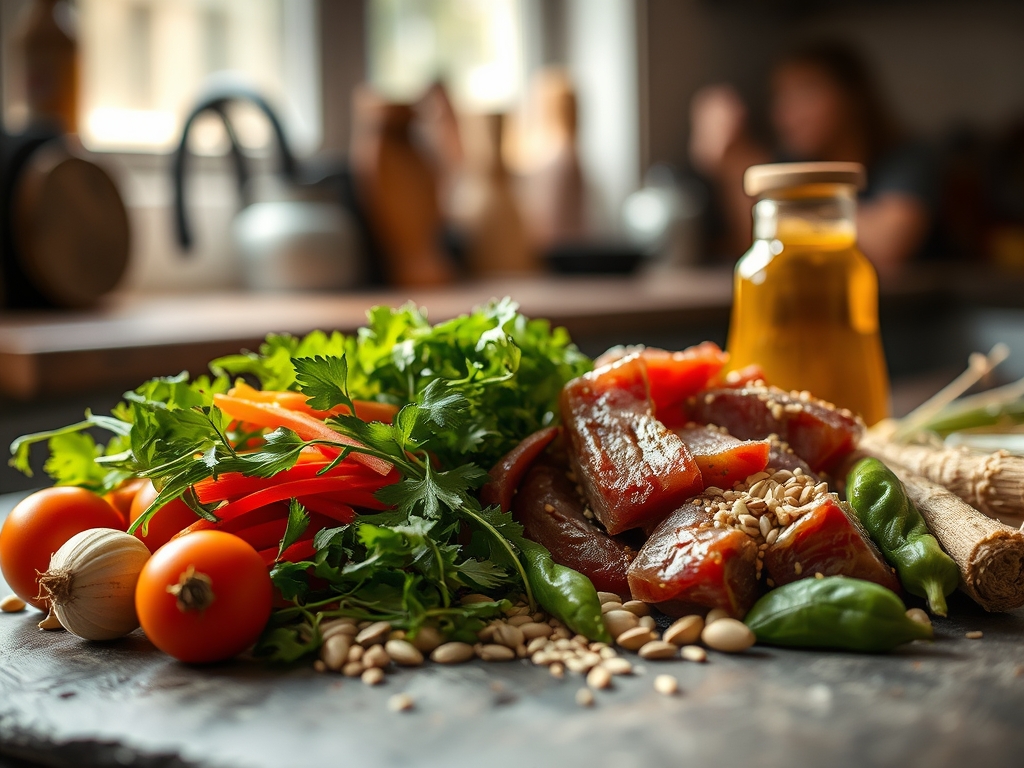
Precision starts with your mise-en-place. To achieve the best wok beef recipes, you must organize your station before the first flame is lit. You will need one pound of flank steak or sirloin tip; these cuts have long muscle fibers that absorb marinades beautifully. On your digital scale, measure out thirty grams of soy sauce, ten grams of toasted sesame oil, and five grams of cornstarch. This cornstarch is the secret to velvetting; it creates a protective barrier that prevents the meat from toughening.
For the aromatics, use a microplane to grate fresh ginger and garlic into a fine paste. This increases the surface area for rapid infusion into the oil. You will also need a bunch of scallions, sliced on a bias to maximize cellular exposure, and a handful of snap peas for a structural crunch.
Smart Substitutions: If you are out of flank steak, a well-trimmed chuck roast works if sliced paper-thin against the grain. If soy sauce is off the table, coconut aminos provide a similar viscous quality with a slightly sweeter profile. No cornstarch? Use arrowroot powder to maintain that glossy, translucent sheen without altering the flavor profile.
The Clock
The "Chef's Flow" is all about the ratio of preparation to execution. For most wok beef recipes, you are looking at twenty minutes of prep and exactly six minutes of active cooking.
- The Marination (15 Minutes): This is non-negotiable. The salt must penetrate the protein structures to retain moisture during the high-heat blast.
- The Sear (2 Minutes): This is the high-energy phase where the Maillard reaction occurs.
- The Vegetable Flash (2 Minutes): We want to soften the cellulose without losing the vibrant chlorophyll green.
- The Emulsification (2 Minutes): The final toss where the sauce thickens and coats every surface.
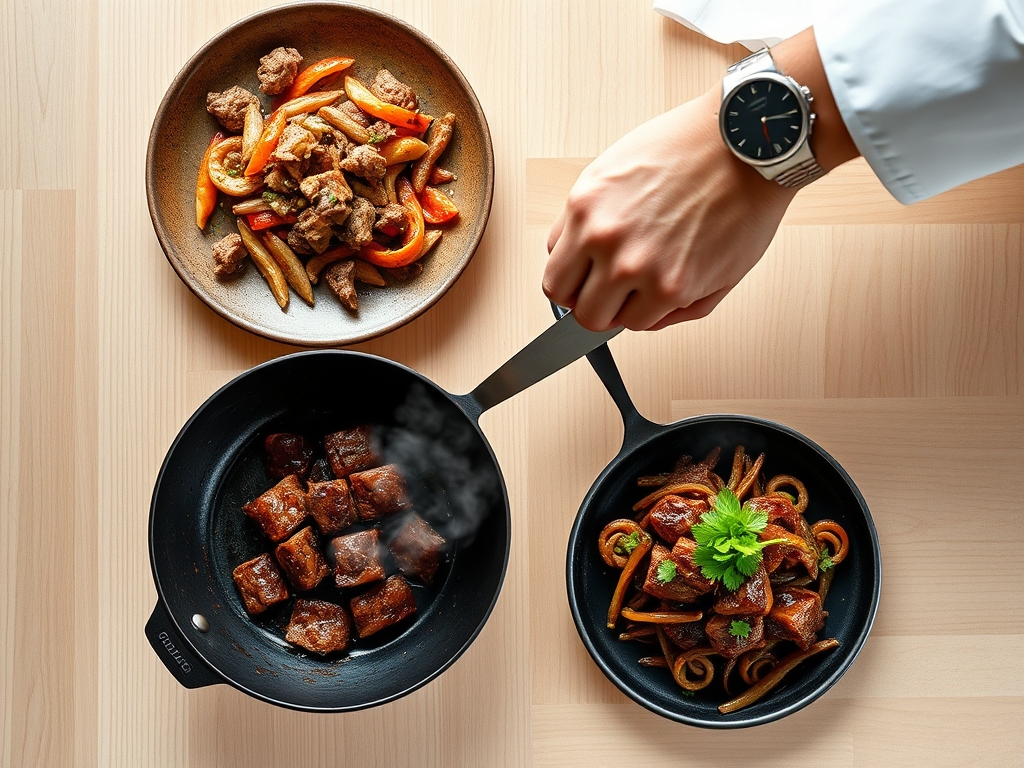
The Masterclass:
1. The Velvetting Technique
Slice your beef into thin strips against the grain. Use a bench scraper to transfer the meat to a bowl and toss it with your cornstarch, soy, and oil mixture. Let it sit at room temperature for fifteen minutes.
Pro Tip: This process uses alkaline components to break down tough collagen fibers. The cornstarch creates a gelatinous coat that traps juices inside; this is why the beef stays silky even at extreme temperatures.
2. Tempering the Steel
Place your wok over the highest possible heat. Wait until you see a thin wisp of blue smoke rising from the surface. Add a high-smoke-point oil like grapeseed or peanut oil. Swirl it to coat the sides.
Pro Tip: This is known as "longyau" in Cantonese cooking. Creating a non-stick surface through polymerization ensures the beef slides rather than sticks; preventing the tearing of delicate protein strands.
3. The Controlled Sear
Using long tongs, lay the beef strips in a single layer. Do not crowd the pan. Let them sit undisturbed for sixty seconds to develop a deep brown crust.
Pro Tip: Moving the meat too early interrupts the Maillard reaction. You need sustained contact to create the complex flavor molecules that define savory wok beef recipes.
4. Aerating the Aromatics
Push the beef to the sides of the wok and drop your garlic and ginger paste into the center. Stir rapidly for ten seconds until the scent fills the room.
Pro Tip: This is called "blooming" the spices. The fat-soluble flavor compounds in garlic and ginger are released more effectively in hot oil than in liquid; creating a deeper aromatic base.
5. The Vegetable Deglaze
Toss in your vegetables and a splash of Shaoxing wine or dry sherry. Use a saucier or a spatula to scrape up any browned bits from the bottom of the pan.
Pro Tip: The alcohol in the wine acts as a solvent; dissolving the caramelized sugars and proteins stuck to the pan. This process, known as deglazing, incorporates every ounce of flavor back into the sauce.
6. The Final Emulsification
Pour in your remaining sauce base and toss everything together over high heat. The sauce should bubble and thicken instantly, clinging to the beef like a glossy lacquer.
Pro Tip: This is the result of starch gelatinization. As the cornstarch reaches 175 degrees Fahrenheit; the granules swell and burst, creating a thick, viscous coating that prevents the dish from becoming watery on the plate.
The Deep Dive
Macro Nutrition: A standard serving of these wok beef recipes provides approximately thirty-five grams of protein, twelve grams of healthy fats, and eight grams of carbohydrates. It is a muscle-building powerhouse that keeps blood sugar stable.
Dietary Swaps:
- Vegan: Swap the beef for extra-firm tofu that has been pressed and frozen. The freezing process creates a "meaty" cellular structure.
- Keto: Replace cornstarch with xanthan gum (use only a tiny pinch) and swap the sugar in the sauce for liquid monk fruit.
- Gluten-Free: Use Tamari instead of traditional soy sauce to avoid wheat-based fillers.
The Fix-It:
- The Meat is Tough: You likely sliced with the grain. Next time, look for the parallel lines of muscle and cut perpendicular to them.
- The Sauce is Watery: The pan temperature dropped too low. Ensure your meat is at room temperature before cooking to avoid chilling the steel.
- Everything Tastes Burnt: You used an oil with a low smoke point like extra virgin olive oil. Switch to avocado or peanut oil for high-heat stability.
Meal Prep & Reheating: To maintain "day-one" quality, store the beef and vegetables in an airtight glass container. When reheating, avoid the microwave if possible. Instead, flash-fry it in a hot skillet with a teaspoon of water. This creates steam that re-hydrates the starch coating without overcooking the beef.
The Wrap-Up
Mastering wok beef recipes is a rite of passage for any serious home cook. It requires bravery to use such high heat and precision to time the movements of the ingredients. Once you understand the science of velvetting and the physics of the sear; you can turn a few simple ingredients into a vibrant, restaurant-quality meal in minutes. Put down the takeout menu. You have the tools, the technique, and the heat to create something far superior in your own kitchen.
The Kitchen Table
How do I get the beef so thin?
Freeze the beef for forty-five minutes before slicing. This firms up the fat and muscle fibers; allowing you to use a sharp knife to shave off paper-thin translucent strips that cook instantly.
Why does my beef turn gray instead of brown?
You are likely overcrowding the pan. When too much cold meat hits the wok; the temperature drops and the meat steams in its own juices. Cook in small batches to maintain a high-heat sear.
Can I use a non-stick pan for this?
Standard non-stick pans are not designed for the extreme heat required for stir-frying. High heat can damage the coating. A carbon steel wok or a cast-iron skillet is a much safer and more effective choice.
What is the best oil for stir-frying?
Use oils with a smoke point above four hundred degrees. Peanut oil, grapeseed oil, and refined avocado oil are ideal. Avoid butter or unrefined oils; as they will burn and turn bitter almost immediately.