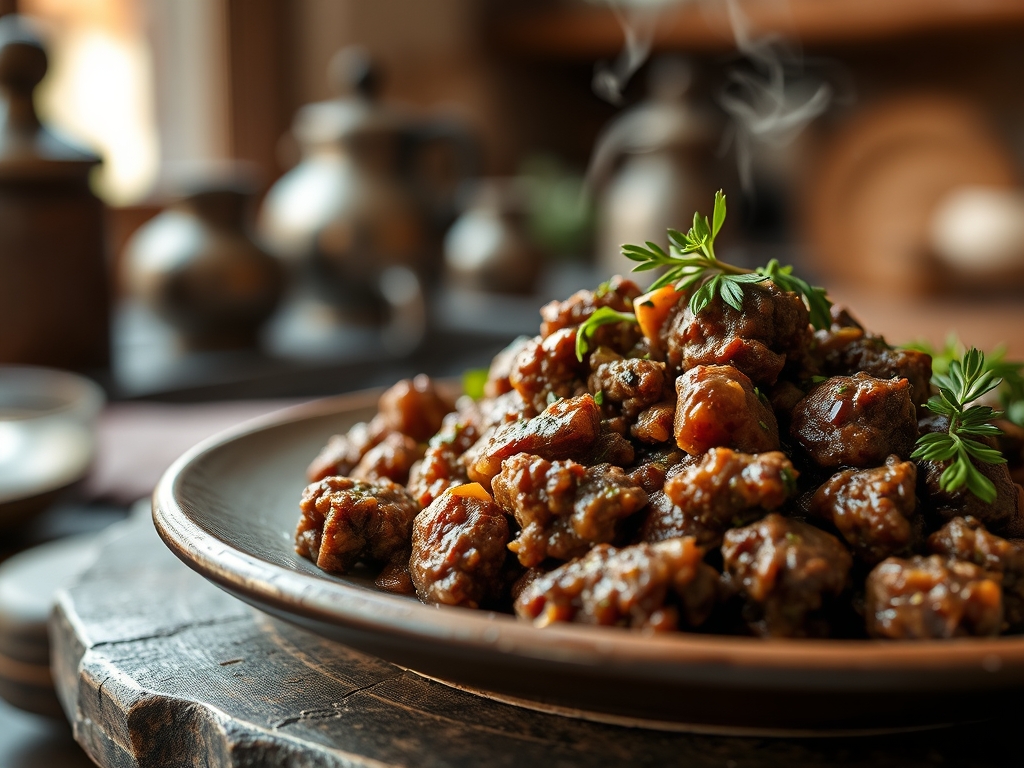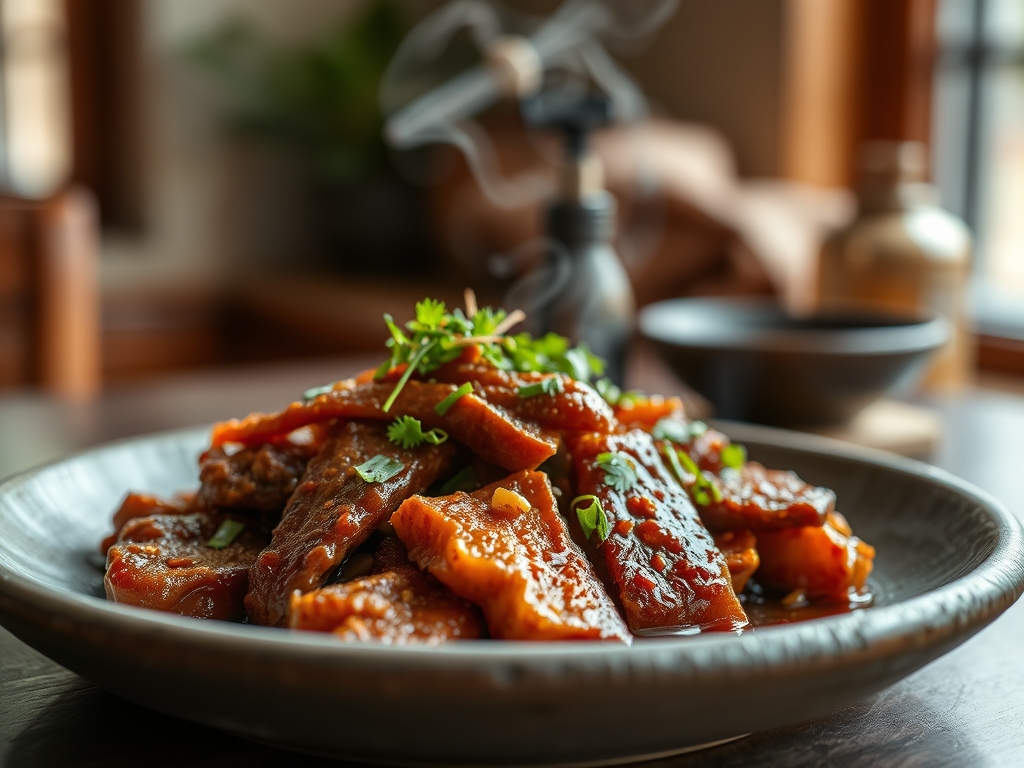
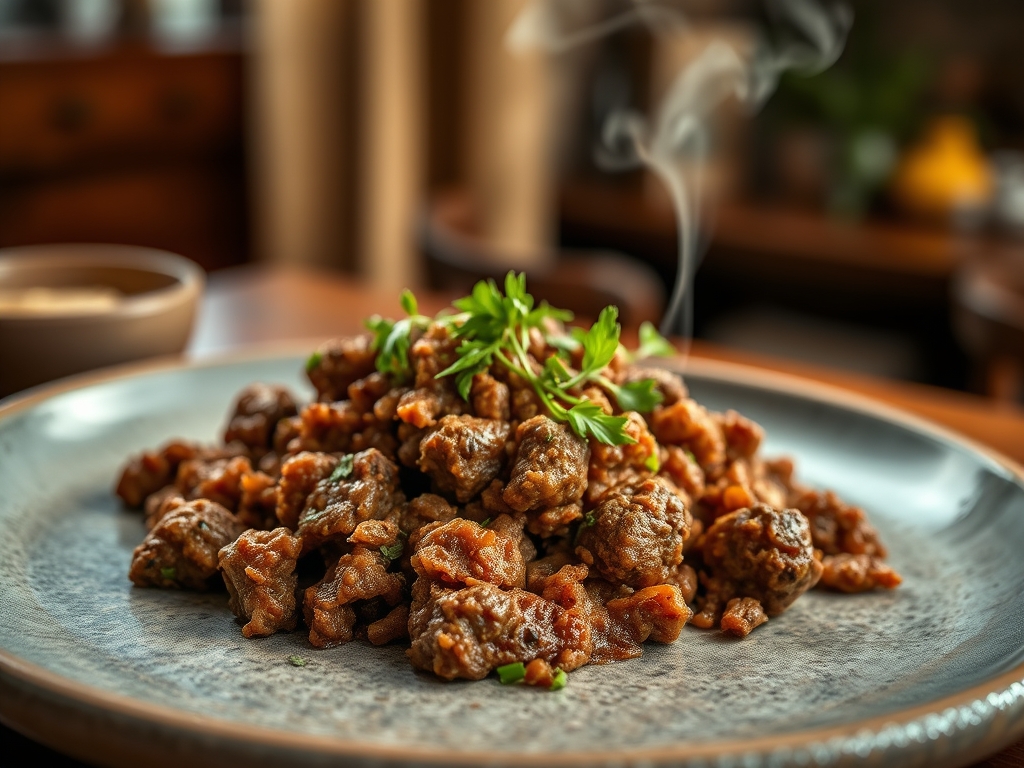
Picture the scent of rendered fat meeting toasted pine nuts. It is a fragrance that defines Middle Eastern hospitality. When you master arabic ground beef recipes, you are not just cooking; you are conducting a symphony of warm spices and Maillard reactions. The steam rising from a heavy-bottomed skillet carries notes of allspice, cinnamon, and the deep umami of high-quality protein. Whether you are stuffing delicate vegetables or layering meat with silky tahini, the secret lies in the balance of acidity and fat. We are going to dive into six foundational classics that will transform your kitchen into a Levantine bistro. We will cover everything from the structural integrity of a perfect Kofta to the textural contrast of a crispy Arayes. Put on your apron and grab your favorite chef's knife. We are about to turn humble ground beef into a culinary masterpiece using techniques that professional chefs swear by. This is about more than just dinner; it is about the science of flavor.
The Gathers:
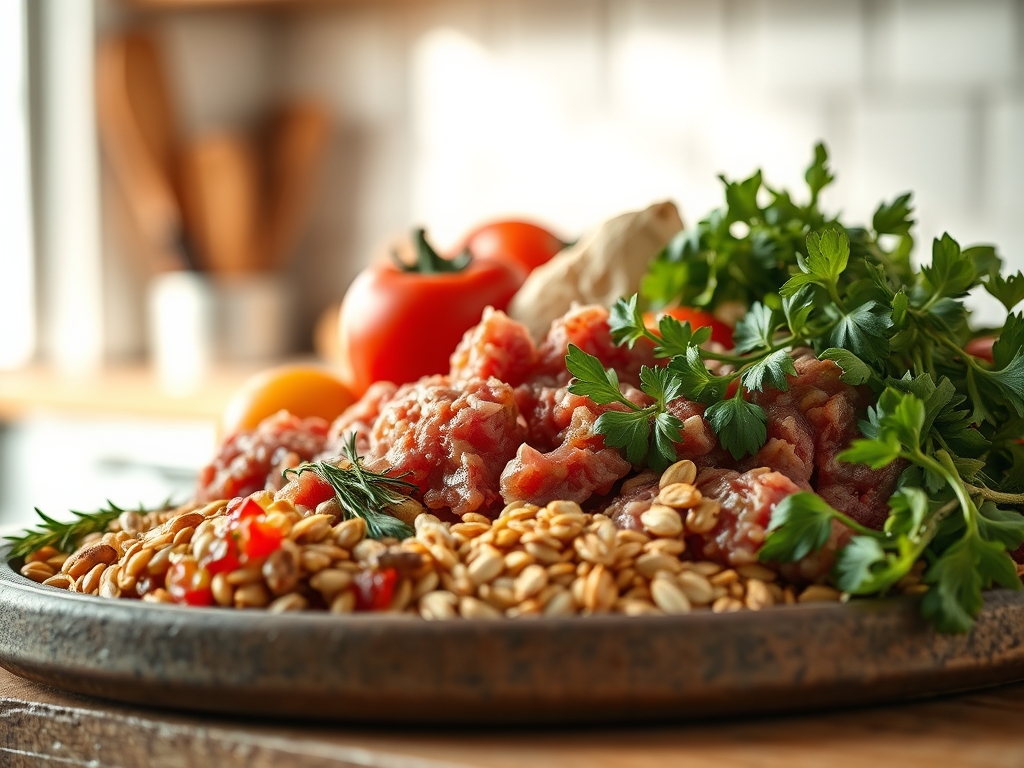
Before we ignite the burners, we must organize our mise-en-place. For authentic results, your ground beef should ideally be an 80/20 blend. This specific ratio ensures there is enough intramuscular fat to lubricate the protein fibers during high-heat searing. You will need a digital scale to portion your meat precisely, ensuring even cooking times across all six recipes.
The aromatic base consists of yellow onions, which we will grate to release their sulfurous compounds and moisture. Use a microplane for your garlic to create a paste; this increases the surface area and allows the pungent oils to emulsify into the meat. Our spice kit is non-negotiable: Seven Spice (Baharat), sumac for a piquant punch, and dried mint for a cooling finish.
Smart Substitutions: If you cannot find Baharat, whisk together equal parts black pepper, cumin, cloves, coriander, cardamom, and nutmeg. For a leaner profile, you can swap 25 percent of the beef for ground lamb to increase the gaminess without sacrificing the mouthfeel. If you are avoiding nightshades, replace paprika with a touch of smoked salt to mimic that deep, earthy profile.
The Clock
Efficiency in the kitchen is about the Chef's Flow. This is the art of overlapping tasks to minimize downtime. Total active prep for these six recipes is approximately 45 minutes, while the cumulative cooking time spans about 90 minutes if handled sequentially. However, by using a bench scraper to move prepped aromatics quickly and multitasking with your heavy-bottomed skillet, you can cut this down.
Start by hydrating any bulgur or rice needed for fillings. While those starches swell, move to your protein seasoning. Meat needs at least 20 minutes to "cure" slightly with salt; this allows the myosin proteins to dissolve and create a better bind. While the meat rests, prepare your cold sauces like tzatziki or tahini tarator. This sequence ensures that by the time your beef hits the heat, every supporting element is chilled and ready.
The Masterclass
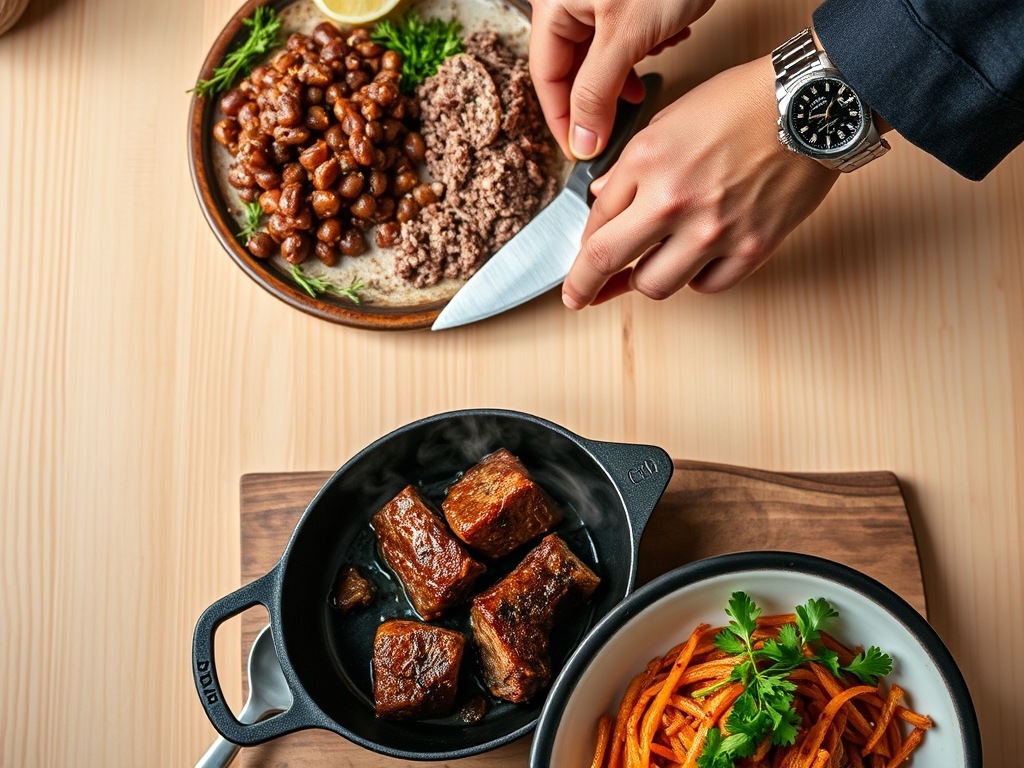
1. The Foundation: Perfect Hashweh Rice
Start by browning your beef in a saucier until it is fully rendered. Add your rinsed long-grain rice and toast the grains in the beef fat until they are translucent at the edges. Add your warm broth and spices, then cover tightly.
Pro Tip: This toasting process is called the pilaf method. It coats each grain in fat, preventing the starch from gelatinizing into a sticky mass. This ensures a fluffy, distinct grain texture.
2. Kofta Kebabs: The Emulsification Phase
Combine the beef with finely minced parsley and onions. Use your hands to knead the mixture vigorously for three minutes until the texture becomes slightly tacky and pale. Shape them onto flat metal skewers.
Pro Tip: Kneading the meat develops a protein lattice similar to bread dough. This mechanical action ensures the kebabs stay on the skewer and retain their juices through thermal carryover once removed from the grill.
3. Arayes: The Crispy Compression
Stuff seasoned beef into pita pockets. Brush the exterior generously with olive oil and press them into a hot cast-iron press or a panini grill. The goal is a shatteringly crisp exterior with a succulent interior.
Pro Tip: The weight of the press facilitates the Maillard reaction by ensuring maximum surface contact. The bread acts as an insulator, steaming the meat inside while the outside fries in the rendered beef fat.
4. Sheikh al-Mahshi: The Eggplant Boat
Sauté ground beef with toasted pine nuts and cinnamon. Stuff this mixture into small, fried eggplants and simmer them in a viscous tomato or yogurt sauce.
Pro Tip: Frying the eggplant before stuffing creates a hydrophobic barrier. This prevents the vegetable from becoming waterlogged when it simmers in the sauce, maintaining a rich, buttery consistency.
5. Kibbeh Bil Sanieh: The Layered Bake
Create a "dough" of fine bulgur and raw beef. Layer half in a baking pan, add a middle layer of cooked, spiced beef and nuts, then top with more meat dough. Score the top with a diamond pattern and drench in clarified butter.
Pro Tip: Scoring the top layer increases the surface area for browning and allows steam to escape. This prevents the kibbeh from puffing up and cracking during the intense heat of the oven.
6. Dawood Basha: The Meatball Simmer
Roll the beef into small, uniform spheres using a digital scale for accuracy. Sear them in a pan until a crust forms, then deglaze the pan with pomegranate molasses and beef stock to create a glossy glaze.
Pro Tip: Deglazing the pan captures the "fond," which is the concentrated browned bits stuck to the bottom. This adds a deep, complex umami layer to your sauce that cannot be replicated with spices alone.
The Deep Dive
From a macro perspective, these arabic ground beef recipes are powerhouses of protein and healthy fats. A standard serving provides roughly 25g of protein and 18g of fat. To make these Keto-friendly, simply omit the rice or bulgur and use cauliflower rice or almond flour as a binder. For a Gluten-Free version, ensure your spices are pure and swap pita for lettuce wraps or GF flatbreads.
The Fix-It:
- Dry Meat: If your beef feels grainy, you likely overcooked it. Fix this by folding in a tablespoon of Greek yogurt or tahini to reintroduce moisture and fat.
- Bland Flavor: If the dish tastes "flat," it lacks acidity. Deglaze with a splash of lemon juice or add a sprinkle of sumac to brighten the flavor profile.
- Falling Apart: If your Kofta falls off the skewer, the meat was too warm. Chill the mixture for 30 minutes before shaping to solidify the fats.
Meal Prep Science: When reheating, avoid the microwave if possible. Use a heavy-bottomed skillet over low heat with a teaspoon of water and a lid. This creates a localized steam environment that rehydrates the protein fibers without making them rubbery.
The Wrap-Up
Mastering these six classics gives you a backstage pass to the most vibrant flavors of the Middle East. By focusing on the science of the sear and the chemistry of the spices, you have elevated simple ground beef into something truly gourmet. Remember to trust your senses; listen for the sizzle, smell the toasted spices, and watch for that perfect golden crust. Your kitchen is now a place of discovery.
The Kitchen Table
Why is my ground beef grey instead of brown?
This happens when the pan is overcrowded, causing the meat to steam in its own moisture. Cook in smaller batches in a preheated heavy-bottomed skillet to ensure a proper Maillard reaction and a deep brown crust.
Can I freeze these ground beef dishes?
Yes, most of these recipes freeze beautifully. For the best quality, freeze them in airtight containers to prevent freezer burn. Defrost in the refrigerator overnight to maintain the structural integrity of the protein fibers before reheating.
What is the best way to mince parsley for Kofta?
Use a very sharp chef's knife and ensure the parsley is bone-dry. A wet herb will bruise and turn into a paste. A dry, sharp cut preserves the volatile oils, providing a brighter, more aromatic flavor.
How do I stop my pine nuts from burning?
Pine nuts have a high oil content and burn rapidly. Toast them in a dry pan over medium-low heat, shaking constantly. Remove them the second they turn golden; residual heat will continue the browning process.