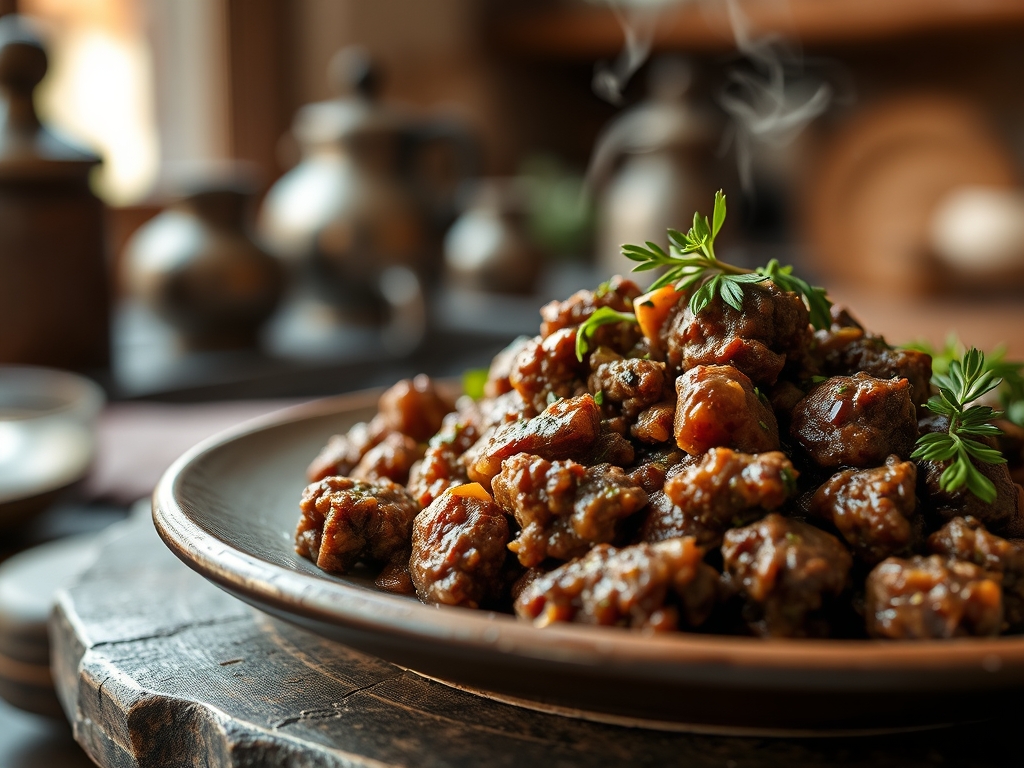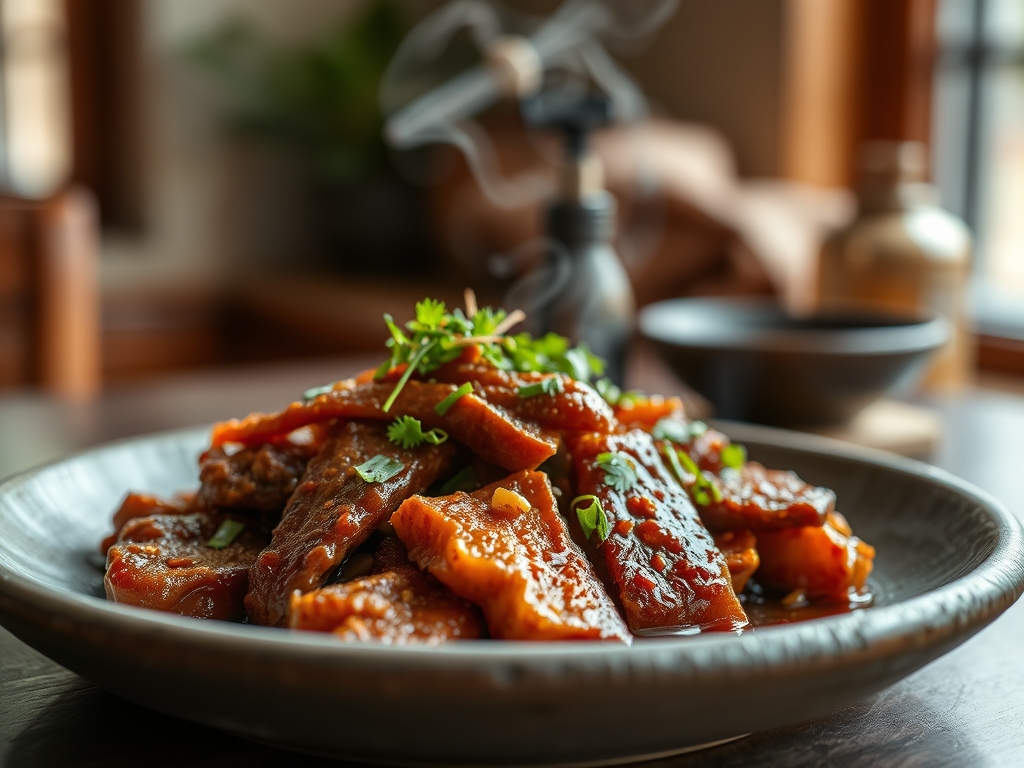
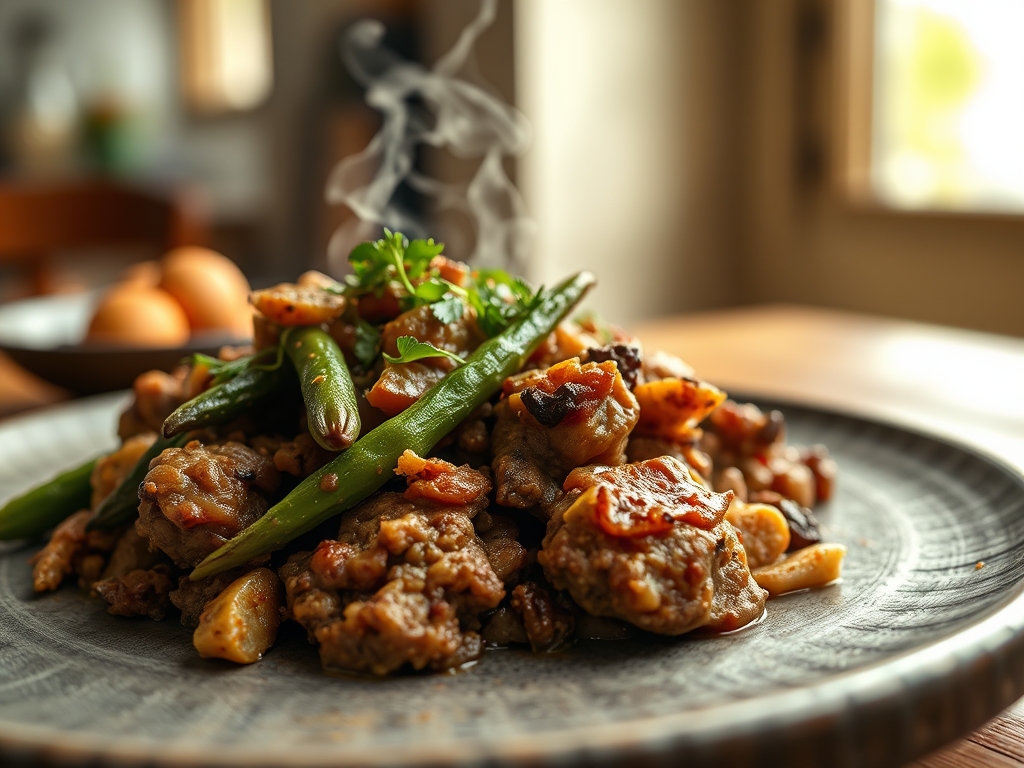
Imagine the sharp, rhythmic sound of a chef knife hitting a wooden board as you slice through vibrant green pods. The smell of searing fat hits the air as ground beef meets a scorching heavy-bottomed skillet. You are about to master okra and ground beef recipes that defy the "slimy" stereotypes. We are diving into a world where texture is king and flavor is non-negotiable.
The magic of this pairing lies in the contrast. You have the rich, fatty depth of the beef acting as a foil to the grassy, slightly sweet crunch of the okra. Whether you are craving a deep Southern smothered dish or a piquant Middle Eastern stew, these ingredients are the ultimate culinary power couple. We are going to use high-heat techniques to transform these simple staples into restaurant-quality meals that will make your kitchen smell like a five-star bistro.
The Gathers:
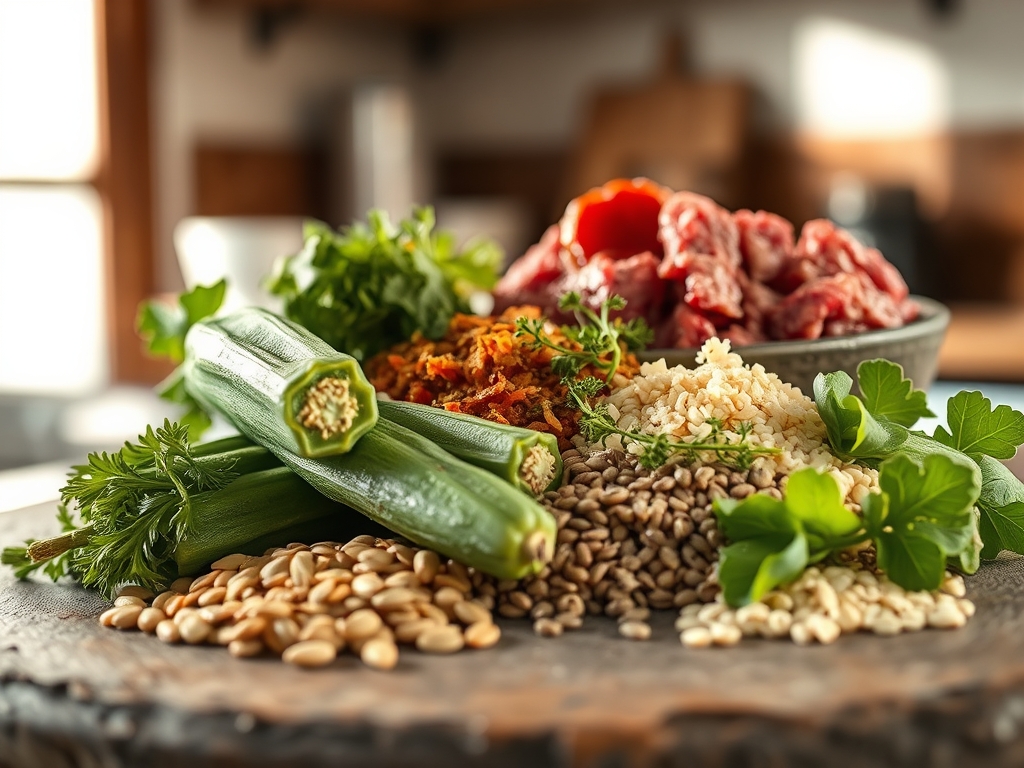
To execute these okra and ground beef recipes with precision, your mise-en-place must be flawless. Start with one pound of ground beef; look for an 80/20 lean-to-fat ratio to ensure enough lipids are present to render and fry the okra later. You will need one pound of fresh, firm okra pods. Avoid any that feel "woody" or have dark spots, as these indicate high lignin content which makes them tough to chew.
Your aromatics are the backbone of the flavor profile. Gather three cloves of garlic, one large yellow onion, and a thumb of ginger. Use a microplane to grate the garlic and ginger into a fine paste for maximum surface area and flavor infusion. For the liquids, have a cup of beef bone broth and a tablespoon of tomato paste ready. The tomato paste provides the acidity needed to cut through the richness.
Smart Substitutions: If you are watching your saturated fat intake, swap the beef for ground bison or turkey. However, you must add a teaspoon of neutral oil to the pan since these meats lack the necessary fat to prevent the okra from sticking. For a flavor twist, use smoked paprika instead of black pepper to mimic a wood-fired grill profile.
The Clock: Master Your Flow
Efficiency in the kitchen is about managing your "Chef's Flow." The total active time for most okra and ground beef recipes is roughly 15 minutes, with a 20-minute simmer. Start by prepping your vegetables first. Use a bench scraper to quickly move your chopped onions and okra from the board to prep bowls. This keeps your station clean and prevents cross-contamination.
While the beef is browning, you should be cleaning your board. Never wait for the timer to beep to start the next task. By the time the dish is ready to plate, your kitchen should already be halfway clean. This "clean-as-you-go" philosophy ensures you enjoy the meal without a mountain of dishes looming in the background.
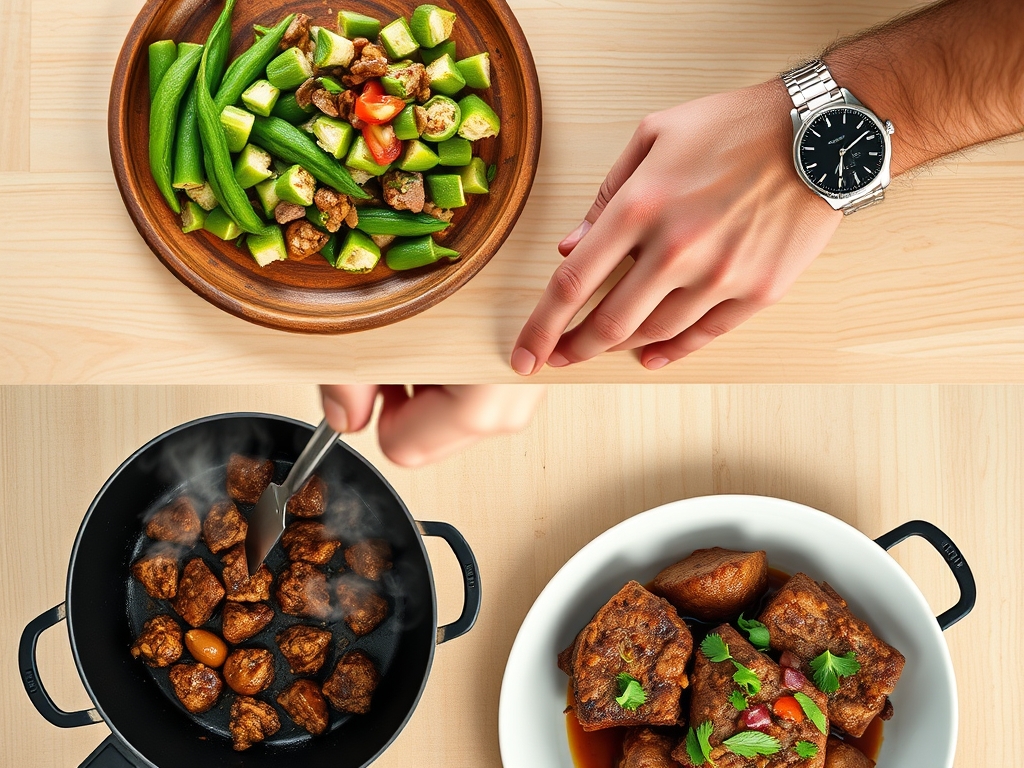
The Masterclass:
1. The High-Heat Sear
Place your heavy-bottomed skillet over medium-high heat. Once the pan is shimmering, add the ground beef. Do not crowd the pan; you want to achieve the Maillard reaction, which is the chemical reaction between amino acids and reducing sugars that gives browned food its distinctive flavor. Break the meat into large chunks and let them sit undisturbed for three minutes.
Pro Tip: This is called thermal carryover prevention. By letting the meat sear undisturbed, you create a crust that locks in juices. If you stir too early, the meat will steam in its own moisture, resulting in a gray, rubbery texture rather than a savory brown crust.
2. Rendering the Fat
Once the beef is browned, use a slotted spoon to remove the meat, leaving the liquid fat in the pan. If there is more than two tablespoons, use a spoon to remove the excess. This fat is liquid gold; it is infused with beef flavor and will be used to blister the okra.
Pro Tip: The fat acts as a heat transfer medium. Using the rendered beef fat to cook the okra ensures the flavors are integrated from the very first step. This is a classic emulsification shortcut where the vegetable oils in the okra and the animal fats in the beef begin to harmonize.
3. Blistering the Okra
Add your sliced okra to the hot fat. Turn the heat up to high. You want to see the edges of the okra turn golden brown and slightly charred. This high-heat application is the secret to "de-sliming" the vegetable. The heat breaks down the mucilage (the viscous substance) before it can become gooey.
Pro Tip: This is an example of enzymatic browning. By rapidly increasing the temperature, you deactivate the enzymes that cause the okra to soften too quickly. The result is a pod that is tender on the inside but crisp on the exterior.
4. Deglazing the Fond
Add your onions and garlic to the pan. As they release moisture, use a wooden spoon to scrape up the brown bits stuck to the bottom of the pan. This is called the fond, and it contains concentrated flavor. Pour in a splash of beef broth or dry red wine to help lift these bits.
Pro Tip: Deglazing is a fundamental culinary technique. The liquid acts as a solvent, dissolving the caramelized proteins and sugars from the bottom of the pan and incorporating them into a rich, complex sauce.
5. The Low and Slow Simmer
Return the beef to the skillet. Add your tomato paste and the remaining broth. Lower the heat to a simmer and cover the pan. Let the flavors marry for about 10 minutes. This allows the connective tissues in the beef to soften and the okra to absorb the savory liquid.
Pro Tip: During this phase, osmosis occurs. The salt and seasonings in the sauce move into the cells of the beef and okra, ensuring every bite is seasoned from the inside out, not just on the surface.
The Deep Dive:
Macro Nutrition
A standard serving of these okra and ground beef recipes provides a powerhouse of nutrition. You are looking at approximately 28g of protein, 12g of healthy fats, and 6g of fiber. Okra is a fantastic source of Vitamin K and Manganese, which are essential for bone health and metabolic function.
Dietary Swaps
- Keto: This recipe is naturally low-carb. Just ensure your tomato paste has no added sugars.
- Vegan: Replace ground beef with crumbled firm tofu or tempeh. Use avocado oil for the sear and mushroom broth for the deglaze to maintain a "meaty" umami profile.
- Gluten-Free: This dish is naturally gluten-free; just double-check that your beef broth does not contain hidden yeast extracts or thickeners.
The Fix-It
- Problem: The dish is too watery. Fix: Remove the lid and increase the heat for three minutes. This allows for evaporation, thickening the sauce into a glaze.
- Problem: The okra is still "slimy." Fix: Add a teaspoon of lemon juice or apple cider vinegar. The acid breaks down the mucilage chains, thinning the texture instantly.
- Problem: The beef is dry. Fix: Next time, use a digital scale to ensure you aren't overcooking by weight. For now, stir in a tablespoon of butter or heavy cream to add moisture and fat back into the dish.
Meal Prep and Reheating
To maintain "day-one" quality, store the beef and okra in an airtight glass container. When reheating, avoid the microwave if possible. Instead, use a small saucier or frying pan over medium heat with a tablespoon of water. This creates steam that gently rehydrates the meat without overcooking the okra.
The Wrap-Up:
Mastering okra and ground beef recipes is a rite of passage for any home cook looking to expand their repertoire. By focusing on high-heat searing and proper deglazing, you turn humble ingredients into a sophisticated, nutrient-dense feast. Don't be afraid of the heat; lean into the sizzle and let the science of the kitchen work its magic. Now, grab your skillet and get cooking!
The Kitchen Table:
How do I stop okra from being slimy in beef stew?
The key is acidity and high heat. Sauté the okra separately at high temperatures to blister the skin before adding it to the beef. Adding an acidic component like tomatoes or lemon juice also breaks down the viscous mucilage.
What is the best beef-to-okra ratio?
A 1:1 ratio by weight is ideal for a balanced meal. Using one pound of ground beef for every pound of okra ensures every bite has a perfect distribution of protein and fiber without one ingredient overpowering the other.
Can I use frozen okra for these recipes?
Yes, but do not thaw it first. Thawing frozen okra releases excess moisture, leading to sogginess. Drop the frozen slices directly into a ripping hot skillet with oil to flash-fry them, preserving as much texture as possible.
What spices go best with okra and ground beef?
Cumin, smoked paprika, and garlic powder are the "holy trinity" for this pairing. For a Mediterranean vibe, add dried oregano and cinnamon. For a Southern profile, stick to cayenne pepper, black pepper, and plenty of onion powder.