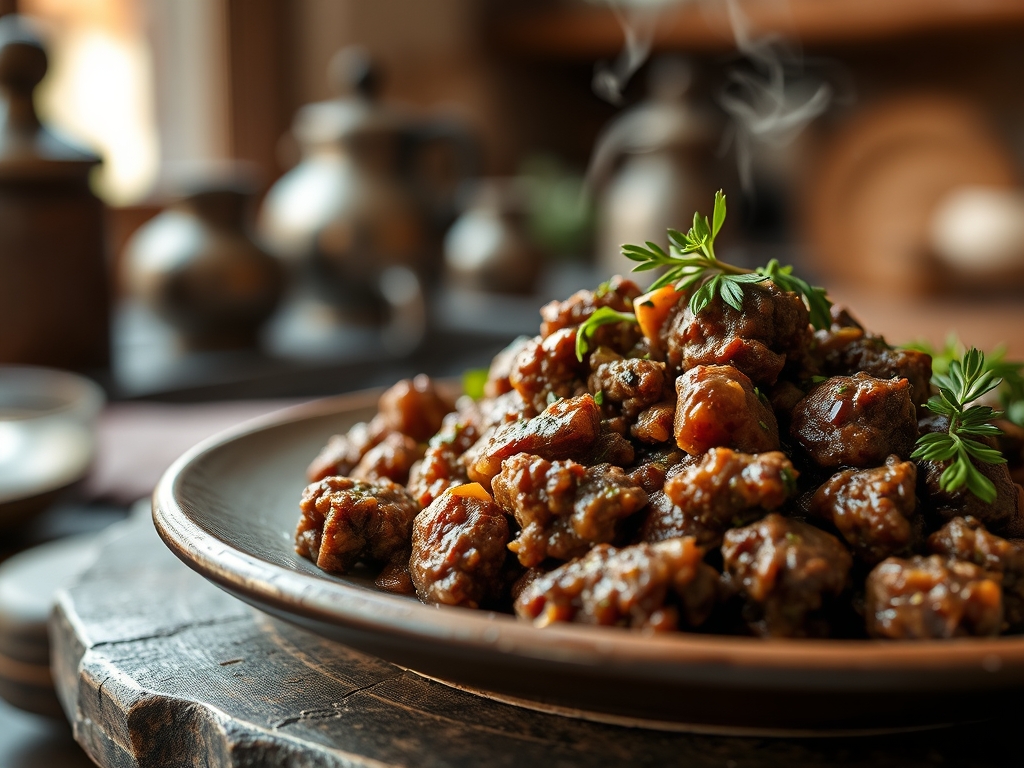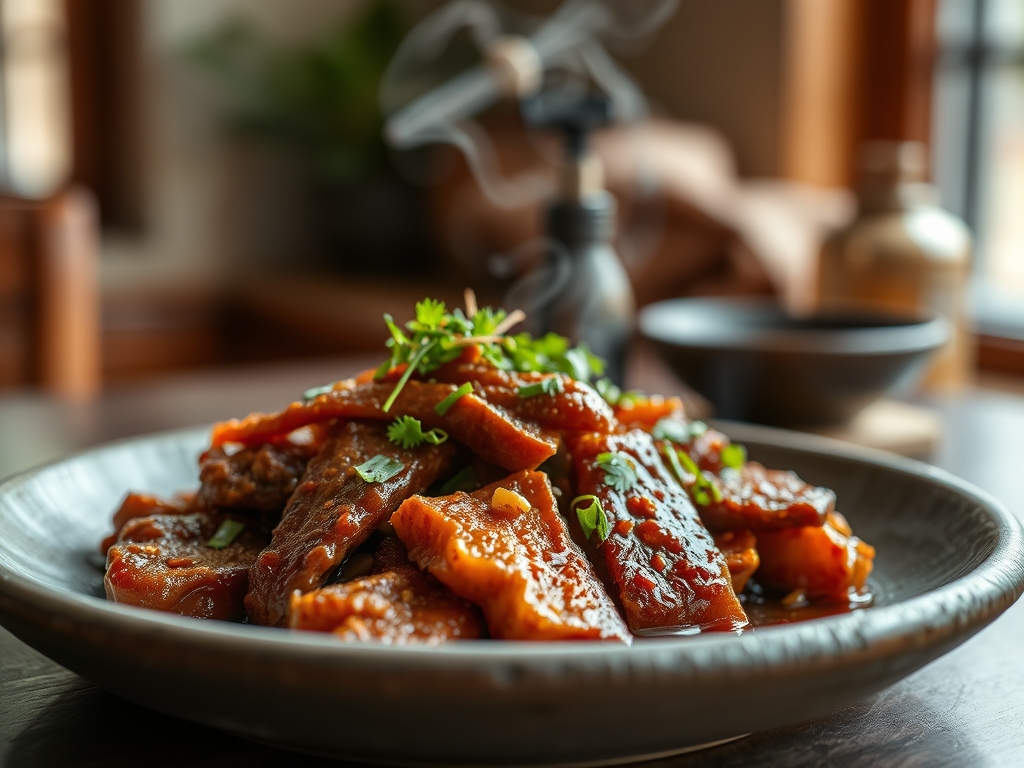
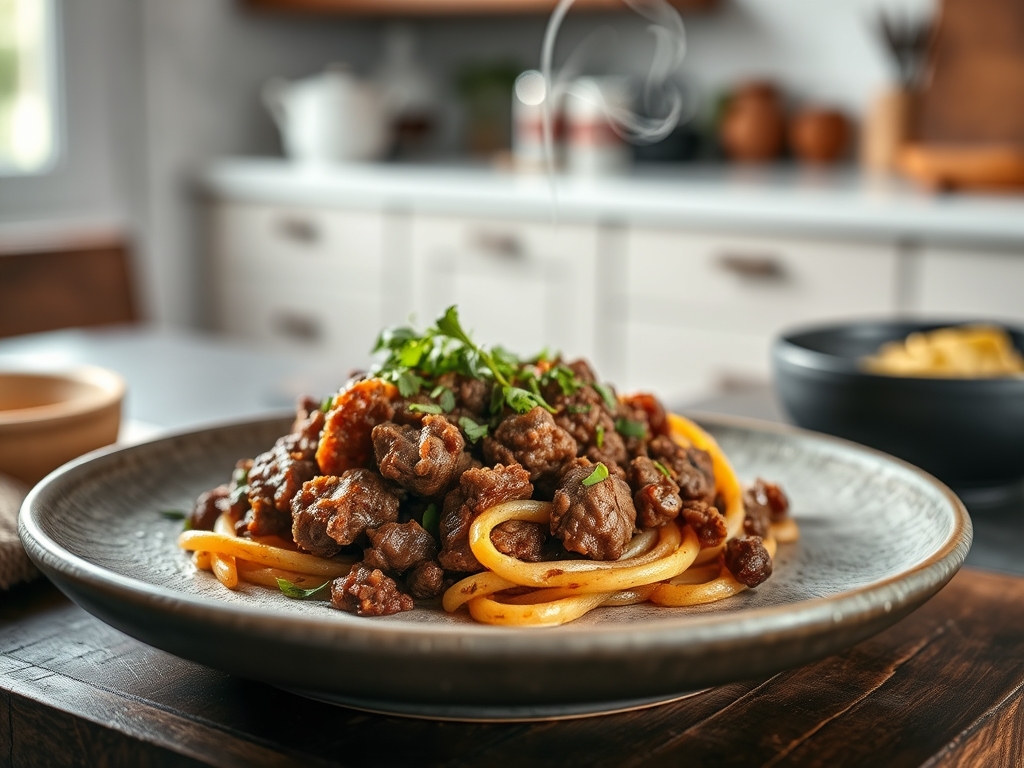
Picture the sound of a heavy bottomed skillet meeting the flame; it is the rhythmic sizzle of fat rendering and proteins realigning. You want high protein and low effort without sacrificing the soul of a home cooked meal. Finding the perfect macro friendly ground beef recipes is about more than just calorie counting; it is about mastering the art of the sear.
We are moving past the days of dry, uninspired crumbles. We are talking about deep umami, vibrant aromatics, and textures that satisfy the primal urge for a hearty meal while keeping your metabolic markers in check. Whether you are aiming for a lean bulk or a meticulous cut, ground beef is your most versatile ally. It is a dense source of bioavailable iron and zinc, wrapped in a flavor profile that anchors everything from spicy Korean bowls to zesty Mediterranean wraps. Let us reclaim the kitchen with scientific precision and a bit of flair.
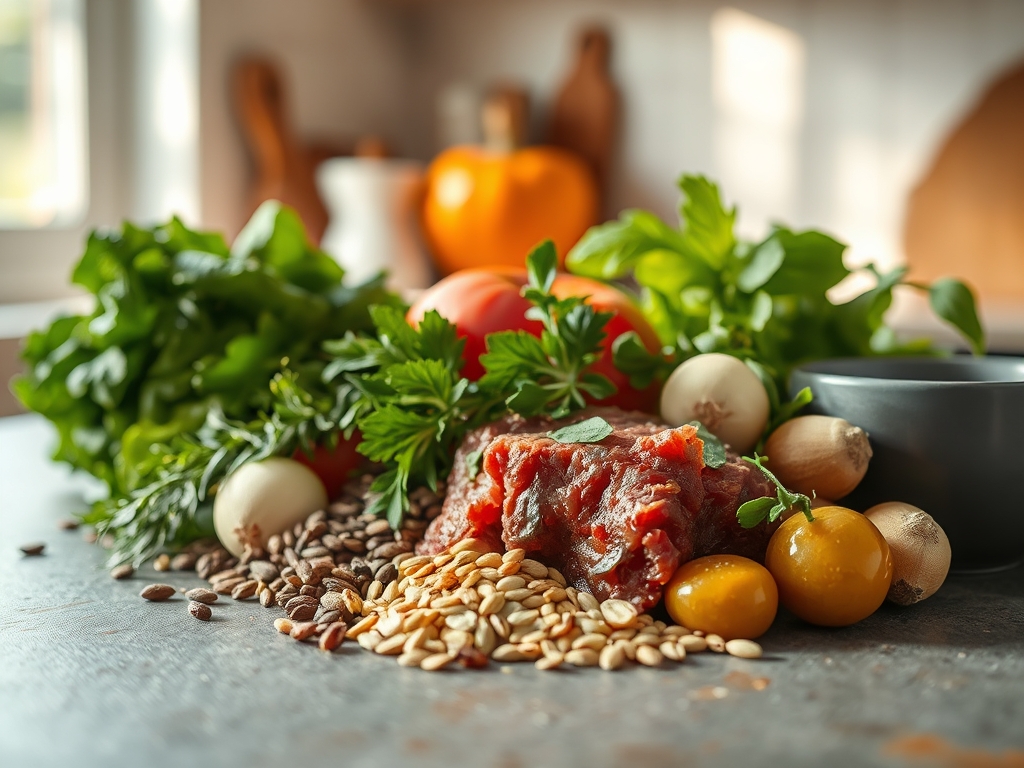
The Gathers:
To execute these macro friendly ground beef recipes, your mise-en-place must be surgical. We start with the protein: look for 93/7 or 96/4 lean-to-fat ratios. While fat carries flavor, we are going to use technique to mimic that richness without the caloric overhead. You will need a digital scale to ensure your portions are precise to the gram.
Your aromatics are the backbone of flavor. Gather fresh garlic, shallots, and ginger. Use a microplane to grate these into a fine paste; this increases the surface area, allowing the volatile oils to infuse the meat more effectively. For texture, we utilize high volume, low calorie "bulkers" like riced cauliflower, shredded cabbage, or finely diced bell peppers.
Smart Substitutions:
Instead of oil, use a splash of beef bone broth to deglaze the pan. This adds collagen and depth without the lipids. Swap heavy creams for blended cottage cheese or Greek yogurt to achieve a viscous, silky sauce. If a recipe calls for sugar, reach for liquid aminos or a dash of fish sauce to provide that piquant, savory punch known as umami.
The Clock
Efficiency in the kitchen is about the Chef's Flow. You should never be standing still. While the skillet preheats, you are dicing. While the meat browns, you are whisking your sauces in a small saucier. Most of these meals require a 10 minute prep and a 15 minute cook time.
The secret to speed is high thermal mass. Using a cast iron or heavy stainless steel pan ensures that when the cold meat hits the surface, the temperature does not drop. This prevents the beef from "stewing" in its own juices and instead triggers the Maillard reaction immediately. Total time from fridge to table should average 25 minutes.
The Masterclass
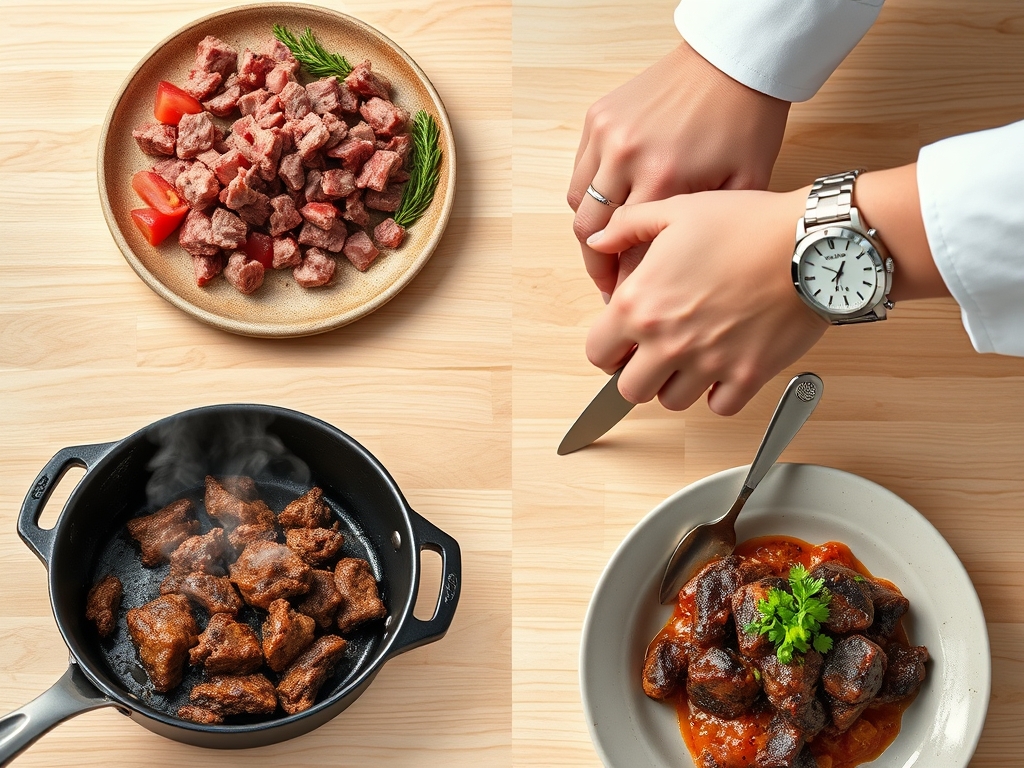
1. The Temper and Sear
Remove your beef from the fridge 15 minutes before cooking. Use a paper towel to pat the surface bone-dry. Place your heavy-bottomed skillet over medium-high heat until a drop of water flicked onto the surface dances and evaporates instantly. Add the meat in a single, flat layer.
Pro Tip: This is the science of surface moisture removal. Water acts as a thermal barrier; if the meat is wet, it must boil off the water at 212 degrees Fahrenheit before it can brown at 300 degrees. Drying the meat ensures instant enzymatic browning.
2. The Maillard Development
Resist the urge to stir immediately. Let the meat sit undisturbed for three minutes. Use a stiff metal spatula or a bench scraper to flip large sections once a deep, mahogany crust has formed. This is where the flavor lives.
Pro Tip: The Maillard reaction is a chemical reaction between amino acids and reducing sugars. By leaving the meat still, you allow these complex flavor compounds to form, creating a savory profile that makes lean meat taste indulgent.
3. The Deglaze and Emulsify
Once the meat is browned, add your aromatics. After sixty seconds, the pan will have "fond" (brown bits) stuck to the bottom. Pour in a small amount of acidic liquid, like lime juice or vinegar, and scrape the bottom of the pan.
Pro Tip: This is deglazing. The acid dissolves the flavorful proteins stuck to the pan, incorporating them back into the dish. This creates a natural sauce without needing added fats or thickeners.
4. The Carryover Rest
Turn off the heat when the beef looks just slightly underdone. Transfer it to a warm bowl and let it sit for three to five minutes before serving.
Pro Tip: This utilizes thermal carryover. The internal temperature will continue to rise by 5 degrees after removal from heat. Resting allows the muscle fibers to relax and reabsorb juices, ensuring your macro friendly ground beef recipes stay moist rather than rubbery.
The Deep Dive
Macro Nutrition:
A standard 4 ounce serving of 93/7 ground beef provides roughly 170 calories, 24 grams of protein, and only 8 grams of fat. By pairing this with complex carbohydrates like sweet potatoes or jasmine rice, you create a balanced glycemic load that fuels workouts and aids recovery.
Dietary Swaps:
- Vegan: Use crumbled tempeh or a pea-protein substitute. Treat it with the same searing technique to develop "bark."
- Keto: Replace rice with "zoodles" or extra riced cauliflower and increase the fat slightly with avocado.
- Gluten-Free: Ensure your soy sauce is replaced with tamari or coconut aminos.
The Fix-It:
- Problem: The meat is grey and watery. Fix: You overcrowded the pan. Cook in two batches next time to maintain high heat.
- Problem: The dish is too salty. Fix: Add a splash of rice vinegar or a squeeze of lemon. Acid cuts through salt and brightens the palate.
- Problem: The beef is tough. Fix: Next time, toss the raw meat with a 1/4 teaspoon of baking soda and let it sit for 15 minutes. This raises the pH and prevents the proteins from bonding too tightly.
Meal Prep Science:
When reheating, do not use high power in the microwave. This vibrates water molecules too fast, toughening the protein. Use 50 percent power and add a teaspoon of water to the container to create a steam chamber, preserving "day-one" tenderness.
The Wrap-Up
Mastering macro friendly ground beef recipes is the ultimate "cheat code" for a high-performance lifestyle. You are not just eating for fuel; you are applying culinary physics to create meals that are as aesthetically pleasing as they are nutritionally dense. Use your tools, trust the sear, and remember that flavor is a function of technique, not just calories. Go forth and cook like the genius you are.
The Kitchen Table
How do I make lean ground beef taste better?
Use the Maillard reaction by searing the meat in a preheated, dry, heavy-bottomed skillet. Avoid overcrowding the pan to prevent steaming. Deglaze with bone broth or citrus to incorporate the flavorful "fond" back into the protein.
Is ground beef good for weight loss?
Yes, especially lean versions like 93/7 or 96/4. It is highly satiating due to its high protein content and provides essential micronutrients like B12 and zinc, which support metabolic health during a calorie deficit.
How long does cooked ground beef last in the fridge?
Cooked ground beef remains safe and flavorful for three to four days when stored in an airtight container. For the best texture, reheat gently at lower power settings to prevent the proteins from becoming rubbery and dry.
Can I use frozen ground beef for these recipes?
You can, but ensure it is fully thawed in the refrigerator first. Pat it extremely dry with paper towels before cooking, as frozen meat often releases more moisture, which can interfere with the browning process.