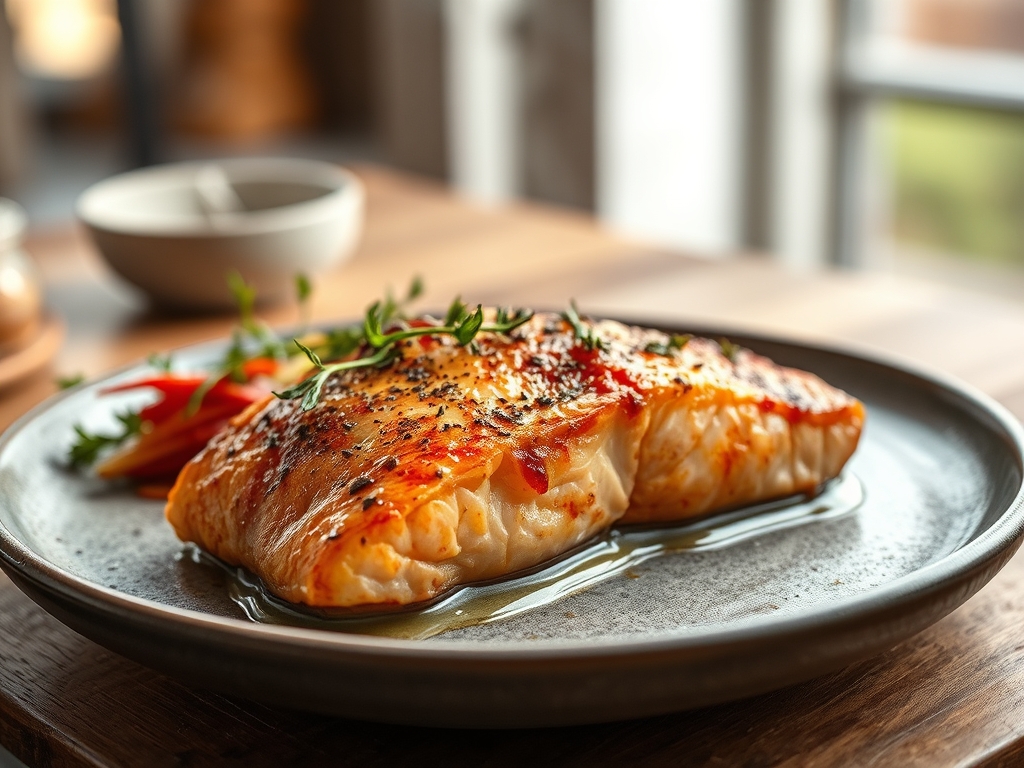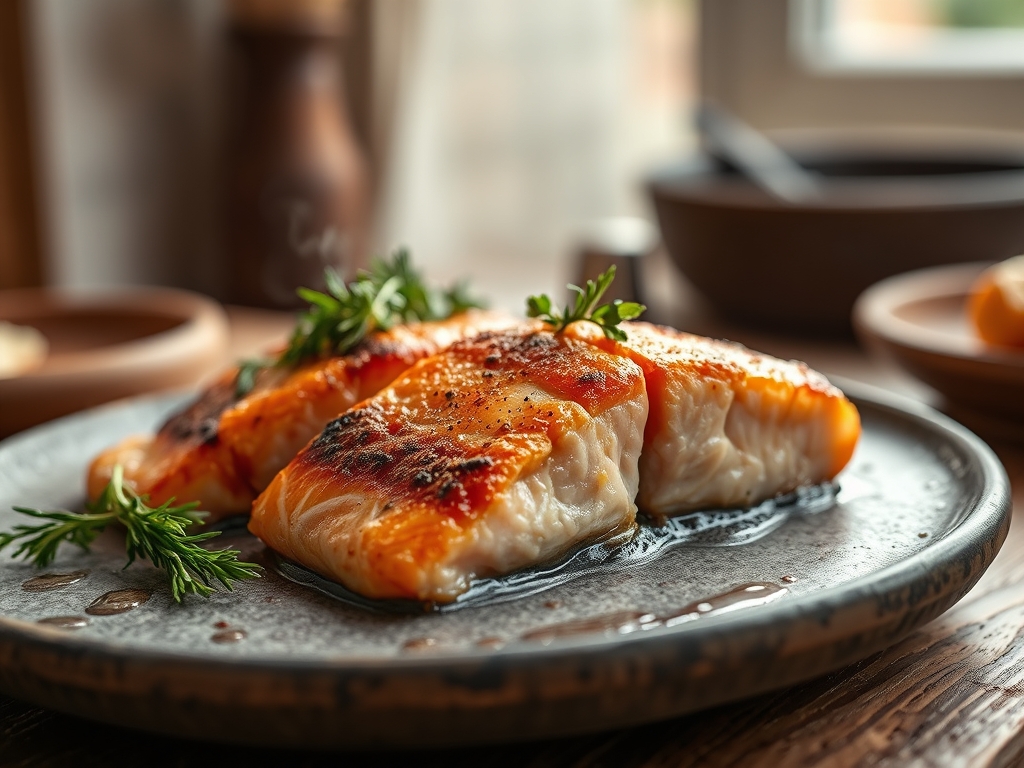
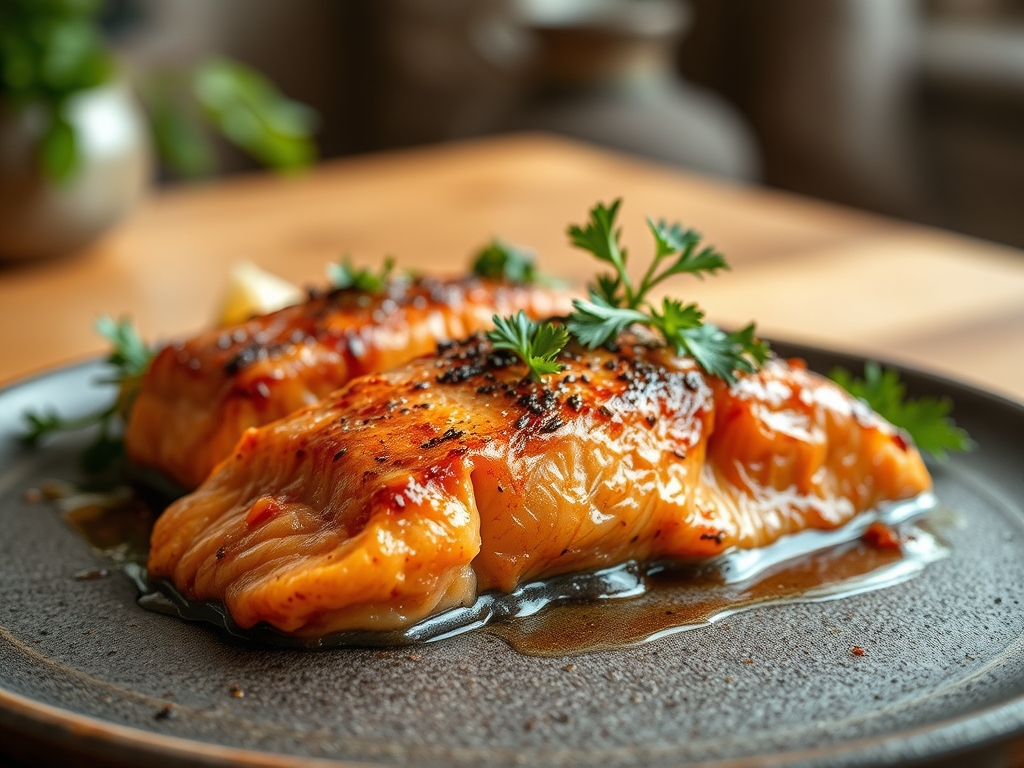
Imagine the kitchen at sunset; the air is heavy with the scent of lemon zest and the sharp, woodsy aroma of fresh rosemary. You are standing over a vibrant, ruby-red fillet that looks more like a gemstone than dinner. This is the magic of working with wild-caught fish. When you master baked sockeye salmon recipes, you are not just cooking; you are performing a delicate thermal dance with one of the most nutrient-dense proteins on the planet. Sockeye is leaner and more intense than its Atlantic cousins. It demands respect, precision, and a little bit of kitchen chemistry to ensure it stays succulent rather than turning into expensive driftwood. We are going for that perfect, translucent center and a crust that crackles with flavor.
The secret lies in the fat content. Sockeye is packed with long-chain omega-3 fatty acids, which provide that signature buttery mouthfeel despite the fish being relatively lean. Today, we are moving past the basic sheet pan methods. We are diving into the mechanics of heat transfer and moisture retention. Grab your favorite apron and a glass of crisp Sauvignon Blanc. We are about to transform your kitchen into a high-end bistro, one scientific technique at a time.
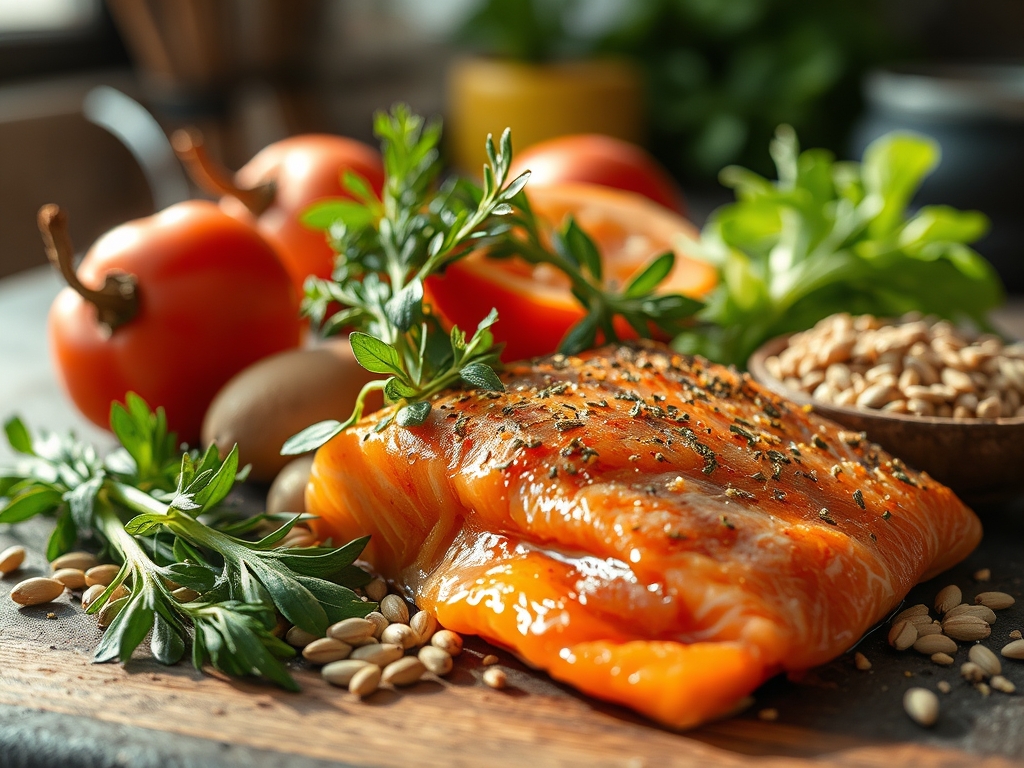
The Gathers:
To achieve a restaurant-grade result, your mise-en-place must be flawless. Start with a side of wild sockeye salmon, roughly 1.5 to 2 pounds. You will need high-quality fats to emulsify your marinade; choose an extra virgin olive oil with a low acidity or grass-fed butter for a richer profile. For the aromatics, gather four cloves of garlic, a bunch of fresh dill, and two lemons. Use a microplane to harvest the zest without hitting the bitter white pith.
The seasoning requires a digital scale if you want to be precise, but generally, a tablespoon of flaky sea salt and a teaspoon of cracked black pepper will suffice. To add a piquant kick, grab a jar of capers and some Dijon mustard. The mustard acts as a natural emulsifier, binding the oil and citrus juice into a viscous glaze that clings to the protein fibers.
Smart Substitutions:
If you are avoiding dairy, swap the butter for avocado oil; it has a high smoke point and a neutral profile. For those who find dill too aggressive, fresh tarragon offers a sophisticated, anise-like finish. If you lack fresh lemons, a splash of white wine vinegar or verjuice can provide the necessary acidity to denature the surface proteins and brighten the heavy fats.
The Clock:
The "Chef's Flow" is all about timing and temperature. Your total active prep time is exactly 12 minutes. This includes the time to de-bone any stray pin bones with tongs and prepare your herb slurry. The actual roasting time is remarkably short; sockeye typically requires only 10 to 12 minutes in a 375-degree oven.
However, the most critical part of the clock is the tempering phase. You must pull your salmon from the refrigerator 20 minutes before it hits the heat. If you put cold fish into a hot oven, the exterior will overcook before the center reaches a safe temperature. Finally, allow for a 5-minute rest period post-bake. This allows the muscle fibers to relax and reabsorb the internal juices, ensuring every bite is moist.
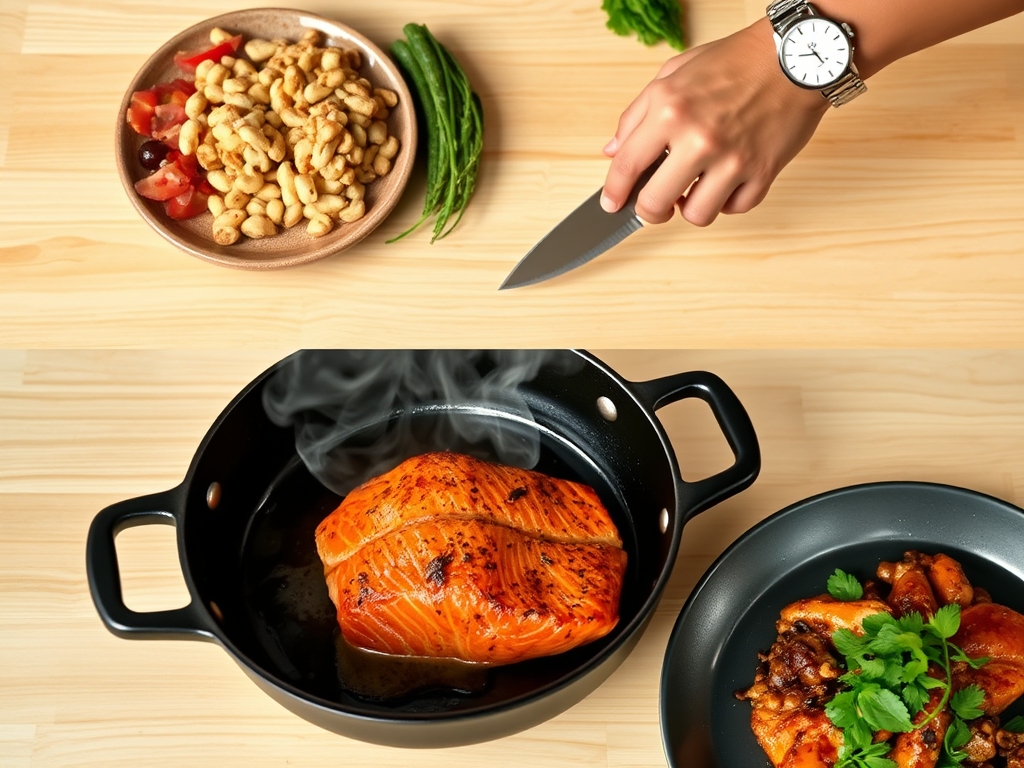
The Masterclass:
1. Temper and Prep
Remove the salmon from its packaging and pat it bone-dry with paper towels. Moisture is the enemy of the Maillard reaction. Use a bench scraper to clear your workspace as you trim any uneven belly fat.
Pro Tip: Drying the skin thoroughly allows the heat to render the subcutaneous fat quickly. This prevents the "gray layer" of albumin from pushing to the surface, keeping the fillet aesthetically pleasing and flavorful.
2. The Acidic Infusion
Zest your lemons directly over the fish, then whisk together the oil, mustard, and minced garlic in a small saucier. Brush this mixture generously over the flesh.
Pro Tip: The citric acid in the lemon zest begins a process called denaturation. It slightly breaks down the tight protein coils, allowing the aromatic oils from the garlic and herbs to infuse deeper into the meat before the heat sets the structure.
3. Precision Roasting
Place the salmon on a parchment-lined heavy-bottomed baking sheet. Slide it into the center rack of your oven. If your fillet is particularly thick, you may want to use a digital thermometer to track the internal rise.
Pro Tip: Aim for an internal temperature of 125 degrees Fahrenheit. Because of thermal carryover, the temperature will continue to rise about 5 degrees after you remove it from the oven, landing at a perfect medium-rare 130 degrees.
4. The Rest and Finish
Transfer the salmon to a warm platter. Tent it loosely with foil, but do not seal it; you do not want to steam the skin you just worked so hard to crisp. Garnish with fresh dill and a final sprinkle of flaky salt.
Pro Tip: Resting is a thermodynamic necessity. It allows the viscosity of the internal fats to stabilize, which means the juices stay in the fish rather than spilling out onto your cutting board.
The Deep Dive:
When we look at the macro profile, sockeye is a powerhouse. A 6-ounce serving provides roughly 45 grams of high-quality protein and zero carbohydrates, making it a staple for Keto and Paleo lifestyles. It is exceptionally high in Vitamin B12 and Selenium, which support metabolic function and thyroid health.
The Fix-It:
- White Gunk (Albumin): If you see white beads on the surface, your oven was too hot. Fix this next time by lowering the temp or brining the fish in salt water for 10 minutes before cooking to tighten the proteins.
- Soggy Skin: This happens when there is trapped steam. Use a wire rack set over your baking sheet to allow hot air to circulate under the fish.
- Dry Texture: You likely missed the carryover window. Always pull the fish when it still looks slightly translucent in the thickest part.
Meal Prep Science:
To reheat sockeye without it turning into rubber, avoid the microwave. Use a "low and slow" approach in a toaster oven at 275 degrees with a splash of water or broth covered in foil. This creates a mini-steam chamber that hydrates the protein fibers without re-cooking them.
The Wrap-Up:
Mastering baked sockeye salmon recipes is a rite of passage for any serious home cook. It is a lesson in patience, temperature control, and the beauty of high-quality ingredients. When you pull that vibrant, steaming fillet out of the oven, you are serving more than just a meal; you are serving a masterclass in culinary physics. Remember to trust your tools, watch your clock, and always, always let the fish rest. Now, go forth and conquer the kitchen with your new-found salmon expertise!
The Kitchen Table:
How do I know when sockeye salmon is done?
The fish is done when the internal temperature hits 125 degrees Fahrenheit. The flesh should be opaque on the outside but still slightly translucent and flaky in the center. Use a digital thermometer for the most accurate results.
Can I bake sockeye salmon from frozen?
It is possible but not recommended for the best texture. Frozen fish releases more moisture, which steams the meat. For the best results, thaw it overnight in the refrigerator and pat it completely dry before seasoning and roasting.
Why is my salmon skin not crispy?
Crispy skin requires a dry surface and direct heat. Ensure you pat the skin dry with paper towels. For maximum crunch, start the salmon skin-side down in a heavy-bottomed skillet for two minutes before transferring it to the oven.
Is sockeye salmon better than Atlantic salmon?
Sockeye is wild-caught and has a more robust, "fishy" flavor and higher mineral content. Atlantic salmon is usually farmed and has a higher fat content with a milder taste. Sockeye is generally considered the more premium, nutrient-dense choice.