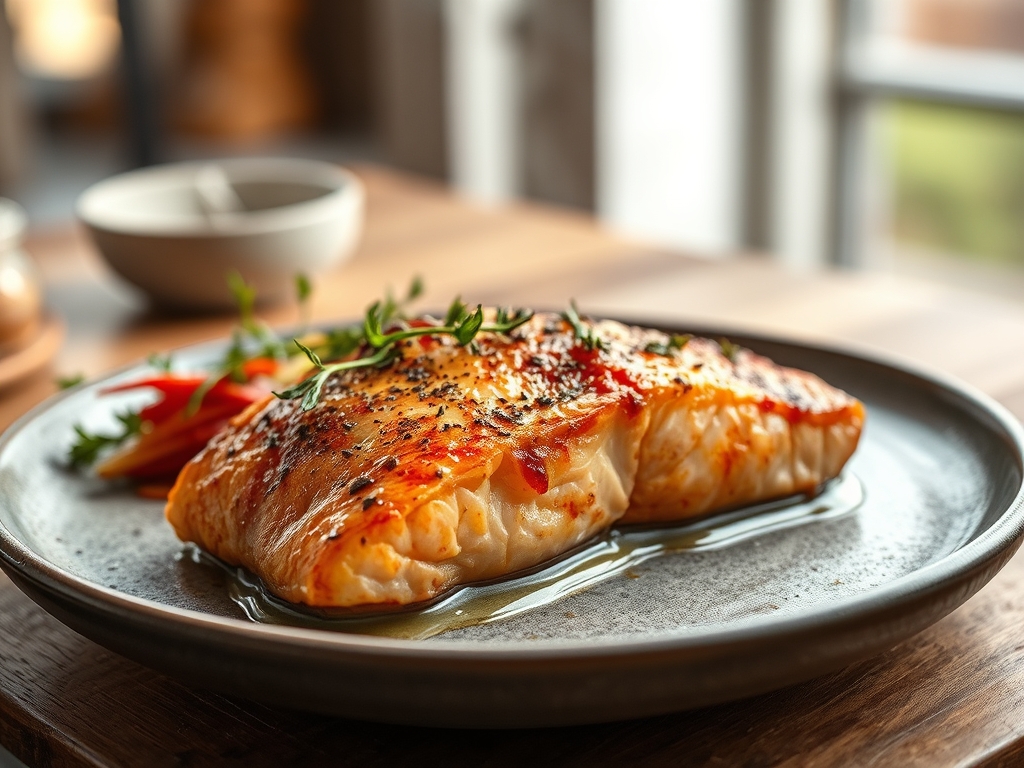
Imagine the sound of a heavy-bottomed skillet meeting a granite countertop; the cool, rhythmic slide of a chef's knife through a silken fillet; and that first, intoxicating whiff of lemon zest hitting hot fat. Learning how to bake salmon recipes is not just about following a set of instructions; it is about mastering the delicate chemistry of proteins and lipids to achieve that elusive, melt-in-your-mouth texture. We are chasing the perfect flake, a vibrant coral center, and a crust so savory it makes your heart skip a beat. Whether you are hosting a high-stakes dinner party or just trying to nourish your soul after a long day, the difference between a dry, chalky disaster and a buttery masterpiece lies in the details. We are going to dive deep into the molecular magic of heat transfer and moisture retention. By the time we are done, you will not just be cooking; you will be conducting a symphony of flavor and technique that will make everyone at your table beg for your secrets.
The Gathers:
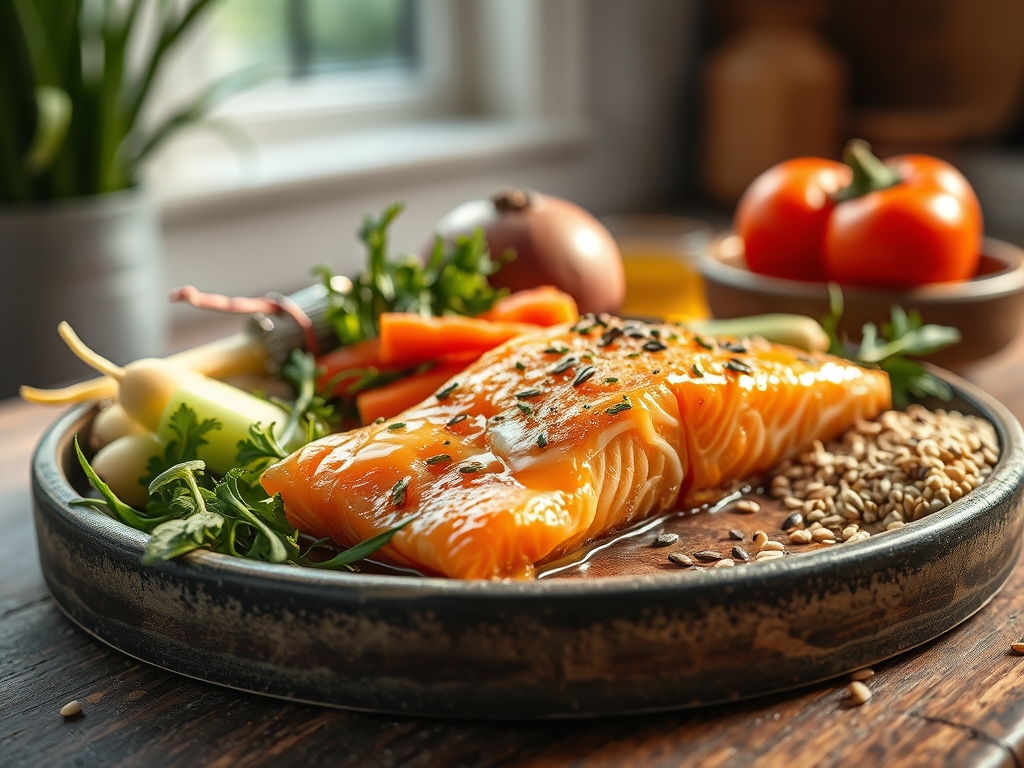
To begin, clear your workspace with a bench scraper to ensure a pristine surface for your mise-en-place. You will need a center-cut Atlantic or King salmon fillet, approximately 1.5 pounds, which offers the most consistent thickness for even thermal distribution. Gather high-quality extra virgin olive oil for its viscous mouthfeel and high smoke point, along with unsalted European-style butter for its superior fat content. You will also need two large lemons, a bunch of fresh dill, and four cloves of garlic.
For the aromatics, reach for your microplane to create a fine zest that will infuse the oil without adding bitterness. Use a digital scale to measure out 10 grams of flaky sea salt and 5 grams of freshly cracked black pepper. If you are looking for smart substitutions, you can swap the butter for ghee if you require a higher smoke point, or utilize maple syrup instead of honey if you desire a more complex, earthy sweetness to balance the piquant notes of the garlic.
The Clock
The "Chef's Flow" is all about rhythm and timing to ensure nothing sits idle for too long. Your active preparation time is a brisk 15 minutes, which includes the precision slicing of your aromatics and the tempering of the fish. Tempering is the process of letting the salmon sit at room temperature for 20 minutes before it hits the heat; this prevents the muscle fibers from seizing up and pushing out unappealing white albumin.
The actual baking time ranges from 12 to 15 minutes, depending on the thickness of your cut and the calibration of your oven. Finally, the most overlooked phase is the 5-minute rest. This allows the internal juices to redistribute, ensuring that every bite remains succulent rather than draining onto the plate. Total time from fridge to table is approximately 40 minutes.
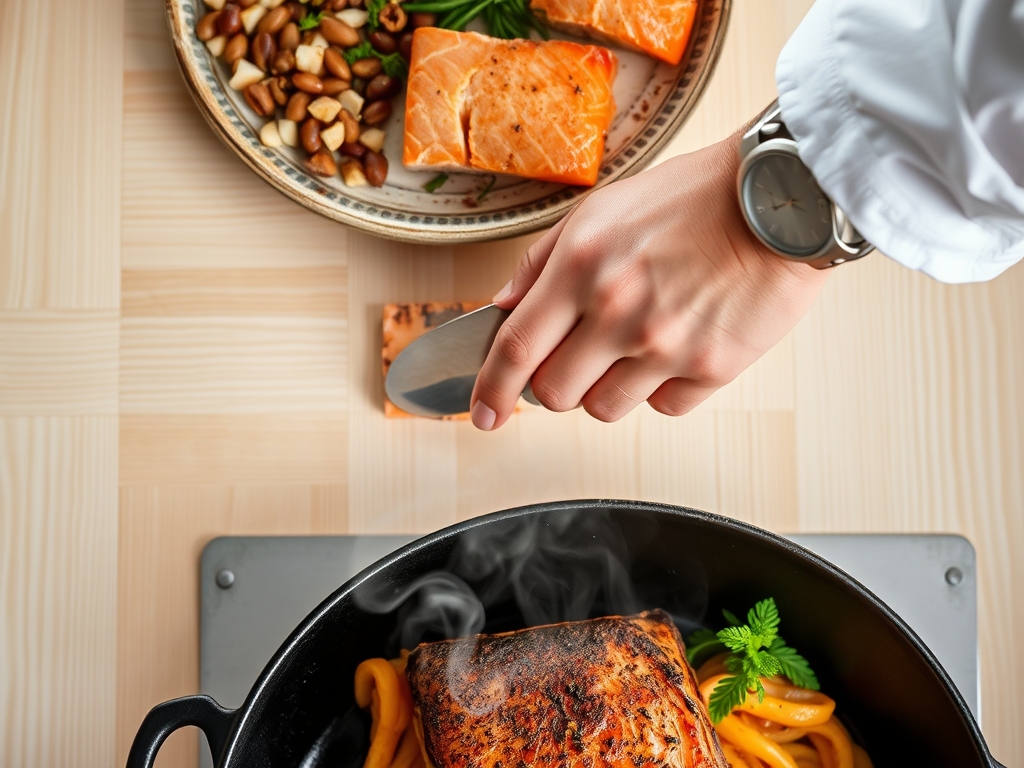
The Masterclass
1. Tempering and Patting Dry
Remove the salmon from the refrigerator and use heavy-duty paper towels to blot every millimeter of moisture from the skin and surface. A dry surface is the only way to achieve a proper sear or a crisp finish.
Pro Tip: This is about surface tension. Water on the surface of the fish acts as a heat sink, meaning the energy from your oven will go toward evaporating that water rather than cooking the fish, leading to a steamed, rubbery texture.
2. The Precision Seasoning
Place the fillet on a parchment-lined baking sheet. Generously coat the salmon with your oil and herb mixture, ensuring you massage the flavors into the flesh.
Pro Tip: Salt acts as a denaturant. It begins to break down the tightly wound proteins on the surface, allowing the fats and aromatics to penetrate deeper into the muscle fibers for a more seasoned interior.
3. Preheating the Vessel
Ensure your oven is fully preheated to 400 degrees Fahrenheit. If you have a cast-iron pan, place it inside while the oven heats.
Pro Tip: This utilizes conductive heat. By placing the fish onto a preheated surface, you initiate an immediate sear on the bottom, which helps render the fat in the skin, making it crispy rather than flabby.
4. The Aromatics Layering
Thinly slice your lemons and place them both under and on top of the salmon. Add sprigs of dill and smashed garlic cloves around the perimeter.
Pro Tip: This creates a flavor shroud. The lemons release steam that is infused with essential oils from the zest, creating a micro-environment that protects the delicate fats from oxidizing too quickly.
5. Entering the Heat
Slide the tray into the center rack. Avoid using the top rack, as the proximity to the heating element can cause the sugars in the glaze to burn before the center is cooked.
Pro Tip: This stage relies on convection. The hot air must circulate freely around the fish. If your oven has a fan setting, use it to ensure the heat hits the salmon from all angles simultaneously.
6. Monitoring the Internal Temperature
Use a digital probe thermometer to check the thickest part of the fillet. You are aiming for an internal temperature of 125 to 130 degrees Fahrenheit for a perfect medium-rare.
Pro Tip: Understand thermal carryover. The internal temperature will continue to rise by 5 to 7 degrees after you remove the fish from the oven. Pulling it early prevents the protein from becoming over-coagulated and dry.
7. The Butter Baste
In the final two minutes, place a few small pats of cold butter on top of the fillet.
Pro Tip: This is a late-stage emulsification. As the butter melts, it mixes with the natural juices and lemon acid to create a self-basting sauce that adds a luxurious, velvety finish to the palate.
8. The Rest Period
Transfer the salmon to a warm platter using wide tongs or a fish spatula. Cover it loosely with foil for five minutes.
Pro Tip: This allows the capillary action within the fish to stabilize. During cooking, juices are pushed toward the center; resting allows them to move back toward the edges for uniform moisture.
9. The Final Acid Hit
Just before serving, squeeze a fresh wedge of lemon over the top and garnish with a sprinkle of Maldon sea salt.
Pro Tip: This provides a bright contrast. The fresh acid cuts through the richness of the omega-3 fatty acids, "waking up" the taste buds and highlighting the subtle sweetness of the fish.
The Deep Dive
From a nutritional standpoint, salmon is a powerhouse of Omega-3 fatty acids, specifically EPA and DHA, which are vital for brain health. A standard 6-ounce serving provides roughly 34 grams of high-quality protein and zero carbohydrates, making it a staple for Keto and Paleo lifestyles. If you are following a vegan diet, you can apply these same aromatic techniques to a "steak" of roasted cauliflower or firm tofu, though the cooking times will vary. For a Gluten-Free version, simply ensure your garnishes and any side sauces (like a soy-based glaze) use tamari instead of standard soy sauce.
If you encounter the "White Stuff" (Albumin), do not panic; it is just protein that has squeezed out. You can minimize this by brining the fish in a basic salt solution for 10 minutes before baking. If your salmon is sticking to the pan, it usually means the pan wasn't hot enough or you didn't use enough fat. To fix this, use a thin saucier to create a quick lemon-butter pan sauce to pour over any torn pieces. For meal prep, never reheat salmon in the microwave. Instead, let it come to room temperature and gently warm it in a covered pan over low heat with a splash of water to create steam, preserving that "day-one" flake.
The Wrap-Up
Mastering how to bake salmon recipes is a true culinary milestone that combines scientific precision with artistic flair. By focusing on tempering, moisture control, and the magic of thermal carryover, you transform a simple piece of seafood into a gourmet experience. Remember to trust your thermometer, respect the rest period, and never skimp on the fresh aromatics. Now, grab your apron and your favorite skillet; it is time to create something magnificent.
The Kitchen Table
How do I know when the salmon is finished cooking?
The salmon is done when the flesh is opaque and flakes easily with a fork. For the best texture, use a digital thermometer to confirm an internal temperature of 130 degrees Fahrenheit before letting it rest.
Can I bake salmon from a frozen state?
While possible, it is not recommended for high-end results. Thawing the fish overnight in the refrigerator ensures the muscle fibers remain intact, preventing a mushy texture and allowing for even heat penetration during the baking process.
Why did my salmon turn out dry?
Dryness is usually caused by overcooking or failing to temper the fish. If the internal temperature exceeds 145 degrees Fahrenheit, the proteins contract too tightly, squeezing out the moisture and leaving the fillet chalky and tough.
What is the best way to get crispy skin?
Ensure the skin is bone-dry before seasoning. Start the salmon in a preheated heavy skillet or cast-iron pan with plenty of fat. The direct contact with the hot metal renders the subcutaneous fat, resulting in a golden, crisp finish.