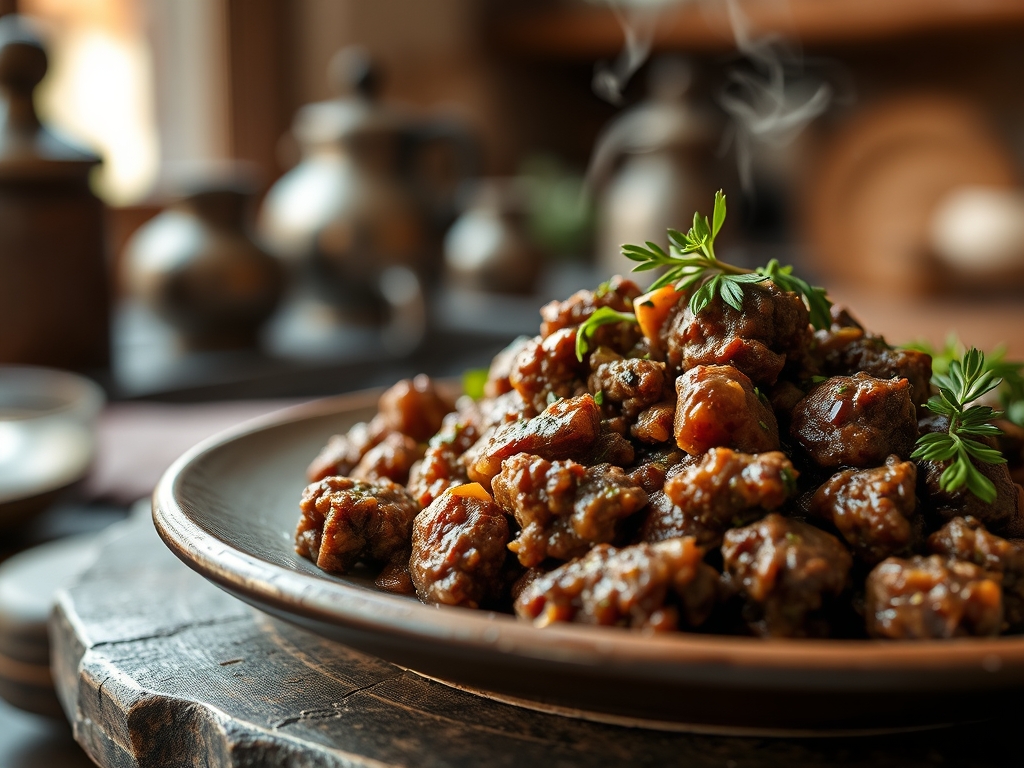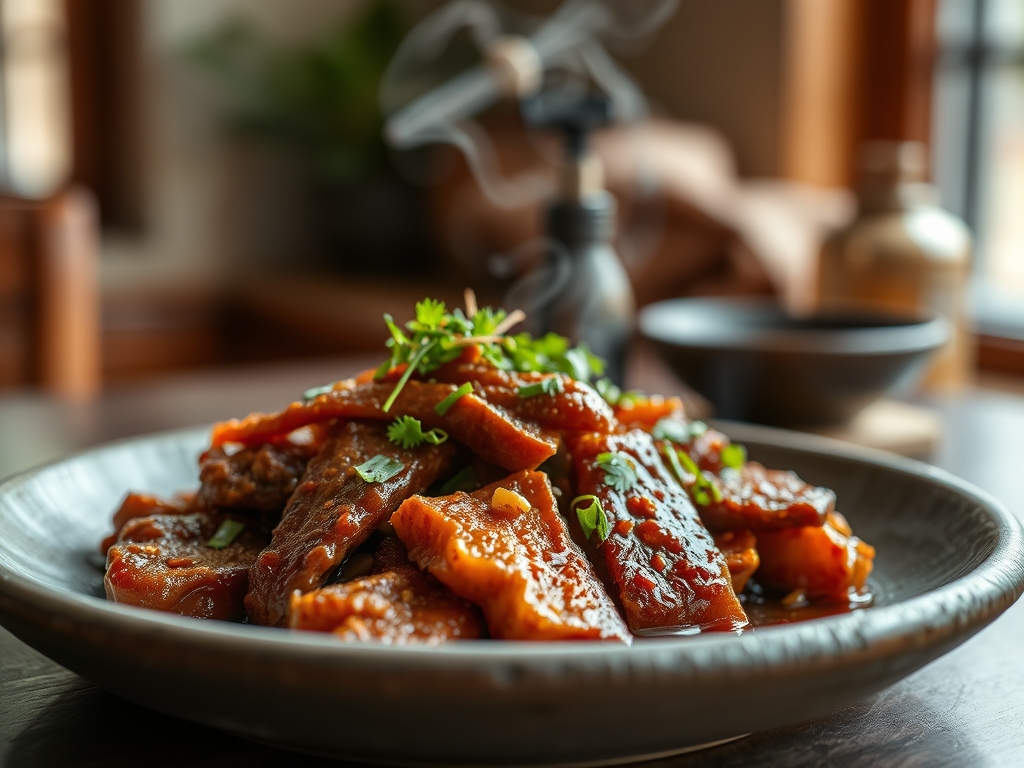
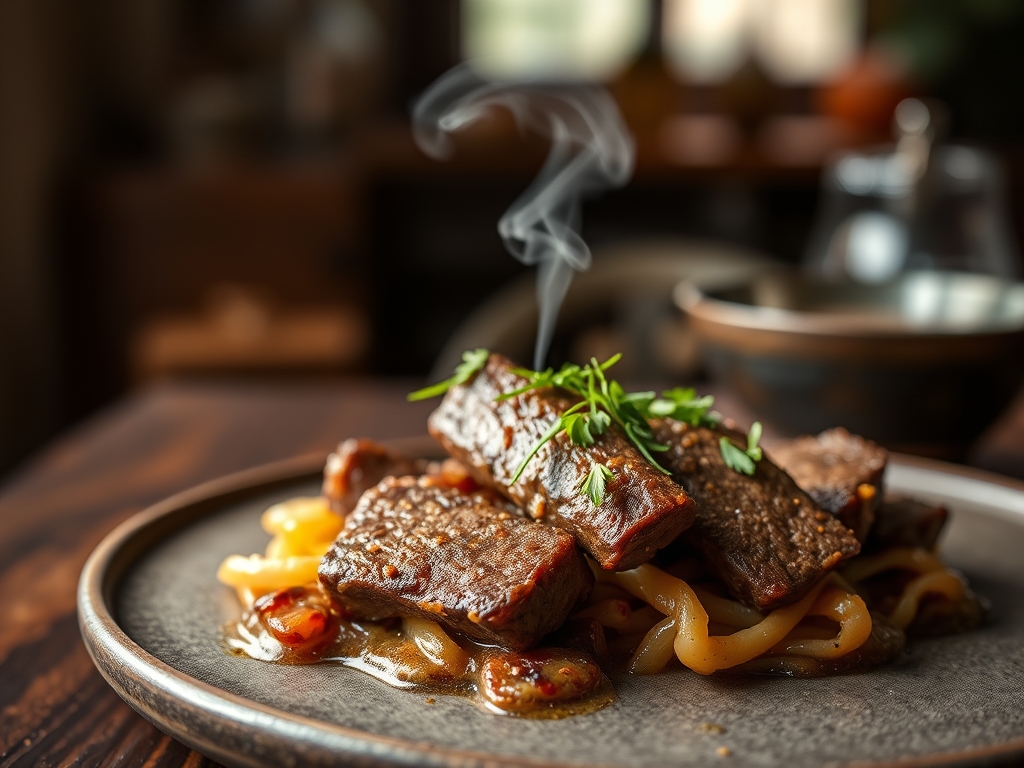
The air in a Peruvian kitchen is thick with the scent of charred red onions and the sharp, piquant sting of vinegar hitting a searing hot wok. When you dive into the world of peruvian beef recipes, you are not just cooking; you are participating in a five-hundred-year-old dialogue between Andean ingredients and Cantonese techniques. Imagine the hiss of a heavy-bottomed skillet as lean strips of sirloin undergo rapid Maillard browning, releasing complex aromas that promise a savory, umami-rich experience. This is the heart of Lima on a plate.
The Gathers:
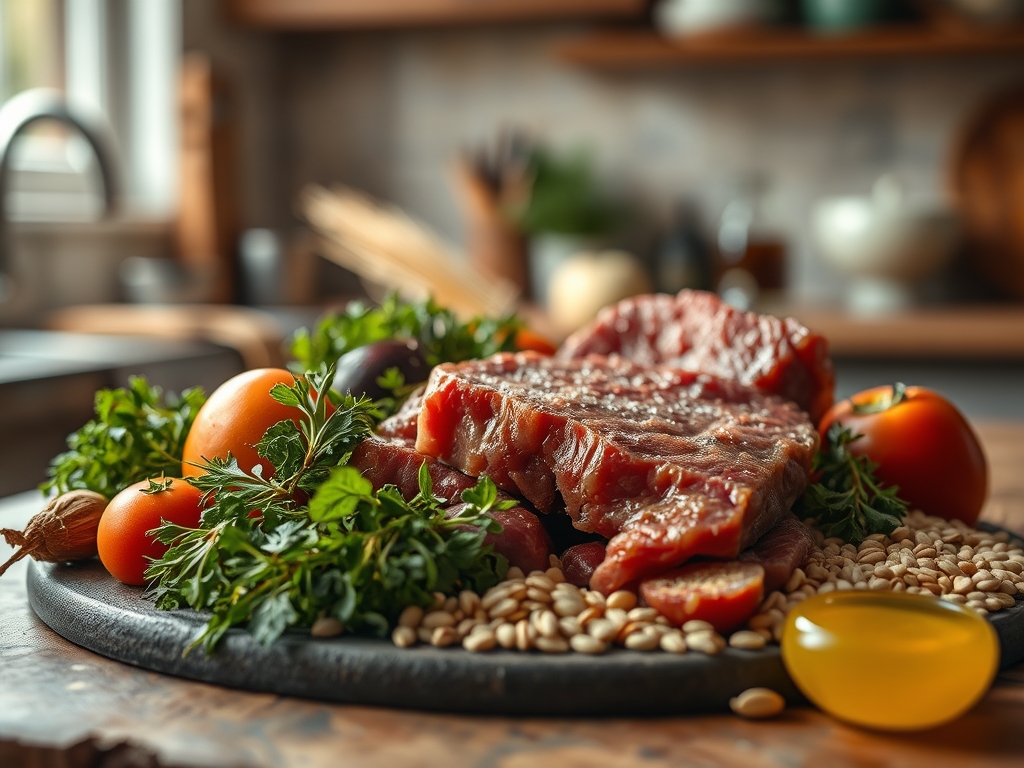
To master these peruvian beef recipes, your mise-en-place must be surgical. We start with the beef: look for lomo (tenderloin) or high-quality sirloin. You want a cut with low connective tissue so it remains tender during high-heat flash-frying. Next, the aromatics. You will need Aji Amarillo paste, which provides a fruity, medium-heat baseline; and Aji Panca, which offers a deep, smoky undertone. These peppers contain capsaicinoids that do more than provide heat; they act as a flavor bridge between the acidic vinegar and the salty soy sauce.
Your vegetable tray should include red onions sliced into thick wedges (to maintain structural integrity), plum tomatoes, and cilantro. For the starch, we use starchy Russet potatoes for fries and long-grain white rice. Smart Substitutions: If you cannot find Aji Amarillo, a blend of habanero and yellow bell pepper provides a similar profile. If you are avoiding soy, liquid aminos offer the same fermented depth. Use a microplane to grate your garlic and ginger into a fine paste; this increases the surface area and ensures the aromatics infuse the oil without burning.
The Clock:
Efficiency in the kitchen is about managing the Chef's Flow. For these peruvian beef recipes, prep time is approximately 30 minutes, while active cook time is a mere 10 to 15 minutes. The secret is the "staggered start." You must peel and soak your potatoes in cold water for 20 minutes to remove excess surface starch; this ensures a crispier exterior when fried. While they soak, slice your beef against the grain.
The actual cooking is a high-velocity event. You will spend 5 minutes rendering fat or heating oil to its smoke point, 3 minutes on the protein sear, and 4 minutes on the vegetable toss and deglazing. Total time from pantry to table is roughly 45 minutes, but the mental preparation happens in the first ten. Always use a digital scale to ensure your meat-to-vegetable ratio is balanced; too many tomatoes will release excess moisture and steam your beef rather than searing it.
The Masterclass:
1. The High-Heat Sear
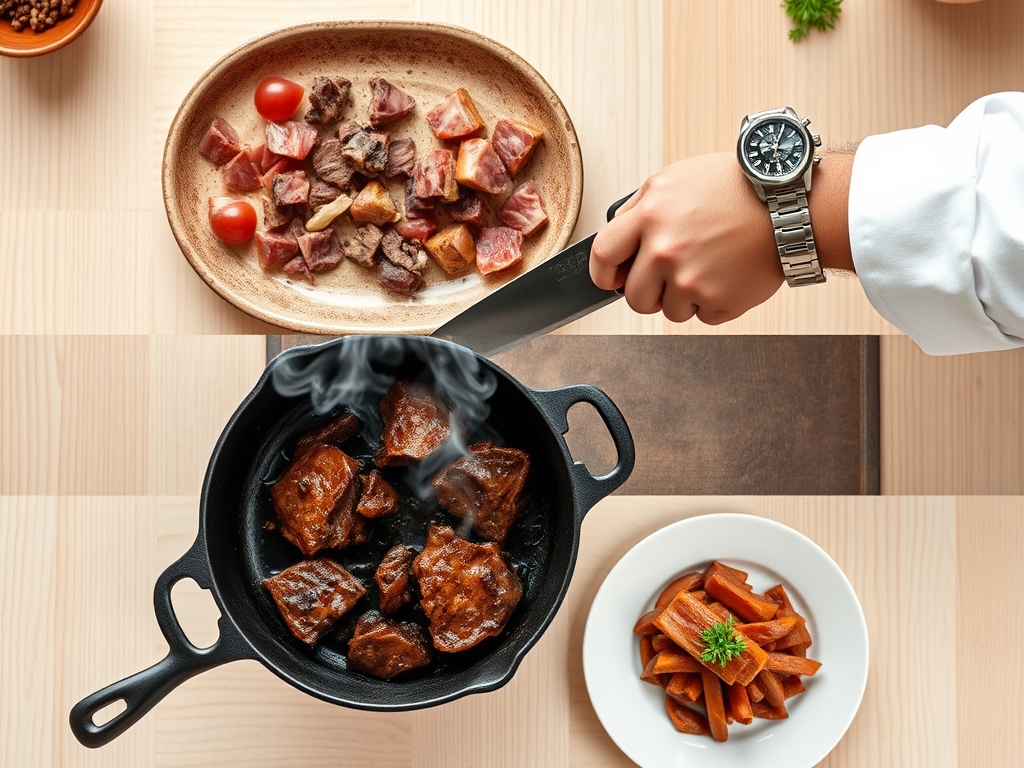
Using a heavy-bottomed skillet or a carbon steel wok, heat high-smoke-point oil until it shimmers. Add the beef in a single layer, ensuring you do not crowd the pan. This allows the moisture to evaporate instantly rather than pooling. Pro Tip: This stage relies on the Maillard reaction; a chemical reaction between amino acids and reducing sugars that creates the brown crust. If the pan temperature drops, the meat will grey and toughen.
2. The Aromatic Infusion
Once the beef is browned, remove it and add your onions. You want them to soften slightly but retain a crisp snap. Toss in your garlic and ginger paste. Pro Tip: This is known as "blooming" the aromatics. The fat-soluble flavor compounds in the garlic and peppers are released into the oil, creating a more viscous and flavorful base for the sauce.
3. The Deglaze and Emulsify
Return the beef to the pan and add the soy sauce and red wine vinegar. Use a wooden spoon or bench scraper to lift the "fond" (the browned bits) from the bottom of the pan. Pro Tip: The acidity in the vinegar acts as a surfactant, helping to emulsify the beef fats and soy sauce into a glossy, cohesive glaze that coats every ingredient.
4. The Tomato Integration
Add the tomato wedges at the very last second. You want them warmed through but not broken down into a mush. Pro Tip: Tomatoes contain pectin, which can thicken the sauce if cooked too long. By adding them late, you preserve their bright acidity and structural contrast against the tender beef.
5. The Starch Marriage
For Lomo Saltado, toss the crispy fries directly into the pan or plate the beef mixture over them. Pro Tip: This creates a dual texture; the fries absorb the savory juices on one side while remaining crunchy on the other. This is a classic example of textural contrast in culinary arts.
6. The Herb Finish
Turn off the heat and fold in fresh cilantro. Pro Tip: Herbs contain volatile oils that dissipate under prolonged heat. Adding them at the end ensures the "bright" notes remain intact to cut through the richness of the rendered beef fat.
The Deep Dive:
When analyzing the macro nutrition of peruvian beef recipes, you are looking at a balanced profile of high protein and complex carbohydrates. A standard serving provides roughly 35 grams of protein and 45 grams of carbohydrates. To make this Keto, simply swap the potatoes and rice for roasted cauliflower or radishes. For a Vegan version, seitan or portobello mushrooms work beautifully as they have a fibrous structure that mimics beef fibers.
The Fix-It: If your sauce is too thin, whisk a teaspoon of cornstarch with cold water and stir it in; the heat will gelatinize the starch and create a thick, restaurant-quality sheen. If the beef is chewy, you likely sliced with the grain; next time, look for the parallel lines of muscle fiber and cut perpendicular to them to shorten the proteins. If the dish is too salty, a squeeze of fresh lime juice provides a citric acid counterpoint that masks the sodium.
Meal Prep: To maintain day-one quality, store the beef and sauce separately from the rice and fries. When reheating, use a saucier over medium heat. Add a splash of water or beef stock to loosen the sauce. Avoid the microwave if possible, as it can cause the beef to undergo thermal carryover, resulting in a rubbery texture.
The Wrap-Up:
Mastering peruvian beef recipes is a gateway to understanding how different cultures influence flavor profiles. By focusing on the science of the sear and the precision of the deglaze, you transform humble ingredients into a vibrant, soulful meal. Grab your tongs, fire up that skillet, and bring the bold, piquant flavors of Peru into your kitchen today. You have the tools, the technique, and the "why" behind every sizzle.
The Kitchen Table:
Why is my Lomo Saltado beef tough?
Tough beef usually results from using the wrong cut or overcrowding the pan. Use sirloin or tenderloin and sear in small batches. This prevents the pan temperature from dropping, ensuring the meat browns quickly without overcooking the interior.
Can I make this dish without a wok?
Yes, a heavy-bottomed cast iron skillet is an excellent substitute. It retains heat exceptionally well, which is vital for achieving the Maillard reaction. Just ensure you move the ingredients frequently with tongs to mimic the tossing motion of a wok.
What makes Peruvian beef recipes unique?
The uniqueness lies in the "Chifa" tradition; the fusion of Peruvian ingredients like Aji Amarillo with Chinese stir-fry techniques. This combination of spicy Andean peppers and savory soy sauce creates a flavor profile found nowhere else in the world.
How do I keep the fries crispy?
The key is to double-fry the potatoes or use an air fryer for maximum crunch. Add them to the beef at the very last moment before serving. This prevents the fries from soaking up too much liquid and becoming soggy.