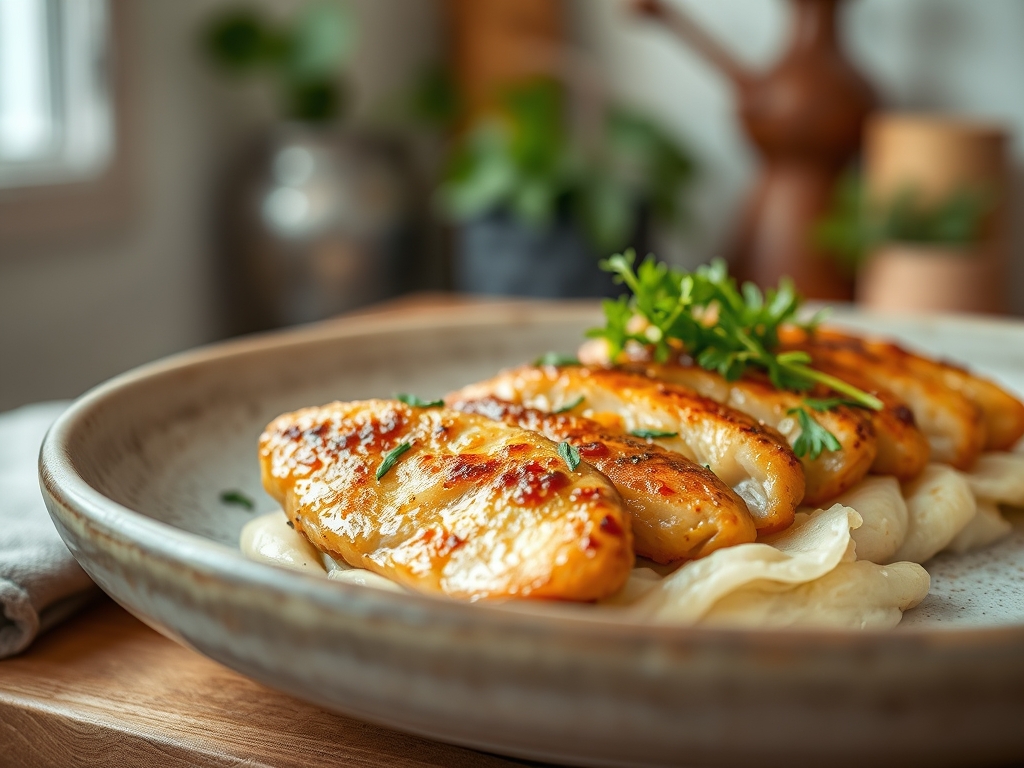
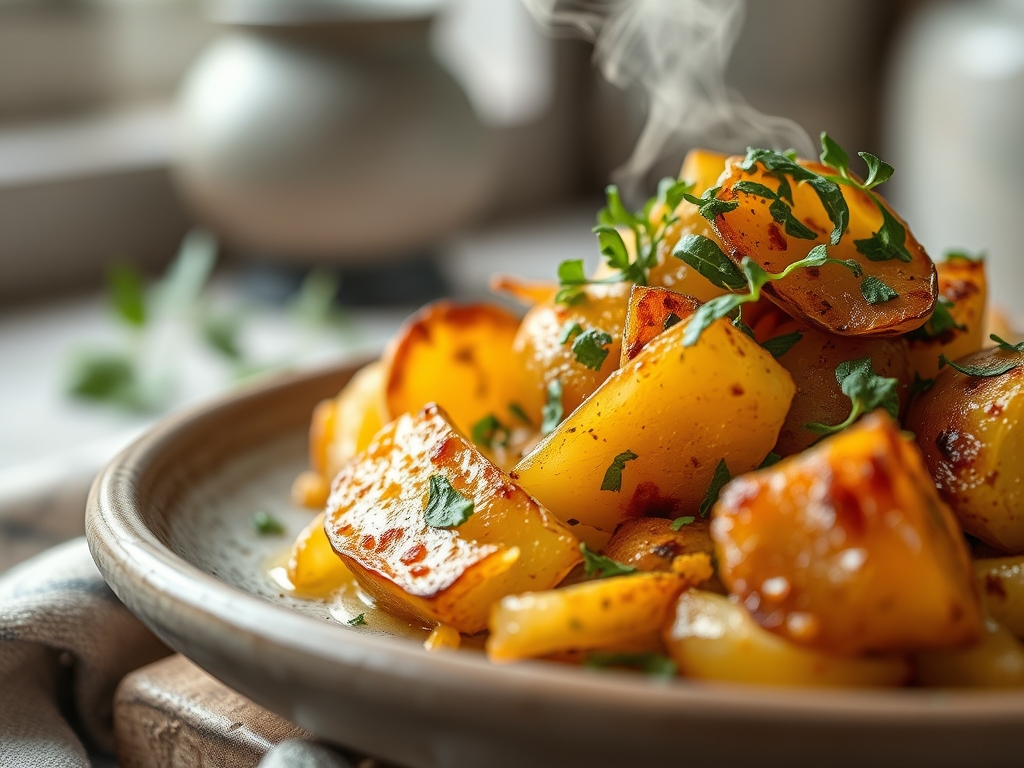
Imagine the sound of a heavy-bottomed skillet meeting the flame. There is a specific, rhythmic sizzle that occurs when a cold tuber hits shimmering oil. It is the sound of comfort. When life feels chaotic, vegan potato recipes easy enough for a Tuesday are the ultimate culinary hug. We are not just boiling spuds; we are manipulating starch molecules to create golden, crispy masterpieces that defy the need for dairy.
The humble potato is a botanical marvel. It is packed with complex carbohydrates and resistant starch that provides sustained energy. In this guide, we are diving into ten transformative hacks that turn a bag of Russets or Yukon Golds into a high-end bistro meal in under thirty minutes. We will explore how to achieve that elusive shatter-crisp exterior and a cloud-like interior using nothing but plant-based science and a bit of kitchen wit. Grab your apron; we are about to elevate your weeknight dinner game from mundane to magnificent.
The Gathers:
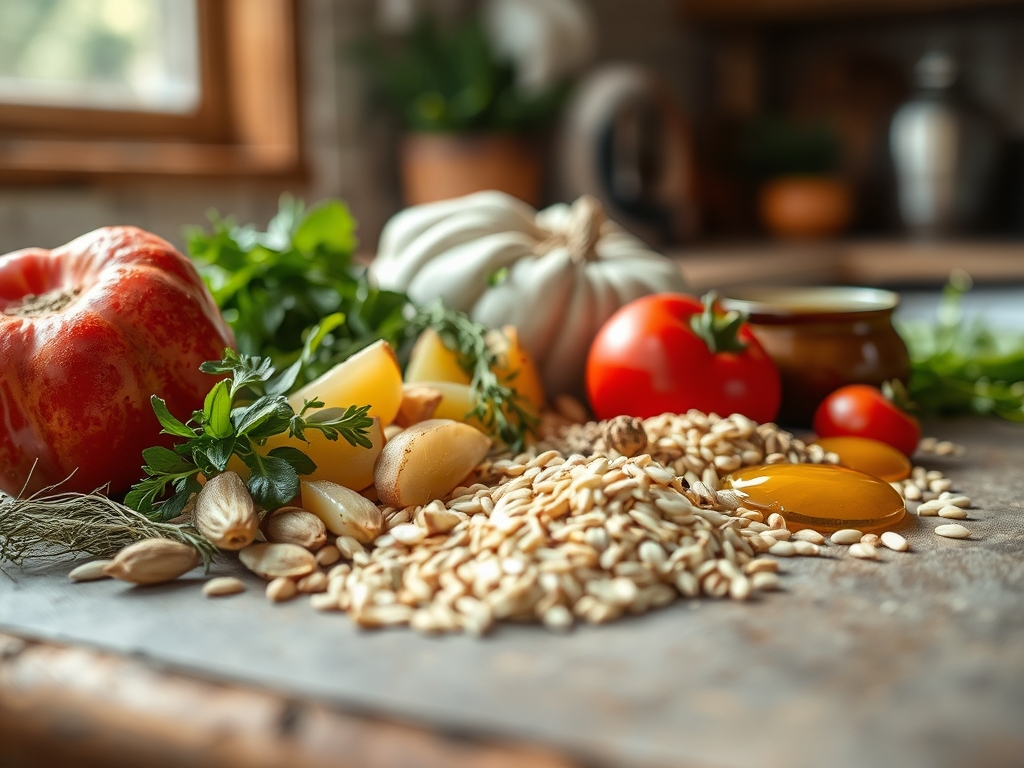
To master these vegan potato recipes easy, your mise-en-place must be precise. Start with high-starch Russets for fluffiness or waxy Red Bliss for structural integrity. You will need a high-quality extra virgin olive oil or refined coconut oil for their varying smoke points. To replace the richness of butter, keep nutritional yeast and silken tofu on hand; these provide the glutamic acid and protein needed for a savory profile.
Smart Substitutions:
Instead of heavy cream, use full-fat oat milk. It contains natural sugars that caramelize beautifully under heat. Replace parmesan with a blend of toasted hemp seeds and sea salt processed in a spice grinder. If a recipe calls for bacon bits, use smoked paprika and tamari-marinated shiitake mushrooms. These swaps ensure your dish remains viscous and piquant without a single animal product in sight.
The Clock:
Efficiency in the kitchen is about understanding the Chef's Flow. This is the art of overlapping tasks to minimize downtime.
- Prep Time: 10 minutes. Use a sharp mandoline or a bench scraper to process your vegetables rapidly.
- Active Cook Time: 20 minutes.
- Total Time: 30 minutes.
The secret to speed is "The Par-Cook." By starting your potatoes in the microwave for five minutes, you soften the internal cellular structure. This allows the high heat of the pan to focus solely on the Maillard reaction on the surface, rather than waiting for the center to cook through. While the potatoes par-cook, use your microplane to zest aromatics or prep your garnishes. This synchronicity is how professional chefs maintain a rapid pace without sacrificing quality.
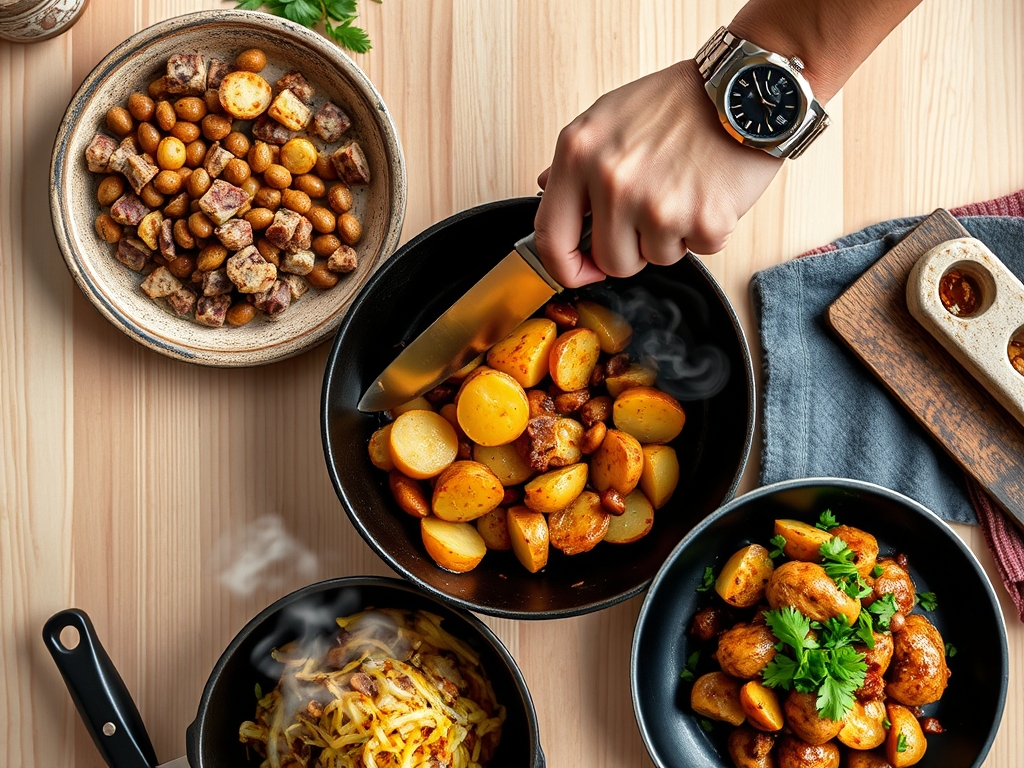
The Masterclass:
1. The Smash and Sear
Place par-boiled baby potatoes on a baking sheet and crush them with the bottom of a heavy glass. Drizzle with oil and roast at 450 degrees Fahrenheit.
Pro Tip: This increases the surface area for the Maillard reaction, the chemical reaction between amino acids and reducing sugars that gives browned food its distinctive flavor.
2. The Micro-Crisp
Thinly slice potatoes using a mandoline, toss with starch, and microwave on parchment paper.
Pro Tip: Microwaving vibrates water molecules rapidly, causing them to evaporate. This dehydrates the potato surface faster than an oven, creating a "flash-fried" texture without the vat of oil.
3. The Silken Mash
Whip boiled Yukon Golds with silken tofu and a splash of pasta water.
Pro Tip: Silken tofu acts as an emulsifier. The proteins in the tofu bind the water and fats together, creating a creamy mouthfeel that mimics traditional dairy-heavy mashes.
4. The Hasselback Shortcut
Place a potato between two wooden spoons and slice downward. The spoons prevent you from cutting all the way through.
Pro Tip: This technique allows heat to penetrate the core via convection while keeping the base intact, ensuring even cooking throughout the dense tuber.
5. The Starch-Water Gravy
Deglaze your skillet with vegetable stock and whisk in a slurry of potato starch and cold water.
Pro Tip: Potato starch granules swell and gelatinize at lower temperatures than wheat flour, allowing you to thicken a sauce instantly without a raw flour taste.
6. The Air-Fryer "Confit"
Toss cubed potatoes in a bowl with plenty of oil and herbs before air-frying at 380 degrees.
Pro Tip: The high-velocity air creates a convection current that mimics deep frying by stripping away the "cold air envelope" around the food, leading to rapid moisture loss and crisping.
7. The Vinegar Soak
Soak raw fries in cold water with a splash of white vinegar for ten minutes before cooking.
Pro Tip: The acid in the vinegar slows the breakdown of pectin. This keeps the potato from falling apart in the pan, resulting in a fry that is firm on the outside and soft inside.
8. The Nutritional Yeast Crust
Dust your roasted potatoes with nutritional yeast during the last five minutes of baking.
Pro Tip: This prevents the yeast from burning. The yeast provides "umami," which is the savory fifth taste triggered by glutamates, making the dish taste "meatier."
9. The Cold-Start Sauté
Place sliced potatoes in a cold pan with oil, then turn on the heat.
Pro Tip: Starting cold allows the fat to penetrate the outer layers slowly as the temperature rises. This prevents the outside from scorching before the inside is tender.
10. The Infused Oil Finish
Whisk minced garlic and herbs into hot oil and pour it over the finished dish.
Pro Tip: Fat is a flavor carrier. The heat of the oil infuses the volatile oils from the herbs into the fat, which then coats the palate, extending the flavor perception.
The Deep Dive:
Potatoes are often misunderstood. A medium potato contains about 160 calories, 4 grams of protein, and a significant dose of Vitamin C and Potassium. When paired with healthy fats, they become a balanced meal.
Dietary Swaps:
- Keto: Substitute potatoes with cauliflower or daikon radish. Use the same seasoning techniques.
- Gluten-Free: Potatoes are naturally GF, but ensure your "tamari" or "liquid aminos" are certified.
The Fix-It:
- Gummy Mash: You over-worked the starch. Fix it by spreading the mash in a pan and baking it into a "casserole" to dry out the excess moisture.
- Soggy Fries: The oil temperature dropped. Fix it by removing the potatoes and letting the oil reach 375 degrees before a second "flash fry."
- Burnt Garlic: You added aromatics too early. Fix it by adding a squeeze of lemon juice to cut the bitterness, or start over with fresh oil.
Meal Prep:
To reheat, avoid the microwave. Use a toaster oven or a dry skillet. This removes the moisture that settled during refrigeration, re-crisping the exterior and maintaining "day-one" quality.
The Wrap-Up:
You are now armed with the molecular knowledge to turn a simple root vegetable into a gourmet experience. Whether you are smashing, searing, or whipping, remember that cooking is just delicious chemistry. These vegan potato recipes easy enough for any night are your ticket to a fast, flavorful, and filling dinner. Go forth and conquer your kitchen; your best friend and your taste buds will thank you.
The Kitchen Table:
How do I make vegan potatoes crispy without oil?
Use an air fryer or high-heat roasting on parchment paper. The key is to par-boil the potatoes first in salted water to release surface starches, which then dehydrate and crisp up under intense convection heat.
Which potato is best for roasting?
Yukon Golds are the gold standard. They possess a medium starch content and a naturally buttery flavor. Their thin skins crisp up beautifully without peeling, while the interior remains creamy and holds its shape during high-heat roasting.
Can I meal prep roasted potatoes?
Yes, but store them in an airtight container once completely cool. To restore their texture, reheat them in an oven or air fryer at 400 degrees for five minutes. This removes residual moisture and reactivates the crisp exterior.
Why are my mashed potatoes gluey?
Gluey potatoes happen when you over-process them, usually in a blender or food processor. This ruptures the starch granules, releasing amylose. Use a hand masher or a ricer to keep the starch molecules intact for a fluffy result.