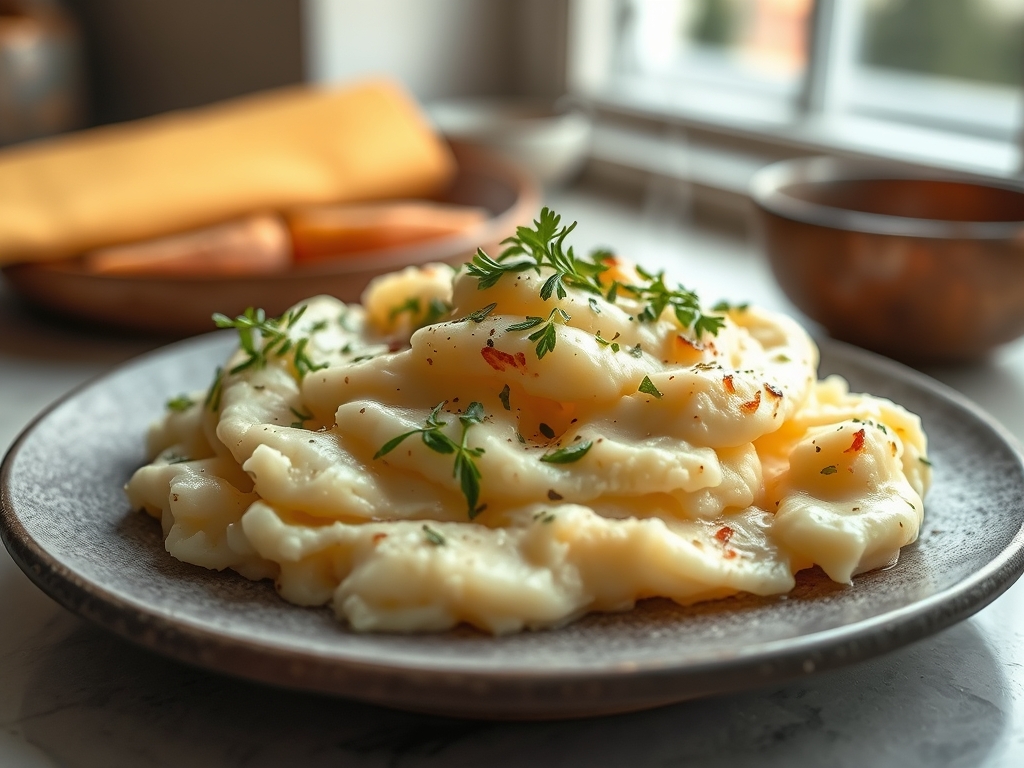
Picture a cloud of steam rising from a heavy-bottomed pot; it carries the scent of cultured butter and the sharp, piquant tang of fresh buttermilk. This is not just a side dish; it is a culinary flex. When you master buttermilk mashed potato recipes, you are essentially learning how to balance acidity against starch to create a texture that is impossibly silky. Most people settle for lumpy, gluey spuds because they treat the potato like a vegetable instead of a delicate starch matrix. We are going to change that today. We are looking for that specific, velvet-like consistency that clings to a spoon but melts the moment it hits your tongue. It requires a bit of science, a lot of butter, and a precise understanding of how lactic acid interacts with potato cells. Grab your apron and your favorite wooden spoon; we are about to turn a humble tuber into a masterpiece of molecular gastronomy.
The Gathers:
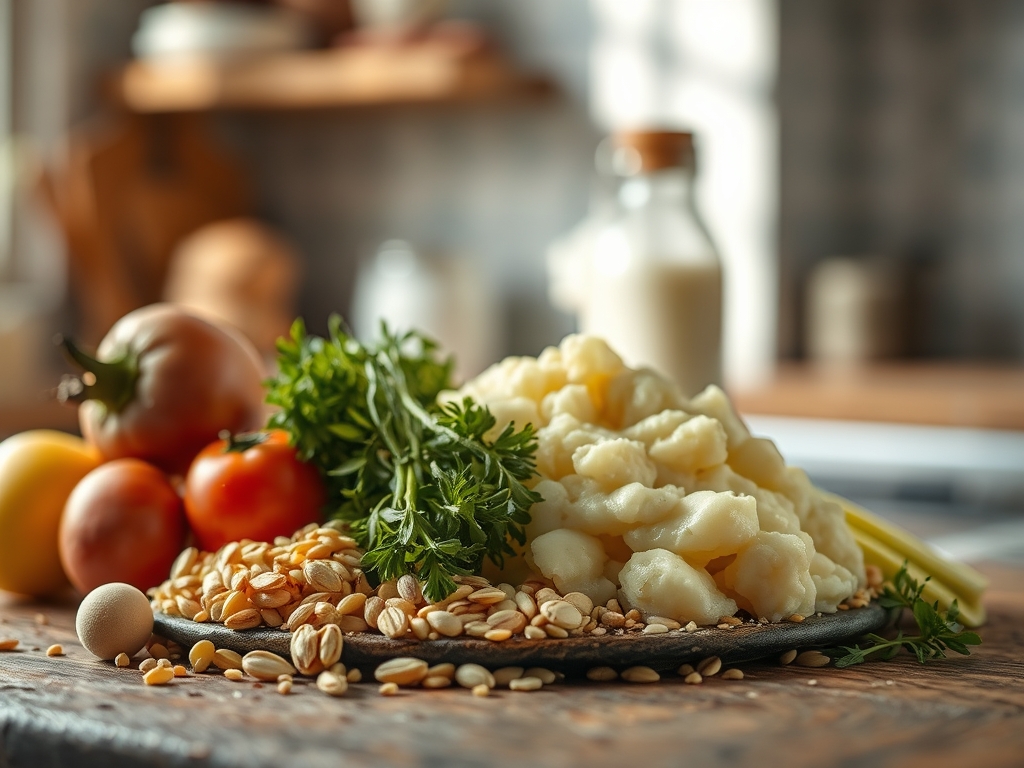
To achieve the ultimate result, your mise-en-place must be impeccable. You will need five pounds of Yukon Gold potatoes. These are superior to Russets for this specific application because their cell structure is more waxy and less prone to shattering into a dry powder. You also need one pint of full-fat buttermilk; look for the "shaking" kind that has visible butter flakes. For the fat, grab two sticks of high-quality European-style butter. This butter has a lower water content and a higher butterfat percentage, which ensures a more viscous mouthfeel.
Your seasoning kit should include fine sea salt, freshly cracked white pepper to maintain a pristine aesthetic, and a bunch of fresh chives. If you want to elevate the flavor profile, keep a head of roasted garlic nearby to infuse into the mash.
Smart Substitutions: If you find yourself without buttermilk, do not panic. You can mimic the enzymatic acidity by whisking one tablespoon of lemon juice or white vinegar into a cup of whole milk and letting it sit for ten minutes. For a dairy-free version, use a full-fat oat milk and a vegan butter substitute that contains lactic acid to replicate that signature piquant bite.
The Clock
Efficiency in the kitchen is about "Chef's Flow." You should expect about 15 minutes of active prep time, which includes scrubbing and peeling. The actual simmer time is roughly 20 to 25 minutes, depending on the size of your dice. The final "whip" and seasoning phase takes another 10 minutes.
The secret to timing is to start your potatoes in cold, salted water. This ensures the exterior does not turn into mush before the interior reaches the necessary gelatinization temperature. While the potatoes simmer, use that time to bring your butter and buttermilk to room temperature. Adding cold liquids to hot starch is the fastest way to create a gummy, unappealing texture.
The Masterclass
1. The Precision Dice
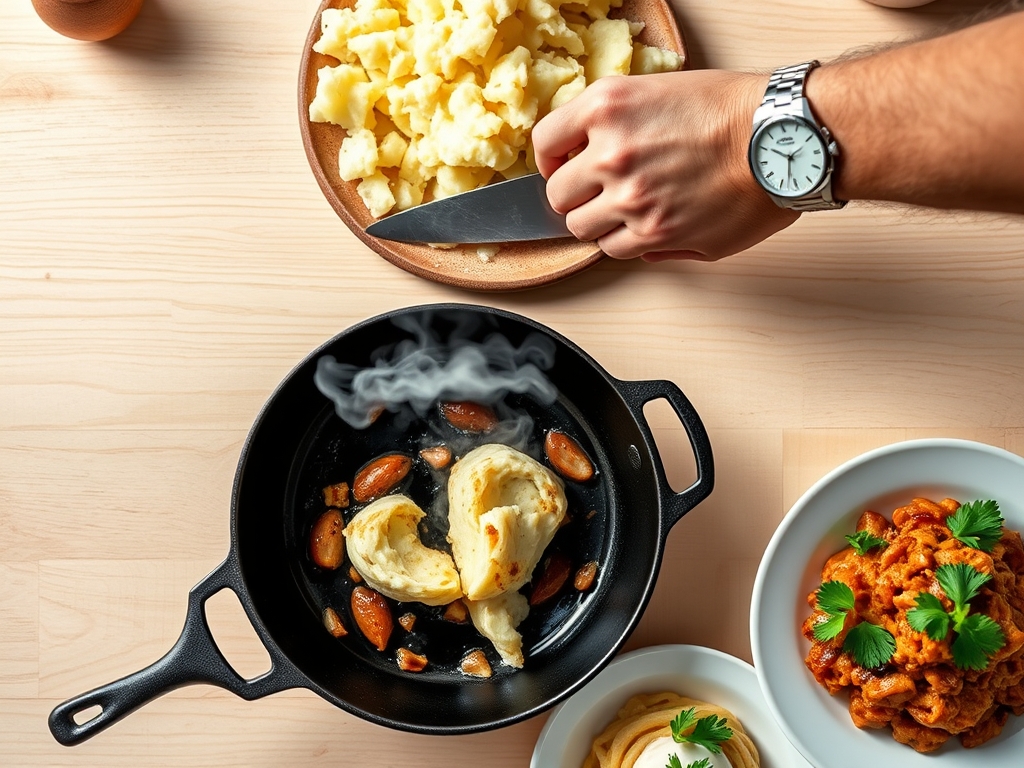
Start by peeling your Yukon Golds and dicing them into uniform one-inch cubes. Uniformity is the soul of consistency. If the pieces are different sizes, some will overcook and release excess starch, while others will remain hard.
Pro Tip: This prevents enzymatic browning. By keeping the cut potatoes submerged in cold water until the moment you turn on the heat, you stop the phenols from reacting with oxygen, ensuring a bright, golden color.
2. The Cold Start Simmer
Place your potatoes in a large pot and cover them with cold water by at least two inches. Add a generous handful of salt. You want the water to taste like the sea. Bring the water to a boil, then immediately reduce to a steady simmer.
Pro Tip: A cold start prevents the thermal shock that causes the outside of the potato to disintegrate. This allows the heat to penetrate the core evenly, preserving the structural integrity of the starch granules.
3. The Steam Dry
Once a fork slides through a cube with zero resistance, drain the potatoes into a colander. Now, return the empty pot to the low flame and toss the potatoes back in for sixty seconds, shaking the pot constantly.
Pro Tip: This is the "Steam Dry" phase. Removing excess moisture allows the potato to become a thirsty sponge. If there is water left in the cells, they cannot absorb the buttermilk and butter, leading to a bland, watery finish.
4. The Ricer Revolution
Do not use a hand mixer or a blender. Use a potato ricer or a food mill. Push the hot potatoes through the small holes of the ricer directly into a warm bowl.
Pro Tip: Mechanical shear is the enemy of silkiness. High-speed blades break the amylopectin bonds, releasing glue-like starch. A ricer gently separates the cells without rupturing them, creating a light, aerated texture.
5. The Butter Infusion
Before adding any liquid, fold in your room-temperature butter. Use a silicone spatula to gently incorporate the fat until it is fully absorbed and the potatoes look glossy.
Pro Tip: This is called "Fat Coating." By coating the starch molecules in fat first, you create a waterproof barrier that prevents the buttermilk from making the potatoes heavy or gummy.
6. The Buttermilk Fold
Slowly pour in your buttermilk in three stages. Use a folding motion rather than stirring. Stop the moment the liquid is incorporated and the potatoes reach a soft-peak consistency.
Pro Tip: Buttermilk contains phospholipids which act as natural emulsifiers. This helps the fat and the potato water bind together into a stable, creamy emulsion that won't separate on the plate.
7. The Final Seasoning
Now is the time for your fine sea salt and white pepper. Use a microplane to zest in a tiny bit of fresh nutmeg if you want a hidden "umami" kick. Fold in the chives at the very last second.
Pro Tip: Adding salt at the end allows you to control the final flavor profile accurately. Because the potatoes were cooked in salt water, the "core" is already seasoned; you are simply adjusting the surface tension of the flavor.
The Deep Dive
Macro Nutrition: A standard serving of these potatoes provides roughly 240 calories, 12 grams of fat, and 30 grams of carbohydrates. The buttermilk adds a boost of calcium and potassium that you won't find in recipes using only heavy cream.
Dietary Swaps: For a Keto-friendly version, swap the potatoes for steamed cauliflower. The science remains the same: you must steam-dry the cauliflower thoroughly to prevent a "soupy" mess. For a Vegan version, use a high-fat coconut milk (the kind in the can) combined with a teaspoon of apple cider vinegar to mimic the buttermilk tang.
The Fix-It:
- The Glue Fix: If you over-processed the potatoes and they are gummy, spread them in a baking dish, top with cheese, and bake. You cannot "un-glue" them, but you can turn them into a delicious gratin.
- The Cold Fix: If the potatoes cooled down too much during mashing, use a double boiler to gently reheat them. Never put them directly over high heat or the bottom will scorch.
- The Salt Fix: If you over-salted, fold in a dollop of unsweetened Greek yogurt. The extra acidity and fat will mask the sodium levels.
Meal Prep: To reheat these and maintain "day-one" quality, add a splash of fresh buttermilk and a pat of butter before microwaving at 50 percent power. The lower power setting prevents the fat from rendering out and becoming oily.
The Wrap-Up
Mastering buttermilk mashed potato recipes is a rite of passage for any serious home cook. It is the perfect marriage of chemistry and comfort. By respecting the starch, managing your temperatures, and using the right tools like a ricer and a heavy-bottomed pot, you elevate a simple side dish into the star of the show. Remember, cooking is about intuition, but great cooking is about understanding the "why" behind the "how." Now go forth, grab those Yukon Golds, and make some magic happen.
The Kitchen Table
Can I use a stand mixer for these potatoes?
You can, but use the paddle attachment on the lowest speed. Be extremely careful; even thirty seconds too long will turn your silky mash into a bowl of wallpaper paste. A ricer is always the safer, superior choice for texture.
Why does my buttermilk separate when I add it?
This usually happens because the potatoes are boiling hot and the buttermilk is ice cold. The temperature delta causes the proteins in the buttermilk to curdle. Always ensure your dairy is at room temperature before it touches the potatoes.
How long do these stay fresh in the fridge?
You can store these in an airtight container for up to three to four days. The flavors actually deepen overnight. Just remember to reheat them gently with a splash of liquid to restore that signature creamy emulsion.
Can I freeze buttermilk mashed potatoes?
Yes, thanks to the high fat content from the butter and buttermilk. Freeze them in individual portions in freezer bags. When you are ready to eat, thaw them in the fridge and reheat slowly on the stovetop.