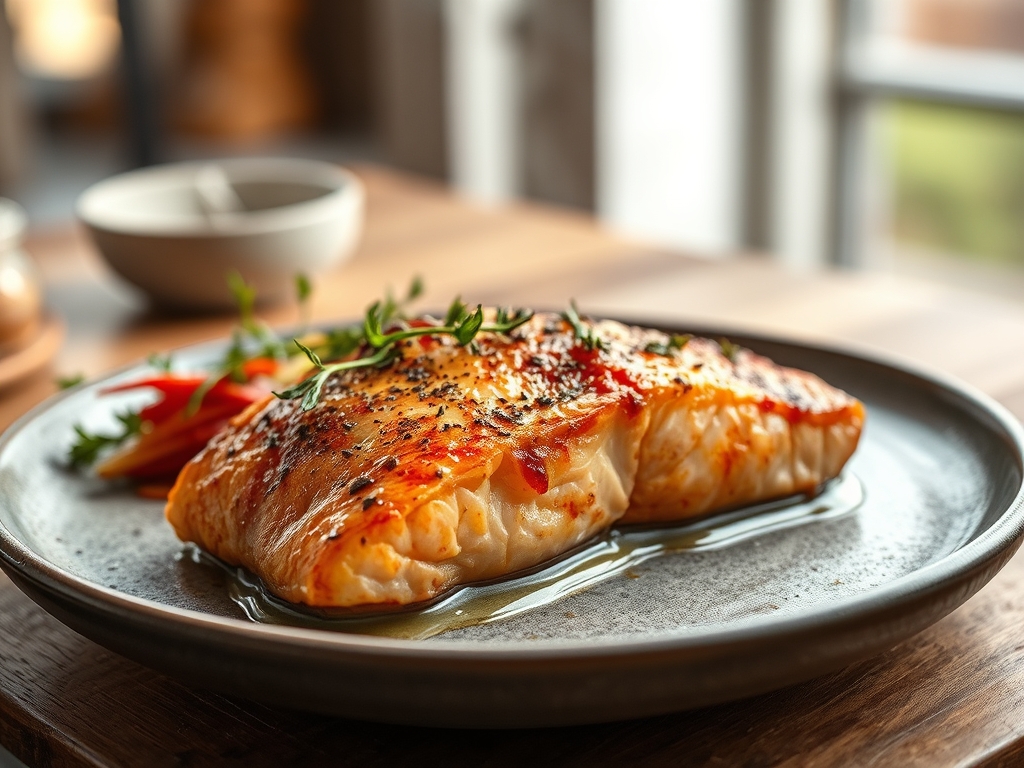
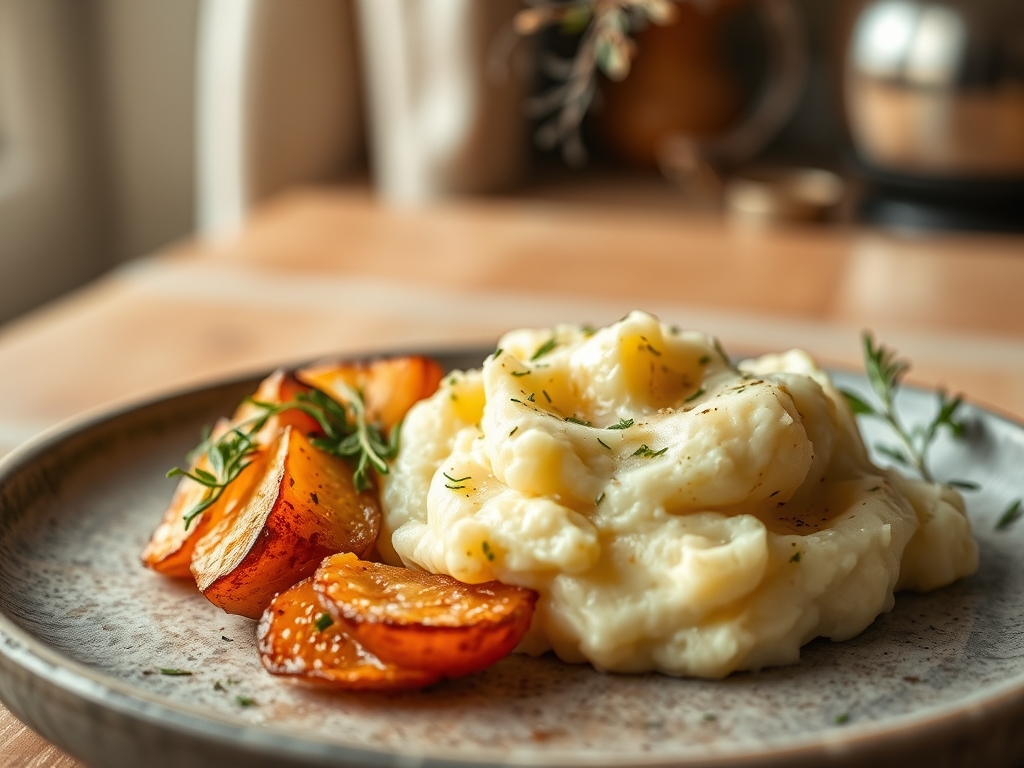
Imagine the scent of slow-roasted garlic and nutty, toasted butter wafting through your kitchen while your stovetop remains blissfully cold. Most people think of their air fryer as a tool for crispy wings or frozen fries; however, the real magic happens when you use it to transform humble tubers into velvet. Exploring air fryer mashed potato recipes reveals a world where moisture control and concentrated heat create a depth of flavor that boiling simply washes away. We are moving beyond the watery, bland mash of the past. By roasting potatoes in their jackets within a high-velocity convection environment, we are essentially dehydrating the exterior while steaming the interior in its own natural juices. This process concentrates the starches and sugars, leading to a more robust potato flavor that stands up beautifully to heavy cream and cultured butter. It is time to ditch the giant pot of boiling water and embrace the precision of air circulation. We are going for a texture so smooth it defies physics; a cloud-like consistency achieved through thermal control and a bit of molecular chemistry.
The Gathers:
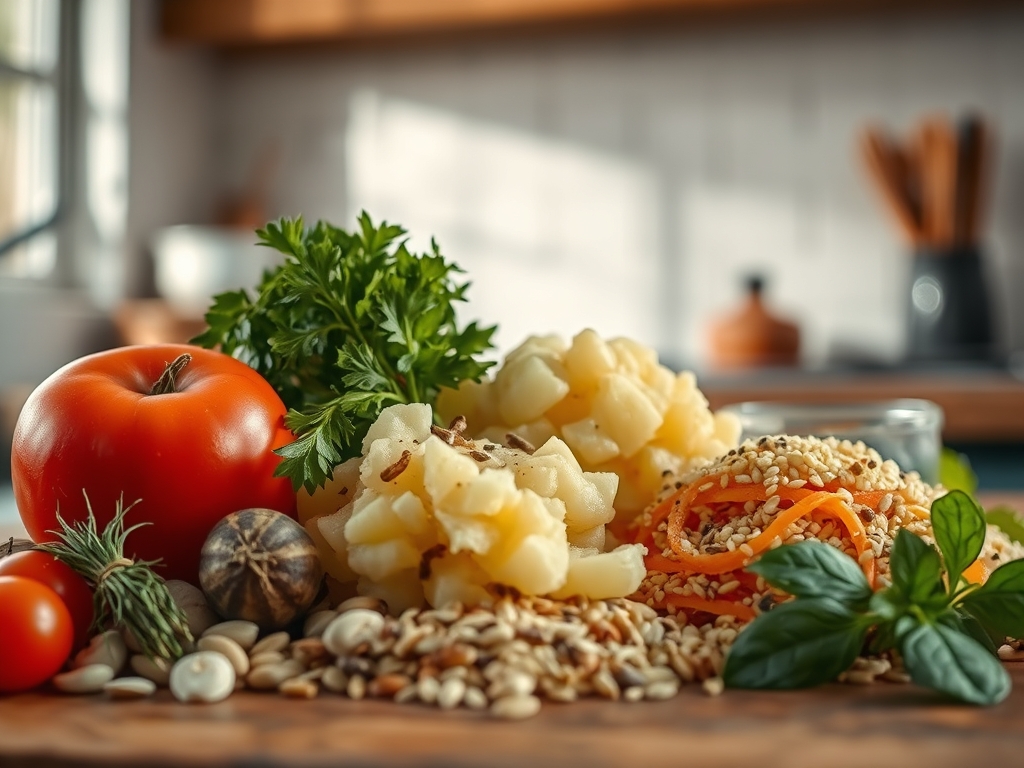
To achieve the ultimate mash, your mise-en-place must be precise. Start with high-starch Russet potatoes or buttery Yukon Golds. Russets provide a fluffy, mealy texture that absorbs fats easily, while Yukons offer a naturally viscous and rich mouthfeel. You will need a digital scale to ensure your ratios are exact; aim for 2 pounds of potatoes. For the fats, source high-quality European-style butter with at least 82 percent butterfat. This higher fat content ensures a more stable emulsion when folded into the warm starch. You will also need heavy cream, whole milk, and a head of garlic to roast alongside the tubers.
Smart Substitutions: If you are looking for a lighter profile, swap the heavy cream for full-fat Greek yogurt or creme fraiche to add a piquant tang. For a vegan alternative, use a high-quality cashew cream or a neutral-flavored avocado oil. Instead of standard table salt, use Maldon sea salt or kosher salt to control the salinity without the metallic aftertaste of iodine. A sprig of rosemary or thyme placed in the air fryer basket will infuse the air and the potato skins with essential oils during the roasting process.
The Clock
Efficiency in the kitchen relies on what I call the Chef's Flow. Total preparation takes approximately 10 minutes, while the active roasting time in the air fryer is 40 to 50 minutes depending on the size of your tubers. Unlike boiling, which requires constant monitoring to avoid waterlogging, the air fryer is a "set it and forget it" environment.
While the potatoes roast, you have a 30-minute window to prepare your aromatics. This is when you use a saucier to gently warm your cream and butter. Never add cold dairy to hot potatoes; it shocks the starch and leads to a gummy texture. By the time the potatoes reach an internal temperature of 210 degrees Fahrenheit, your dairy should be infused and steaming. The final assembly and whipping take a mere 5 minutes.
The Masterclass
1. The High-Heat Roast
Scrub your potatoes and prick them with a fork to allow steam to escape. Place them in the air fryer basket at 400 degrees Fahrenheit. Do not crowd the basket; air must circulate around each tuber to ensure even cooking.
Pro Tip: This method utilizes thermal carryover. By roasting at high heat, you are triggering the Maillard reaction on the skin, which imparts a subtle smoky flavor to the flesh inside even if you peel them later.
2. The Garlic Infusion
Halfway through the roasting time, toss in a head of garlic with the top sliced off, drizzled with olive oil. Use tongs to nestle it between the potatoes.
Pro Tip: Roasting garlic at the same temperature as the potatoes ensures the cloves render into a soft, spreadable paste. This avoids the harshness of raw garlic and introduces a caramelized sweetness.
3. The Clean Peel
Once the potatoes are fork-tender, remove them and let them rest for three minutes. Use a clean kitchen towel to hold the hot potato and a bench scraper or paring knife to gently pull the skin away.
Pro Tip: Peeling while hot is essential because it prevents the starch from setting into a solid mass. This preserves the intercellular bonds, making it easier to break the potato down into a fine powder.
4. The Milling Process
Pass the hot potato flesh through a potato ricer or a food mill into a warm bowl. Avoid using a blender or food processor at all costs.
Pro Tip: Mechanical shearing from blades ruptures the amylose molecules in the starch, turning your mash into a gluey, elastic mess. A ricer gently separates the granules without damaging the starch structure.
5. The Butter Barrier
Fold in your cubed, cold butter first, before adding any liquid. Use a silicone spatula to incorporate the fat until it disappears into the starch.
Pro Tip: This creates a fat coating around the starch granules. This "fat-first" method inhibits the starch from bonding with the water in the cream, which is the secret to a velvety, non-sticky finish.
6. The Dairy Temper
Slowly pour in your warm cream and milk mixture. Use a microplane to grate a hint of fresh nutmeg into the bowl for a professional flavor profile.
Pro Tip: Adding warm liquid maintains the kinetic energy of the molecules. Cold liquid would cause the fats to solidify prematurely, resulting in a lumpy, uneven texture.
7. The Aeration Fold
Once the liquid is incorporated, use a balloon whisk to briefly aerate the mixture. Do this with a lifting motion rather than a stirring motion.
Pro Tip: This introduces tiny air pockets into the mash. These pockets reflect light and give the potatoes that signature "bright" white look while making the mouthfeel significantly lighter.
8. The Final Seasoning
Taste and adjust with salt and white pepper. White pepper is preferred here to maintain the pristine aesthetic of the dish without black specks.
Pro Tip: Salt should be added at the very end. Adding it too early can draw out moisture and affect the viscosity of the final product.
The Deep Dive
From a nutritional standpoint, a serving of these potatoes provides a significant amount of Vitamin C and Potassium. While the butter and cream add caloric density, the satiety factor is incredibly high. For a Vegan swap, use coconut milk and a high-quality vegan butter. For those on a Keto journey, you can apply these exact air fryer techniques to cauliflower florets, though the roasting time will be halved.
The Fix-It: If your potatoes are too thin, do not add more starch. Instead, place them in a heavy-bottomed skillet over low heat and stir constantly to evaporate excess moisture. If they are gummy, you likely over-mixed; try folding in a bit more melted butter to coat the damaged starch. If they are lumpy, pass the entire mixture through a fine-mesh sieve.
Meal Prep: To reheat and maintain "day-one" quality, do not use the microwave. Place the potatoes in a small pot with a splash of milk and cover with a lid. Heat on low, stirring occasionally to re-emulsify the fats. This prevents the oils from separating and keeps the texture silky.
The Wrap-Up
Mastering air fryer mashed potato recipes is about understanding the relationship between heat, starch, and fat. By utilizing the convection power of your air fryer, you are removing the variable of excess water and focusing entirely on the pure essence of the potato. Whether you are hosting a holiday dinner or just treating yourself on a Tuesday, these eight secrets will ensure your mash is the star of the plate. Remember; keep your dairy warm, your butter cold, and your ricer ready.
The Kitchen Table
Can I make these ahead of time?
Yes. Store them in an airtight container for up to three days. Reheat on the stovetop with a splash of cream to restore the emulsion and silky texture. Avoid the microwave to prevent the starch from becoming rubbery.
Why use an air fryer instead of boiling?
Boiling allows water to enter the potato, diluting the flavor and altering the starch. Air frying uses dry heat to concentrate flavors and ensures the potato remains dry, allowing it to absorb more butter and cream later.
What is the best potato for the air fryer?
Yukon Gold potatoes are the gold standard for air fryer mashed potato recipes. They have a naturally creamy texture and a medium starch content that creates a rich, buttery finish without becoming grainy or gluey.
How do I prevent gummy mashed potatoes?
Gummy potatoes are caused by over-working the starch. Use a potato ricer instead of a mixer or food processor. Always incorporate your fats before your liquids to coat the starch granules and prevent them from bonding too tightly.