Imagine a kitchen filled with the scent of fresh lemon zest and aromatic dill. You are standing over a pot of shimmering, fragrant liquid, ready to transform a simple fillet into a masterpiece of texture. Most people overlook boiled salmon recipes because they fear the dreaded "gray slab" of overcooked fish. However, when you master the art of the gentle simmer, you unlock a version of seafood that is buttery, light, and impossibly succulent. This is not just about cooking; it is about precision temperature control and the delicate dance of aromatics. We are moving away from the aggressive sear of a heavy-bottomed skillet and leaning into the elegant, moisture-locking power of a controlled poach. By the time we are finished, you will understand how to manipulate water molecules to create a protein that practically melts on the tongue. This method is the ultimate secret weapon for anyone craving a high-protein, low-fat meal that feels like a spa day on a plate. Let us dive into the chemistry of the perfect simmer.
The Gathers:
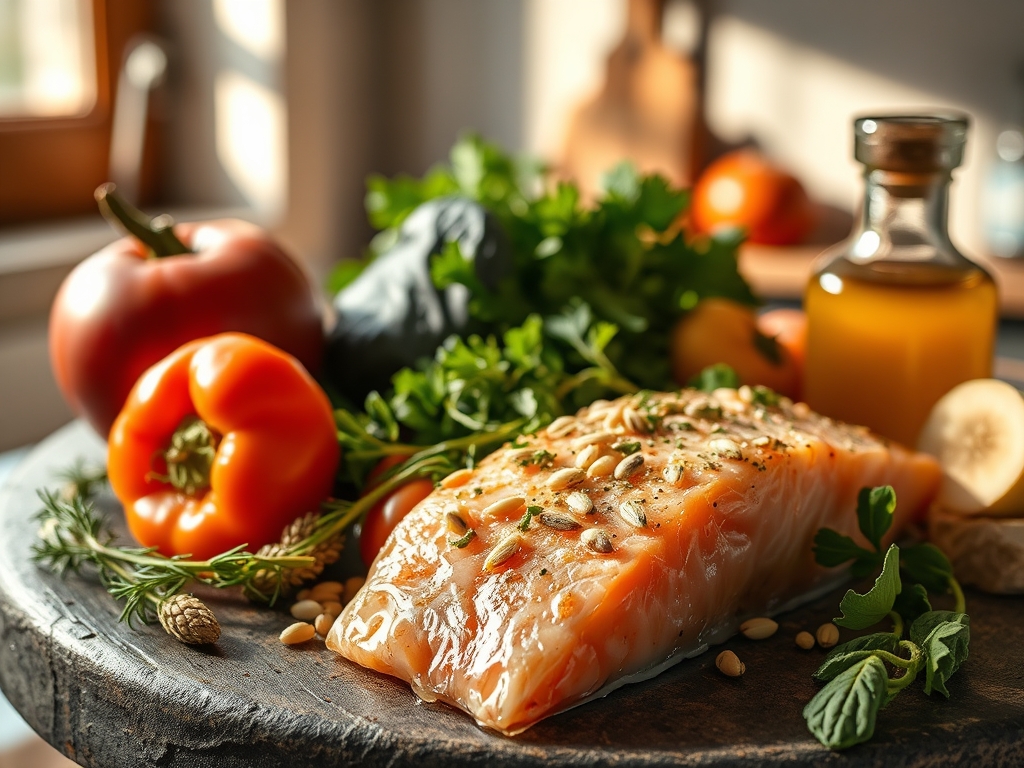
Setting your stage, or mise-en-place, is the difference between a frantic kitchen and a culinary sanctuary. For these boiled salmon recipes, you need high-quality ingredients that provide a viscous and flavorful poaching medium. Start with 1.5 pounds of center-cut Atlantic or King salmon. You will need a saucier or a wide, shallow pan to ensure the fish is not crowded, which allows for even heat distribution.
Your aromatics are the soul of the dish. Gather fresh sprigs of dill, flat-leaf parsley, and two thin slices of organic lemon. To build a complex flavor profile, include a tablespoon of black peppercorns and two bay leaves. For the liquid, use a combination of filtered water and a splash of dry white wine, such as Sauvignon Blanc, to provide a piquant acidity that cuts through the fatty acids of the fish.
Smart Substitutions: If you are avoiding alcohol, replace the wine with a tablespoon of rice vinegar or verjuice. For a deeper umami profile, swap the water for a light dashi or vegetable bouillon. If you do not have a microplane for zesting your garnish, a sharp paring knife can remove the yellow pith-free skin, but be careful to avoid the bitter white layer beneath.
The Clock: Chef's Flow
Efficiency in the kitchen is about managing the "Chef's Flow." The total active prep time for this recipe is approximately 10 minutes, while the cooking time ranges from 6 to 10 minutes depending on the thickness of your fillets.
- Prep Phase (0-10 min): Use a digital scale to portion your salmon into 6-ounce fillets. This ensures they cook at the same rate. Slice your aromatics and prepare the poaching liquid.
- Infusion Phase (10-15 min): Bring your liquid and aromatics to a boil, then immediately drop to a "shuddering" simmer. This allows the essential oils in the herbs to infuse the water before the fish enters.
- The Poach (15-25 min): Submerge the fish. Use tongs to gently place the fillets so you do not splash hot liquid.
- The Rest (25-30 min): Vital for moisture retention.
The Masterclass:
1. Tempering the Protein
Before the fish ever touches the water, take it out of the refrigerator for 15 minutes. Cold fish hitting hot liquid causes the muscle fibers to contract violently, squeezing out moisture and resulting in a tough texture. Use a bench scraper to move your portioned fillets from the cutting board to a room-temperature plate.
Pro Tip: This process reduces the "thermal shock" to the fish. By narrowing the gap between the starting temperature and the cooking temperature, you ensure the exterior does not overcook before the center reaches the target internal heat.
2. Crafting the Court Bouillon
Fill your saucier with enough liquid to submerge the fish by at least one inch. Add your peppercorns, lemon, and herbs. Bring the mixture to a boil to extract the flavors, then reduce the heat until only a few bubbles break the surface. The liquid should be approximately 170 to 180 degrees Fahrenheit.
Pro Tip: Maintaining a sub-boiling temperature prevents protein coagulation from happening too quickly. If the water is boiling aggressively, the salmon will release albumin, that white cloudy protein, which ruins the aesthetic and indicates the fibers are being squeezed too hard.
3. The Gentle Submersion
Lower the fillets into the liquid skin-side down. If you are using skinless fillets, that is fine too. Ensure they are not overlapping. The liquid should barely move. This is "poaching," which is the sophisticated cousin of boiling.
Pro Tip: Use the science of convection to your advantage. By keeping the lid slightly ajar, you allow a small amount of steam to escape, which helps regulate the temperature of the poaching liquid and prevents it from spiking and overcooking the delicate fats.
4. Testing for Doneness
Use a digital thermometer to check the thickest part of the fillet. You are looking for 130 degrees Fahrenheit for a medium-rare finish or 135 degrees for medium. The fish should be opaque on the outside but still slightly translucent in the very center.
Pro Tip: Remember thermal carryover. Once you remove the salmon from the liquid, the internal temperature will continue to rise by 3 to 5 degrees. Pulling the fish early ensures it reaches perfection on the plate rather than in the pot.
5. The Rest and Garnish
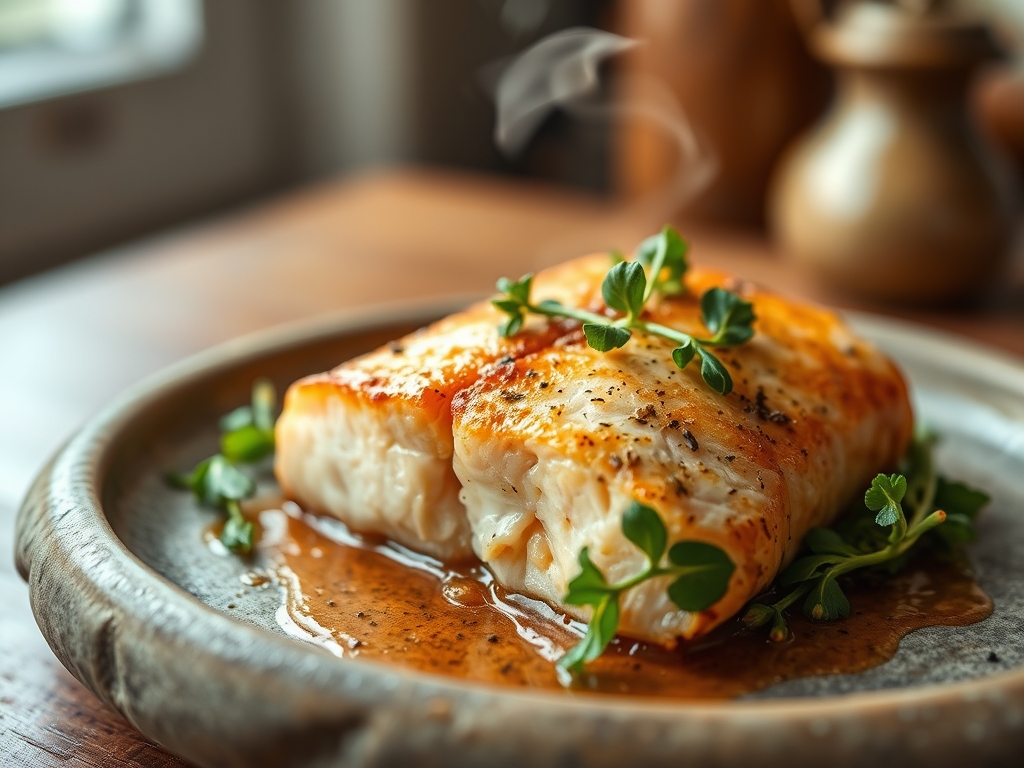
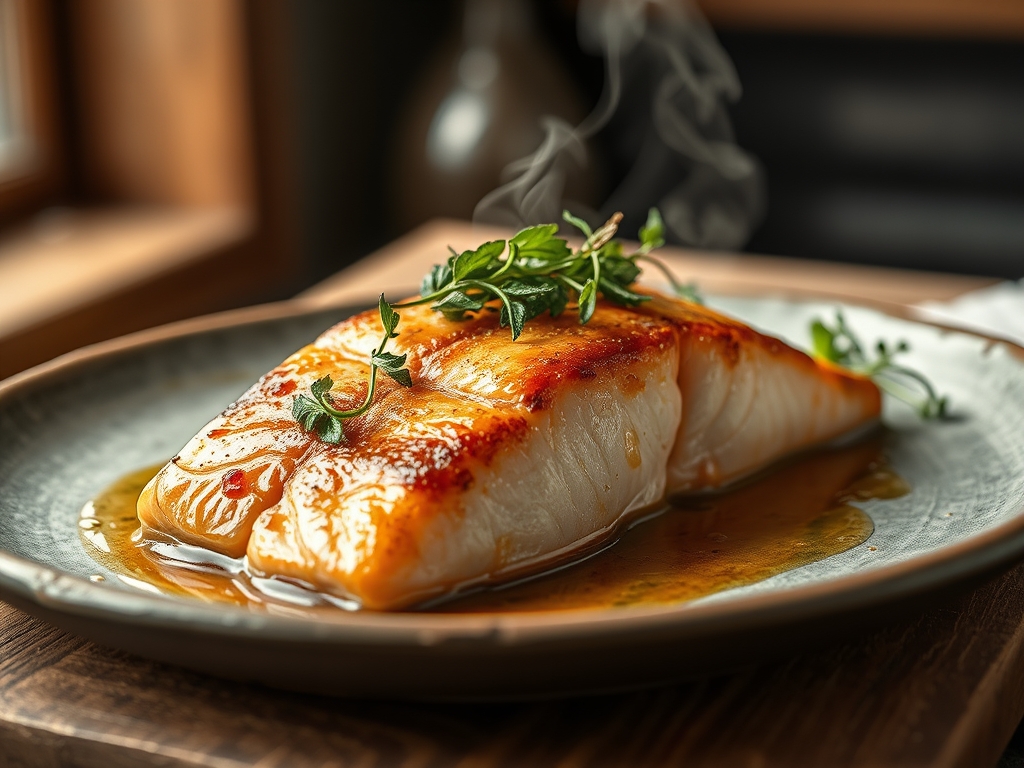
Lift the salmon out using a slotted spatula to drain excess liquid. Place it on a warm plate and tent it loosely with foil for three minutes. This allows the juices to redistribute through the muscle fibers. Finish with a shower of fresh herbs and a whisper of sea salt.
Pro Tip: Resting the fish allows the viscous fats to settle. If you cut into the salmon immediately, the moisture will leak out onto the plate, leaving the actual bite of fish dry and lackluster.
The Deep Dive:
Macro Nutrition: Boiled salmon is a nutritional powerhouse. A 6-ounce serving typically contains about 350 calories, 34 grams of high-quality protein, and 22 grams of healthy fats, including Omega-3 fatty acids. Because we are poaching in water and wine rather than frying in oil, the calorie count remains low while the nutrient density stays high.
Dietary Swaps:
- Keto: This recipe is naturally keto-friendly. Serve with a side of butter-poached asparagus.
- Vegan: While you cannot "boil" a salmon if you are vegan, you can apply this exact poaching technique to thick slabs of "King Oyster" mushrooms or firm tofu for a similar texture.
- GF: This recipe is naturally gluten-free. Just ensure your bouillon or stock base is certified.
The Fix-It:
- Fish is Falling Apart: You likely let the water reach a rolling boil. Next time, use a thermometer to keep the water under 180 degrees.
- Fish is Bland: You did not season the poaching liquid heavily enough. The liquid should taste like a salty sea to properly season the interior of the protein.
- White Film on Top: This is albumin. It is harmless but ugly. You can minimize it by brining the salmon in a salt-water solution for 10 minutes before cooking.
Meal Prep & Reheating: To maintain "day-one" quality, do not use a microwave. Microwaves vibrate water molecules too fast, which toughens the fish. Instead, place the cold salmon in a shallow dish with a tablespoon of water, cover with a lid, and warm in a 275-degree oven for 8 minutes. This gently re-hydrates the protein.
The Wrap-Up:
Mastering boiled salmon recipes is a rite of passage for the health-conscious gourmet. It is a technique that rewards patience and precision over brute force. By understanding the chemistry of heat transfer and the importance of aromatics, you can turn a basic fillet into a restaurant-quality meal in under twenty minutes. Whether you are meal prepping for a busy week or hosting a sophisticated dinner, this method ensures your salmon is always the star of the show. Grab your saucier, find the freshest catch, and start simmering your way to culinary excellence.
The Kitchen Table:
How do I prevent the white stuff on salmon?
Brine your salmon in a simple salt and water solution for ten minutes before poaching. This breaks down the surface proteins, preventing the white albumin from squeezing out during the cooking process.
Can I use frozen salmon for this?
Yes, but you must thaw it completely in the refrigerator first. Cooking frozen salmon directly in poaching liquid leads to uneven textures, where the outside is mushy and the inside remains cold or raw.
What is the best liquid for boiling salmon?
A classic court bouillon is best. Combine water, dry white wine, lemon slices, peppercorns, and fresh herbs. This creates a fragrant environment that seasons the fish from the inside out as it cooks.
How long does boiled salmon last in the fridge?
When stored in an airtight container, boiled salmon stays fresh for up to three days. For the best texture, enjoy it cold on a salad or gently reheat it using the oven method.