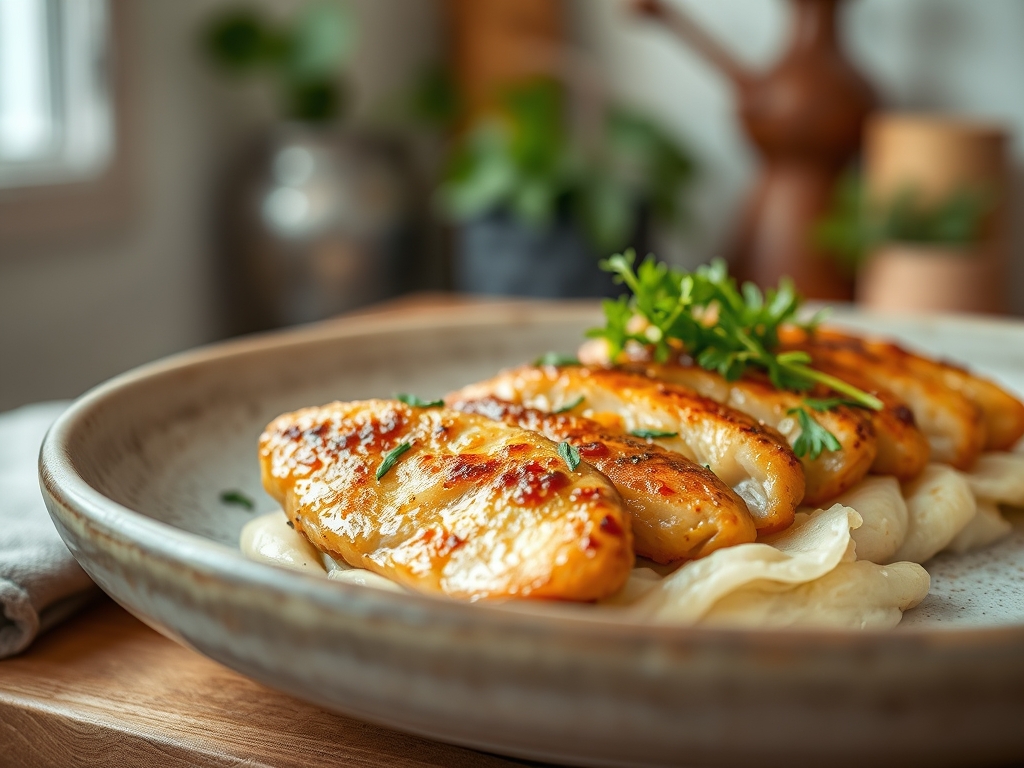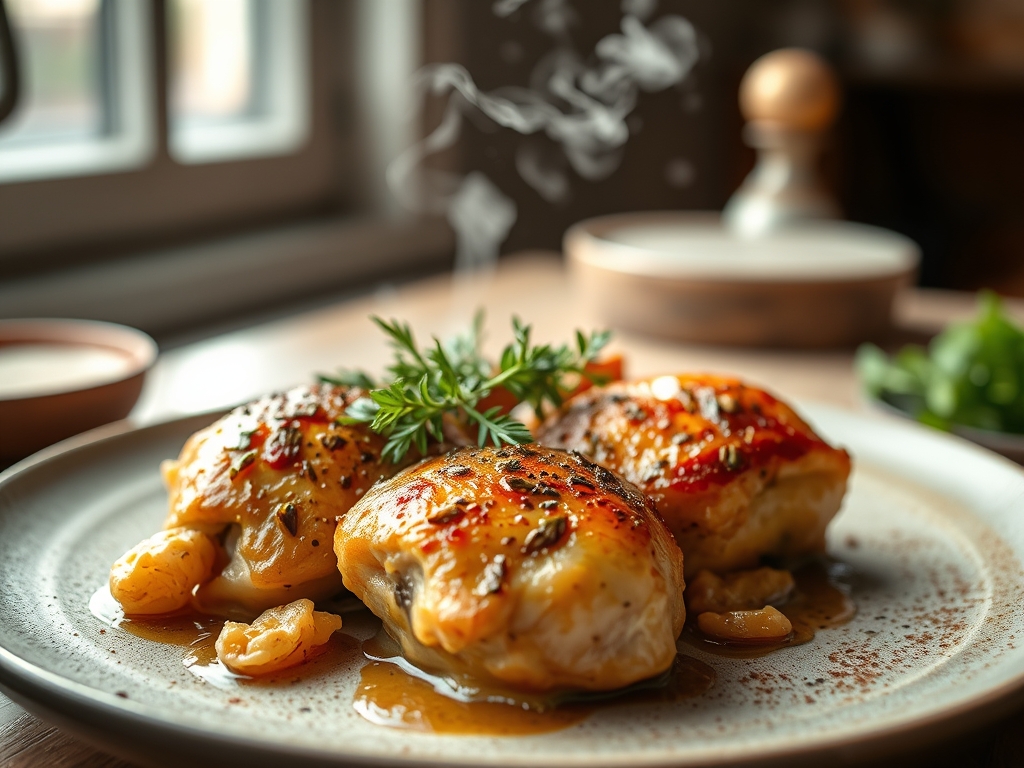
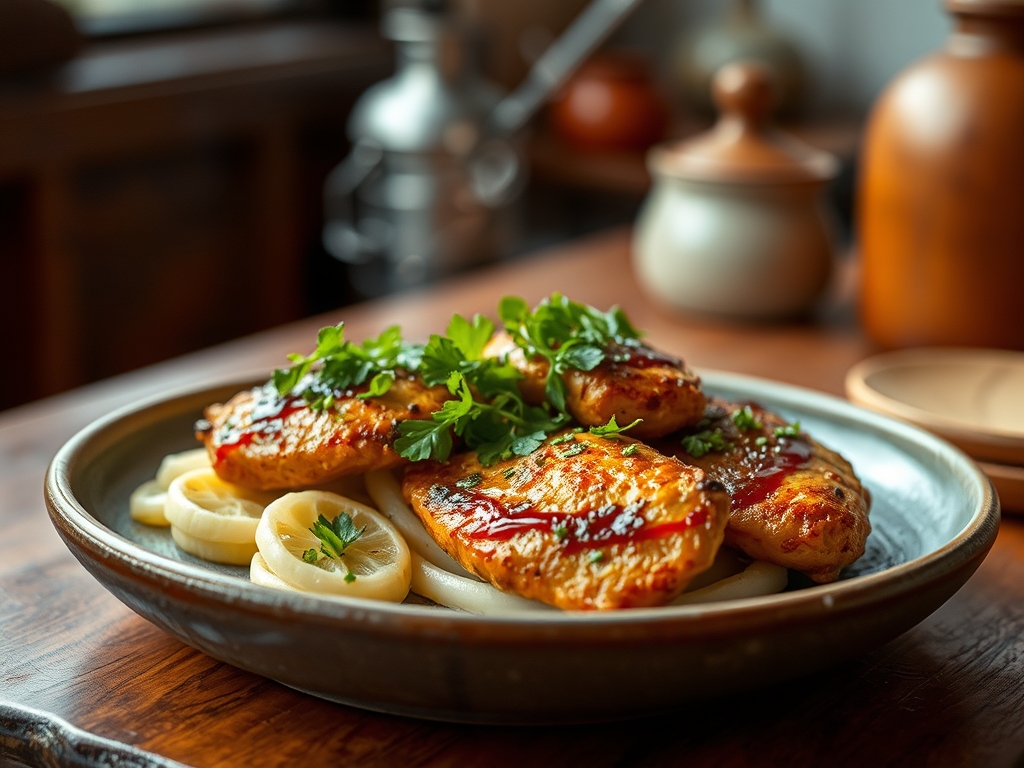
Picture this: a heavy bottomed skillet sizzling on the stove while a dark, viscous liquid transforms into a shimmering, mahogany glaze. You might think a soda-based glaze is a dietary disaster, but the secret to these coke chicken recipes lies in the chemistry of reduction and acidity. By using sugar free alternatives and lean proteins, we turn a nostalgic comfort food into a high protein powerhouse. We are not just cooking; we are manipulating the Maillard reaction to achieve that deep, piquant flavor profile without the caloric baggage of traditional frying. This is the ultimate kitchen hack for anyone who wants their meal prep to taste like a cheat day while staying firmly on track with their fitness goals.
The magic happens when the phosphoric acid in the cola acts as a tenderizer, breaking down the connective tissues in the chicken breast or thigh. This ensures every bite is succulent rather than stringy. When you integrate these coke chicken recipes into your weekly rotation, you are leveraging a sophisticated balance of sweet, salty, and umami. We are going to dive deep into the molecular level of how to sear, deglaze, and emulsify our way to a healthier dinner table. Grab your apron and your favorite tongs; it is time to redefine what healthy weight loss meals look like.
The Gathers:
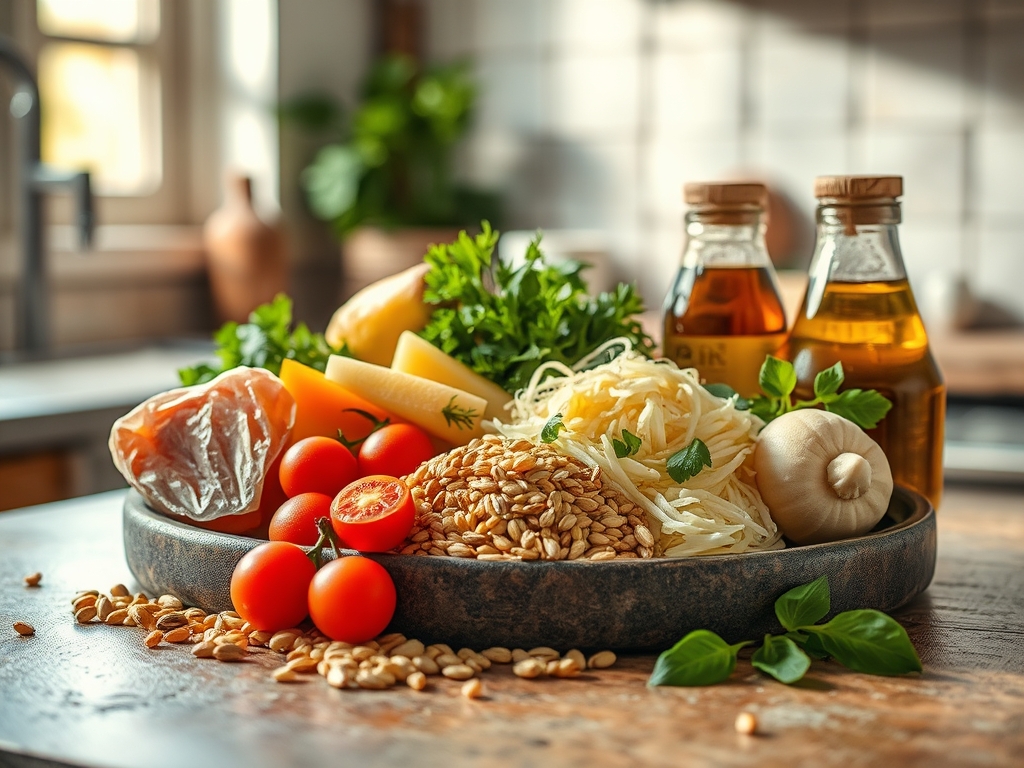
To master these coke chicken recipes, your mise en place must be precise. Start with 1.5 pounds of organic chicken breast or skinless thighs. You will need a digital scale to ensure your portions are accurate for macro tracking. The star of the show is 12 ounces of Zero Sugar Cola. This provides the caramel notes and acidity without the glycemic spike. For the aromatics, gather fresh ginger and garlic. Use a microplane to grate them into a fine paste; this increases the surface area and allows the volatile oils to infuse the sauce more effectively.
You will also need low sodium soy sauce for that essential umami kick and a splash of rice vinegar to brighten the finish. For the "Smart Substitutions," consider using arrowroot powder instead of cornstarch if you are looking for a paleo friendly thickener. If you want a spicy kick, a teaspoon of gochugaru or red pepper flakes adds a beautiful heat that cuts through the sweetness. Always keep a high smoke point oil, like avocado oil, in your saucier to ensure you can sear the meat at high temperatures without the oil breaking down and becoming bitter.
The Clock
Efficiency in the kitchen is about the "Chef's Flow." Total active prep time for these coke chicken recipes is approximately 15 minutes, with a cook time of 20 minutes. The flow begins with the "Cold Start" prep: chopping your aromatics while the chicken sits at room temperature for ten minutes to ensure an even cook. Thermal equilibrium is your friend here. If the meat is too cold when it hits the pan, the temperature drops, and you end up steaming the meat instead of searing it.
The actual cooking phase is a high energy sprint. You will spend five minutes achieving a golden crust on the protein, followed by a twelve minute reduction phase where the cola transforms into a glaze. The final three minutes are reserved for the "Carryover Rest." This is a non negotiable step where the internal juices redistribute, ensuring your chicken remains moist. By following this rhythm, you can have a gourmet, weight loss friendly meal on the table in under forty minutes from start to finish.
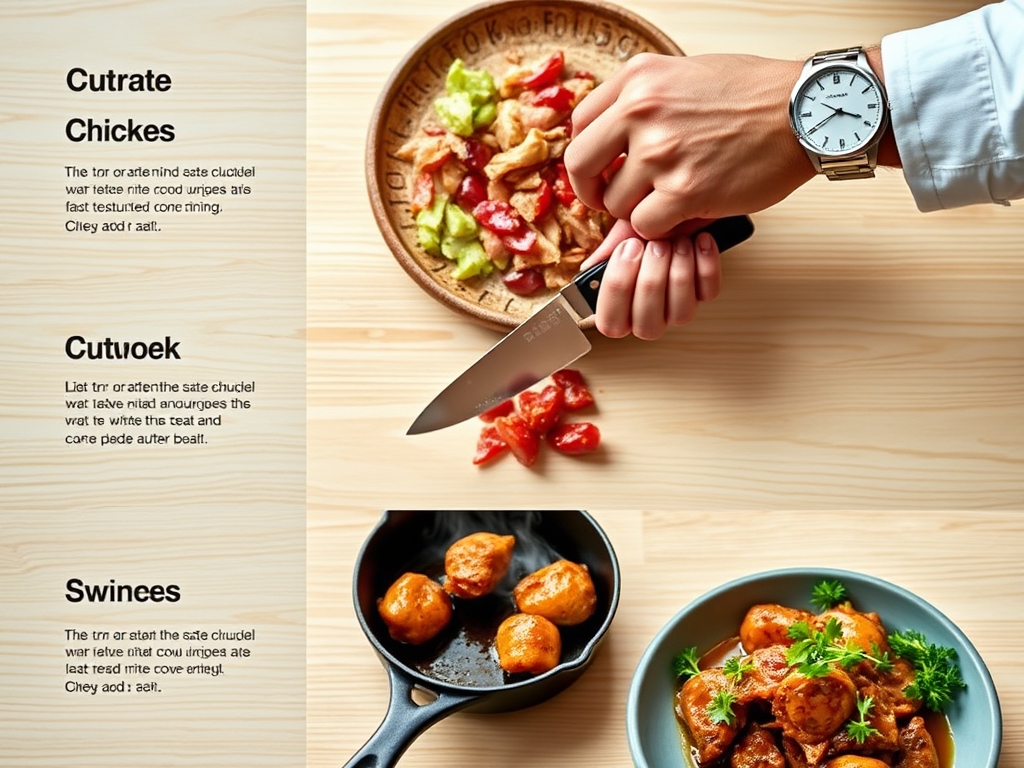
The Masterclass
1. The Sear and Render
Heat your heavy bottomed skillet over medium high heat until a drop of water flicked onto the surface dances and evaporates instantly. Add a teaspoon of avocado oil and place the chicken pieces in a single layer. Do not overcrowd the pan.
Pro Tip: This step utilizes the Maillard Reaction, a chemical reaction between amino acids and reducing sugars that creates hundreds of different flavor compounds. Do not move the chicken for at least three minutes to allow a proper crust to form.
2. Aromatic Infusion
Once the chicken is browned, use your tongs to flip each piece. Push the meat to the edges of the pan and drop your microplaned ginger and garlic into the center. Stir constantly for 30 seconds until fragrant but not burnt.
Pro Tip: Garlic contains allicin, which is released when the cell walls are ruptured. Sautéing it briefly in fat helps to solubilize these flavor compounds, distributing them evenly throughout the entire dish.
3. The Deglaze
Pour the Zero Sugar Cola into the pan. Use a wooden spoon or a bench scraper to scrape up the "fond," which are the browned bits stuck to the bottom of the skillet. This is concentrated flavor gold.
Pro Tip: Deglazing is a culinary technique that uses liquid to dissolve the caramelized proteins on the pan surface. This incorporates the complex flavors of the sear directly into your sauce.
4. The Reduction Phase
Turn the heat to high and let the liquid boil. You want to reduce the volume by at least two thirds until the bubbles become large, slow, and viscous. This is where the sauce gains its signature glossy sheen.
Pro Tip: As water evaporates, the concentration of solutes increases. This creates a colloidal suspension where the flavors become more intense and the texture becomes thick enough to coat the back of a spoon.
5. The Final Emulsification
Turn off the heat and toss the chicken in the thickened glaze. Add a teaspoon of sesame oil or a sprinkle of green onions for a fresh finish. Let the dish sit for three minutes before serving.
Pro Tip: Thermal carryover means the internal temperature of the chicken will continue to rise by 5 to 10 degrees after being removed from the heat. Resting prevents the muscle fibers from squeezing out their moisture.
The Deep Dive
From a macro perspective, these coke chicken recipes are a dream for weight loss. A standard serving contains roughly 280 calories, 42 grams of protein, 4 grams of fat, and only 6 grams of carbohydrates. This high protein to calorie ratio is essential for muscle preservation during a caloric deficit. For dietary swaps, vegans can substitute the chicken with extra firm pressed tofu or seitan. If you are strictly Keto, ensure your cola substitute uses erythritol or stevia to maintain ketosis. For a Gluten Free version, simply swap the soy sauce for tamari or coconut aminos.
If you hit a snag, "The Fix-It" guide has you covered. If your sauce is too thin, whisk a teaspoon of arrowroot with cold water to create a slurry and stir it in. If the sauce is too salty, a squeeze of fresh lime juice provides an acid hit that balances the sodium. If the chicken feels tough, you likely skipped the resting phase; next time, pull the meat at 160 degrees Fahrenheit and let it reach 165 degrees on the plate. For meal prep, reheat the chicken in a skillet with a tablespoon of water rather than the microwave. This creates a mini steam chamber that revives the sauce without turning the chicken into rubber.
The Wrap-Up
Mastering coke chicken recipes is about more than just a quirky ingredient; it is about understanding how to balance acidity and heat to create a satisfying, lean meal. You have learned how to use a microplane for maximum flavor, the importance of the Maillard reaction, and why resting your meat is the difference between a dry dinner and a culinary masterpiece. This dish proves that weight loss food never has to be boring or bland. Now, get into that kitchen and turn that can of soda into a high protein glaze that will make your taste buds sing.
The Kitchen Table
Can I use regular Coke instead of Zero Sugar?
Yes, but it significantly increases the sugar and calorie count. For weight loss, Zero Sugar is preferred because the phosphoric acid provides the same tenderizing benefits without the added glucose spike or extra calories.
How do I prevent the garlic from burning?
Add aromatics only after the chicken is seared. Garlic has a low burn point due to its sugar content. Sauté it for only 30 to 60 seconds until fragrant before immediately adding your deglazing liquid.
What is the best way to store leftovers?
Store in an airtight glass container for up to four days. To maintain texture, reheat on the stovetop over low heat with a splash of water or broth to loosen the glaze and prevent the protein from drying out.
Can I make this in a slow cooker?
You can, but you will lose the Maillard crust. To adapt, sear the chicken in a skillet first, then transfer to the slow cooker with the cola for 3 to 4 hours on low heat for a shredded texture.