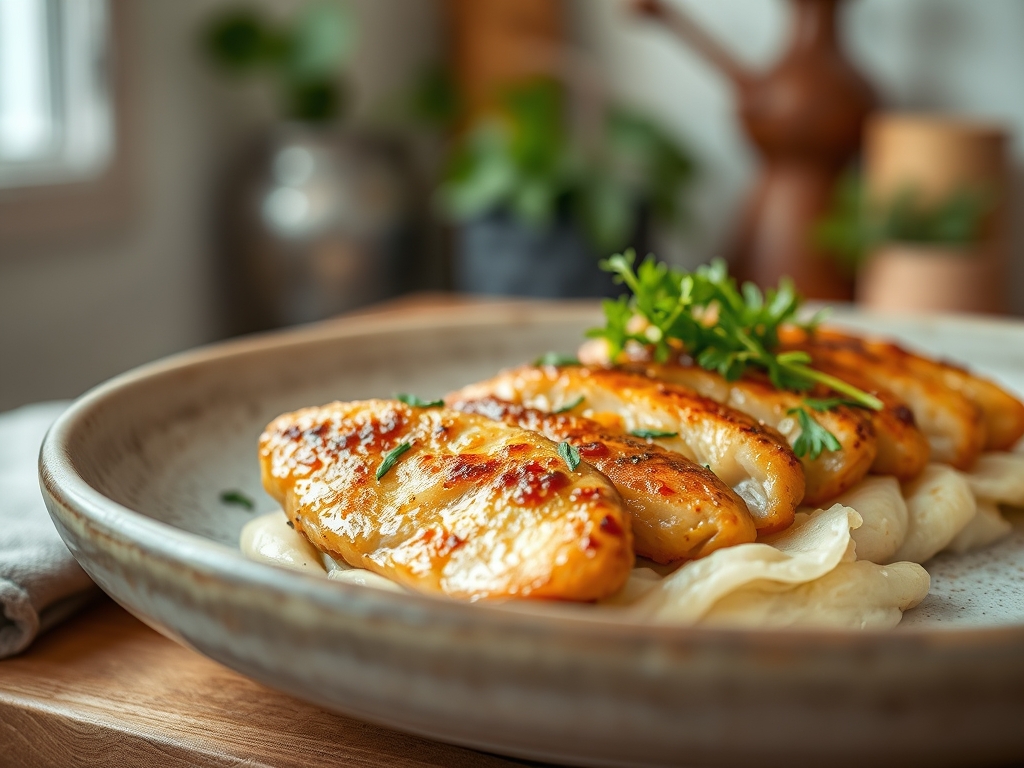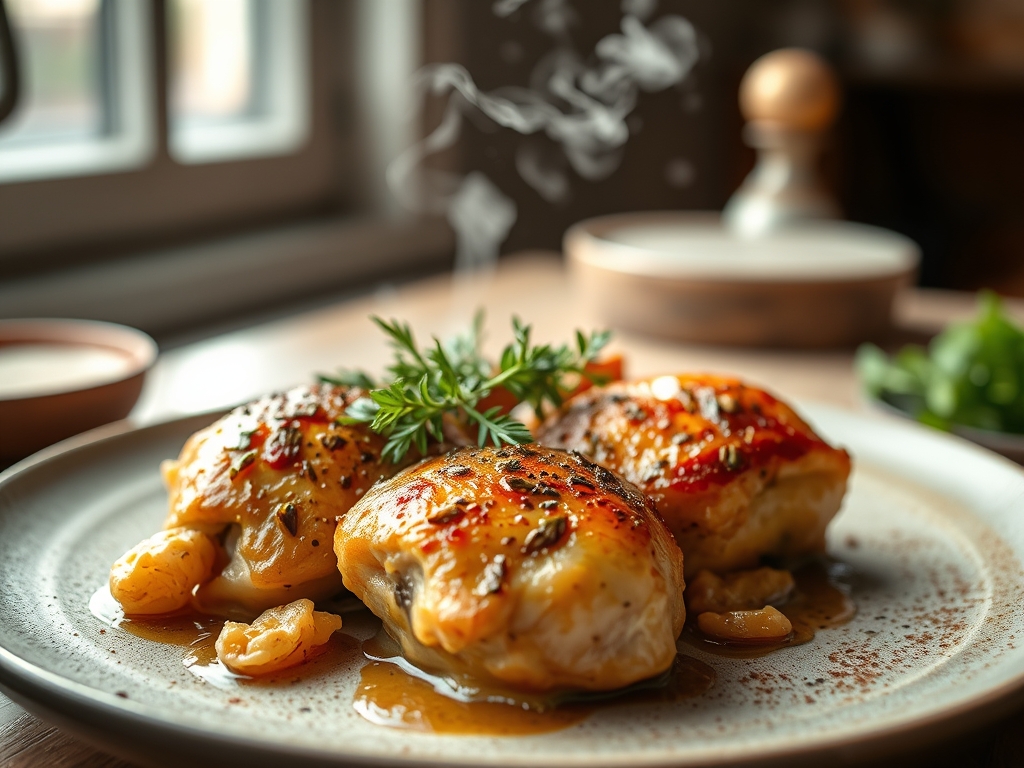
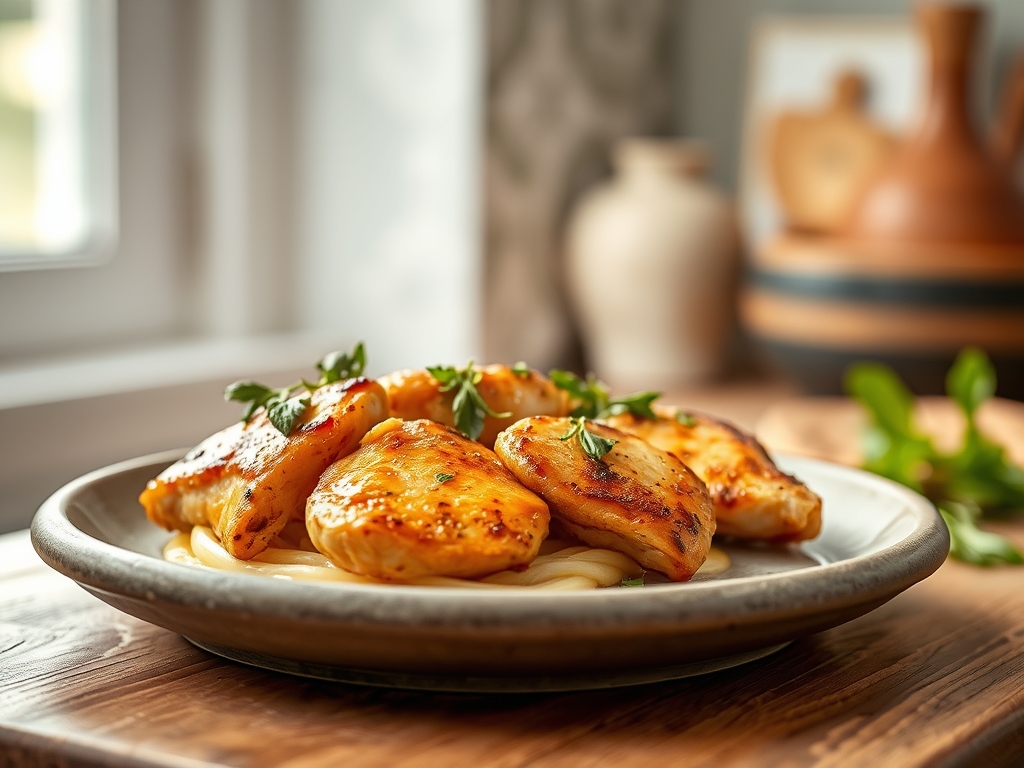
Close your eyes and imagine the scent of a bustling street market in Hanoi at dusk. The air is thick with the aroma of charred citrus and caramelized sugars hitting a screaming hot wok. If you are hunting for chicken recipes for weight loss that actually taste like a decadent cheat meal, you have just found the holy grail of Southeast Asian cuisine. This Vietnamese Lemongrass Chicken is not just a meal; it is a masterclass in balancing the five pillars of flavor: sweet, salty, sour, bitter, and umami. We are moving far beyond the sad, dry chicken breast of fitness lore. Instead, we are using molecular shortcuts to infuse lean protein with high-impact aromatics. By the time we are done, you will have a dish that clocks in with impressive macros but tastes like it was prepared by a professional chef. We are talking about succulent meat, crispy edges, and a sauce so viscous and piquant that you will forget you are even counting calories. Let us get into the kitchen.
The Gathers:
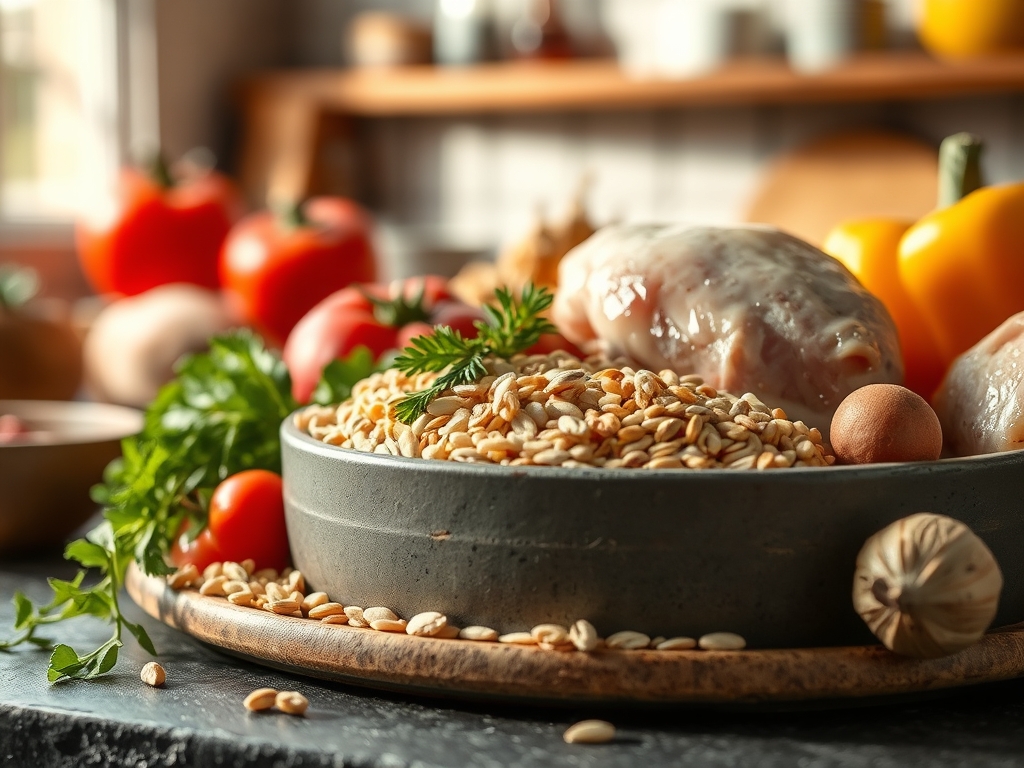
Creating this masterpiece requires a specific mise-en-place. Use a digital scale to ensure your ratios are precise; baking is a science, but savory cooking is an art of proportions. First, grab two pounds of boneless, skinless chicken thighs. While breasts work for chicken recipes for weight loss, thighs contain more connective tissue that transforms into gelatin when heated, ensuring a moist mouthfeel.
For the aromatics, you need three stalks of fresh lemongrass. Use only the tender inner core; the woody outer layers are too fibrous. You will also need four cloves of garlic, two shallots, and a thumb of ginger. Use a microplane to grate the ginger and garlic into a fine paste. This increases the surface area, allowing the volatile oils to infuse the marinade more effectively.
The liquid gold consists of premium fish sauce (look for 40N grade for higher nitrogen and protein content), lime juice, and a touch of coconut aminos or low-sodium soy sauce. To keep this within the realm of chicken recipes for weight loss, we use a small amount of honey or monk fruit sweetener to facilitate the Maillard reaction.
Smart Substitutions: If you cannot find fresh lemongrass, use a high-quality lemongrass paste. If you are watching your sodium, swap half the fish sauce for extra lime juice and a pinch of mushroom powder to maintain that essential umami depth.
The Clock
Efficiency in the kitchen is about "Chef's Flow." Total active prep time is 20 minutes, while the passive marination requires at least 30 minutes. The actual cook time is a swift 12 minutes.
The Flow: Start by prepping your marinade. While the chicken undergoes its enzymatic transformation, you can prep your garnishes: thinly sliced cucumbers, pickled carrots, and fresh cilantro. Use a bench scraper to clear your cutting board between tasks. This keeps your workspace organized and prevents cross-contamination. By the time your skillet is preheated, your sides are ready, and your kitchen is clean.
The Masterclass
1. The Lemongrass Breakdown
Finely mince the white parts of the lemongrass stalks until they resemble coarse sand. If the pieces are too large, they will feel woody and unpleasant in the final dish. Use a sharp chef's knife to achieve a consistent texture.
Pro Tip: This is about mechanical breakdown. By mincing the lemongrass finely, you break the plant's cell walls, releasing citral and geraniol. These are the essential oils responsible for that signature lemony, floral aroma.
2. The Marinade Infusion
In a large glass bowl, whisk together the fish sauce, sweetener, ginger, garlic, and lemongrass. Toss the chicken thighs in the mixture until every crevice is coated. Cover and refrigerate for 30 to 60 minutes.
Pro Tip: This step utilizes denaturation. The acids in the lime juice and the salts in the fish sauce begin to break down the protein strands, allowing the marinade to penetrate deeper into the muscle fibers rather than just sitting on the surface.
3. The Searing Phase
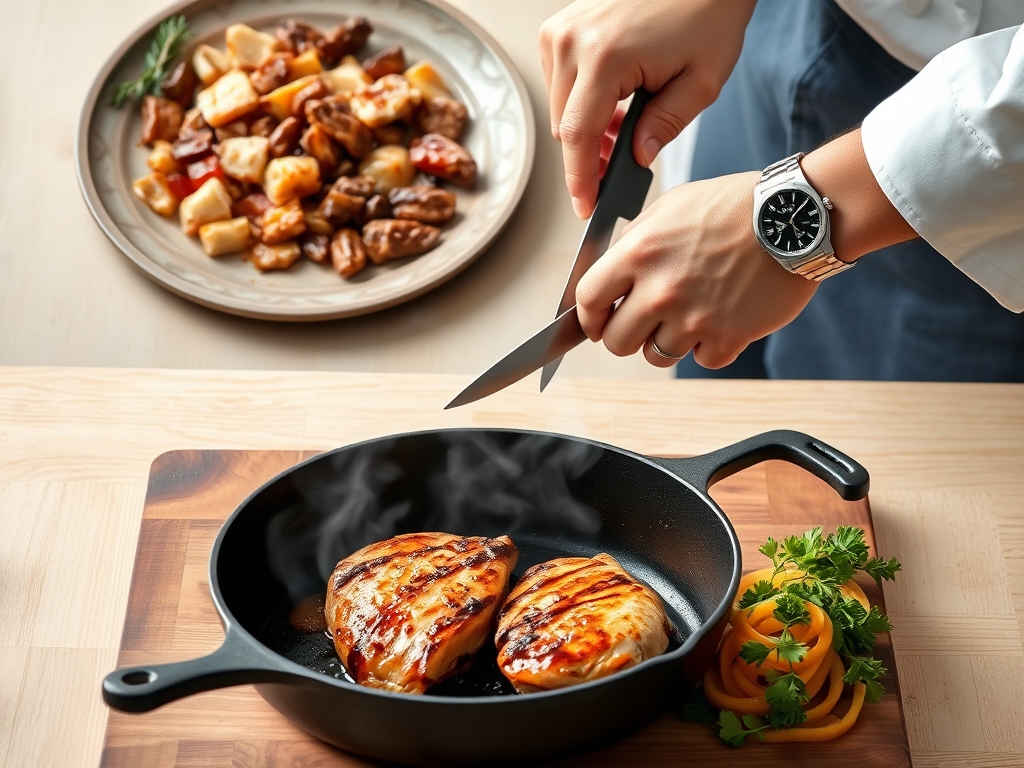
Heat a heavy-bottomed skillet or a cast-iron pan over medium-high heat. Add a teaspoon of high-smoke-point oil, such as avocado oil. Once the oil shimmers, lay the chicken pieces flat. Do not crowd the pan; work in batches if necessary.
Pro Tip: Avoid the urge to move the chicken. You are waiting for Maillard browning. This chemical reaction between amino acids and reducing sugars creates hundreds of different flavor compounds and that beautiful brown crust.
4. The Flip and Render
After 5 to 6 minutes, use tongs to flip the chicken. The meat should release easily from the pan. If it sticks, it is not done searing yet. Cook for another 5 minutes on the second side.
Pro Tip: As the chicken cooks, the small amount of fat in the thighs will render. This fat acts as a heat transfer medium, ensuring the chicken cooks evenly while adding a rich, savory depth to the exterior crust.
5. Deglazing the Fond
Once the chicken is cooked through (reaching an internal temperature of 165 degrees Fahrenheit on a digital thermometer), remove it from the pan. Pour a splash of water or chicken stock into the hot skillet and scrape up the brown bits.
Pro Tip: Those brown bits are called fond. Deglazing incorporates this concentrated flavor back into a light pan sauce, ensuring no flavor is wasted while keeping the dish lean for your chicken recipes for weight loss goals.
6. The Resting Period
Transfer the chicken to a cutting board and let it rest for 5 minutes before slicing. This allows the internal juices to redistribute throughout the meat.
Pro Tip: This prevents moisture loss. If you slice the chicken immediately, the steam and juices will escape, resulting in a dry end product. Resting ensures every bite is succulent and flavorful.
The Deep Dive
When we look at the macro nutrition, this dish is a powerhouse. A standard serving provides roughly 35 grams of protein and only 8 grams of fat, making it a top-tier choice for chicken recipes for weight loss. The aromatics like ginger and garlic also provide anti-inflammatory benefits.
Dietary Swaps: For a Vegan version, swap the chicken for extra-firm pressed tofu or oyster mushrooms and use a vegan "no-fish" sauce. For Keto enthusiasts, replace the honey with erythritol. For Gluten-Free needs, ensure your fish sauce is certified GF or use tamari.
The Fix-It:
- Chicken is tough: You likely skipped the resting period or overcooked it. Use a thermometer next time!
- Lemongrass is gritty: You didn't mince it finely enough. Try using a food processor for a finer paste.
- No browning: Your pan wasn't hot enough, or you crowded the skillet, causing the chicken to steam rather than sear.
Meal Prep: To maintain "day-one" quality, store the chicken and sauce separately from your greens. Reheat the chicken in a saucier over low heat with a teaspoon of water to create steam, which prevents the protein from becoming rubbery in the microwave.
The Wrap-Up
You have just mastered a dish that proves healthy eating is never synonymous with boring eating. This Vietnamese Lemongrass Chicken is vibrant, punchy, and incredibly satisfying. By understanding the science of the Maillard reaction and the importance of aromatics, you have elevated a simple protein into a gourmet experience. Whether you are meal prepping for the week or hosting a dinner party, this recipe is a guaranteed win for anyone seeking chicken recipes for weight loss without sacrificing an ounce of flavor. Now, grab your chopsticks and dig in!
The Kitchen Table
Can I use chicken breast for this recipe?
Yes, but be careful not to overcook it. Breast meat lacks the fat of thighs, so use a digital thermometer to pull the meat at 160 degrees Fahrenheit and let carryover cooking finish the job.
How do I store leftover lemongrass?
Wrap the leftover stalks in plastic wrap and store them in the freezer. They will stay fresh for up to six months. You can grate the frozen stalks directly into your next marinade using a microplane.
Is fish sauce necessary for the flavor?
Fish sauce provides the essential "funk" and saltiness required for an authentic Vietnamese profile. If you must skip it, use a combination of soy sauce and a finely minced anchovy to mimic the depth.
What is the best way to serve this for weight loss?
Serve the chicken over a bed of cauliflower rice or a fresh herb salad with plenty of mint and cilantro. This keeps the calorie count low while maximizing the volume and micronutrient density of your meal.