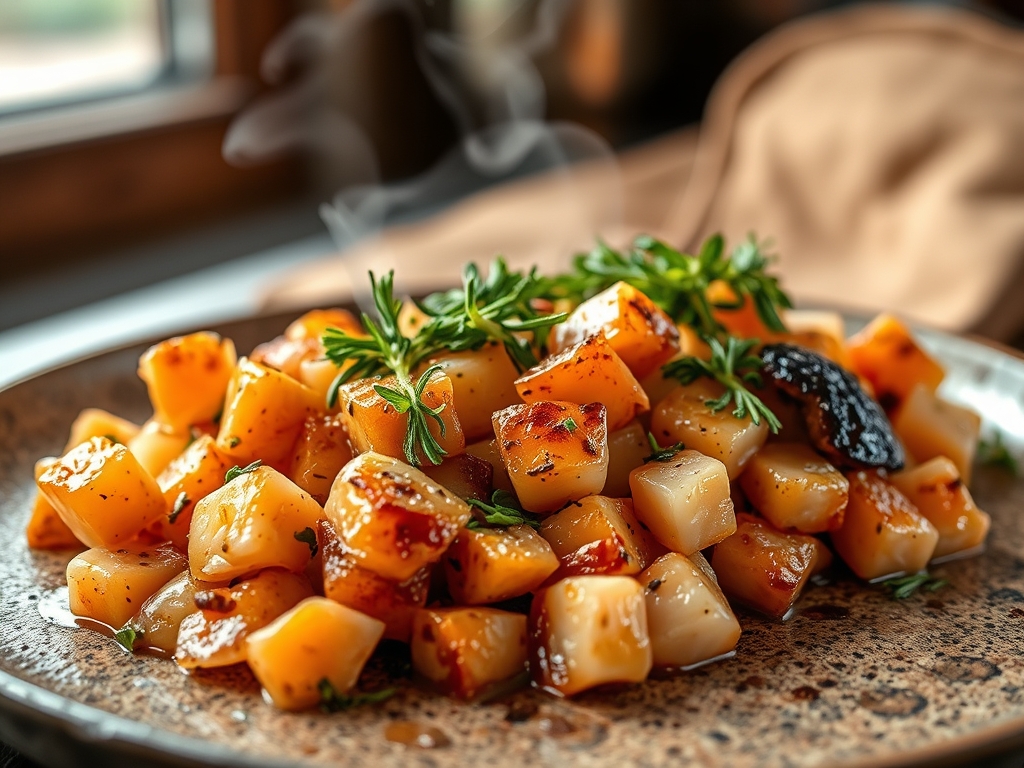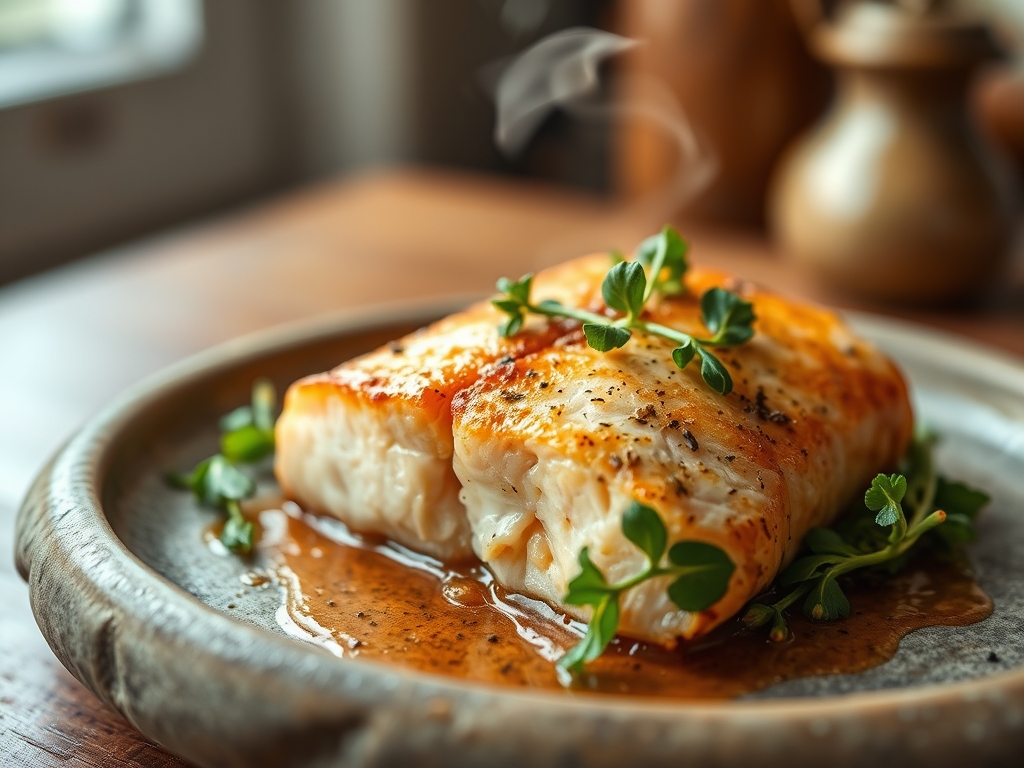
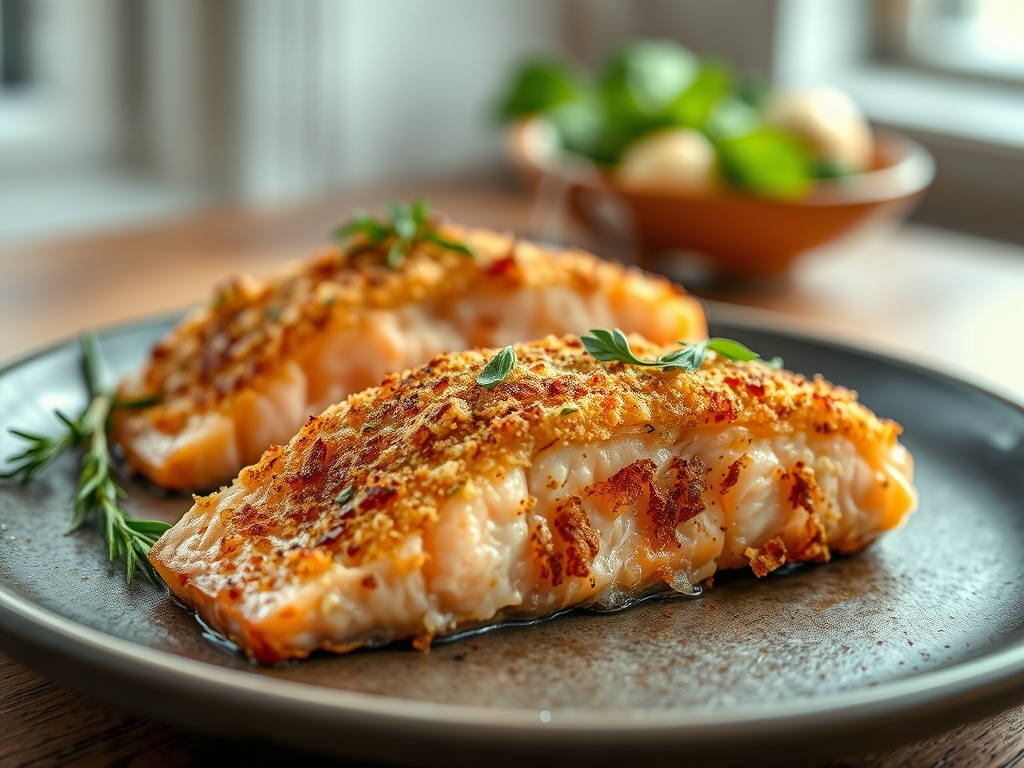
Picture the sound of a heavy-bottomed skillet meeting a high-heat flame; it is the percussion of a kitchen about to create magic. We are chasing the ultimate textural contrast: a shatteringly crisp, golden exterior protecting a center of buttery, translucent fish. When you search for potato crusted salmon recipes, you are usually looking for that restaurant-grade crunch that feels impossible to replicate at home. Most home versions end up with soggy spuds or overcooked protein, but we are going to use molecular physics to ensure every bite is a masterpiece. We are leveraging starch gelatinization and the Maillard reaction to build a protective thermal barrier around the fillet. This technique turns a humble tuber into a sophisticated armor, locking in moisture while providing a piquant, salty snap. Grab your favorite apron and a glass of something crisp; we are about to transform your weeknight dinner into a high-end culinary event. This is not just cooking; it is an edible engineering project designed to impress your toughest critics.
The Gathers:
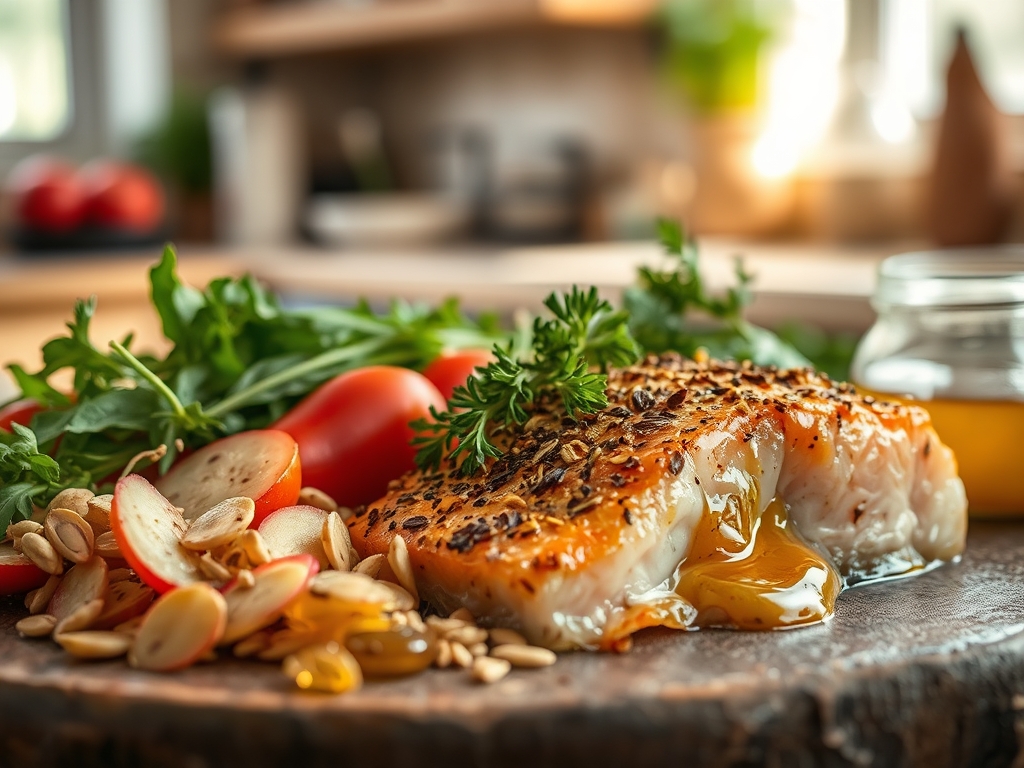
To achieve the perfect results found in elite potato crusted salmon recipes, your mise-en-place must be precise. Start with four six-ounce center-cut salmon fillets. Look for high fat content, such as King or Atlantic salmon, as the intramuscular fat will render during the searing process, basting the meat from within. For the crust, you need two large Russet potatoes. Russets are essential because their high amylopectin starch content creates the most viscous bond when heated. You will also need a high-smoke-point fat; avocado oil or clarified butter (ghee) is superior to standard butter, which contains milk solids that would burn before the potato fully crisps.
Gather your aromatics: fresh dill, a single lemon for zest, and a teaspoon of Dijon mustard to act as your biological "glue." Use a microplane to zest the lemon directly over the fish to capture the volatile oils. For seasoning, skip the table salt and reach for flaky sea salt and freshly cracked white pepper. White pepper provides a subtle heat without the visual speckling of black pepper.
Smart Substitutions: If you are dodging nightshades, thinly sliced parsnips offer a similar starch profile with a sweeter, earthier finish. For a dairy-free binding agent, a light coating of Duke's mayo (an emulsion of egg yolks and oil) works beautifully to adhere the potato scales to the protein surface.
The Clock:
Prep Time: 20 Minutes. This includes the crucial step of "sweating" the shredded potatoes to remove excess moisture.
Cook Time: 12 Minutes. We utilize a high-initial-heat sear followed by a gentle finish.
Chef's Flow: Efficiency in the kitchen is about heat management. While your potatoes are draining, use a bench scraper to clear your workstation and pat the salmon bone-dry. A dry surface is the prerequisite for a successful sear. If the fish is damp, you will steam it rather than fry it, losing that coveted "crunch" factor immediately.
The Masterclass:
1. The Starch Extraction
Peel and grate your potatoes using the large holes of a box grater. Immediately submerge them in ice water to wash away excess surface starch, then wrap them in a clean kitchen towel and wring them with all your might. The goal is a bone-dry potato shred.
Pro Tip: This process prevents the potatoes from turning gray due to oxidation and ensures that the Maillard reaction (the browning of sugars and amino acids) happens instantly upon pan contact.
2. The Protein Prime
Season your salmon fillets generously with salt and pepper. Use a pastry brush to apply a very thin, translucent layer of Dijon mustard to the top side of the fish. This mustard acts as a hydrocolloid, creating a tacky surface that will anchor the potato shreds during the thermal expansion of cooking.
Pro Tip: Cold protein hitting a hot pan causes fibers to contract. Temper your salmon at room temperature for 10 minutes before cooking to minimize this "shock" and ensure even heat distribution.
3. The Shingling Technique
Press the dried potato shreds firmly onto the mustard-coated side of the salmon. You want a layer about an eighth of an inch thick. Press down with the palm of your hand to aerate the shreds slightly while ensuring they are physically locked into the mustard binder.
Pro Tip: Do not over-pack the potatoes. If the layer is too dense, the center of the potato crust will remain raw and "gummy" while the outside burns.
4. The Precision Sear
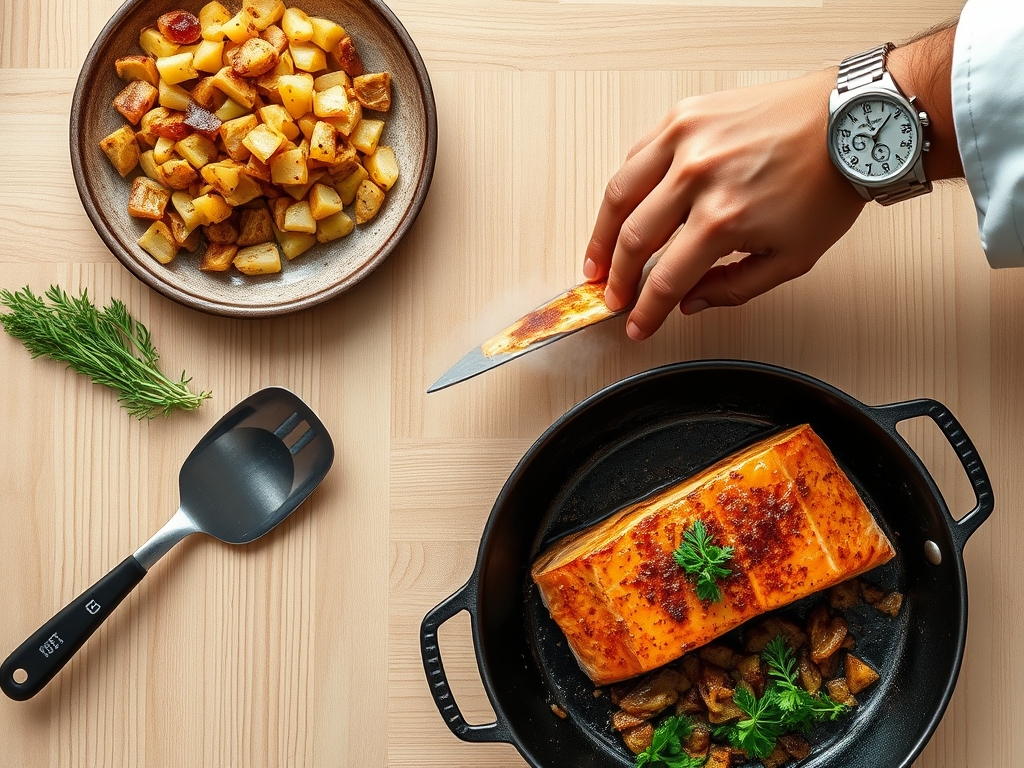
Heat your heavy-bottomed skillet over medium-high heat with two tablespoons of oil. Once the oil shimmers, place the salmon potato-side down. Do not move it for at least four minutes. You are waiting for the starch to undergo gelatinization and then dehydrate into a crisp shell.
Pro Tip: Use a flexible fish spatula to check the edges. If the potato resists movement, the sugars have not yet fully caramelized. Patience here is the difference between a crust and a mess.
5. The Gentle Flip and Finish
Once the crust is deep golden brown, carefully flip the fillet using tongs and a spatula for support. Cook the skin side for another 3 to 4 minutes. This side acts as a heat shield, gently bringing the internal temperature of the fish to 125 degrees Fahrenheit for a perfect medium-rare.
Pro Tip: Remember thermal carryover. The internal temperature will rise by 5 degrees after you remove the fish from the pan. Pull it early to avoid a chalky texture.
The Deep Dive:
Macro Nutrition: A single serving of this potato crusted salmon provides approximately 38g of high-quality protein, 22g of healthy fats (primarily Omega-3s), and 18g of complex carbohydrates. It is a balanced, "one-pan" nutritional powerhouse.
Dietary Swaps: To make this Keto-friendly, swap the potatoes for crushed pork rinds or a mixture of almond flour and parmesan cheese. For a Vegan alternative, use this same potato-crusting technique on a thick slab of "Tofu-Salmon" (marinated in beet juice and liquid smoke) or a large King Oyster mushroom steak.
The Fix-It:
- The Crust Falls Off: This usually happens because the potatoes were too wet or the pan wasn't hot enough. Fix: Ensure the oil is shimmering (about 375F) before adding the fish.
- Potatoes Burn, Fish is Raw: Your heat is too high. Fix: Lower the flame and finish the salmon in a 350F oven for 3 minutes to cook the center without scorching the exterior.
- Soggy Texture: You crowded the pan. Fix: Cook in batches. Crowding lowers the oil temperature and creates steam.
Meal Prep & Reheating: To maintain "day-one" quality, never microwave this dish. The microwave vibrates water molecules, which will turn your crisp crust into a mushy sponge. Instead, reheat in an air fryer at 350F for 4 minutes or in a toaster oven. This re-dehydrates the starch and restores the snap.
The Wrap-Up:
Mastering potato crusted salmon recipes is a rite of passage for any home cook looking to bridge the gap between "dinner" and "dining." It requires a bit of scientific intuition; understanding how moisture is the enemy of the crunch and how heat transforms a simple starch into a golden crown. When you pull that skillet off the stove and see that perfectly uniform, bronzed crust, you will feel like a kitchen deity. Serve this with a bright, acidic side like a lemon-arugula salad to cut through the richness. Now, go forth and sear with confidence; your kitchen is your lab, and dinner is the successful experiment!
The Kitchen Table:
Which potato is best for salmon crusting?
Russet potatoes are the gold standard because their high starch content creates a superior bond. Waxy potatoes like Red Bliss contain too much moisture and sugar, leading to a soggy crust that burns easily before it ever gets truly crispy.
How do I keep the potato from sticking to the pan?
Ensure your skillet is properly preheated and use an oil with a high smoke point. Do not attempt to flip the fish until the starch has fully caramelized; the salmon will naturally "release" from the pan once the crust is formed.
Can I use frozen shredded potatoes for this?
You can, but you must thaw them completely and squeeze out every drop of moisture. Frozen potatoes are often blanched, meaning they have a different starch structure, so they may not get quite as shatteringly crisp as fresh Russets.
What is the best sauce for potato crusted salmon?
A classic lemon-caper butter sauce or a saucier filled with a creamy dill remoulade works best. The acidity in these sauces provides a necessary counterpoint to the starchy, fatty profile of the potato-clad fish.