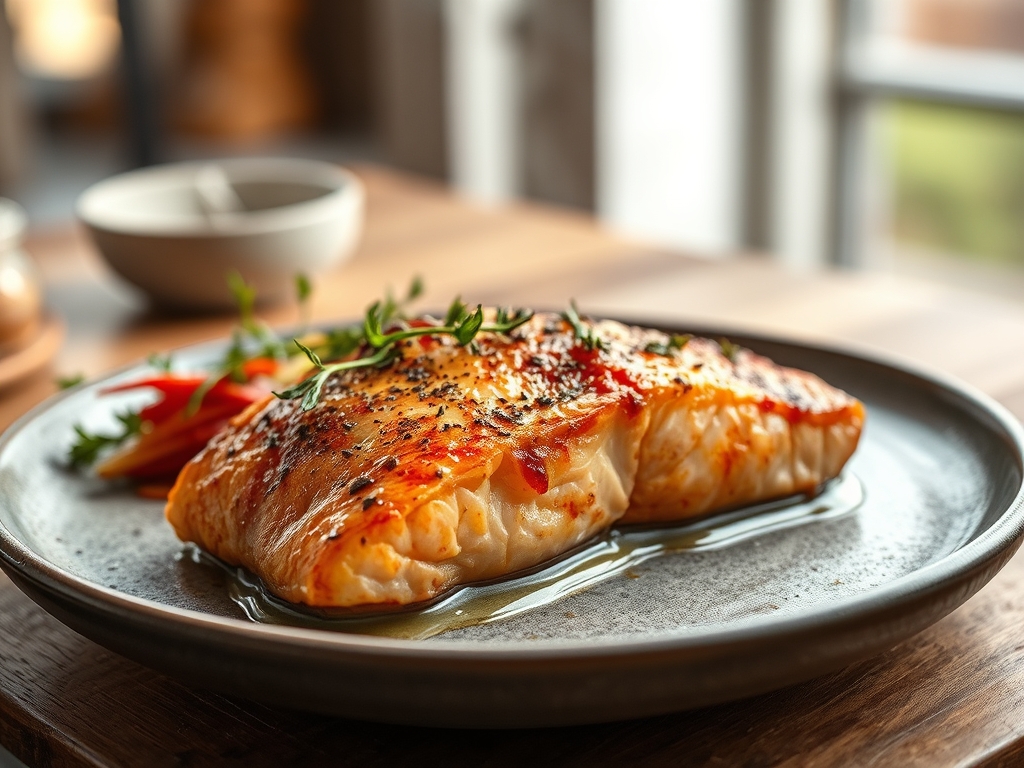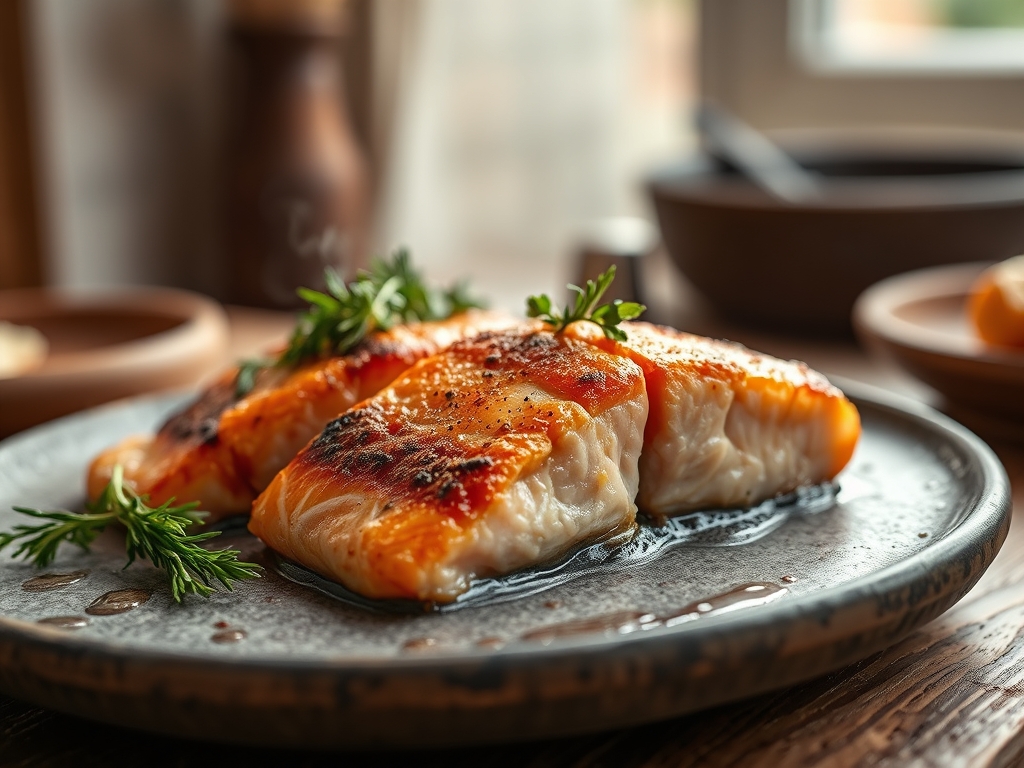
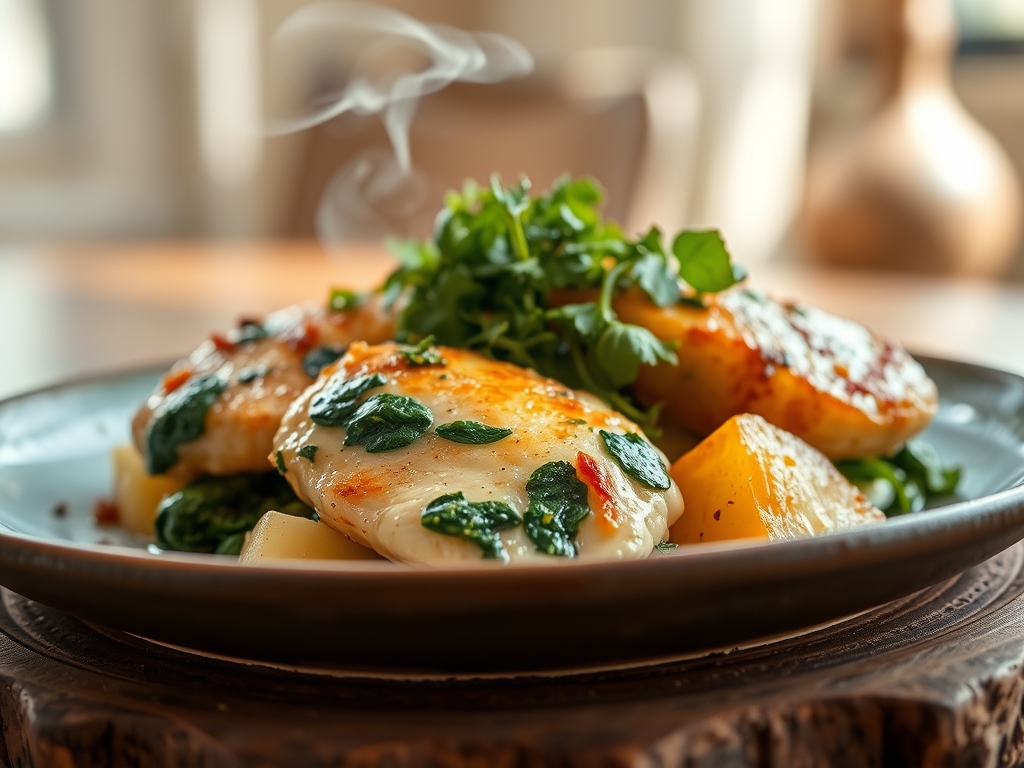
The scent of searing poultry hitting a hot cast iron pan is the ultimate kitchen siren song. When you master chicken spinach and potato recipes, you are not just making dinner; you are balancing a trio of textures that satisfy every primal craving. Imagine golden, crispy skins, buttery starch, and vibrant greens wilted into a rich, savory pan sauce.
This isn't just another weeknight scramble. We are talking about a culinary trifecta where the earthy sweetness of the potatoes meets the iron-rich bite of fresh spinach. Whether you are aiming for a rustic French bistro vibe or a zesty Mediterranean char, these seven variations utilize a single heavy-bottomed skillet to achieve maximum flavor with minimal cleanup. It is the kind of cooking that feels like a warm hug but tastes like a five-star reservation. Grab your favorite apron and let's get into the chemistry of the perfect sear.
The Gathers:
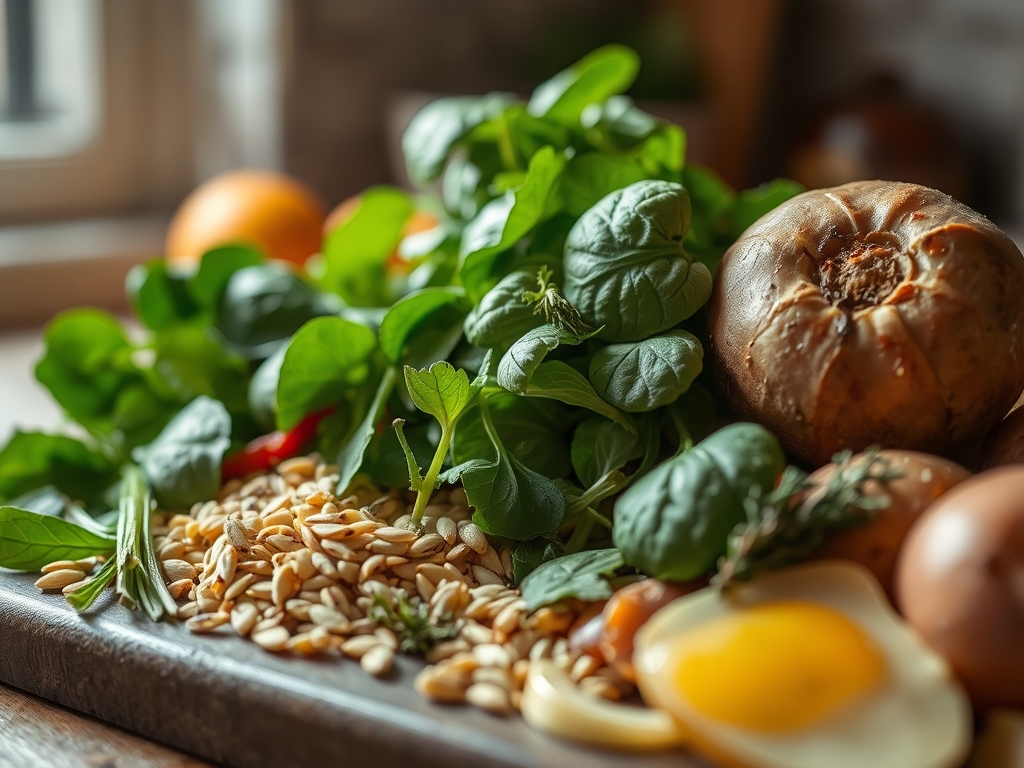
To execute these chicken spinach and potato recipes with precision, your mise-en-place must be flawless. Start with your protein; I recommend boneless, skin-on thighs for their higher fat content and resilience against overcooking. Use a digital scale to ensure your potato cubes are uniform, roughly three-quarters of an inch, to guarantee they finish at the same time as the meat.
For the greens, look for mature spinach rather than delicate baby leaves if you want a more robust texture that holds up to the heat. You will also need a high-smoke-point fat, like avocado oil or clarified butter, to facilitate the Maillard reaction without scorching. A microplane is essential here for grating fresh garlic and lemon zest directly into the pan to preserve their volatile oils.
Smart Substitutions:
If you are out of Yukon Golds, Red Bliss potatoes offer a similar waxy profile that resists falling apart. No spinach? Tuscan kale is a fantastic alternative, though it requires an extra two minutes of sautéing to soften the fibrous ribs. For a dairy-free creaminess, full-fat coconut milk or a splash of cashew cream provides a viscous mouthfeel without the lactose.
The Clock
Efficiency in the kitchen is all about the "Chef's Flow." Total active prep time for these recipes is approximately 15 minutes, with a cook time of 25 to 30 minutes. The secret is overlapping your tasks. While your chicken is rendering in the skillet, use that time to wash and dry your spinach using a salad spinner.
Never rush the potato browning phase. This is where the flavor lives. By the time the potatoes are fork-tender, the chicken should be resting, allowing the juices to redistribute through capillary action. Total time from pantry to plate is under 50 minutes, making this a powerhouse move for busy evenings.
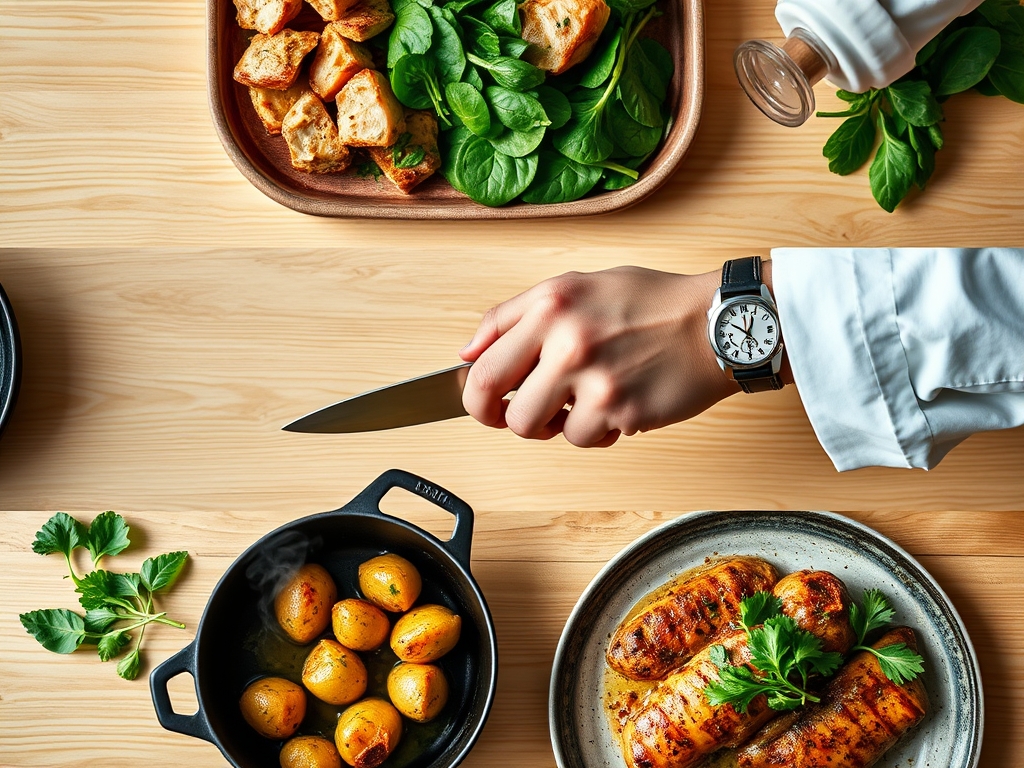
The Masterclass
1. The Hard Sear
Pat your chicken dry with paper towels to remove surface moisture. Place the meat skin-side down in a cold heavy-bottomed skillet and then turn the heat to medium-high. This allows the fat to render slowly, resulting in a glass-like crunch rather than a rubbery texture. Use tongs to press the meat down for even contact.
Pro Tip: This technique prevents thermal shock, which causes muscle fibers to contract violently and squeeze out moisture. A gradual temperature increase ensures the juiciest interior.
2. Potato Fondant Technique
Once the chicken fat has pooled in the pan, remove the meat and toss in your diced potatoes. Do not crowd the pan; if the potatoes are too close, they will steam rather than fry. Use a bench scraper to flip them once they develop a deep mahogany crust.
Pro Tip: Potatoes contain starch that undergoes gelatinization when heated. By browning them in chicken fat, you create a waterproof barrier that keeps the inside fluffy while the outside stays crisp.
3. Deglazing the Fond
Add a splash of dry white wine or chicken stock to the pan. Use a wooden spoon to scrape up the brown bits, known as the fond, stuck to the bottom. This is concentrated flavor that will form the base of your sauce.
Pro Tip: Deglazing uses a solvent to dissolve caramelized sugars and proteins. This creates a complex flavor profile that cannot be replicated with dry seasoning alone.
4. The Spinach Wilt
Add your spinach in batches. It will look like an overwhelming amount, but it is 90 percent water and will shrink significantly. Toss it quickly with the hot potatoes and pan juices until it turns a vibrant, dark emerald green.
Pro Tip: Spinach contains oxalic acid. A quick sauté minimizes the "chalky" feeling on your teeth by breaking down these crystals through moderate heat exposure.
5. Emulsifying the Sauce
Return the chicken to the pan. Add a knob of cold butter or a swirl of heavy cream. Shake the pan vigorously to combine the fats with the deglazing liquid. This creates a glossy, viscous sauce that coats every ingredient.
Pro Tip: This is a mechanical emulsification. The cold fat bonds with the liquid to create a stable sauce that won't break or look greasy on the plate.
The Deep Dive
From a macro perspective, chicken spinach and potato recipes are a dream. You are getting lean protein, complex carbohydrates for sustained energy, and a massive hit of Vitamin K and iron from the greens. One serving typically clocks in at 450 calories with 35 grams of protein.
Dietary Swaps:
For a Keto version, swap the potatoes for cauliflower florets or radishes, which lose their peppery bite when roasted. Vegan friends can substitute the chicken for thick slices of king oyster mushrooms and use a vegetable-based bouillon. All these recipes are naturally Gluten-Free, provided you check your chicken stock labels for hidden thickeners.
The Fix-It:
- Soggy Potatoes: Usually caused by overcrowding. Fix it by removing the chicken and finishing the potatoes under a high broiler for two minutes.
- Bland Sauce: Lack of acidity. Add a squeeze of fresh lemon juice or a teaspoon of capers to provide a piquant lift.
- Dry Chicken: Likely overcooked. Use a digital thermometer to pull the chicken at 160 degrees Fahrenheit; carryover cooking will bring it to the safe 165 mark while it rests.
Meal Prep:
When reheating, avoid the microwave if possible. It turns potatoes into mush. Instead, use a small saucier or skillet with a tablespoon of water and a lid. This creates a steam chamber that re-hydrates the spinach and restores the chicken's texture without overcooking the center.
The Wrap-Up
Mastering the art of the skillet meal is like having a superpower in your back pocket. These chicken spinach and potato recipes prove that you don't need a dozen pots to create a meal that feels intentional and sophisticated. It is all about respecting the ingredients and understanding how heat transforms them. Go forth, get that skillet screaming hot, and enjoy the most comforting dinner you have made all year. Your kitchen is your laboratory; make it delicious!
The Kitchen Table
Can I use frozen spinach for these recipes?
Yes, but you must thaw and squeeze it completely dry first. Frozen spinach carries excess moisture that can turn your crispy potatoes soggy. Use a kitchen towel to wring out every drop before adding it to the skillet.
What are the best potatoes for skillet cooking?
Yukon Gold potatoes are the gold standard. They have a medium starch content that allows them to crisp up beautifully on the outside while maintaining a creamy, buttery interior that does not fall apart during the deglazing process.
How do I prevent the garlic from burning?
Always add your garlic during the last sixty seconds of sautéing. Garlic has a high sugar content and a low burn point; adding it too early creates a bitter flavor that can ruin the entire pan sauce.
Can I make this recipe with chicken breast?
You can, but be careful. Chicken breasts lean out quickly. Sear them fast and remove them from the pan while you cook the potatoes, only returning them at the very end to warm through to avoid a rubbery texture.