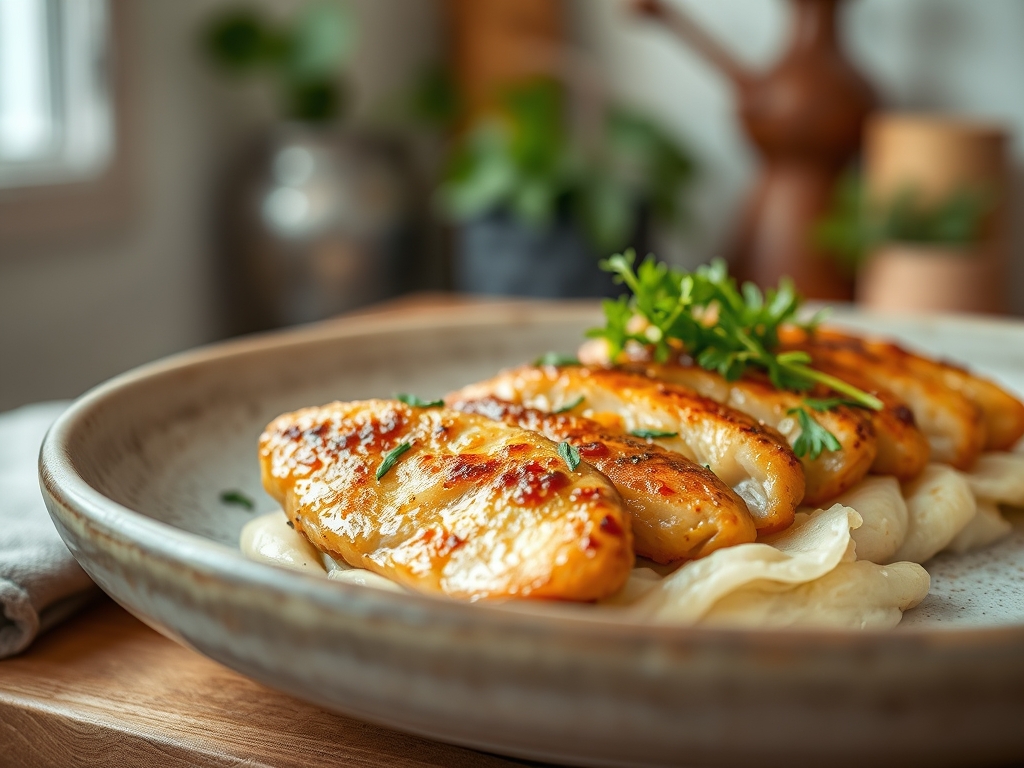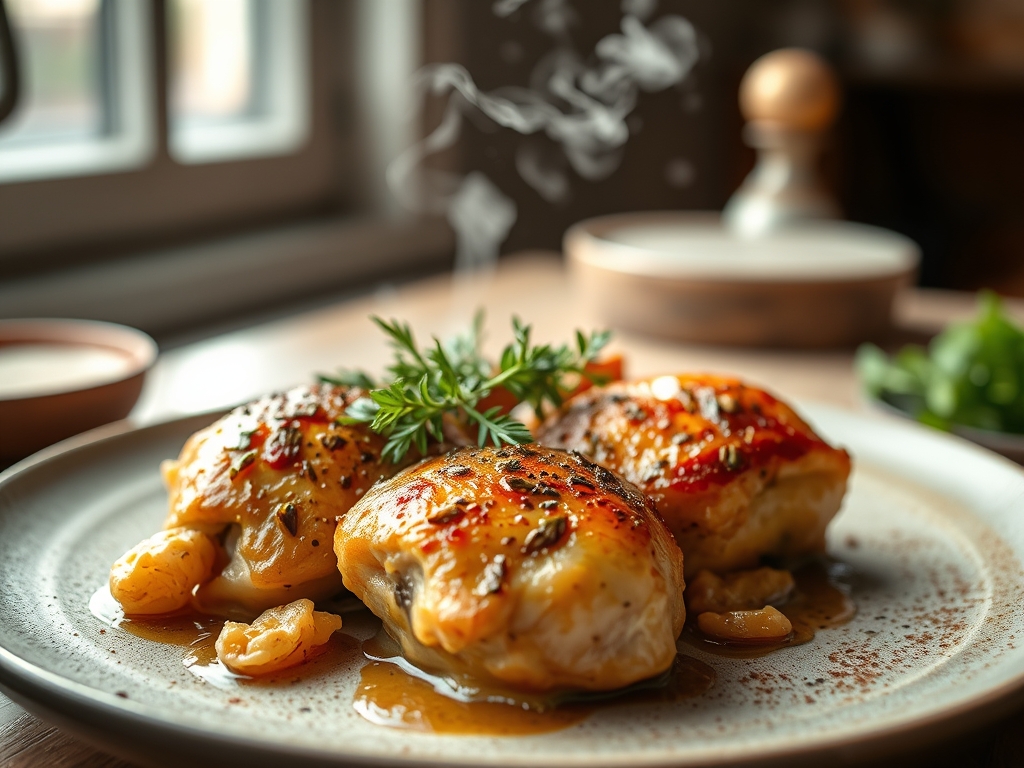
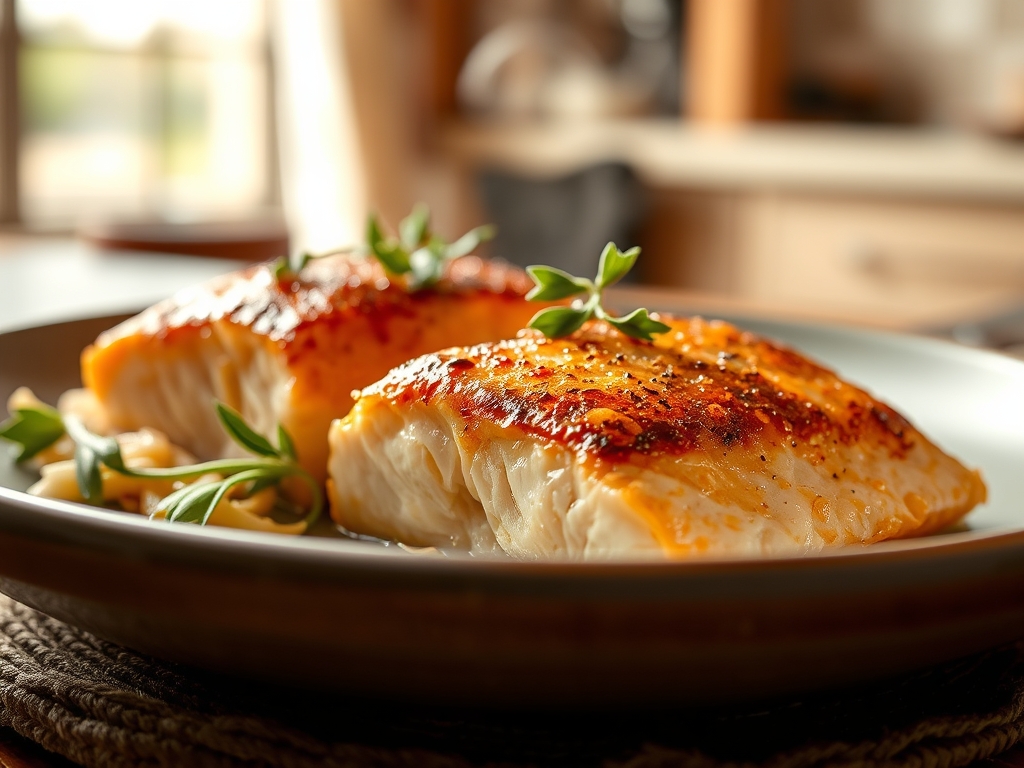
Close your eyes and imagine the sound of a heavy-bottomed skillet meeting a screaming hot flame. There is a specific, piquant aroma that defines the legendary Gulf Coast dining experience. When you search for pappadeaux salmon recipes, you are not just looking for a meal; you are hunting for that elusive, buttery crust and the mahogany-hued glaze that shatters under a fork.
The secret to recreating this at home lies in the intersection of high-heat physics and delicate fat management. We are going to treat the fish like a piece of fine jewelry. We will polish the skin, temper the flesh, and use a saucier to create an emulsion so stable it defies gravity. This is not just cooking; it is an exercise in culinary precision that transforms a standard fillet into a restaurant-caliber masterpiece.
The Gathers:
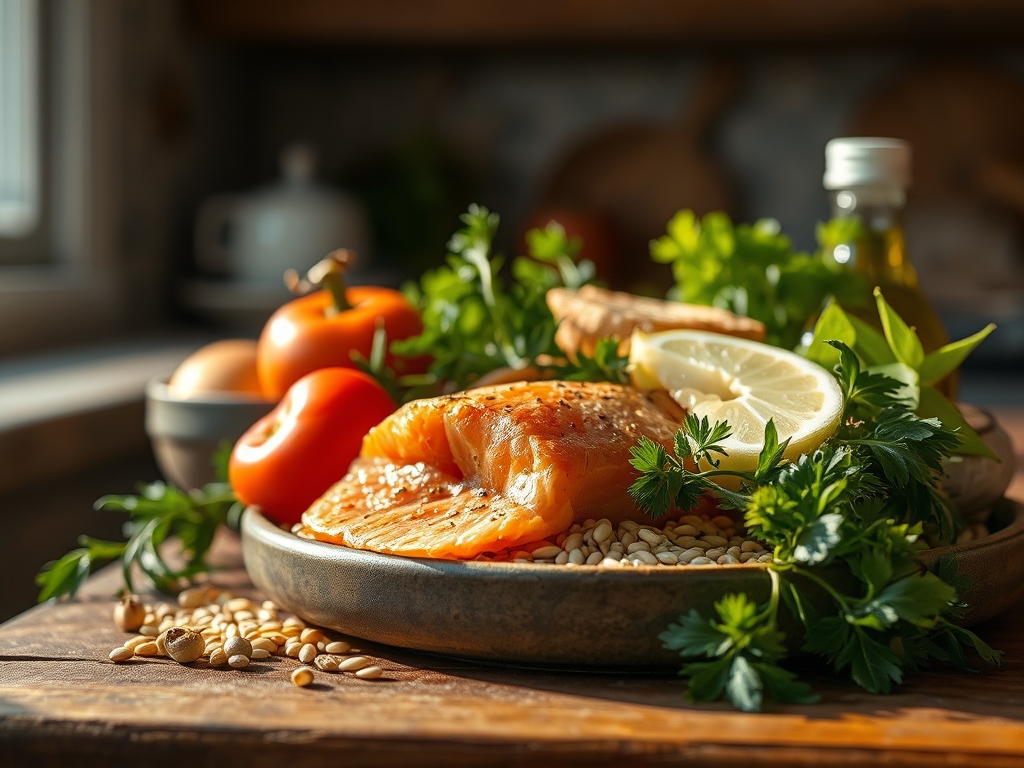
To achieve the depth of flavor found in professional pappadeaux salmon recipes, your mise-en-place must be impeccable. You will need high-quality Atlantic or King salmon fillets, preferably center-cut for uniform thickness. Use a digital scale to ensure each portion is exactly six to eight ounces; this ensures they reach the desired internal temperature simultaneously.
The seasoning profile requires a blend of smoked paprika, garlic powder, onion powder, and a touch of cayenne. Use a microplane to zest fresh lemon over the spices to release the volatile oils. For the glaze, you need unsalted European-style butter, which has a higher butterfat content and lower water percentage than standard sticks. This prevents the sauce from breaking.
Smart Substitutions: If you are avoiding dairy, swap the butter for a high-quality vegan cultured butter or a viscous avocado oil. For a lower-sodium profile, replace traditional Cajun seasoning with a blend of dried oregano, thyme, and toasted cumin. If you cannot find fresh salmon, look for "flash-frozen at sea" labels to ensure the cellular structure of the fish remains intact.
The Clock: Chef's Flow
Efficiency in the kitchen is about managing the thermal momentum of your ingredients. Total preparation time is approximately 15 minutes, while the active cook time spans exactly 10 to 12 minutes.
The Chef's Flow dictates that you pull your salmon from the refrigerator 20 minutes before it hits the pan. This is called tempering. If you drop a cold fillet into a hot skillet, the muscle fibers will contract violently, squeezing out moisture and leaving you with a dry, tough result. While the fish tempers, use a bench scraper to clear your workstation and prepare your garnishes. This ensures that the moment the salmon finishes its rest, it is plated and served at its peak temperature.
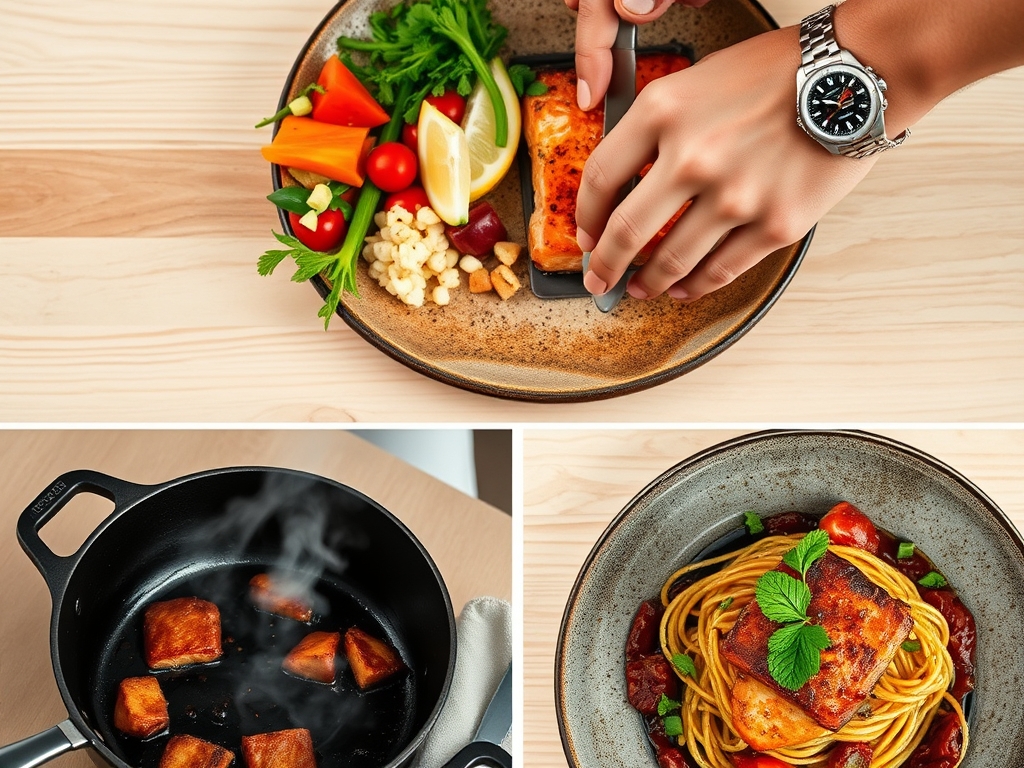
The Masterclass:
1. The Desiccation Ritual
Pat the salmon skin with a lint-free paper towel until it is bone dry. Moisture is the enemy of the Maillard reaction. If there is any surface water, the fish will steam rather than sear.
Pro Tip: This step utilizes the science of evaporation. By removing surface moisture, the energy from the pan goes directly into browning the proteins instead of wasting time boiling off water.
2. The High-Heat Introduction
Heat your cast-iron skillet until a drop of water dances and evaporates instantly. Add a high-smoke-point oil like grapeseed. Lay the salmon away from you to avoid hot oil splashes.
Pro Tip: Use tongs to press the fillet down for the first 30 seconds. This prevents the natural collagen in the skin from curling, ensuring 100 percent surface contact for a perfectly even crust.
3. The Render and Flip
Allow the salmon to cook on the skin side for about 6 minutes. You are looking for the fat to render out, which essentially deep-fries the skin in its own lipids.
Pro Tip: Watch the "opacity line" climbing up the side of the fillet. When it reaches the halfway point, it is time to flip. This visual cue is more reliable than a timer.
4. The Butter Baste
Reduce the heat and drop a knob of butter, smashed garlic, and thyme into the pan. Use a large spoon to continuously bathe the salmon in the foaming butter.
Pro Tip: This is called arroser. The hot butter provides thermal carryover, finishing the top of the fish gently while infusing it with aromatics without overcooking the delicate center.
5. The Deglaze and Glaze
Remove the fish to a warm plate. Add a splash of white wine or seafood stock to the skillet to deglaze, scraping up the brown bits (the fond). Whisk in your spice blend and a touch of honey.
Pro Tip: This creates a pan sauce through emulsification. The honey acts as a stabilizer, binding the fats and liquids into a glossy, viscous coating that clings to the fish.
6. The Rest Period
Transfer the salmon to a wooden board. Let it sit for at least 3 minutes before serving.
Pro Tip: Resting allows the internal juices to redistribute. If you cut into it immediately, the moisture will leak out, leaving the protein fibers dry and straw-like.
7. The Final Aeration
Just before serving, give your pan sauce one last vigorous whisk to aerate it. Pour it over the salmon so it cascades down the sides.
Pro Tip: Aeration lightens the texture of the sauce, making the heavy butter feel silky rather than greasy on the palate.
The Deep Dive:
From a nutritional standpoint, this dish is a powerhouse. A standard portion contains roughly 40 grams of high-quality protein and is rich in Omega-3 fatty acids. To keep this Keto-friendly, simply omit the honey in the glaze and use a monk fruit sweetener. For a Vegan alternative, this same searing technique works beautifully with thick "steaks" of cauliflower or extra-firm tofu that has been pressed for two hours.
The Fix-It: Common Pitfalls
- The Skin Sticks: This usually happens because the pan wasn't hot enough or you tried to flip it too early. The fish will naturally release from the pan once the proteins have fully caramelized.
- The White Gunk (Albumin): If you see white liquid seeping out, the heat was too high. That is albumin, a protein that escapes when the muscle fibers contract too quickly. Lower your flame.
- The Sauce Breaks: If your glaze looks oily and separated, whisk in a teaspoon of warm water. This restores the balance of the emulsion.
Meal Prep and Reheating:
To maintain "day-one" quality, do not use a microwave. The high-frequency waves vibrate water molecules too fast, toughening the fish. Instead, reheat the salmon in a 275-degree oven with a splash of water, covered in foil. This creates a gentle steam environment that preserves the flaky texture.
The Wrap-Up:
Mastering pappadeaux salmon recipes is about more than just following a list of ingredients; it is about respecting the chemistry of the kitchen. By focusing on desiccation, tempering, and the art of the emulsion, you can create a dish that rivals any high-end seafood house. Now, grab your saucier, fire up the range, and prepare to impress even your most cynical foodie friends. You have the tools, the science, and the secrets to make it legendary.
The Kitchen Table:
How do I get the skin extra crispy?
Ensure the skin is completely dry before hitting the pan. Use a heavy-bottomed skillet and press the fish down firmly with a spatula for the first 30 seconds to maximize surface contact and heat transfer.
What is the best internal temperature for salmon?
For a restaurant-style medium-rare, aim for 125 degrees Fahrenheit. For a firmer medium, pull the fish at 135 degrees. Remember that thermal carryover will increase the temperature by about 5 degrees while resting.
Can I use frozen salmon for this recipe?
Yes, provided you thaw it slowly in the refrigerator for 24 hours. Once thawed, treat it exactly like fresh fish, but pay extra attention to drying the surface, as frozen fish tends to release more moisture.
Why does my salmon taste "fishy"?
Strong odors usually indicate the fats have begun to oxidize. To fix this, rinse the fillets in cold water and pat dry, or lightly soak them in milk for 10 minutes to neutralize the trimethylamine oxide.