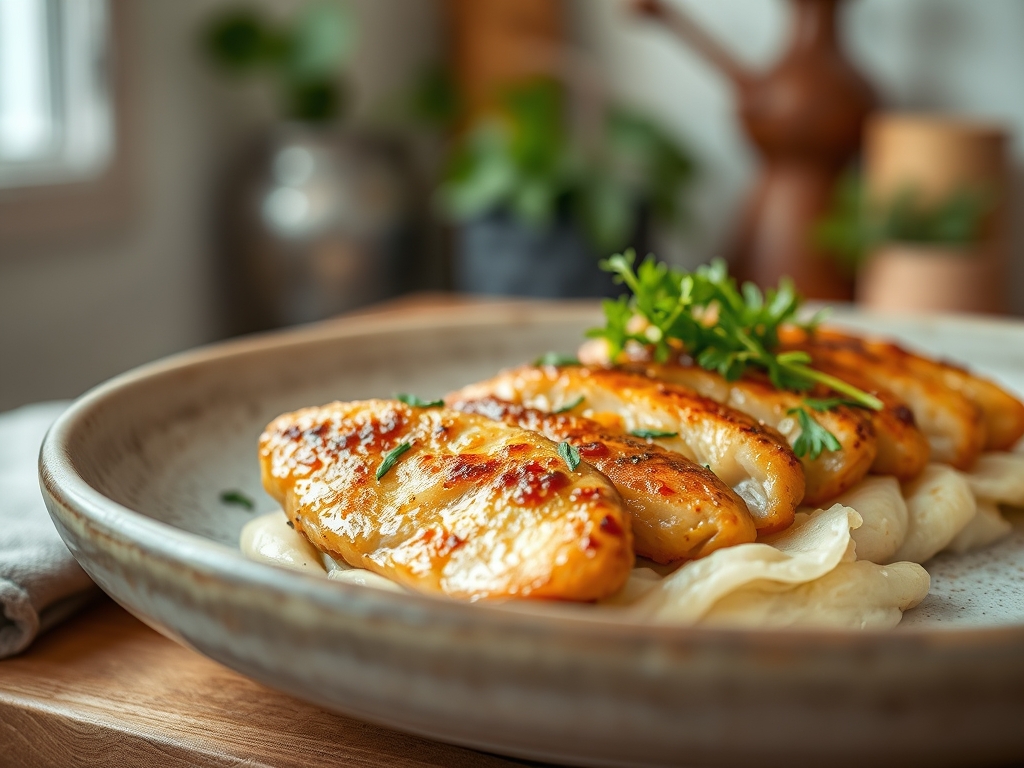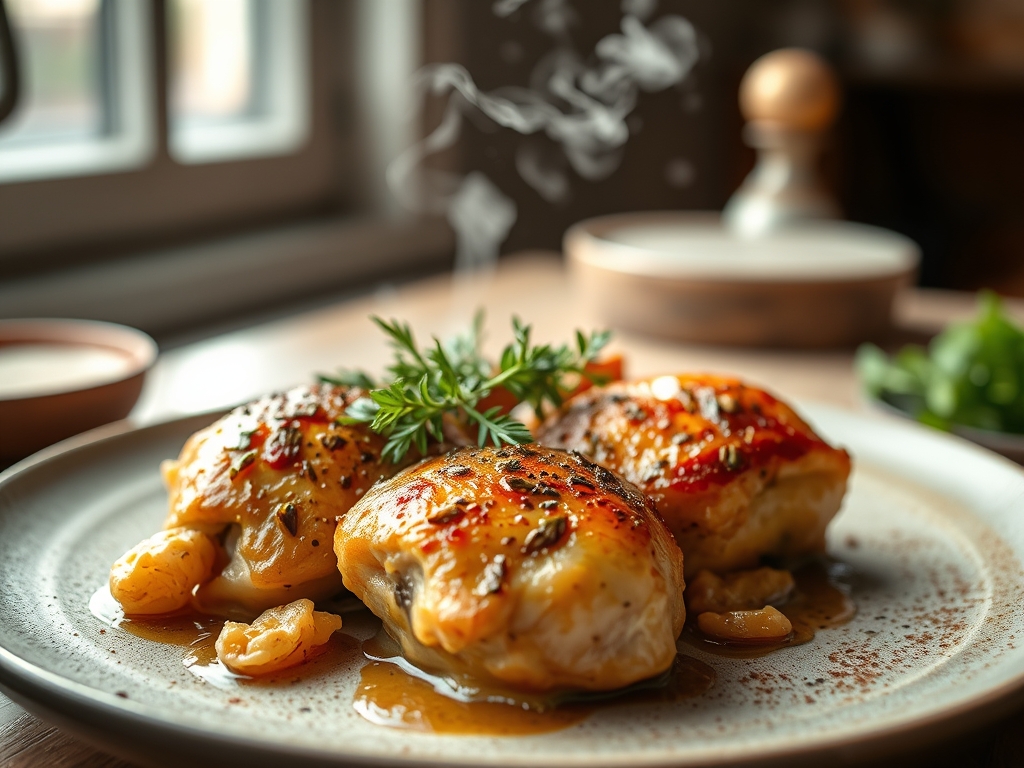
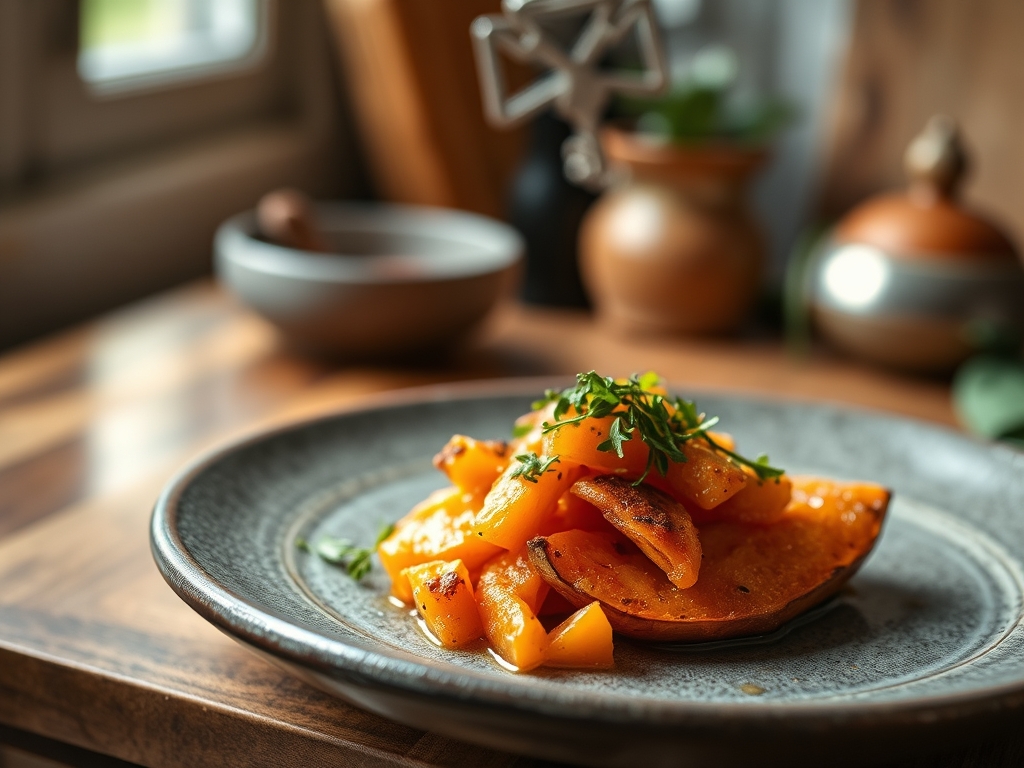
Picture a kitchen filled with the scent of caramelized sugars and toasted earth. We are moving far beyond the basic holiday mash to explore truly different sweet potato recipes that redefine this tuber. Imagine a crispy, salt-flecked skin yielding to a center so creamy it mimics a custard. This is culinary alchemy, where high heat meets complex carbohydrates to create something transcendent.
The sweet potato is a botanical marvel. Unlike the standard white potato, it is packed with amylase enzymes that break down starches into maltose as it heats. This natural transformation is our secret weapon. Whether we are shaving them into translucent ribbons or dehydrating them into chewy, jerky-like snacks, we are manipulating cell structures to achieve maximum flavor. You are about to master ten distinct ways to flip the script on this pantry staple. We will use everything from high-velocity roasting to delicate emulsification to ensure your kitchen smells like a five-star bistro. Grab your apron and your sharpest chef knife; we are diving into the deep end of flavor chemistry.
The Gathers:
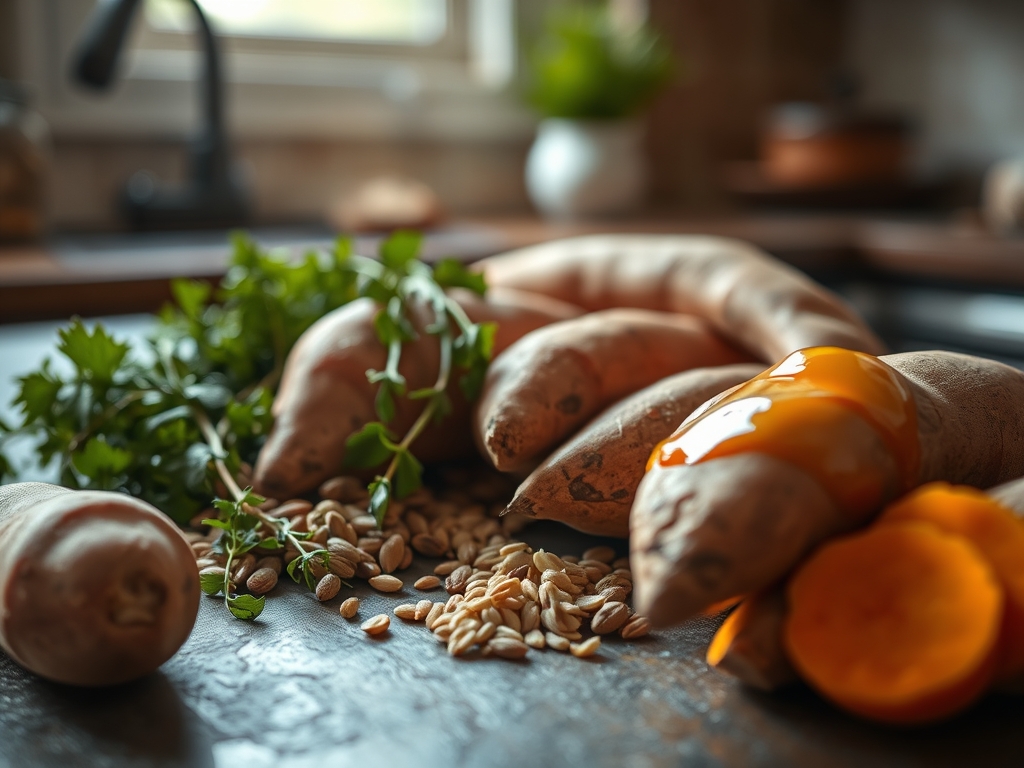
To execute these different sweet potato recipes, your mise-en-place must be precise. Start with firm, unblemished Garnet or Jewel varieties. These possess the high moisture content required for gelatinization. You will need high-quality fats like grass-fed butter or cold-pressed coconut oil to carry fat-soluble vitamins. For seasoning, look beyond salt; gather piquant red pepper flakes, earthy cumin, and bright citrus zest to provide acidity.
Smart Substitutions: If you cannot find Garnet potatoes, Japanese Okinawan potatoes offer a dense, starchy texture and a striking purple hue. Instead of maple syrup, try a drizzle of pomegranate molasses to add a viscous, tart complexity. For a vegan binder in our more structural recipes, a "flax egg" works, but aquafaba (the liquid from canned chickpeas) provides superior aeration and lift for souffles or pancakes.
The Clock:
Efficiency in the kitchen is about understanding the "Chef's Flow." Total active prep time for these hacks averages 25 minutes, but the passive cooking time is where the magic happens. A standard roast takes 45 minutes at 400 degrees Fahrenheit, while a slow-dehydration "jerky" hack requires four hours at a low 175 degrees.
The flow is simple: start with your longest-running thermal process first. If you are making the Sweet Potato Toast or the Slow-Roasted Wedges, get them in the oven immediately. While the Maillard reaction browns the exteriors, use your microplane to zest aromatics or your digital scale to measure dry ingredients for a sweet potato flatbread. This staggered approach ensures that by the time your timer dings, your garnishes are prepped and your workspace is clean.
The Masterclass:
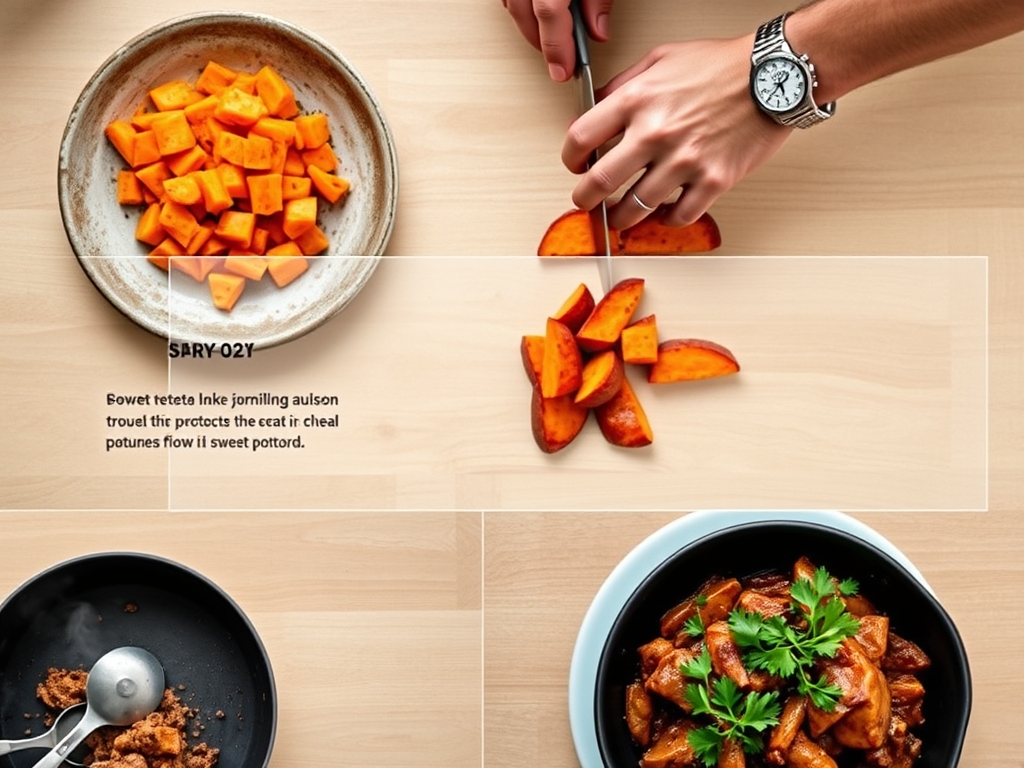
1. The Hasselback Precision Cut
Place the potato between two wooden spoons. Use a sharp chef knife to slice thin rounds, stopping when the blade hits the spoons. This creates a fan effect that increases surface area for crisping.
Pro Tip: This technique utilizes thermal radiation. By increasing the surface area, you allow dry heat to penetrate the core faster while the edges undergo intense browning.
2. The Microplane Shave for "Carpaccio"
Using a mandoline or a steady hand, shave raw sweet potatoes into paper-thin discs. Marinate them in lime juice and chili oil for twenty minutes.
Pro Tip: The acid in the lime juice initiates denaturation, softening the tough cellulose fibers without the need for heat, resulting in a "cooked" texture that remains crisp.
3. The Sweet Potato "Toast" Base
Slice the potato lengthwise into half-inch planks. Pop them into a high-heat toaster or oven until the edges are charred and the center is tender.
Pro Tip: This relies on evaporative cooling. The moisture inside the slice keeps the center from burning while the outside reaches the high temperatures needed for caramelization.
4. The Whipped Miso Emulsion
Boil peeled chunks until soft, then transfer to a high-speed blender with white miso paste and a splash of coconut milk. Blitz until the texture is glassy and smooth.
Pro Tip: Miso adds umami through fermentation, which balances the potato's sweetness. The high-speed blades emulsify the fats and starches into a perfectly stable, viscous puree.
5. The Dehydrated "Jerky" Strips
Steam thick batons for five minutes, then bake at the lowest possible oven setting for four hours. The result is a chewy, nutrient-dense snack.
Pro Tip: This process involves retrogradation. As the starches cool and dry, they realign into a chewy structure that is highly resistant to spoilage.
6. The Savory Gnocchi Fold
Mix roasted potato flesh with ricotta and "00" flour. Use a bench scraper to portion the dough into small pillows before boiling.
Pro Tip: Avoid overworking the dough to prevent gluten development. You want a delicate crumb, not a rubbery texture; only mix until the ingredients just converge.
7. The Cast-Iron Smashed Disk
Boil small potatoes whole, then use a heavy-bottomed skillet to crush them flat. Fry in clarified butter until the "shattered" edges turn golden.
Pro Tip: Crushing the potato creates jagged edges that maximize the Maillard reaction, creating hundreds of tiny, crunchy peaks that hold salt perfectly.
8. The Spiralized "Noodle" Sauté
Use a spiralizer to create long strands. Flash-sauté in a hot pan with garlic and ginger for only three minutes.
Pro Tip: Short exposure to high heat prevents the pectin from breaking down completely, ensuring your "noodles" stay al dente rather than turning into mush.
9. The Sweet Potato "Frosting"
Blend steamed sweet potato with cocoa powder and maple syrup. The natural starches provide a thick, fudge-like consistency without heavy cream.
Pro Tip: The amylopectin in the potato acts as a natural thickener, creating a stable network that mimics the mouthfeel of traditional buttercream.
10. The Salt-Crust Bake
Bake whole potatoes buried in a mound of kosher salt. The salt forms a pressurized oven around the skin.
Pro Tip: The salt crust facilitates conduction while trapping steam, which seasons the potato deeply and results in a fluffy, dry interior texture.
The Deep Dive:
From a macro perspective, sweet potatoes are a powerhouse of complex carbohydrates and Vitamin A. They provide sustained energy without the insulin spikes associated with refined sugars. For those following a Keto diet, keep portions small and pair with high-fiber fats. For Vegan enthusiasts, these tubers are the ultimate "meat" replacement due to their dense, satisfying texture when roasted.
The Fix-It: If your potatoes are soggy, you likely overcrowded the pan, trapping steam. Give them space! If they are bitter, you may have charred the skin too fast; lower the rack in your oven. If the puree is grainy, pass it through a fine-mesh chinois to remove any fibrous vascular bundles.
Meal Prep: To reheat, avoid the microwave as it turns starches gummy. Instead, use a toaster oven or a dry skillet. This restores the crispness of the exterior while gently warming the interior through convection, maintaining that "day-one" quality.
The Wrap-Up:
Mastering different sweet potato recipes is about more than just cooking; it is about understanding the physics of food. From the crunch of a smashed disk to the silkiness of a miso emulsion, these hacks prove that the humble sweet potato is the most versatile player in your pantry. Go forth, experiment with these textures, and turn your next dinner into a scientific masterpiece!
The Kitchen Table:
How do I stop sweet potatoes from getting mushy?
Ensure you pat the slices dry before cooking. Excess surface moisture creates steam, which prevents the Maillard reaction. Always roast in a single layer with plenty of space between pieces to allow for proper air circulation.
Can I eat the skin of the sweet potato?
Yes, the skin is highly nutritious and contains significant fiber. When roasted at high heat with a light coating of oil, the skin becomes pleasantly crisp and adds an earthy contrast to the sweet interior flesh.
What is the best way to store cut sweet potatoes?
If you have prepped your slices early, submerge them in a bowl of cold water and store them in the refrigerator. This prevents enzymatic browning and keeps the starches crisp until you are ready to apply heat.
Why do my sweet potatoes take so long to bake?
Sweet potatoes are dense. To speed up the process, prick the skin with a fork to allow steam to escape, or use a heavy-bottomed skillet to start them on the stovetop before moving them to a hot oven.