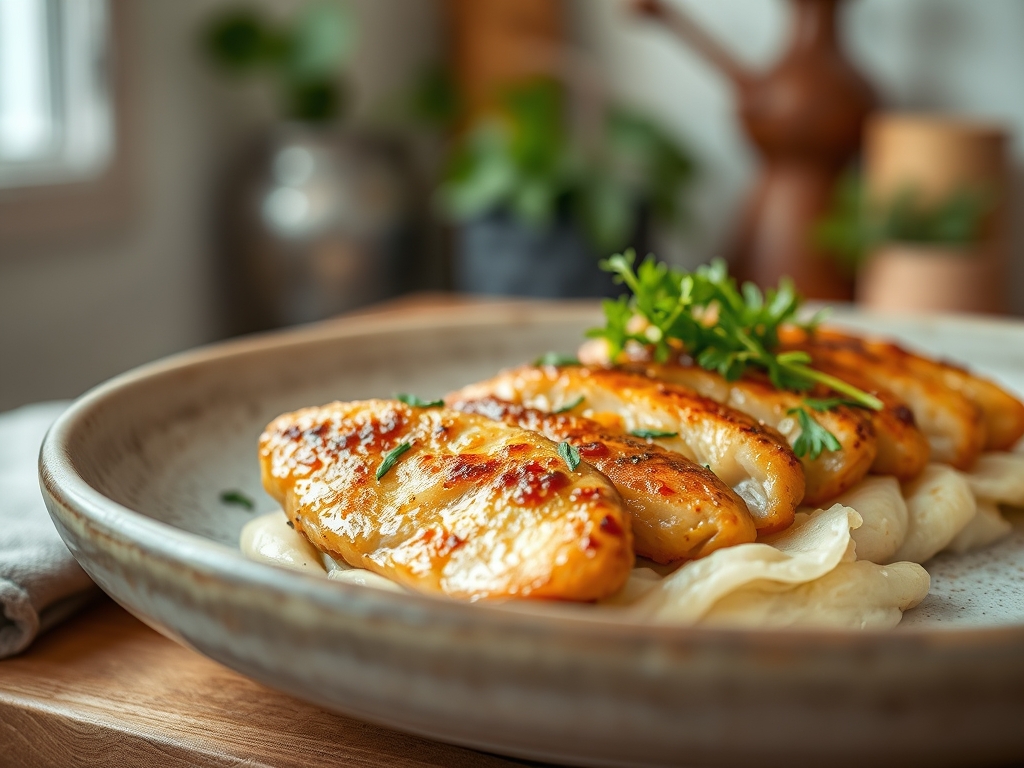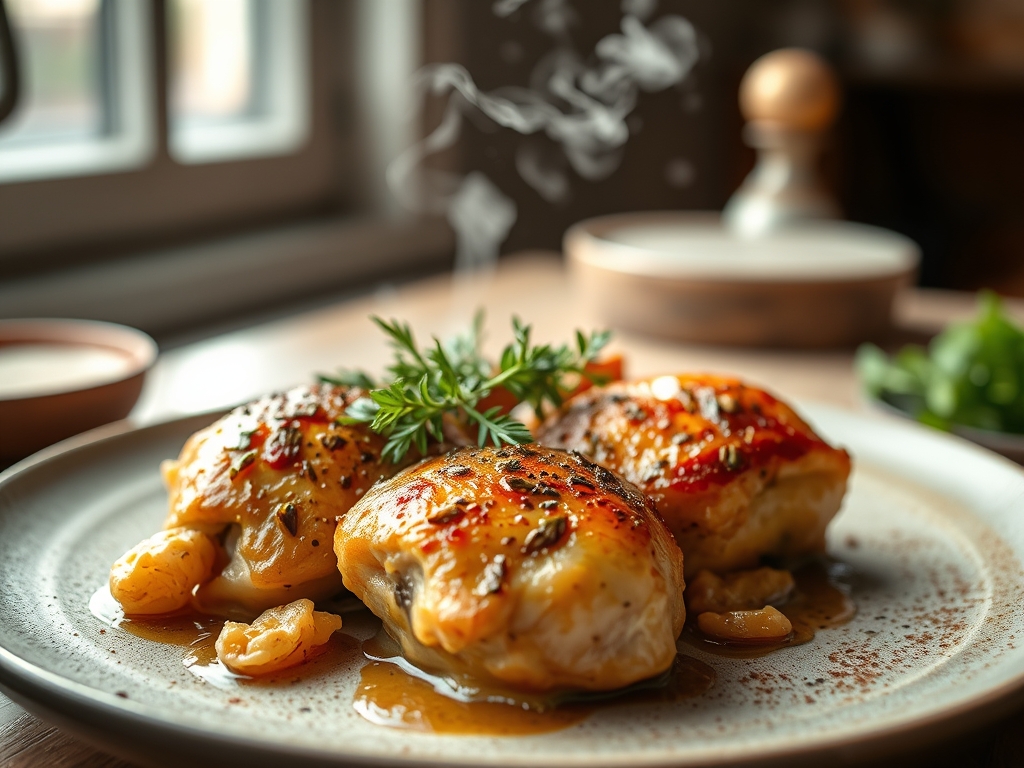
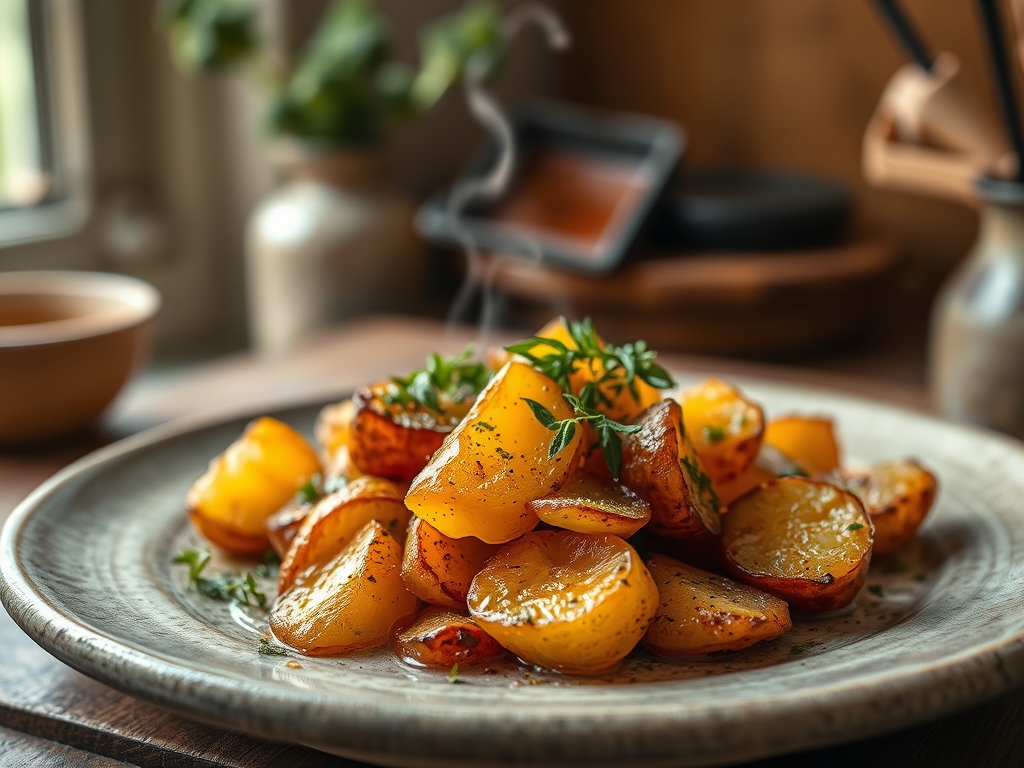
Imagine the scent of scorched butter and earthy cumin wafting through a sun-drenched kitchen. Turkish potato recipes are not just side dishes; they are a masterclass in texture and spice. From the crispy, golden edges of roasted medallions to the velvet silkiness of a spiced mash, these dishes define the soul of Anatolian comfort food.
The Gathers:
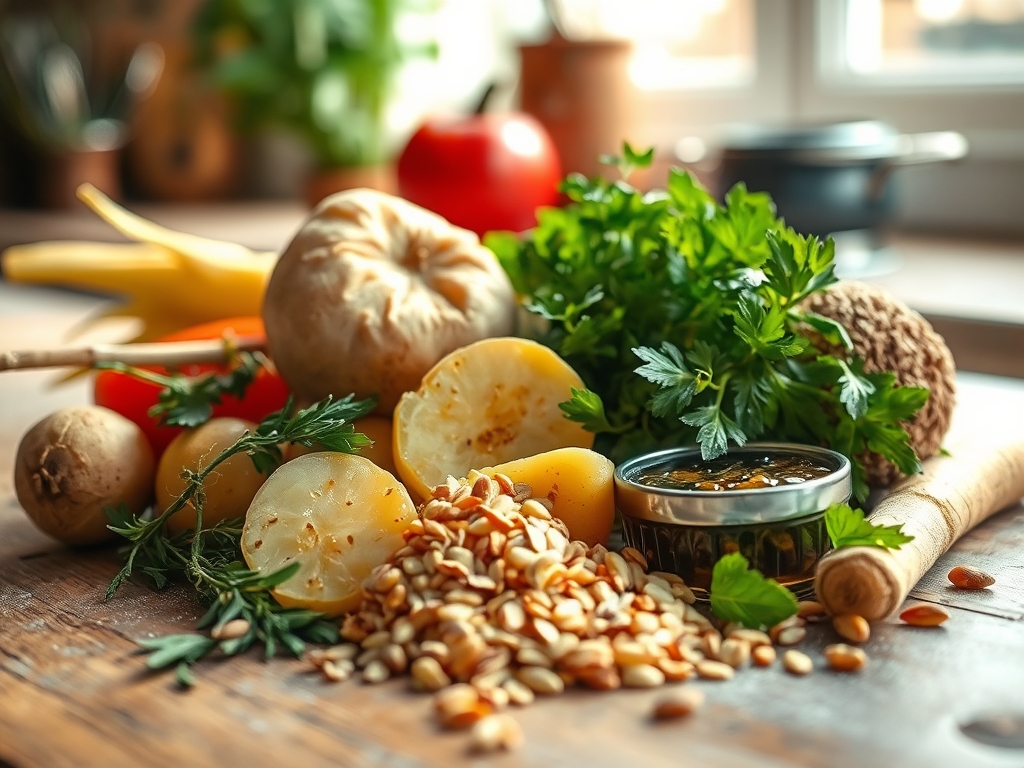
To master these nine classics, you must treat your mise-en-place like a laboratory setup. We start with high-starch Russets or buttery Yukon Golds. The starch content is vital because we rely on the amylopectin breakdown to achieve that signature creamy interior. You will need a heavy-bottomed skillet to ensure even heat distribution and prevent localized scorching.
Your pantry must include Aleppo pepper (pul biber) for its mild, fruity heat and sumac for a piquant, acidic finish. Freshness is non-negotiable; use a microplane to zest lemons and grate garlic into a fine paste. For fats, we use a combination of extra virgin olive oil and clarified butter (ghee). The olive oil provides a high smoke point while the butter allows for the Maillard reaction to develop deep, nutty flavor profiles.
Smart Substitutions: If you cannot find Aleppo pepper, mix three parts sweet paprika with one part cayenne. For a vegan twist, swap the yogurt base with a high-fat cashew cream fermented with lemon juice to mimic the lactic tang of traditional Turkish labneh.
The Clock:
Efficiency in the kitchen is about understanding the Chef's Flow. Total preparation for a spread of these classics takes approximately 45 minutes, with an active cooking time of 60 minutes.
Start by parboiling your potatoes. This is the most critical phase. By simmering them in alkaline water (add a pinch of baking soda), you break down the pectin on the surface. This creates more surface area for crisping later. While the potatoes simmer, use your bench scraper to clear your workstation and prep the herb oils. This overlapping workflow ensures that by the time the potatoes are ready for the oven or the pan, your aromatics are already infused and ready to coat.
The Masterclass:
1. The Alkaline Parboil
Place your cubed potatoes in cold water and bring to a boil. Adding salt at this stage is essential for osmotic seasoning, ensuring the potato is flavored from the core to the surface.
Pro Tip: Adding baking soda raises the pH of the water. This breaks down the potato's exterior starch more efficiently, creating a fuzzy surface layer that dehydrates into a glass-like crunch when roasted.
2. Rendering the Aromatics
In a saucier, melt your butter over medium heat until the milk solids begin to brown. Add your garlic paste and spices. You are looking to bloom the spices, which releases fat-soluble flavor compounds that raw spices simply cannot provide.
Pro Tip: Watch for the "foaming" stage of the butter. This indicates water evaporation. Once the foam subsides, the temperature rises rapidly; add your spices immediately to prevent burning the garlic.
3. The High-Heat Roast
Transfer the parboiled potatoes to a preheated baking sheet. Use tongs to ensure every piece is coated in the infused oil. Roast at 425 degrees Fahrenheit.
Pro Tip: Avoid overcrowding the pan. If the potatoes are too close, they will steam rather than roast. Air circulation is required to trigger the evaporative cooling necessary for a hard, crispy crust.
4. The Emulsified Yogurt Fold
For the creamy "Kumpir" style dishes, mash the hot potatoes and fold in cold yogurt and butter. The goal is to create a stable emulsion where the fat molecules are suspended in the potato starch.
Pro Tip: Use a digital scale to measure your yogurt. Too much moisture will break the starch bonds, resulting in a gummy texture rather than a fluffy one.
5. The Acidic Finish
Just before serving, hit the potatoes with a spray of lemon juice or a dusting of sumac. This cuts through the heavy lipids and brightens the earthy notes of the potato.
Pro Tip: This is known as flavor balancing. The acid acts as a chemical contrast to the fats, making the dish feel lighter on the palate despite its caloric density.
The Deep Dive:
When we look at the macro profile, these Turkish potato recipes provide a robust source of complex carbohydrates and potassium. A standard serving contains roughly 280 calories, 12 grams of fat, and 4 grams of fiber.
Dietary Swaps: For a Keto-friendly version, replace 50 percent of the potatoes with cauliflower florets. The cauliflower mimics the texture when roasted with the same spice profile. For Gluten-Free diners, these recipes are naturally safe, provided your spices are certified pure and free from anti-caking agents containing wheat.
The Fix-It:
- Gummy Mash: This happens when you overwork the starch. Fix it by spreading the mash on a tray and baking it for five minutes to dehydrate the excess moisture.
- Burnt Spices: If your Aleppo pepper turns black, the oil is ruined. Discard and start over; there is no way to mask the bitterness of scorched spices.
- Soggy Potatoes: If they aren't crunchy, your oven wasn't hot enough. Crank the heat to 450 and move the tray to the bottom rack for a final five-minute blast of conductive heat.
Meal Prep: To reheat, avoid the microwave. The waves agitate water molecules, making the starch soggy. Instead, use an air fryer or a dry skillet. This re-activates the fats and restores the structural integrity of the crust for "day-one" quality.
The Wrap-Up:
Mastering Turkish potato recipes is about respecting the chemistry of the humble tuber. By controlling the pH of your boiling water and the temperature of your roasting surface, you transform a basic root vegetable into a culinary icon. These dishes are bold, bright, and deeply satisfying. Now, grab your heavy-bottomed skillet and get to work; your kitchen is about to smell like a seaside bistro in Istanbul!
The Kitchen Table:
Why are my roasted potatoes sticking to the pan?
This usually happens due to starch-surface bonding. Ensure your pan is preheated before adding the potatoes. A hot surface creates an immediate sear, preventing the potato from fusing to the metal. Always use enough fat to lubricate the contact points.
Can I make these recipes ahead of time?
You can parboil and coat the potatoes in oil up to 24 hours in advance. Store them in the refrigerator. This actually improves the final crunch because the cold air dehydrates the surface starch, leading to better Maillard browning.
What is the best potato variety for Turkish cooking?
For frying and roasting, choose Russets for their high starch content. For salads or stews, use Yukon Gold or red-skinned potatoes. These varieties hold their shape during long simmering processes due to their lower starch-to-water ratio.
How do I get the spice flavor deep into the potato?
Use the infusion technique. Instead of dusting dry spices over the top, bloom them in warm oil or butter first. The fats carry the flavor compounds deep into the porous surface of the cooked potato, ensuring every bite is seasoned.