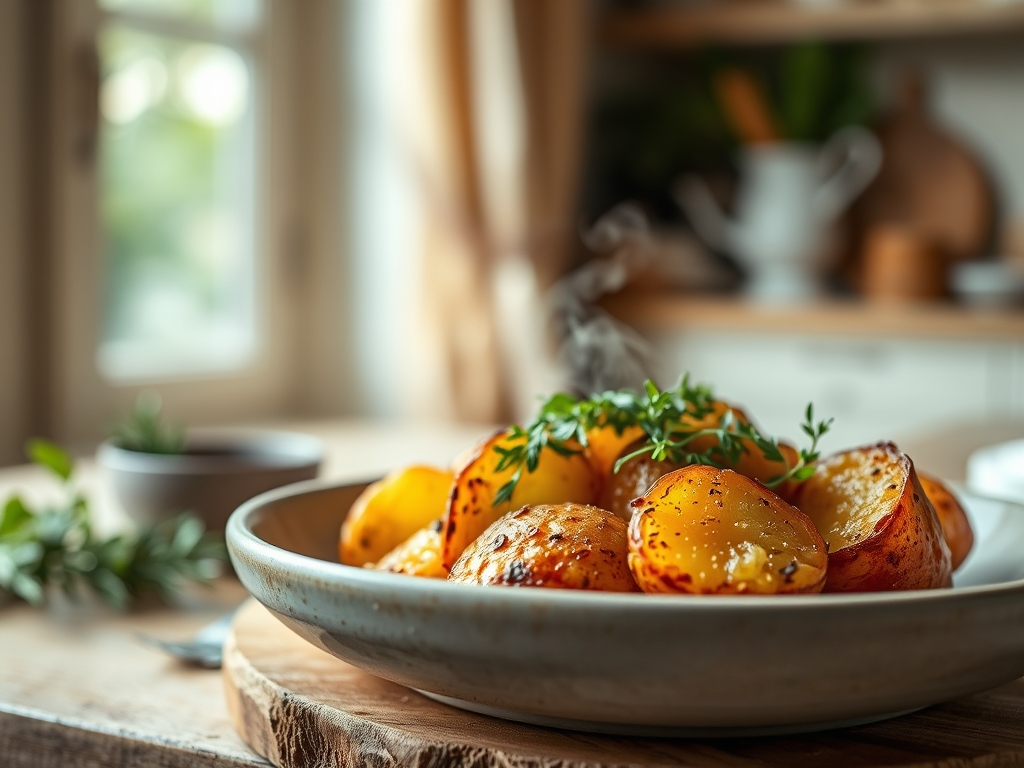
Imagine the scent of charcoal smoke drifting through the heavy summer air while a cold drink beads with condensation in your hand. There is a primal joy in the crackle of the grill; however, we both know that the protein is merely the opening act. The real star of the show is the humble tuber. Finding the perfect potato recipes for cookout success requires more than just boiling a few Russets; it demands an understanding of starch structures and acid balances. Whether you are craving a crisp, golden crust that shatters under the teeth or a creamy, herb-flecked salad that cuts through the richness of a smoked brisket, the potato is your most versatile canvas. We are moving beyond the soggy, over-mayoed tubs of the past. Today, we are engineering textures that hold up under the sun and flavors that pop with piquant brightness. Let us transform your backyard gathering into a masterclass of culinary chemistry.
The Gathers:
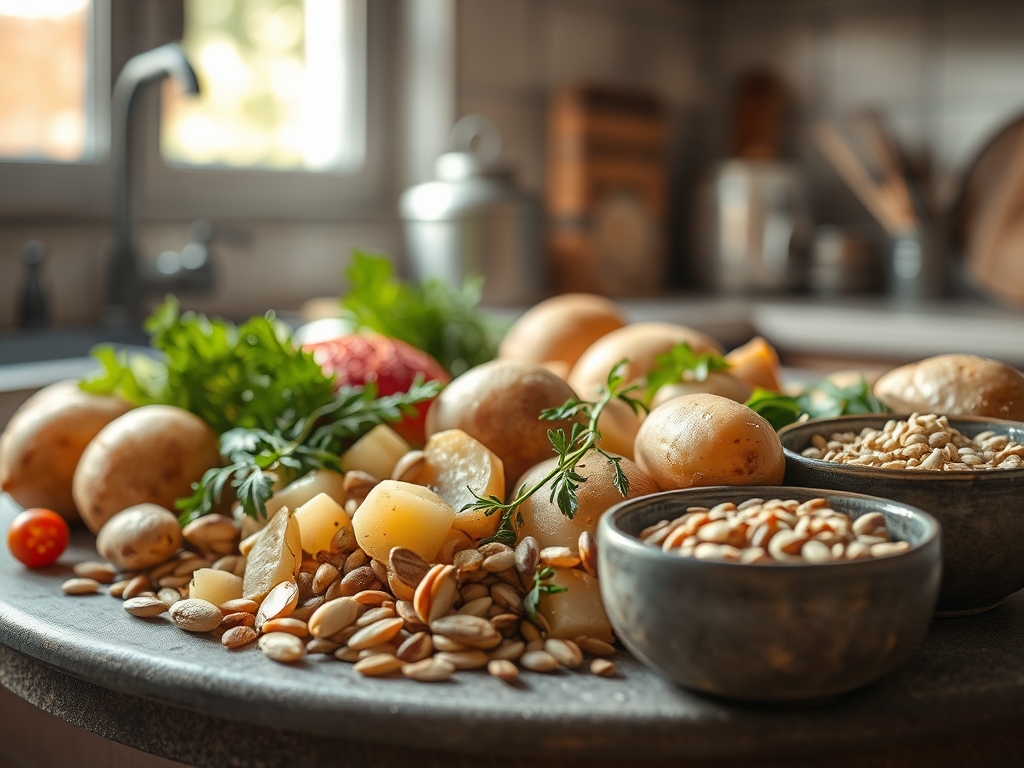
To execute these ten variations, your mise-en-place must be precise. Start with your varietals. For structural integrity in salads, reach for waxy Yukon Golds or Red Bliss potatoes; their low starch and high moisture content prevent them from disintegrating into mush. If you are aiming for a fluffy interior in grilled wedges, the high-starch Russet is non-negotiable. You will need high-quality fats: unsalted European-style butter for its lower water content and a high-smoke-point oil like avocado oil for searing.
Gather your aromatics. Fresh dill, chives, and flat-leaf parsley provide the volatile oils necessary for a bright finish. For the chemical "kick," have champagne vinegar and Dijon mustard on standby to emulsify your dressings. Smart Substitutions: If you are dodging dairy, a silken tofu base blended with lemon juice provides the same viscous mouthfeel as heavy cream. For a lower glycemic index, substitute half the potatoes with firm cauliflower florets; they mimic the texture while absorbing the infused oils beautifully. Use a microplane to zest citrus and grate garlic into a fine paste, ensuring even distribution without the bite of raw chunks.
The Clock:
Efficiency in the kitchen is about managing the Chef's Flow. Total active prep time for these recipes averages 25 minutes, but the secret lies in the parboiling phase. By pre-cooking your potatoes in heavily salted water for 8 to 10 minutes, you gelatinize the exterior starches. This allows for a rapid 15-minute finish on the grill or in a heavy-bottomed skillet, resulting in a crisp exterior and a creamy center. Total time from pantry to table is roughly 45 minutes. Always allow for a 5-minute "rest" period for hot salads; this allows the potatoes to absorb the dressing through capillary action as they cool.
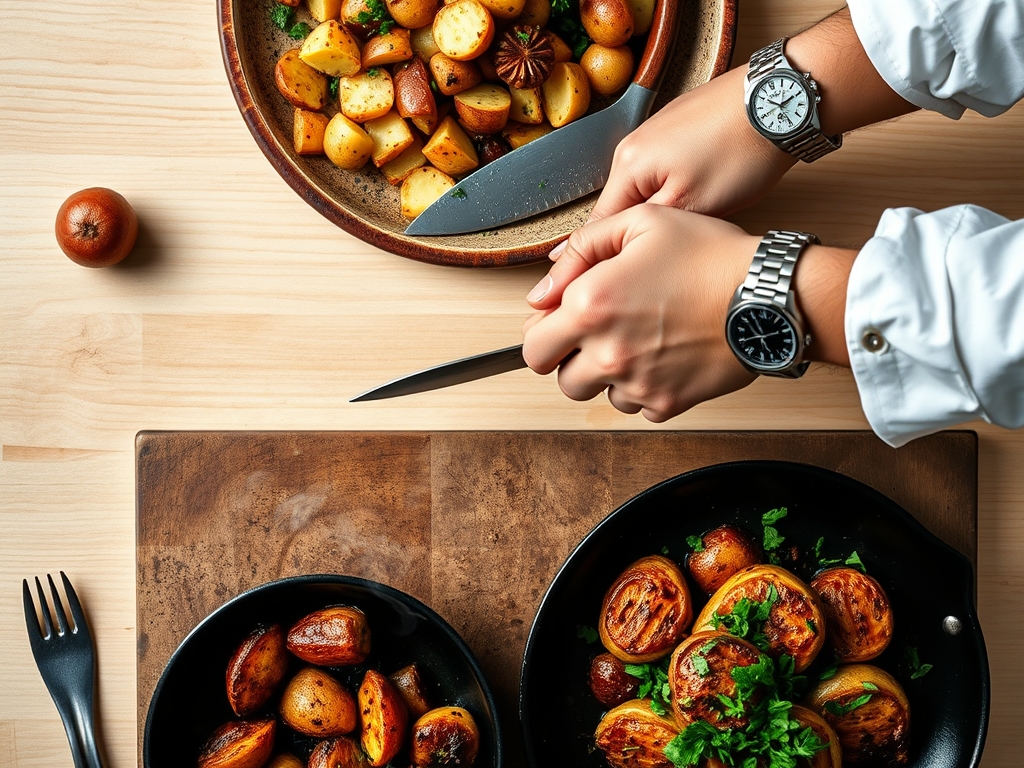
The Masterclass:
1. The Parboil Foundation
Before the heat of the grill touches the skin, you must simmer your potatoes in water seasoned like the sea. Start in cold water to ensure the interior and exterior cook at the same rate.
Pro Tip: Adding a splash of vinegar to the boiling water stabilizes the pectin in the potato cell walls. This prevents the potatoes from falling apart even if you accidentally overcook them by a minute or two.
2. The Surface Area Maximization
Once drained, use a bench scraper to rough up the edges of the potatoes or lightly smash them. This increases the surface area exposed to the heat.
Pro Tip: This technique exploits the Maillard reaction. More surface area means more amino acids and reducing sugars reacting under heat, creating that signature savory, browned crust.
3. The Infusion Phase
While the potatoes are hot, toss them with a fat-based dressing. Use a saucier to warm olive oil with smashed garlic and rosemary before drizzling.
Pro Tip: Thermal carryover allows the potato to continue cooking internally. Applying fats and aromatics during this window ensures the flavors infuse into the core rather than just sitting on the surface.
4. The High-Heat Finish
Transfer the potatoes to the grill or a hot pan. Use tongs to flip them only once to ensure a deep, mahogany crust.
Pro Tip: Avoid overcrowding the pan. Overcrowding creates steam, which leads to enzymatic browning being replaced by soggy dehydration. Space allows moisture to evaporate quickly for maximum crunch.
The Deep Dive:
Macro Nutrition: Potatoes are a powerhouse of potassium and complex carbohydrates. A standard serving provides approximately 150 calories, 3 grams of protein, and 0 grams of fat before the addition of oils. By using Greek yogurt instead of mayo, you can boost the protein density significantly.
Dietary Swaps: For a Keto-friendly alternative, use radishes; when roasted, they lose their peppery bite and take on a texture remarkably similar to red potatoes. For a Vegan crowd-pleaser, use nutritional yeast to provide a "cheesy" umami flavor profile without the lactose.
The Fix-It:
- Soggy Potatoes: If your salad is watery, you likely dressed the potatoes while they were still dripping. Always pat them dry with a lint-free towel after parboiling.
- Bland Center: This is a failure of osmosis. You must salt the boiling water aggressively. The potato cell structure will only take in salt during the cooking process, not after.
- Burnt Garlic: If your garlic bits are bitter, you added them too early. Fold raw, microplaned garlic into the finished dressing rather than frying it with the potatoes.
Meal Prep: To achieve "day-one" quality when reheating, avoid the microwave. The microwave agitates water molecules, making the starch retrogradation turn the potato gummy. Instead, use a toaster oven or air fryer to re-crisp the exterior.
The Wrap-Up:
Mastering potato recipes for cookout season is the ultimate culinary flex. It is the bridge between technical precision and soulful, backyard comfort. By understanding how to manipulate starches and leverage the Maillard reaction, you turn a budget-friendly staple into the most requested dish on the picnic table. Now, grab your digital scale, prep those tubers, and get ready to be the hero of the grill. Your best friends and their taste buds will thank you.
The Kitchen Table:
How do I stop my potato salad from getting watery?
Always drain your potatoes thoroughly and let the steam escape for two minutes before dressing. This prevents excess moisture from thinning your emulsion. Adding a teaspoon of mustard helps stabilize the oils and fats for a creamy, viscous coating.
What is the best potato for grilling?
Yukon Golds are the gold standard. They possess a naturally buttery flavor and a medium-starch content that allows them to crisp up beautifully on the outside while maintaining a dense, velvety interior that does not crumble between the grill grates.
Can I make these potato recipes ahead of time?
Yes. In fact, potato salads often taste better the next day as the flavors infuse deeper. For crispy recipes, parboil and store them in the fridge; then, perform the high-heat sear right before serving for maximum texture.
Why are my roasted potatoes sticking to the pan?
Sticking occurs when the starch has not yet formed a caramelized crust. Use a heavy-bottomed skillet and wait for the potatoes to naturally release from the surface. If they are stuck, they usually need another minute of heat to finish the reaction.