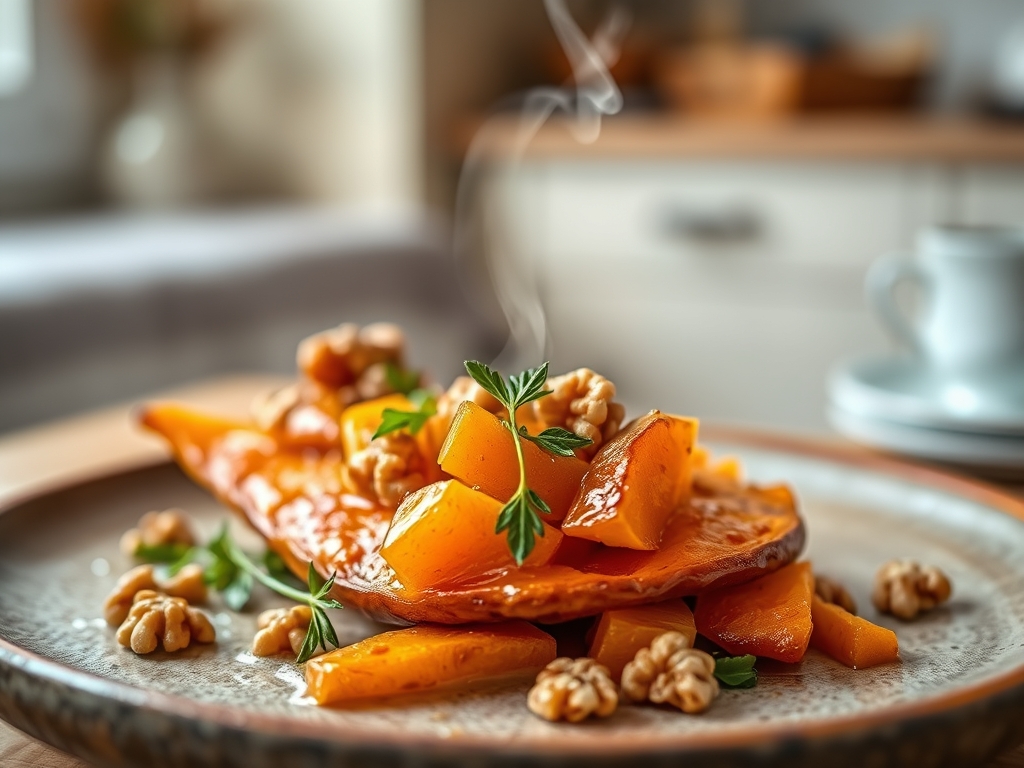
Imagine the scent of caramelized sugars dancing through your kitchen as a heavy-bottomed skillet renders the natural starches of a garnet yam into a golden crust. There is a specific, undeniable magic found in sweet potato recipes with walnuts; it is a masterclass in textural contrast where the velvet softness of the tuber meets the assertive, earthy snap of the nut.
I have spent years obsessing over the exact moment a sweet potato transitions from merely cooked to transcendentally caramelized. It is not just about heat; it is about the chemistry of the Maillard reaction. When you introduce the tannic, buttery profile of walnuts, you create a flavor bridge that spans from savory to sweet. This collection of six blends is designed to elevate your weeknight rotation into a gourmet experience. We are moving beyond the marshmallow-topped clichés of the past and leaning into sophisticated, chef-driven techniques that celebrate the humble root vegetable. Whether you are looking for a piquant breakfast hash or a viscous, honey-glazed side dish, these methods ensure every bite is balanced.
The Gathers:
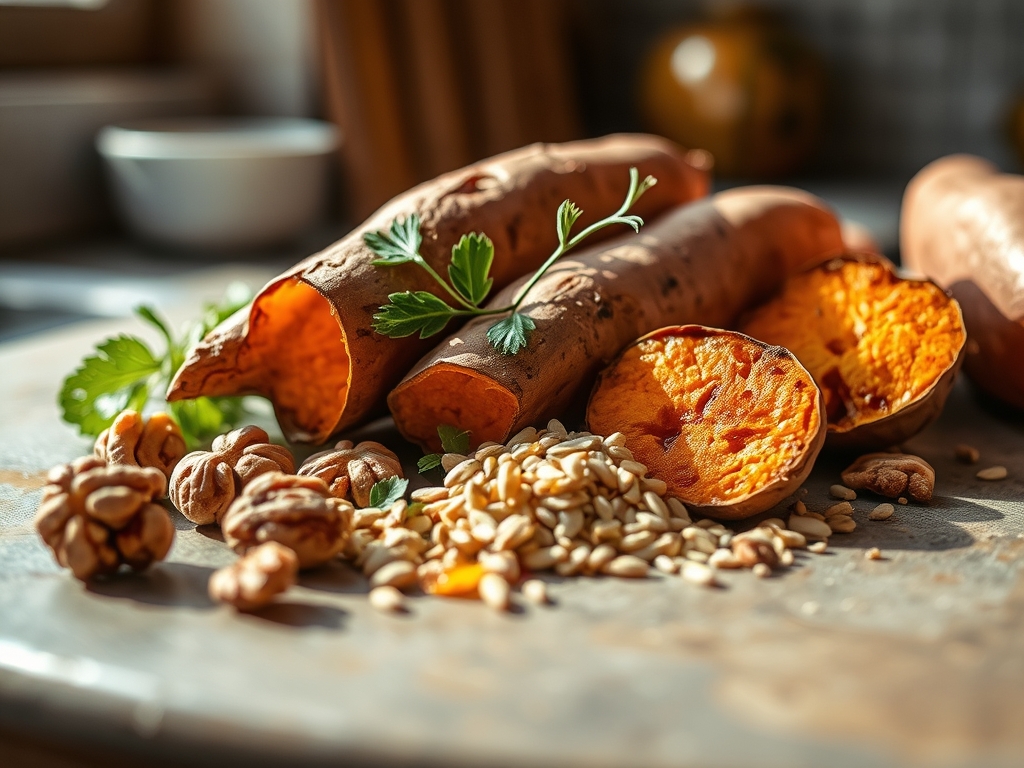
Before we ignite the burners, we must respect the mise-en-place. To achieve the perfect sweet potato recipes with walnuts, you need high-quality ingredients that react predictably under heat. Start with firm, unblemished Beauregard or Jewel sweet potatoes. Their high moisture content allows for a creamy interior while the exterior crisping occurs. For the walnuts, seek out raw halves; pre-toasted nuts often have oxidized oils that turn bitter when subjected to secondary cooking.
You will need high-smoke-point fats like avocado oil or clarified butter (ghee) to ensure you do not scorch the sugars. For aromatics, gather fresh rosemary, a microplane for zesting citrus, and high-quality sea salt. The salt is non-negotiable; it acts as a flavor catalyst that suppresses the bitterness of the walnut tannins.
Smart Substitutions: If you are navigating allergies, toasted pumpkin seeds (pepitas) offer a similar crunch profile. For a lower-glycemic option, swap 20 percent of the sweet potato volume with parsnips; they provide a woody sweetness that complements the walnuts beautifully without the sugar spike.
The Clock
Efficiency in the kitchen is about understanding "Chef's Flow." Total active preparation time for these blends is roughly 20 minutes, with a thermal processing time of 35 to 45 minutes depending on your oven's calibration.
The flow begins with the "Cold Start" prep. While your oven preheats, use a sharp chef's knife or a mandoline to ensure uniform cuts. Uniformity is not just for aesthetics; it ensures that every piece reaches the target internal temperature of 210 degrees Fahrenheit simultaneously. While the potatoes undergo their first roast, you will prepare the walnut infusion. This staggered approach prevents the nuts from over-browning while the potatoes soften.
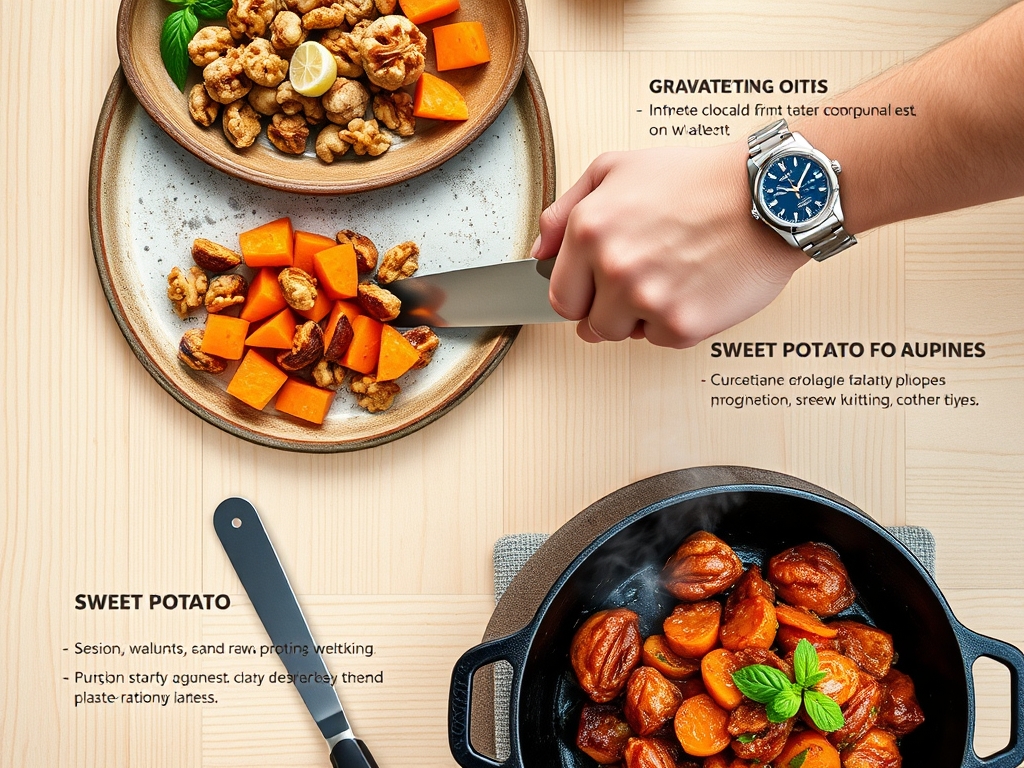
The Masterclass
1. The Precision Cut and Soak
Peel your potatoes and dice them into 1/2-inch cubes using a bench scraper to move them efficiently to a bowl. Submerge the cubes in ice-cold water for ten minutes. This process removes excess surface starch, which is the secret to preventing a gummy exterior.
Pro Tip: This is known as starch retrogradation. By rinsing the surface, you allow the heat to penetrate the cell walls more effectively, leading to a crispier crust.
2. The Thermal Shock
Drain the potatoes and pat them bone-dry with a lint-free towel. Toss them in a saucier with your chosen fat and salt. Spread them on a preheated heavy-duty baking sheet. The sizzle you hear is the sound of moisture evaporating instantly.
Pro Tip: Preheating the pan prevents the potatoes from sticking. It creates an immediate sear that locks in the internal moisture through a process called the Leidenfrost effect.
3. The Walnut Infusion
While the potatoes roast at 425 degrees Fahrenheit, roughly chop your walnuts. In a small bowl, toss them with a hint of maple syrup and a pinch of cayenne. This creates a viscous coating that will caramelize rather than burn.
Pro Tip: Adding a lipid (oil) to the nuts before roasting helps distribute heat evenly across their irregular surfaces, ensuring the centers are toasted without the edges charring.
4. The Integration Phase
At the 25-minute mark, pull the tray. Use metal tongs to flip the potatoes, then scatter the walnut mixture across the top. Return to the oven for the final 10 to 12 minutes.
Pro Tip: This staggered entry accounts for the different density of the ingredients. Walnuts have a lower moisture content and will reach their peak flavor much faster than the dense tubers.
5. The Aromatic Finish
Once removed from the heat, use a microplane to grate fresh orange zest or nutmeg directly over the hot tray. The residual heat will infuse the essential oils from the zest into the dish without cooking out the bright notes.
Pro Tip: This utilizes "volatile aromatics." If you add zest too early, the high heat destroys the delicate flavor compounds. Adding them at the end preserves the piquant finish.
6. The Carryover Rest
Allow the blend to sit on the hot tray for three minutes before serving. This allows the internal steam to redistribute, ensuring the potatoes are creamy all the way through.
Pro Tip: This is "thermal carryover." The internal temperature will continue to rise by about 5 degrees after removal, finishing the cook perfectly without over-browning the exterior.
The Deep Dive
From a macro perspective, this dish is a powerhouse. Sweet potatoes provide complex carbohydrates and high doses of Vitamin A, while walnuts contribute heart-healthy Omega-3 fatty acids and plant-based protein.
Dietary Swaps: To make this Keto-friendly, replace the sweet potato with roasted cauliflower florets. For a Vegan version, ensure you use maple syrup instead of honey and coconut oil instead of butter. To keep it Gluten-Free, simply ensure your spices are certified, as some anti-caking agents contain trace gluten.
The Fix-It:
- Soggy Potatoes: Usually caused by overcrowding the pan. Use two pans to allow for proper air circulation.
- Bitter Walnuts: This happens if the skins burn. If you notice them darkening too fast, tent the tray with foil.
- Bland Flavor: You likely under-salted. Salt the potatoes both before and after roasting to layer the seasoning.
Meal Prep Science: To reheat, avoid the microwave as it turns the walnuts soft and the potatoes rubbery. Instead, use an air fryer or a skillet over medium heat. This "re-crisps" the exterior by evaporating any moisture that migrated from the center of the potato during refrigeration.
The Wrap-Up
Mastering sweet potato recipes with walnuts is about more than just following a list of ingredients; it is about respecting the physics of the kitchen. When you balance the creamy, earthy, and crunchy elements with precision, you create a side dish that steals the spotlight. Don't be afraid to experiment with the aromatics or the fat sources. Cooking is a conversation between your tools and your ingredients, and now you have the vocabulary to make it eloquent. Go forth, get that skillet screaming hot, and enjoy the most sophisticated comfort food in your repertoire!
The Kitchen Table
Can I use canned sweet potatoes for this recipe?
It is not recommended. Canned potatoes are par-cooked and packed in syrup, which prevents them from achieving the necessary crispness. They will likely turn into a mash rather than a structured roast when combined with the walnuts.
How do I prevent the walnuts from burning?
Add the walnuts during the last 10 minutes of roasting. Their high oil content makes them prone to rapid oxidation. By staggering their entry, you ensure they reach a golden-brown state exactly when the potatoes finish.
What is the best way to store leftovers?
Store in an airtight glass container for up to four days. To maintain texture, reheat in a 350-degree oven for eight minutes. This helps the walnuts regain their snap and prevents the potatoes from becoming unpleasantly mealy.
Why should I soak the sweet potatoes first?
Soaking removes surface amylose, the starch responsible for sticking and browning too quickly. By removing it, you allow the potato to develop a thicker, crunchier crust that provides a better structural contrast to the soft walnut pieces.