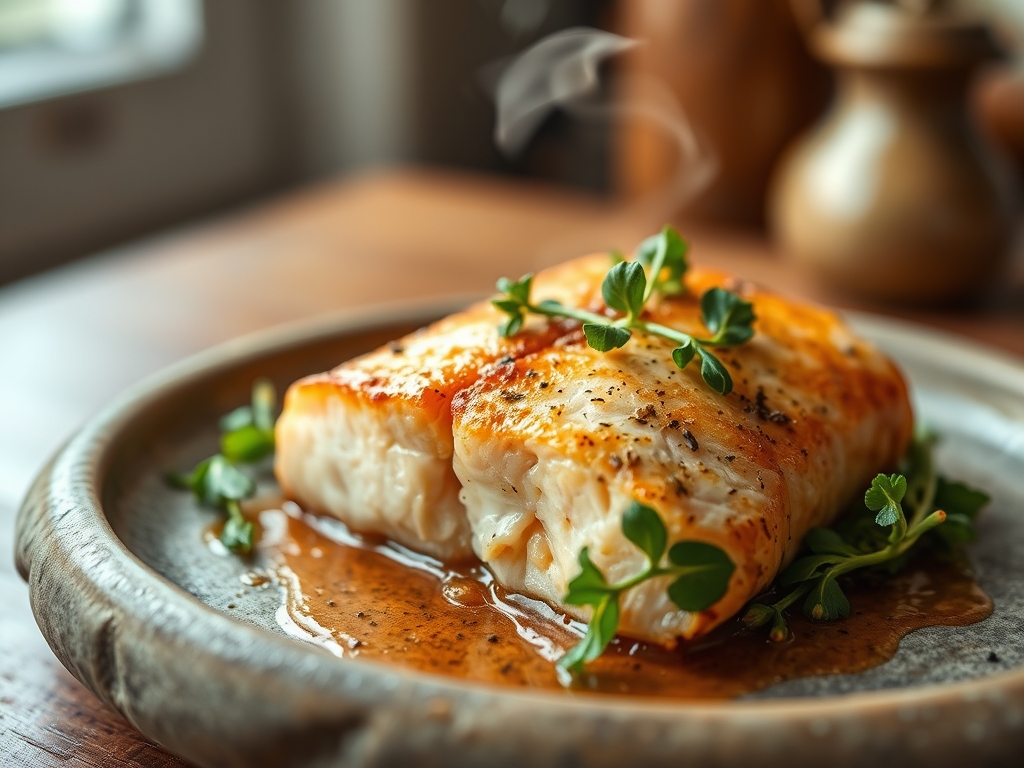
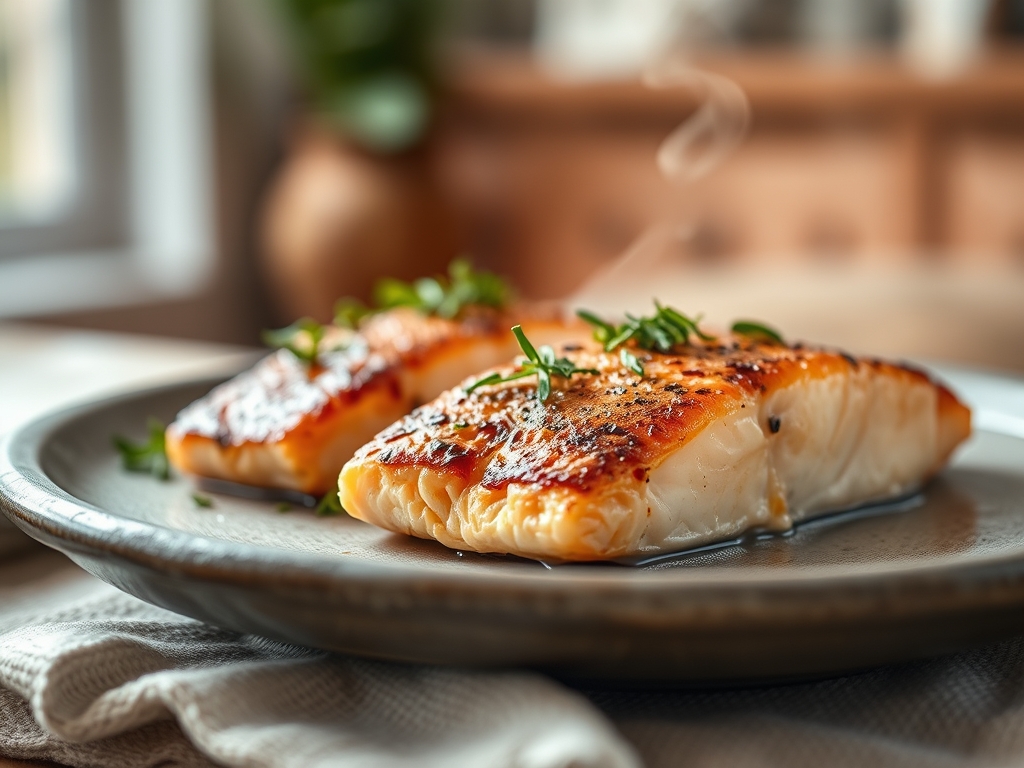
Imagine the scent of smoldering fruitwood drifting across your patio as the sun dips below the horizon. Your recteq is humming at a steady, low temperature; a precision instrument designed to transform a raw fillet into a masterpiece of buttery, smoky perfection. When you dive into recteq salmon recipes, you are not just cooking dinner; you are managing a complex series of thermal reactions that result in silk-on-the-tongue texture. The goal is a delicate balance of smoke infusion and moisture retention. We are looking for that specific moment when the proteins just begin to set, turning the translucent flesh into opaque, shimmering flakes. This is not about charring a piece of fish over a flame. It is about the art of the low-and-slow wood pellet environment. We are going to harness the convective power of your grill to create a crust that snaps and a center that melts. Grab your apron and a cold drink; we are about to turn your backyard into a high-end smokehouse.
The Gathers:
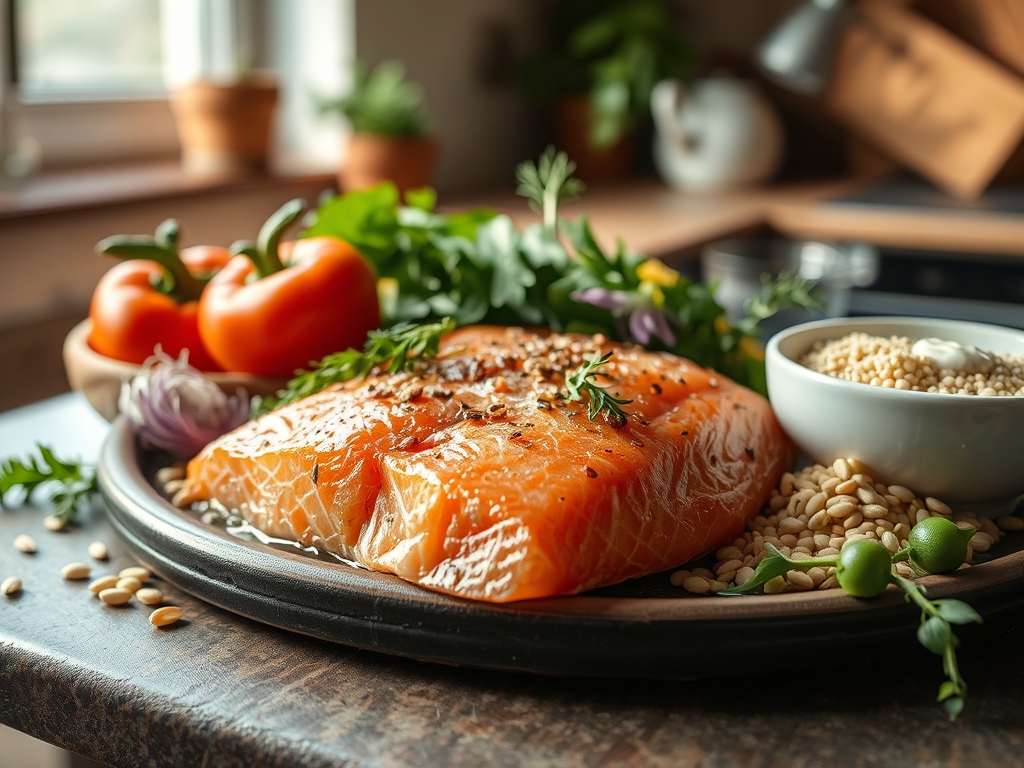
To achieve the ultimate result, your mise-en-place must be clinical. Start with a side of King or Atlantic salmon, preferably skin-on to act as a thermal barrier. You will need high-quality fats; think clarified butter or a viscous avocado oil with a high smoke point. For the seasoning, we are looking for a hygroscopic balance of kosher salt and brown sugar to draw out moisture and create a tacky surface known as a pellicle.
Gather your microplane for zesting citrus, a digital scale for precise brine ratios, and a saucier to simmer your glaze. You will also need a silicone basting brush and a long-offset spatula to handle the delicate fillets without fracturing the muscle fibers.
Smart Substitutions:
If you are avoiding refined sugar, use maple crystals or monk fruit sweetener to achieve that caramelization. No salmon? Steelhead trout is a fantastic anatomical twin that offers a leaner, more piquant profile. If you lack a specific wood pellet blend, pecan provides a nutty depth that mimics the richness of traditional alder wood.
The Clock
Efficiency in the kitchen is all about the Chef's Flow. This is the mental map of your cooking timeline to ensure nothing is rushed. For this masterclass, expect a 15-minute active prep time. This includes trimming the silver skin and portioning the fillets. However, the secret is the 45-minute air-dry phase. This is non-negotiable for skin crispiness.
The actual cook time on the recteq will range from 45 to 60 minutes depending on the thickness of your fish and your desired level of smoke. Finally, factor in a 5-minute rest period. This allows the internal juices to redistribute, ensuring that the first cut does not result in a dry, weeping fillet. Total time from fridge to fork is roughly two hours.
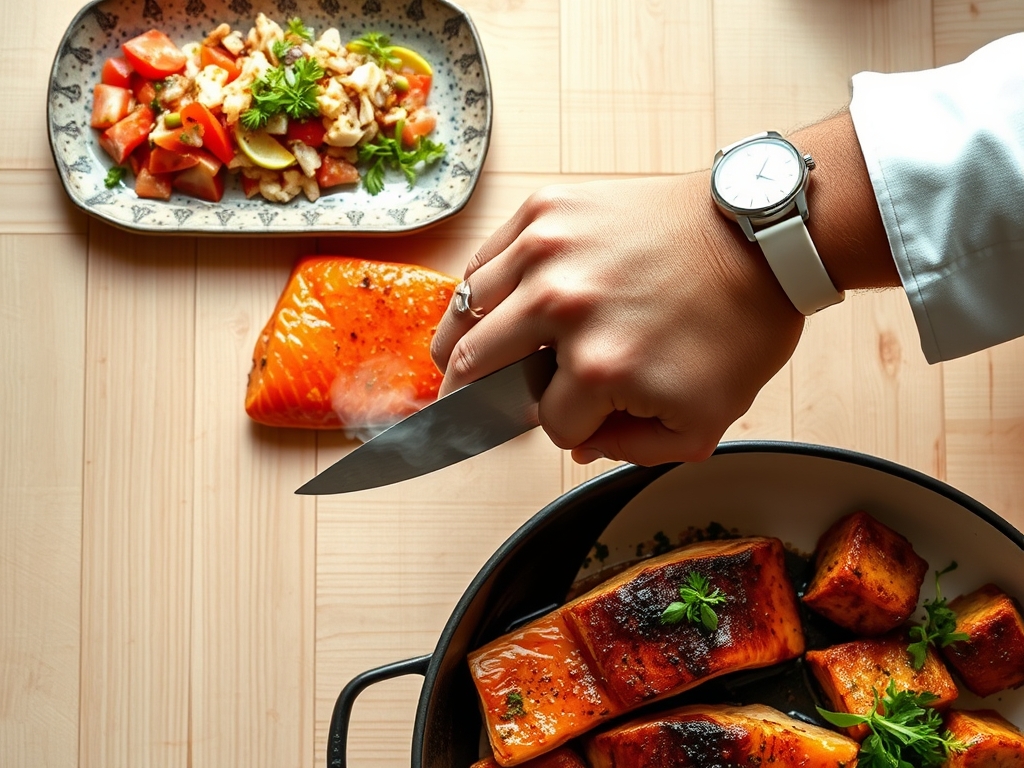
The Masterclass
1. The Pellicle Foundation
Start by patting the salmon bone-dry with paper towels. Apply a thin layer of salt and sugar, then let it sit uncovered in the refrigerator. This process creates a pellicle, a tacky surface layer that allows smoke molecules to adhere more effectively to the proteins.
Pro Tip: This is a form of osmotic dehydration. By drawing moisture to the surface and letting it evaporate, you create a concentrated flavor profile and a "glue" for the smoke.
2. Calibrating the Recteq
Set your grill to 225 degrees Fahrenheit. Ensure your firepot is clear of ash to maintain a clean, blue smoke profile. Avoid "white smoke," which contains bitter creosote that can ruin the delicate fats of the fish.
Pro Tip: Clean combustion is a result of the Le Chatelier principle in heat equilibrium. A steady oxygen flow ensures the pellets burn completely, releasing aromatic phenols rather than soot.
3. The Fat Barrier
Before placing the fish on the grates, use a silicone brush to coat the skin with a high-smoke-point oil. This prevents the skin from sticking and helps it render more effectively during the slow cook.
Pro Tip: This creates a thermal interface. The oil conducts heat more evenly than air, ensuring the skin reaches the temperature necessary to break down collagen into gelatin.
4. Strategic Placement
Place the salmon skin-side down on the coolest part of the grill. This is usually furthest from the firepot. We want the heat to rise through the skin, protecting the delicate flesh from direct thermal shock.
Pro Tip: By using indirect convection, you prevent the rapid contraction of muscle fibers, which would otherwise squeeze out the white albumin (protein) and leave the fish dry.
5. The Internal Monitoring
Use a dual-probe thermometer to monitor both the ambient grill temp and the internal temperature of the thickest part of the fillet. We are aiming for an internal pull temp of 135 degrees Fahrenheit.
Pro Tip: Thermal carryover will continue to cook the fish once removed. Pulling at 135 ensures it reaches a perfect 140 to 145 degrees while resting on the counter.
6. The Glaze Infusion
During the last 15 minutes of cooking, use your saucier to warm a mixture of honey, soy, and ginger. Brush this onto the salmon. The heat of the grill will deglaze the surface proteins and tack the sauce into a lacquer.
Pro Tip: This triggers the Maillard reaction at a lower temperature due to the high sugar content, creating complex savory-sweet aromatic compounds.
7. The Citrus Aeration
Once the fish is pulled, use your microplane to zest fresh lemon or lime over the top. The heat of the fish will aerate the essential oils in the zest, providing a bright olfactory contrast to the heavy smoke.
Pro Tip: Volatile organic compounds in citrus zest are highly heat-sensitive. Adding them at the end prevents them from becoming bitter or evaporating during the long cook.
8. The Texture Check
Use a bench scraper or wide spatula to gently lift the fish. The skin should be rigid and the flesh should yield to gentle pressure without falling apart.
Pro Tip: This is the denaturation of proteins. You want the actin and myosin to have uncoiled just enough to create a soft "flake" without losing their structural integrity.
9. The Rest and Recovery
Let the salmon rest on a warm plate for five minutes. Do not tent it with foil, as this will trap steam and soften the beautifully tacky crust you just worked so hard to create.
Pro Tip: Resting allows the viscosity of the internal fats to stabilize. If you cut too soon, the liquified fats will escape, leaving the muscle fibers feeling stringy.
The Deep Dive
Macro Nutrition:
Salmon is a powerhouse of Omega-3 fatty acids and high-quality protein. A 6-ounce portion typically contains about 350 calories, 34 grams of protein, and 22 grams of healthy fats. It is naturally low in carbohydrates, making it a staple for metabolic health.
Dietary Swaps:
For a Keto version, swap the honey glaze for a lemon-butter-garlic infusion. To make it Vegan, this same smoking technique works wonders on "carrots-as-salmon" or thick slabs of extra-firm tofu that have been pressed to remove moisture.
The Fix-It:
- White Gunk (Albumin): If white spots appear, your heat is too high. Lower the recteq by 15 degrees immediately.
- Stuck Skin: Use a fish spatula to gently saw between the skin and the grate. Next time, ensure the grates are seasoned and the skin is oiled.
- Over-Smoked Taste: If the smoke is too heavy, wrap the fish in butcher paper halfway through to stall the infusion.
Meal Prep & Reheating:
To maintain "day-one" quality, reheat salmon in a low oven (275 degrees) with a splash of water or broth, covered tightly. This creates a steam-convection environment that prevents the fats from oxidizing and becoming "fishy."
The Wrap-Up
Mastering recteq salmon recipes is a rite of passage for any serious backyard chef. It is the perfect marriage of high-tech temperature control and ancient smoke-infusion techniques. When you pull that shimmering, lacquer-coated fillet off the grates, you are serving more than just a meal; you are serving a scientific triumph of texture and taste. Keep your probes calibrated, your pellets dry, and your appetite ready.
The Kitchen Table
How do I prevent my salmon from getting dry on a recteq?
Keep the temperature at 225 degrees and pull the fish when the internal temperature hits 135 degrees. The thermal carryover will finish the job. Using a skin-on fillet also provides a crucial moisture barrier during the smoke.
What are the best pellets for smoking salmon?
Fruitwoods like apple, cherry, or maple are ideal. They provide a subtle, sweet smoke that does not overpower the natural oils of the fish. Avoid heavy woods like hickory or mesquite, which can turn the delicate flesh bitter.
Should I wash my salmon before seasoning?
No. Washing fish spreads bacteria and adds unnecessary surface moisture. Instead, use a paper towel to pat the fillet bone-dry. This is essential for achieving a proper pellicle and ensuring the smoke adheres to the proteins.
How long can I store leftover smoked salmon?
Smoked salmon stays fresh in an airtight container for up to three days. For the best texture, store it as a whole piece rather than flaking it, which prevents the interior from drying out due to air exposure.