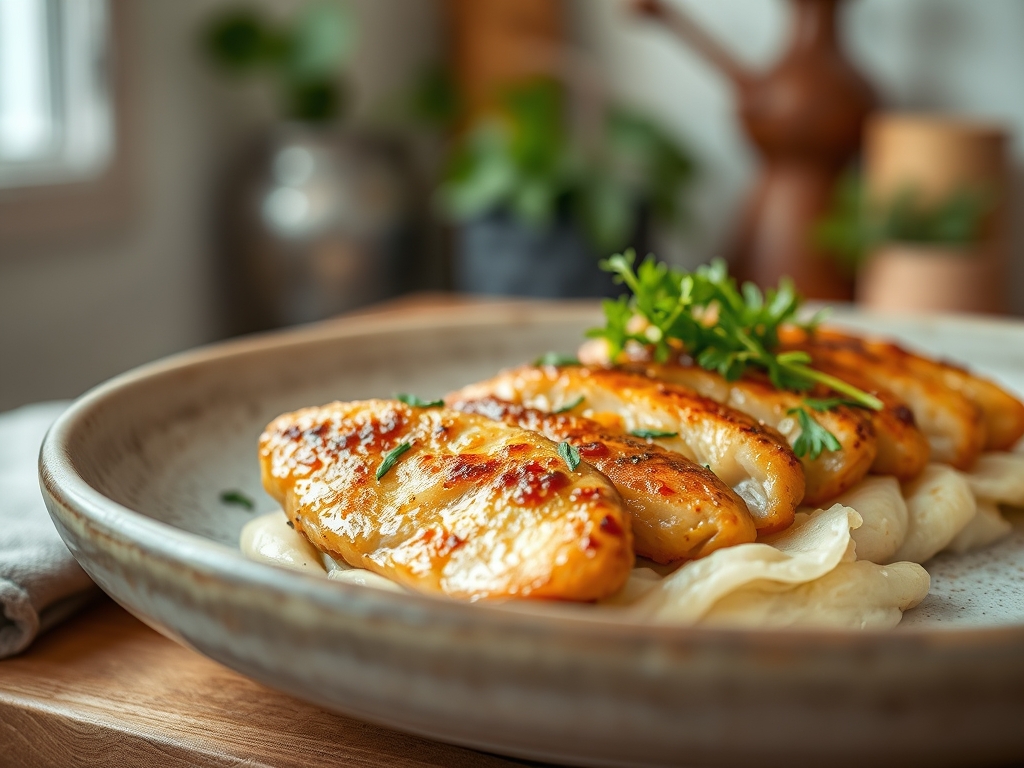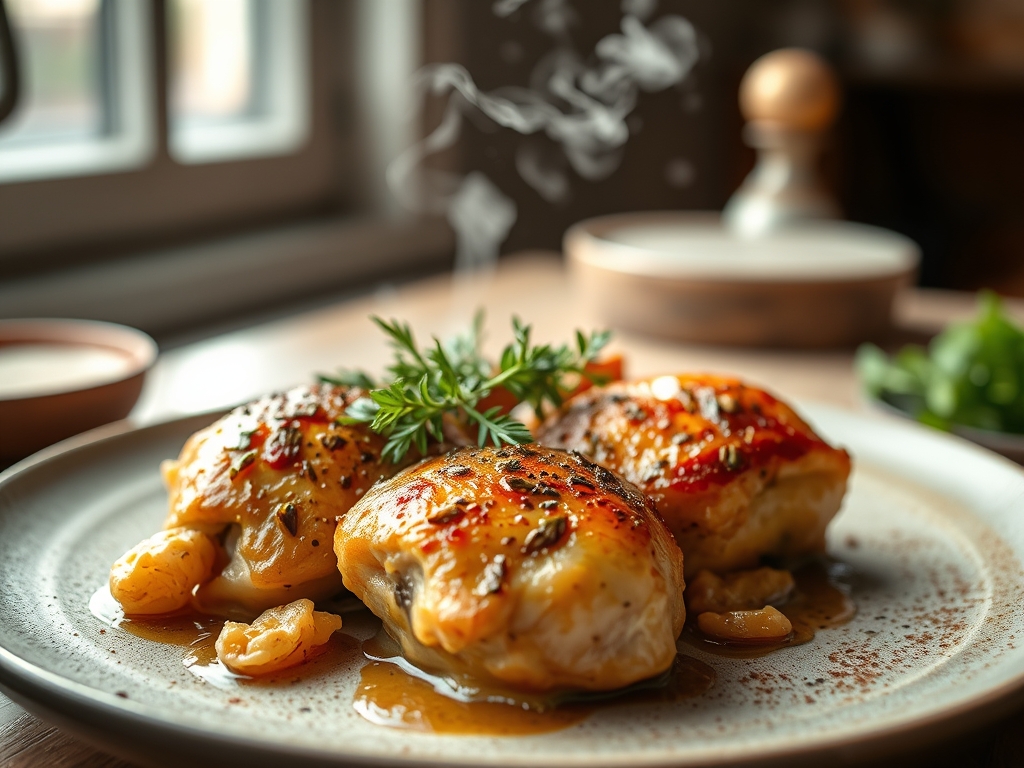
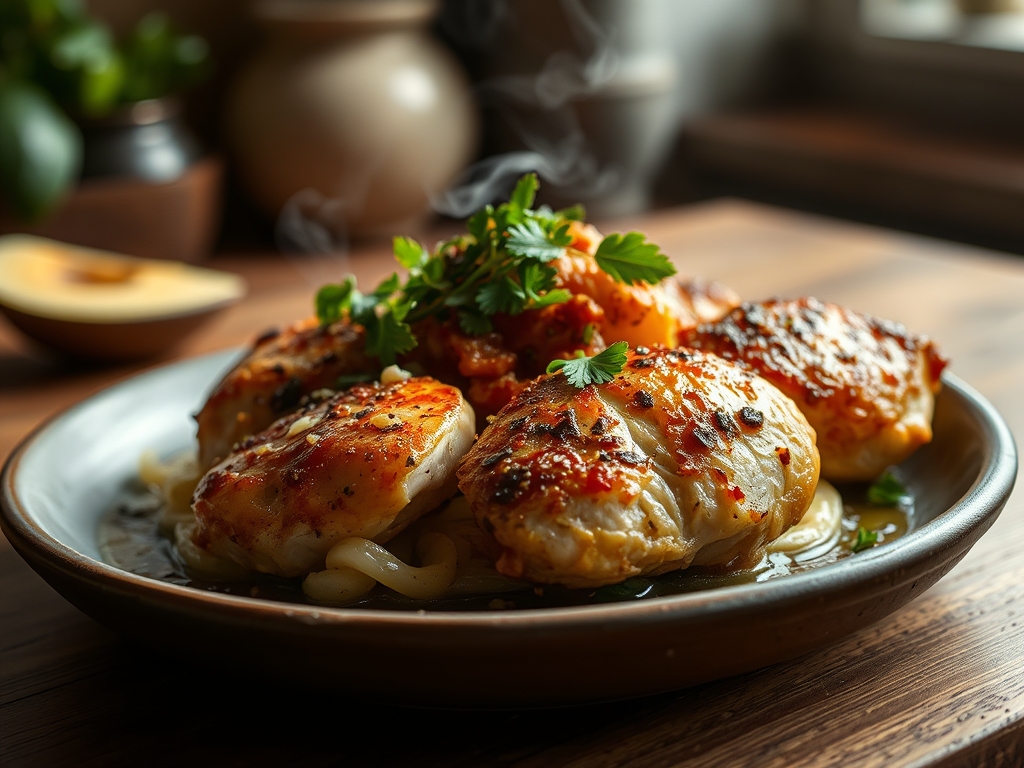
Imagine the steam rising from a ceramic bowl; it is a fragrant cloud of lemongrass, ginger, and toasted aromatics. When you master coconut lime chicken recipes, you are not just making dinner; you are engineering a sensory experience that balances fatty richness with sharp acidity. The slow cooker transforms tough collagen into silk while you go about your day.
The secret to a truly transformative crockpot meal lies in the tension between the heavy creaminess of the coconut milk and the bright, citrusy punch of fresh lime. Most home cooks settle for a flat, one dimensional broth. We are going to build layers of flavor that feel like a high end bistro meal but require the effort of a lazy Sunday. By leveraging the low and slow heat of the crockpot, we allow the essential oils in our spices to fully bloom and infuse into the protein.
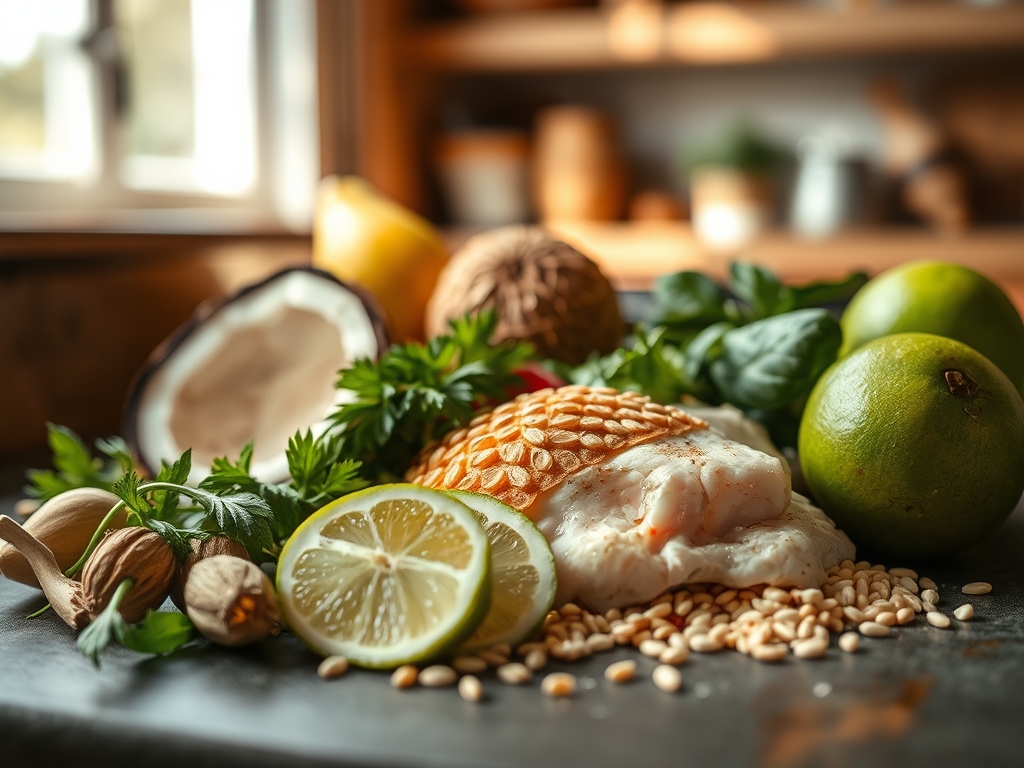
The Gathers:
To begin, we must respect the mise-en-place. Use a digital scale to measure your aromatics for consistency. You will need high quality, full fat coconut milk; the stabilized fats are essential for a viscous mouthfeel. Gather fresh ginger, garlic, and shallots. For the chicken, choose thighs over breasts. The higher fat content and connective tissue in thighs provide a much more forgiving window for long cook times.
Your pantry should yield fish sauce for umami, red curry paste for depth, and fresh cilantro for a final herbal lift. If you do not have fresh ginger, a ginger paste is a functional substitute, though it lacks the piquant bite of the fresh rhizome. For those avoiding nightshades, swap the red curry paste for a blend of turmeric and toasted cumin.
Smart Substitutions: If you are out of coconut milk, heavy cream with a teaspoon of coconut extract works in a pinch. For a lower calorie profile, use light coconut milk but whisk in a teaspoon of cornstarch to maintain the body of the soup. Always use a microplane for your lime zest to avoid the bitter white pith.
The Clock
Efficiency in the kitchen is about the Chef's Flow. Prep time for these six variations should take no more than twenty minutes. The active cooking time is negligible, but the passive time is where the magic happens. Set your crockpot to "Low" for six to eight hours or "High" for three to four hours.
The "Flow" involves prepping all aromatics first using a sharp chef's knife and a bench scraper to move ingredients cleanly to your prep bowls. Once the base is in the pot, your only job is the final ten minute "finish" where we add the delicate greens and the acid. This prevents the lime juice from turning bitter under prolonged heat.
The Masterclass
1. The Aromatic Base Layer
Start by placing your minced garlic, ginger, and shallots at the bottom of the crockpot. If you have five extra minutes, quickly render a small amount of fat in a heavy-bottomed skillet and lightly sauté these before adding them to the pot. This initiates the Maillard reaction, creating complex flavor compounds that raw aromatics cannot achieve.
Pro Tip: This pre-sautéing step utilizes enzymatic browning to transform sulfur compounds in the alliums into sweeter, more savory molecules.
2. Positioning the Protein
Lay your chicken thighs over the aromatics. Season them aggressively with kosher salt. Salt does more than flavor; it denatures the proteins, allowing them to retain more moisture during the long simmer. Pour your coconut milk and chicken stock over the top until the meat is just submerged.
Pro Tip: Use tongs to ensure the chicken is in a single layer. This ensures even heat distribution and prevents "cold spots" where bacteria could potentially linger.
3. The Infusion Phase
Add your "hard" vegetables now. Carrots, bell peppers, or sweet potatoes should go in at the start. These hardy plants require the full duration of the cook time to break down their cellulose walls and become tender. Drop in a stalk of bruised lemongrass or a few kaffir lime leaves for an authentic aroma.
Pro Tip: This is the infusion stage. The low heat gently draws out fat soluble flavor compounds from the spices, distributing them into the coconut milk.
4. The Gentle Shred
Once the timer dings, remove the chicken to a cutting board. Use two forks or a stand mixer with the paddle attachment to shred the meat. It should fall apart with minimal resistance. Return the shredded chicken to the liquid.
Pro Tip: Allow for five minutes of thermal carryover before shredding. This allows the juices to redistribute within the muscle fibers so the meat stays succulent.
5. The Acidic Brightening
This is the most critical step. Switch the crockpot to the "Warm" setting and stir in your fresh lime juice, fish sauce, and a touch of brown sugar. This creates a "triad" of flavor: salt, acid, and sweet. Add your "soft" greens like spinach or bok choy now; the residual heat will wilt them perfectly.
Pro Tip: Acid acts as a molecular "brightener." It breaks through the heavy lipids in the coconut milk to wake up your taste buds.
6. The Final Emulsion
If your broth looks a bit thin, take a cup of the liquid and whisk it with a tablespoon of peanut butter or almond butter in a saucier before stirring it back in. This adds a nutty undertone and creates a more stable emulsion.
Pro Tip: This technique uses proteins and fats as emulsifiers, ensuring the coconut milk does not "break" or separate into an oily mess.
The Deep Dive
From a nutritional standpoint, these coconut lime chicken recipes are powerhouses. They are naturally high in healthy fats (medium chain triglycerides from the coconut) and lean protein. One serving typically contains 350 calories, 25g of protein, and 15g of healthy fats.
Dietary Swaps: For a Keto version, omit the sugar and serve over cauliflower rice. To make it Vegan, swap the chicken for extra firm tofu or chickpeas and use a "no fish" sauce made from seaweed and soy. All versions are naturally Gluten Free as long as your curry paste is certified.
The Fix-It:
- Soup is too thin: Whisk a slurry of lime juice and cornstarch; stir it in on high for 15 minutes.
- Flavor is flat: Add more salt or fish sauce. Often, "bland" is just a lack of sodium to carry the flavors.
- Curdling: This happens if the heat is too high. Temper the coconut milk by mixing it with a little warm broth before adding the full amount.
Meal Prep: When reheating, do it gently on the stovetop. Avoid the microwave if possible, as it can cause the coconut fats to separate. If the soup thickened too much in the fridge, add a splash of bone broth to restore the original consistency.
The Wrap-Up
You now have the technical blueprint to create six distinct variations of coconut lime chicken recipes. Whether you add noodles for a Khao Soi vibe or keep it light with extra lime and cilantro, the science remains the same. Focus on the balance of fats and acids, respect the aromatics, and let the crockpot do the heavy lifting. Your kitchen is now a laboratory of flavor.
The Kitchen Table
Can I use chicken breasts instead of thighs?
Yes, but reduce the cook time by two hours. Breasts lack the connective tissue of thighs and can become "stringy" if overcooked. Check the internal temperature with a digital thermometer to ensure it reaches exactly 165 degrees Fahrenheit.
Why does my coconut milk look curdled?
This usually happens when acidic lime juice is added too early or the heat is too high. Always add citrus at the very end of the cooking process and keep the crockpot on a lower heat setting to maintain emulsion.
How long does this soup stay fresh?
You can safely store this in an airtight container for up to four days. The flavors actually develop and deepen overnight as the aromatics continue to infuse the liquid. Always reheat to a simmer before serving for food safety.
Can I freeze coconut lime chicken recipes?
Yes, but the texture of the coconut milk may change slightly upon thawing. To fix this, whisk the soup vigorously while reheating on the stovetop to re-incorporate the fats and restore the creamy, viscous texture of the original broth.