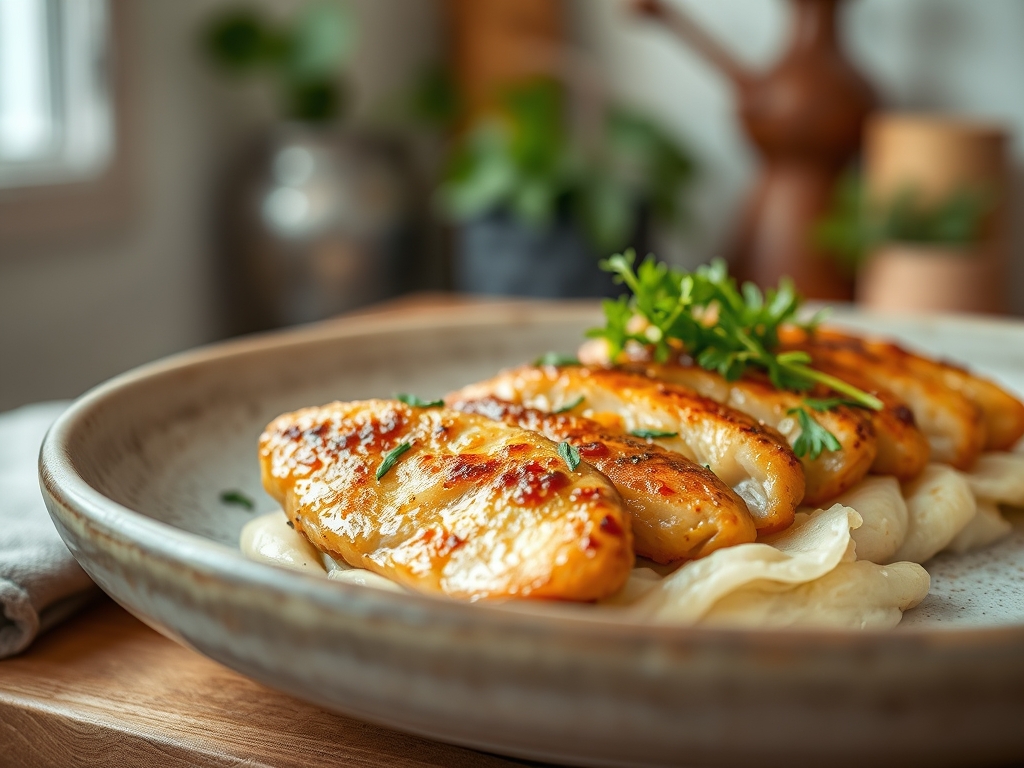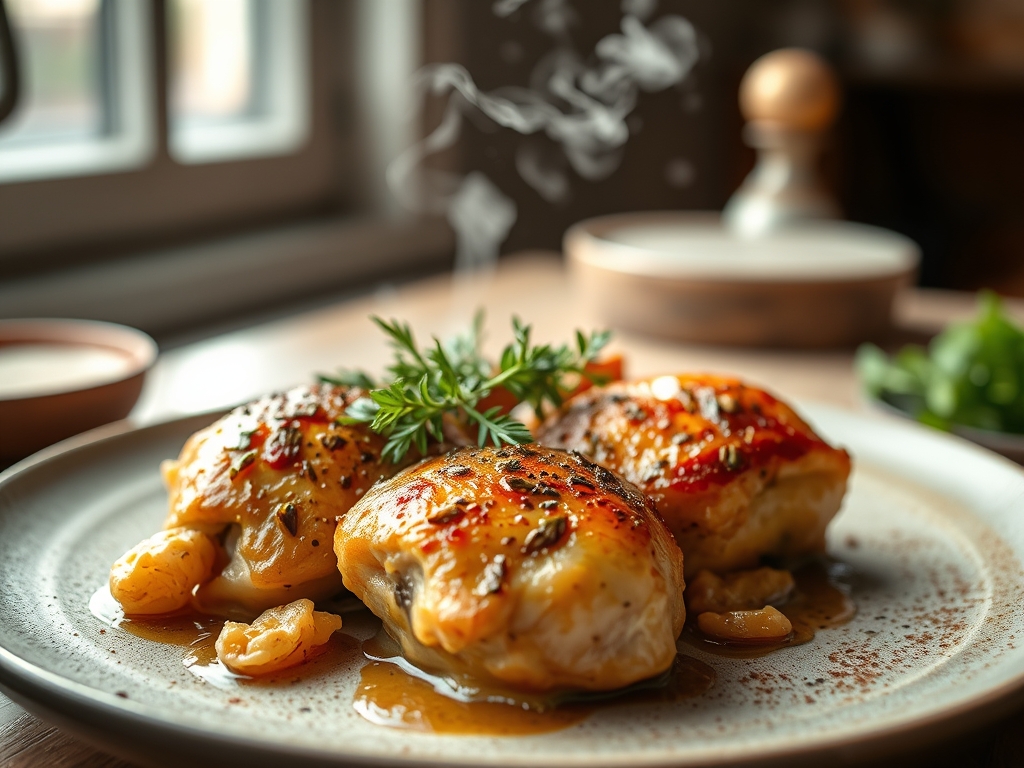
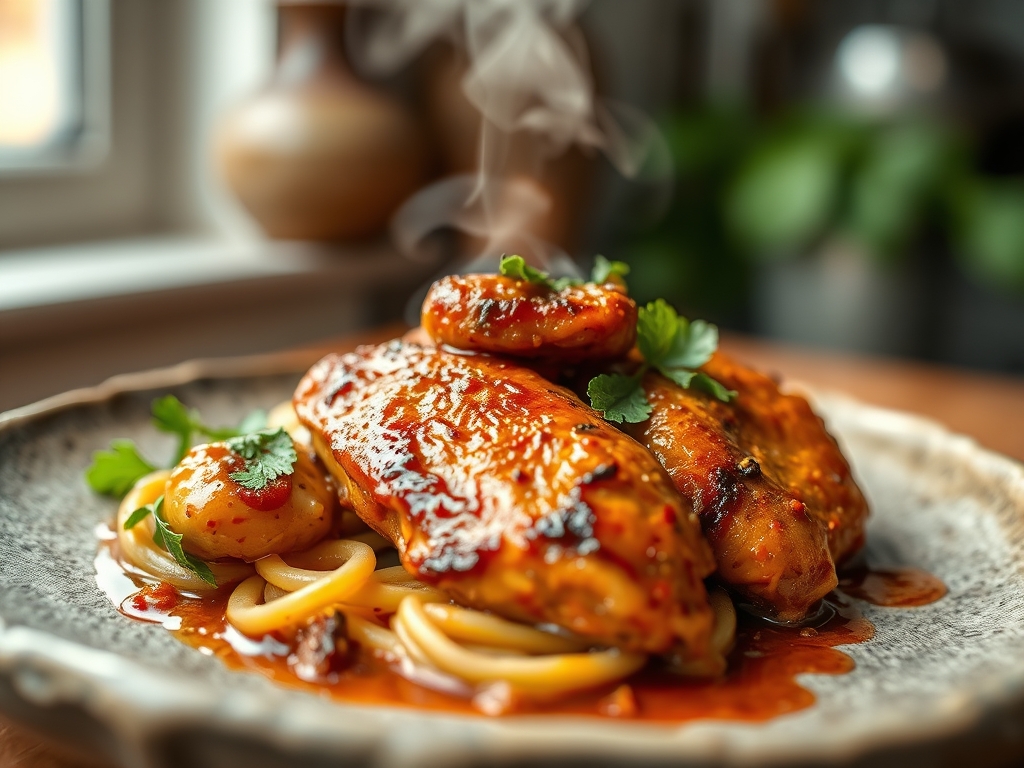
Imagine the sound of a heavy bottomed skillet hitting the burner; a metallic ring that signals the start of something transformative. You are standing in your kitchen, the air thick with the scent of smoky adobo and the sharp, piquant bite of fresh lime. When it comes to chipotle chicken recipes easy enough for a Tuesday but sophisticated enough for a dinner party, the secret ingredient is hiding in your refrigerator door. We are talking about the dark, effervescent magic of classic cola. It is not just a beverage; it is a molecular powerhouse that breaks down tough muscle fibers while providing the complex sugars necessary for a deep, mahogany glaze.
This recipe is the intersection of high science and comfort food. By leveraging the phosphoric acid in the soda and the capsaicin in the chipotles, we are creating a chemical environment where protein becomes incredibly tender in record time. We are going to move beyond the basic sear and into the realm of professional glaze reduction. Whether you are meal prepping for the week or looking to impress a date with your culinary prowess, this method ensures your poultry is never dry, never dull, and always infused with a layered, smoky heat. Let us get your mise en place ready; we have some chemistry to do.
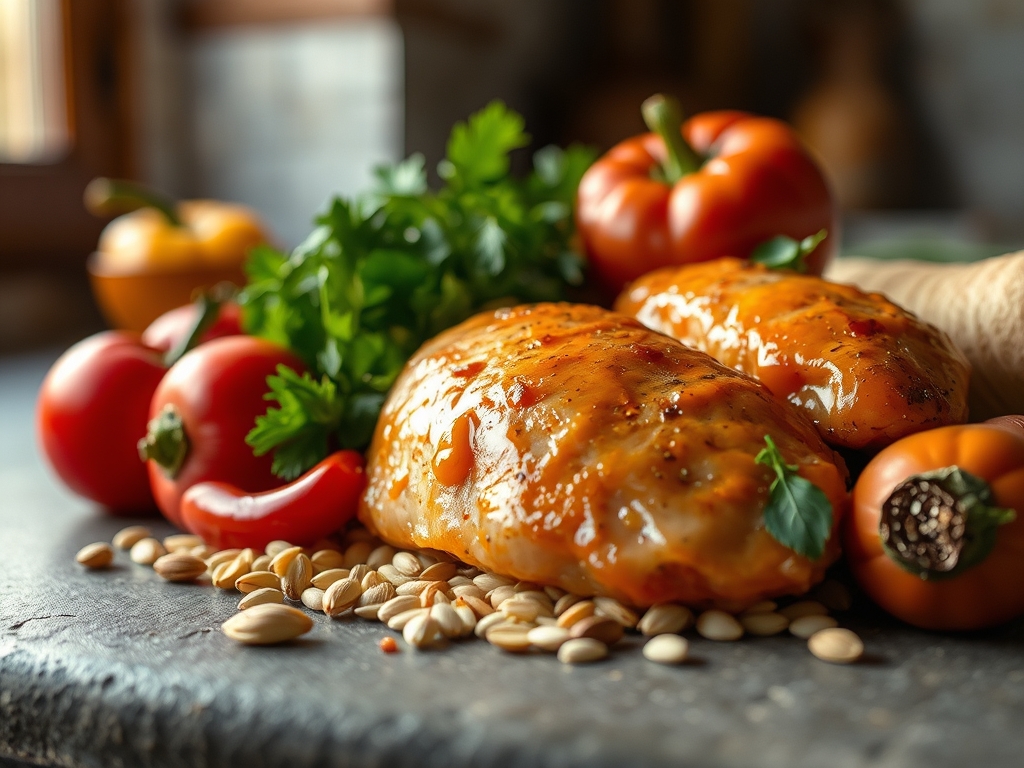
The Gathers:
To achieve the perfect texture, you must assemble your ingredients with precision. Start with two pounds of boneless, skinless chicken thighs. Thighs are superior to breasts here because their higher fat content allows for a more forgiving thermal window during the rendering process. You will need a small can of chipotles in adobo sauce; look for a brand where the sauce is viscous and dark. The star of the show is 12 ounces of full-sugar Mexican Coke, specifically chosen for its cane sugar content which caramelizes more cleanly than high-fructose corn syrup.
For the aromatics, grab three cloves of garlic to be crushed with a heavy knife, one white onion for a sharp bite, and a bunch of fresh cilantro. You will also need a high-quality sea salt and cracked black pepper. Smart Substitutions: If you are watching your sugar intake, you can use a sugar-free cola, though you will lose the thick glaze consistency. If chipotles are too spicy, substitute with smoked paprika and a touch of honey to mimic the flavor profile without the heat. Use a microplane to zest your limes; this ensures the essential oils are released without the bitter white pith.
The Clock: Chef's Flow
Efficiency in the kitchen is about managing your "Chef's Flow." This refers to the logical progression of tasks that minimizes downtime and prevents cross-contamination.
- Prep Time: 15 minutes. This involves the "chop and drop" phase where aromatics are prepared.
- Marination: 30 minutes to 4 hours. The phosphoric acid works quickly; do not exceed 24 hours or the tissue will become mushy.
- Cook Time: 20 minutes. This includes the searing phase and the final reduction of the sauce.
- Resting: 5 minutes. Essential for moisture retention.
Total time from start to finish is approximately 70 minutes. To optimize, prepare your side dishes; such as a bright slaw or lime rice; while the chicken is in its initial sear phase.
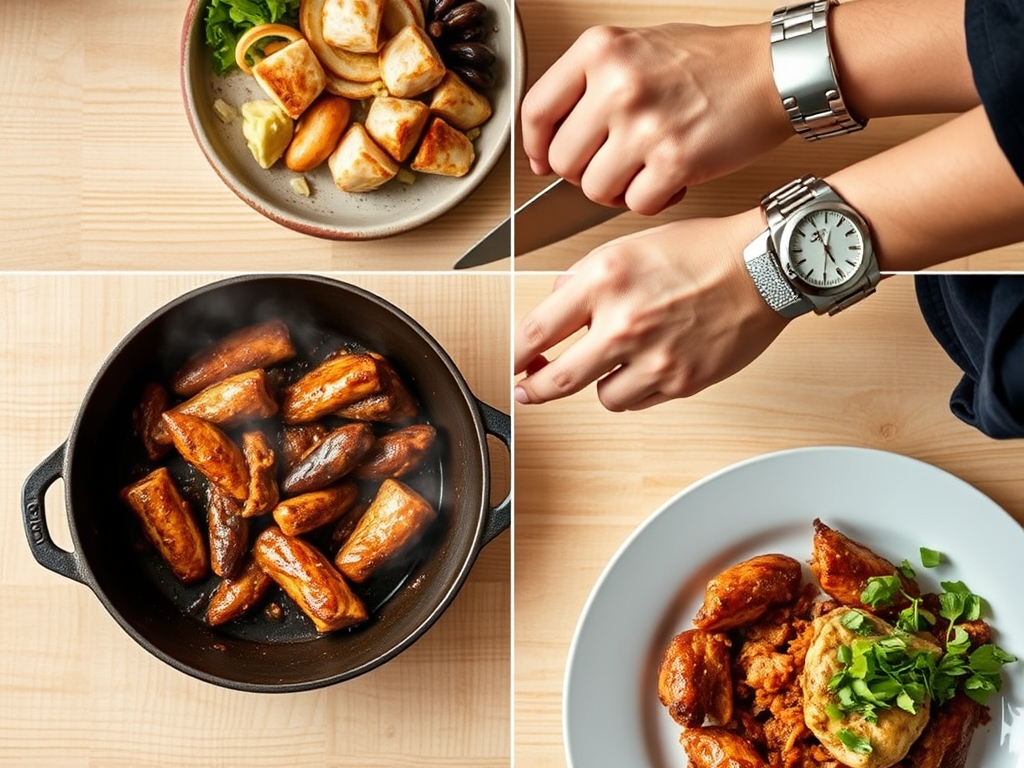
The Masterclass:
1. The Acidic Infusion
Place your chicken thighs in a large glass bowl. Whisk together the cola, two tablespoons of adobo sauce, and the juice of one lime. Pour this over the meat, ensuring every surface is submerged. Pro Tip: This is a form of chemical denaturing. The low pH of the cola begins to break down the protein chains before they even hit the heat, allowing the smoky chipotle flavor to penetrate deep into the muscle fibers.
2. The High-Heat Sear
Heat a heavy-bottomed skillet over medium-high heat until a drop of water dances and evaporates instantly. Add a high-smoke-point oil like avocado oil. Remove the chicken from the marinade, pat it dry with paper towels, and sear for 5 minutes per side. Pro Tip: Drying the meat is crucial for the Maillard Reaction. If the surface is wet, the energy of the pan is wasted evaporating water rather than browning the proteins and creating those complex, savory flavor compounds.
3. Sautéing the Aromatics
Push the chicken to the sides of the pan or remove it temporarily. Add your diced onions and crushed garlic to the center. Use a wooden spoon to scrape up the brown bits (the fond) from the bottom of the pan. Pro Tip: This process is called deglazing. Those stuck-on bits are concentrated umami bombs that will dissolve into your sauce, providing a professional depth of flavor that salt alone cannot achieve.
4. The Glaze Reduction
Pour the remaining marinade into the skillet. Bring the liquid to a vigorous boil, then reduce the heat to a simmer. Flip the chicken occasionally to ensure it is evenly coated as the liquid transforms into a sticky syrup. Pro Tip: As the water evaporates, the sugar concentration increases, creating a viscous reduction. This glaze acts as an insulator, keeping the interior of the chicken moist while the exterior becomes tacky and sweet.
5. Monitoring Internal Temps
Use a digital thermometer to check the thickest part of the thigh. You are looking for 165 degrees Fahrenheit. Once reached, remove the skillet from the heat immediately. Pro Tip: Beware of thermal carryover. The internal temperature will continue to rise by 3 to 5 degrees after you stop the heat. Pulling the meat at exactly 165 prevents the fibers from tightening and squeezing out the juices.
6. The Rest and Finish
Transfer the chicken to a cutting board and let it sit undisturbed for five minutes. While it rests, add a handful of chopped cilantro and a final squeeze of lime to the remaining sauce in the pan. Pro Tip: Resting allows the intracellular pressure to equalize. If you cut the meat immediately, the juice will flood the board; if you wait, the fibers reabsorb the moisture, resulting in a succulent bite.
7. The Final Aeration
Slice the chicken against the grain and toss it back into the pan one last time to coat the edges in the aerated sauce. Pro Tip: Slicing against the grain shortens the muscle fibers, making the meat feel even more tender on the palate. The final toss ensures the "mouthfeel" is consistent across every piece.
The Deep Dive:
From a nutritional standpoint, this dish is a protein powerhouse. Each serving provides approximately 35 grams of protein. While the cola adds sugar, much of it remains in the pan as a glaze rather than being fully absorbed into the meat. For a Keto version, replace the cola with beef bone broth and a tablespoon of erythritol. For Vegan guests, this same marinade works wonders on pressed extra-firm tofu or thick cauliflower steaks.
The Fix-It: Common Pitfalls
- The Sauce is Too Thin: If your glaze won't thicken, remove the chicken and whisk in a small cornstarch slurry (1 tsp cornstarch + 1 tsp water). Boil for 60 seconds to activate the starch.
- The Chicken is Tough: This usually means the heat was too high for too long. Next time, use a lower simmer once the liquid is added.
- Too Much Heat: If the chipotle is overwhelming, whisk in a dollop of Greek yogurt or sour cream at the very end to emulsify and mellow the capsaicin.
Meal Prep Science: To reheat, avoid the microwave if possible. Instead, place the chicken in a small saucier with a splash of water or broth over low heat. This re-hydrates the glaze and prevents the fats from turning waxy, maintaining that "day-one" quality.
The Wrap-Up:
Mastering chipotle chicken recipes easy style is about understanding how simple pantry staples can be manipulated through heat and acidity. You have moved beyond just "cooking" and into the realm of flavor engineering. By controlling the Maillard reaction and utilizing the unique properties of cola, you have created a dish that is smoky, sweet, and incredibly tender. Now, grab those tortillas, pile on the pickled onions, and enjoy the fruits of your scientific labor!
The Kitchen Table:
Can I use Diet Coke for this recipe?
Diet soda contains aspartame which can turn bitter when boiled. If you must go sugar-free, use a sucralose-based soda or replace the soda entirely with beef stock and a small amount of keto-friendly sweetener to maintain the flavor balance.
What is the best way to store leftovers?
Store in an airtight glass container for up to four days. Glass is preferable to plastic as the chipotle oils can stain and the acidity of the sauce may react with certain polymers over time.
Is this recipe gluten-free?
Most major cola brands and canned chipotles are naturally gluten-free. However, always check the label on the adobo sauce for added thickening agents like wheat flour which can occasionally be present in off-brand varieties.
How do I make it less spicy for kids?
Remove the seeds from the chipotles before blending them into the marinade. Most of the capsaicin is stored in the seeds and internal membranes; removing them allows you to keep the smoky flavor without the intense burn.