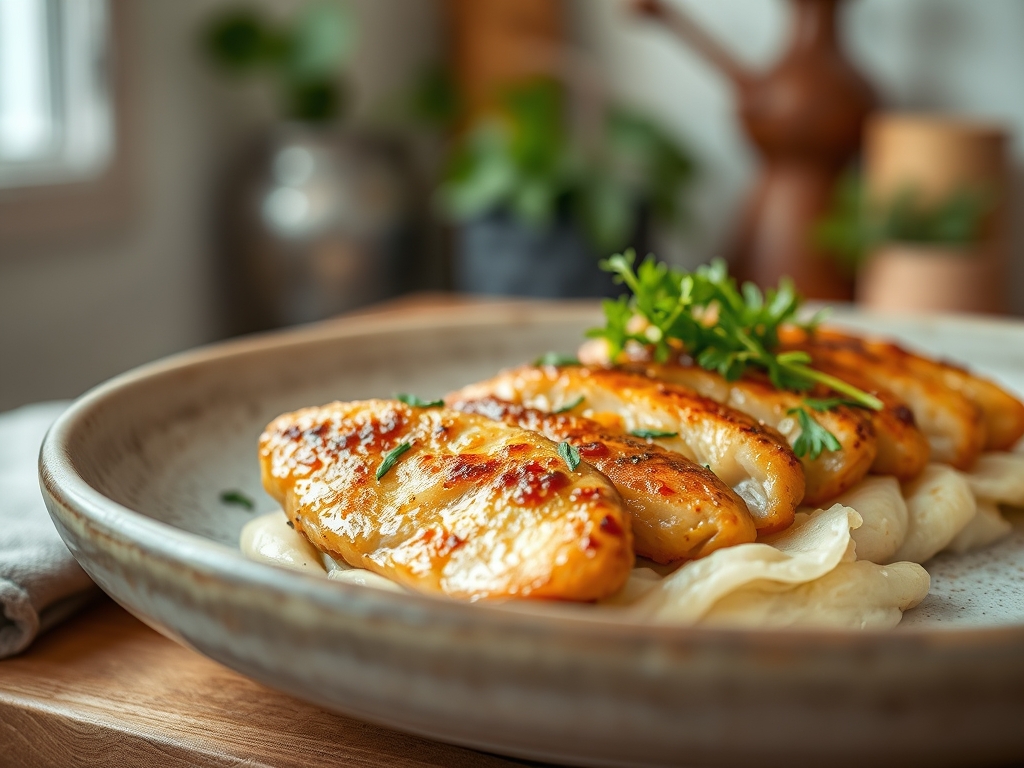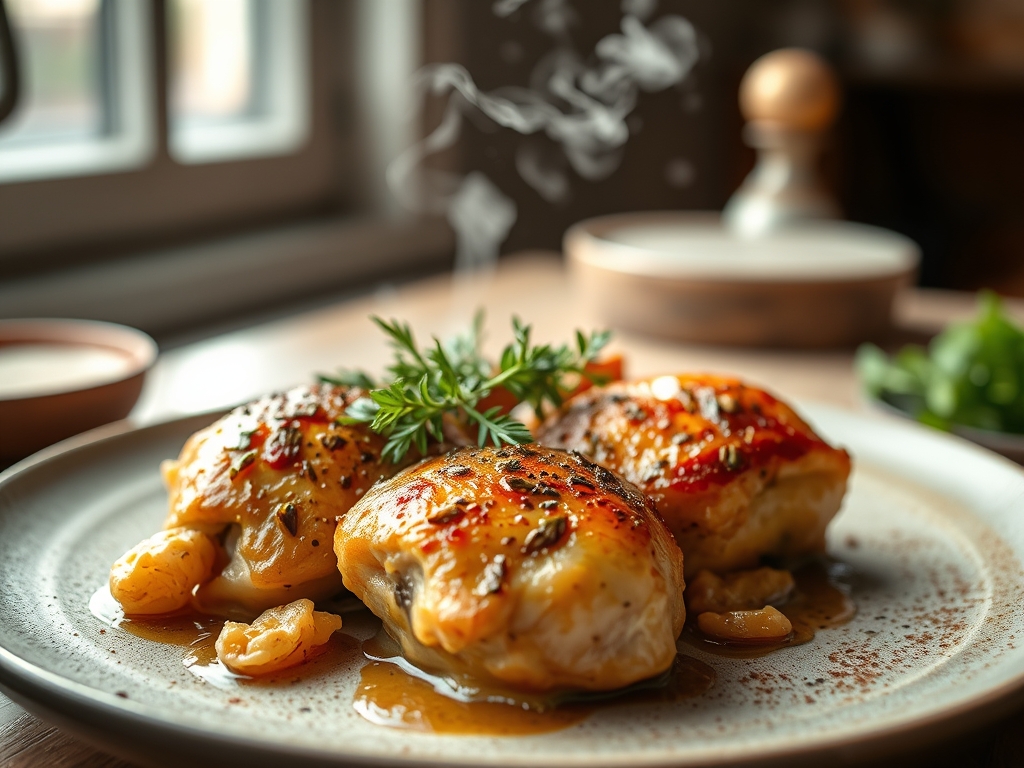
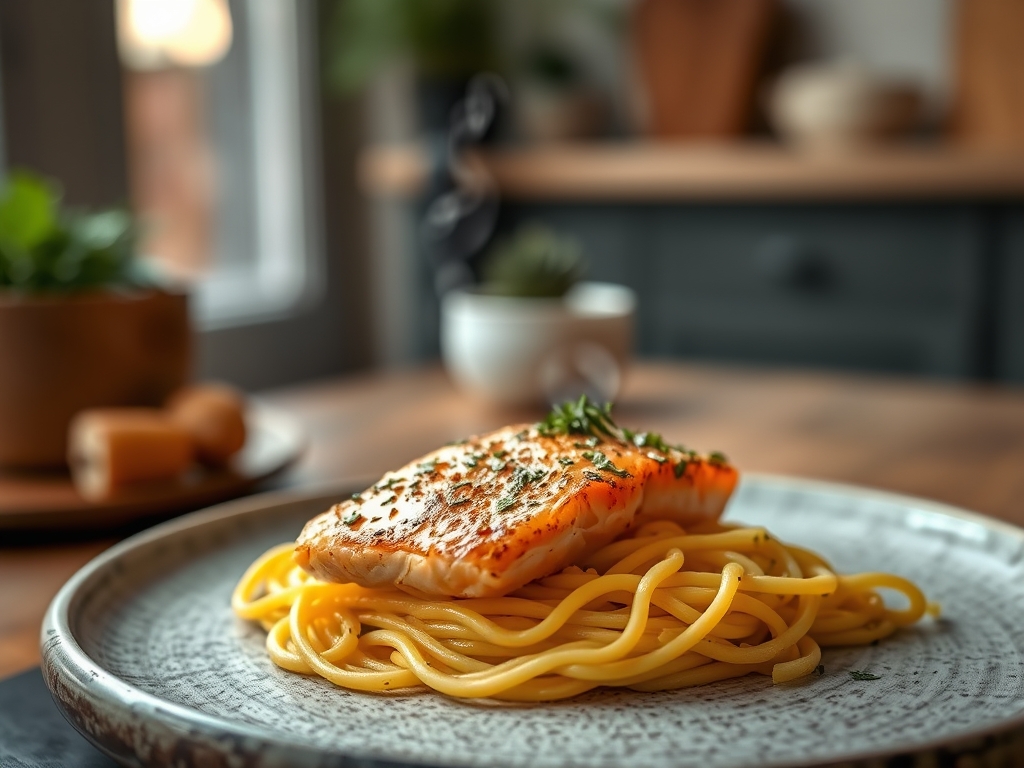
Imagine the sizzle of a heavy-bottomed skillet meeting cold fat; that high-pitched hiss is the sound of cellular transformation. When you master spaghetti squash and salmon recipes, you are balancing the delicate, aqueous snap of vegetable strands against the rich, lipid-heavy luxury of anadromous fish. It is a textural playground where the piquant notes of lemon and the earthy sweetness of roasted squash collide. This is not just a healthy dinner; it is a lesson in culinary physics and the Maillard reaction. We are moving beyond the soggy, uninspired bowls of the past and stepping into a kitchen where every ingredient serves a structural purpose.
Getting these two stars to align requires more than just heat. It requires an understanding of moisture management. Spaghetti squash is a reservoir of water held within a fibrous pectin matrix. Salmon, conversely, is a mosaic of protein and omega-3 fatty acids that can turn from buttery to chalky in a matter of seconds. By the time we finish this guide, you will be wielding your tongs like a pro and understanding exactly why your squash needs to be roasted cut-side down to achieve that perfect al dente bite. Let us transform your kitchen into a laboratory of flavor where nutrition and high-end technique live in perfect harmony.
The Gathers:
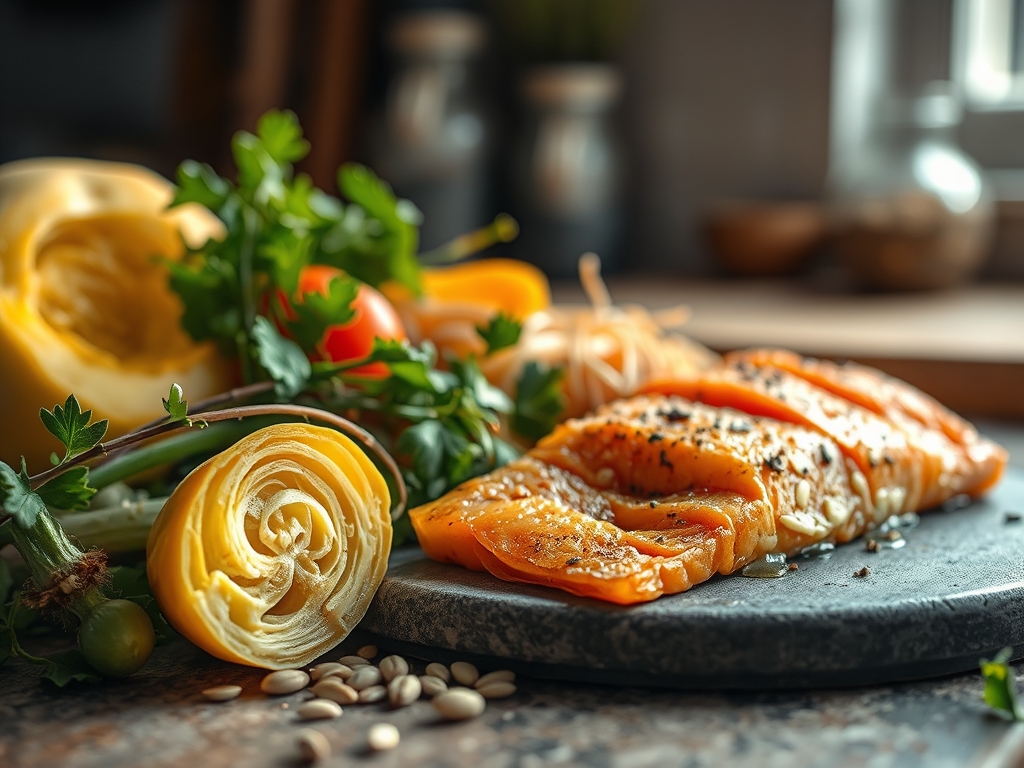
To begin our mise-en-place, we must organize our workstation with the precision of a chemist. Your primary subjects are a firm, heavy-for-its-size spaghetti squash and a high-quality center-cut salmon fillet. Look for salmon with vibrant color and clear, distinct fat lines; this indicates a higher concentration of intramuscular fat which will render beautifully during the cooking process. You will also need a high-smoke-point oil like avocado oil, coarse kosher salt for abrasive seasoning, and a selection of aromatics.
Gather your professional tools: a sharp chef knife for the initial cleavage of the squash, a sturdy spoon to excavate the seeds, and a microplane for zest that provides a volatile aromatic lift. For the salmon, a flexible fish spatula is non-negotiable to maintain the integrity of the skin. If you are looking for smart substitutions, consider swapping traditional butter for ghee to achieve a higher smoke point while retaining that nutty, toasted flavor profile. If you lack fresh herbs, a high-quality dried dill can be rehydrated in a small amount of oil to infuse the fat before it hits the fish.
The Clock: 45 Minutes to Excellence
The "Chef's Flow" is all about overlapping tasks to minimize downtime. Your squash is the long-lead item, requiring approximately 35 to 40 minutes in a 400-degree oven. Use this window to prep your salmon and emulsify your sauces. The salmon itself is a sprint; it requires only 6 to 8 minutes of active heat. By the time the squash is resting and ready to be shredded into its signature ribbons, your salmon should be hitting its final internal temperature. This synchronization ensures that no component of your spaghetti squash and salmon recipes sits long enough to lose its thermal energy or structural integrity.
The Masterclass:
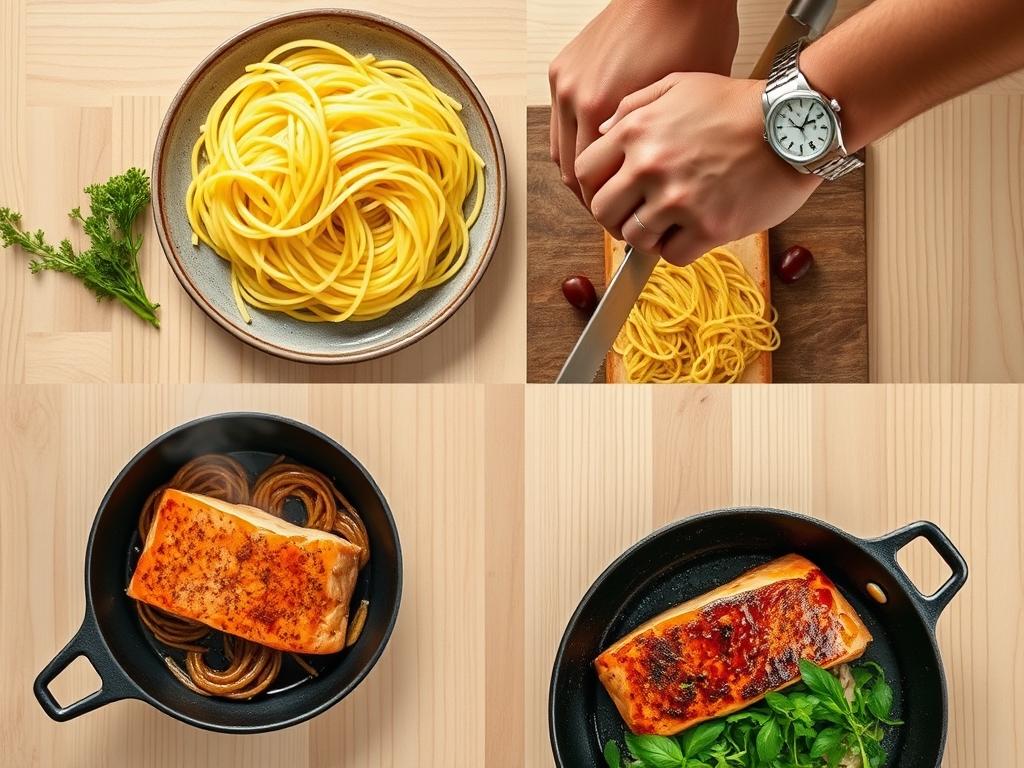
1. The Foundation Roast
Halve your squash lengthwise and scrape out the seeds. Brush the interior with oil and season aggressively with salt. Place the squash cut-side down on a parchment-lined baking sheet. This orientation allows steam to build up inside the cavity, softening the fibers while the edges undergo caramelization against the hot pan.
Pro Tip: This is a lesson in thermal conduction. Roasting cut-side down creates a micro-environment that prevents the delicate strands from drying out while the sugars in the squash undergo the Maillard reaction against the metal surface.
2. The Salmon Prep
Pat your salmon fillets bone-dry with a paper towel. Moisture is the enemy of a crisp sear. Season the skin side with salt to draw out excess water through osmosis. Let it sit for five minutes, then pat dry once more before it touches the pan.
Pro Tip: Removing surface moisture prevents the formation of a steam barrier. This allows the protein to make direct contact with the hot oil, facilitating a rapid sear and preventing the fish from sticking to the skillet.
3. The Sear and Render
Heat your heavy-bottomed skillet until the oil shimmers. Place the salmon skin-side down and press firmly with your fish spatula for ten seconds. This prevents the protein fibers from curling as they contract under high heat. Reduce the heat slightly and let the fat render out of the skin.
Pro Tip: This technique utilizes conductive heat transfer. By keeping the fish skin-side down for 80 percent of the cooking time, you create a thermal buffer that protects the delicate flesh from overcooking while achieving a cracker-like skin texture.
4. The Ribbon Release
Once the squash is tender, use a fork to scrape the flesh. It should pull away in long, translucent strands. If the squash feels mushy, it has been over-steamed; if it is difficult to pull, it needs five more minutes. Transfer the strands to a pre-warmed bowl to maintain temperature.
Pro Tip: The squash's structure is held together by pectin. Overcooking breaks down these cellular walls, turning your "spaghetti" into a puree. Always aim for a slight resistance to the tooth, known as al dente.
5. The Emulsion Finish
Deglaze your salmon pan with a splash of white wine or lemon juice. Use a whisk to incorporate cold butter or a splash of cream, creating a viscous sauce that will coat the squash strands without weighing them down. Toss the squash ribbons in this liquid gold before topping with the flaked salmon.
Pro Tip: This is the science of emulsification. The acid in the lemon juice helps stabilize the fat droplets in the butter, creating a smooth, homogenous sauce that clings to the hydrophobic surface of the squash.
The Deep Dive:
From a macro perspective, spaghetti squash and salmon recipes are a nutritional powerhouse. You are looking at a high-protein, high-fat, low-carbohydrate profile that stabilizes blood sugar. One serving typically yields 35 grams of protein and only 10 to 12 grams of net carbs. For a vegan swap, replace the salmon with pan-seared king oyster mushroom "scallops" and use a cashew-based cream sauce. For keto enthusiasts, increase the fat content with a generous dollop of pesto or extra virgin olive oil.
The "Fix-It" guide for common pitfalls:
- Watery Squash: If your squash is weeping liquid, salt the strands after shredding and let them sit in a colander for five minutes. This uses osmosis to pull out excess water.
- Albumin Bleed: If white gunk (albumin) is pushing out of your salmon, you are using heat that is too high. Lower the flame; albumin is just protein being squeezed out like a sponge.
- Bland Flavor: Squash is neutral. You must aerate your sauce with plenty of acid (lemon or vinegar) to bridge the gap between the sweet squash and the fatty fish.
For meal prep, never microwave your salmon at high power. The intense waves will cause the fats to explode and the protein to toughen. Instead, reheat the squash separately and flake the cold salmon over the top, or use the "low and slow" oven method at 275 degrees to preserve the "day-one" flake and moisture.
The Wrap-Up:
You have officially graduated from basic home cooking to culinary science. By understanding the interplay between moisture, heat, and fat, you have turned simple ingredients into a sophisticated meal. These spaghetti squash and salmon recipes are more than just fuel; they are a testament to your growing skill in the kitchen. Now, grab your favorite bowl, a glass of crisp Sauvignon Blanc, and enjoy the fruits of your labor. You earned it!
The Kitchen Table:
How do I prevent my spaghetti squash from being mushy?
Roast the squash cut-side down at a high temperature (400F) and avoid over-steaming. Always test for an al dente texture with a fork before removing from the oven. Salt the strands post-roasting to draw out any lingering moisture.
Can I cook the salmon and squash on one sheet pan?
Yes, but timing is critical. Start the squash first as it takes 40 minutes. Add the salmon fillets to the same tray for the final 8 to 10 minutes of roasting to ensure both components finish simultaneously without overcooking the fish.
What is the best way to season salmon for these recipes?
Keep it simple to let the fish shine. Use coarse salt, cracked black pepper, and a touch of lemon zest. If you want more depth, add smoked paprika or garlic powder to enhance the savory notes during the searing process.
How do I know when the salmon is perfectly cooked?
Use a digital thermometer to look for an internal temperature of 125F to 130F for medium-rare. The flesh should flake easily with a fork and appear opaque on the outside while remaining slightly translucent in the very center.
Is spaghetti squash a good substitute for pasta in salmon dishes?
Absolutely. It provides a similar textural experience with significantly fewer calories and carbohydrates. Its mild, slightly sweet flavor profile acts as a perfect canvas for the rich, savory fats found in salmon and butter-based sauces.