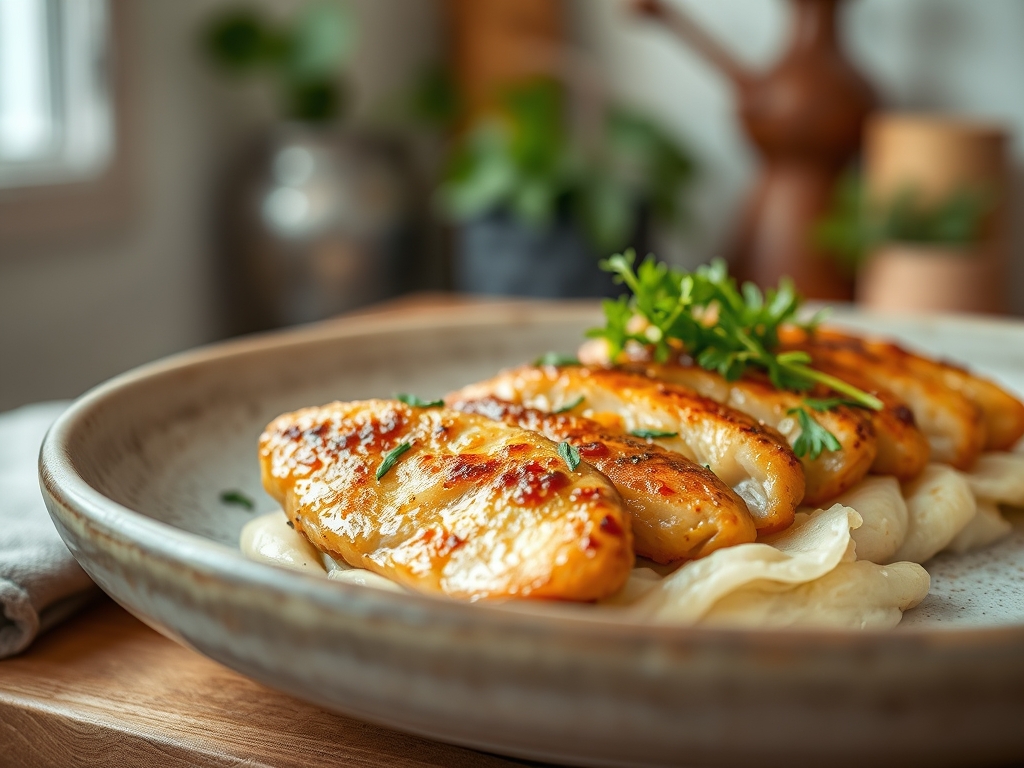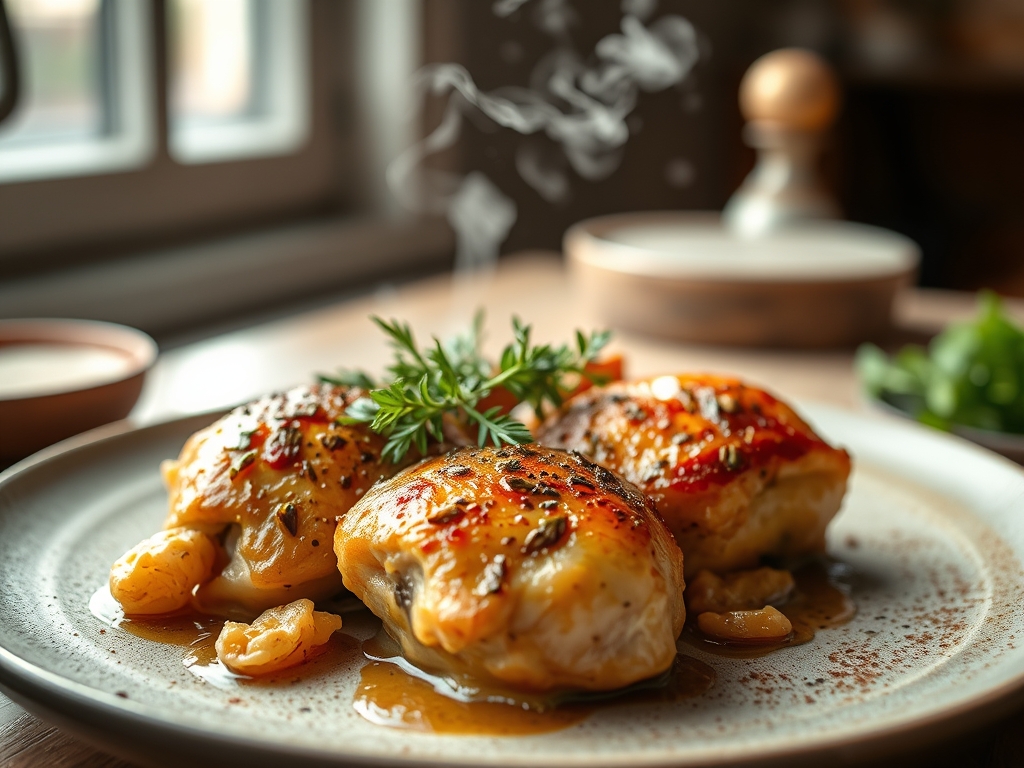
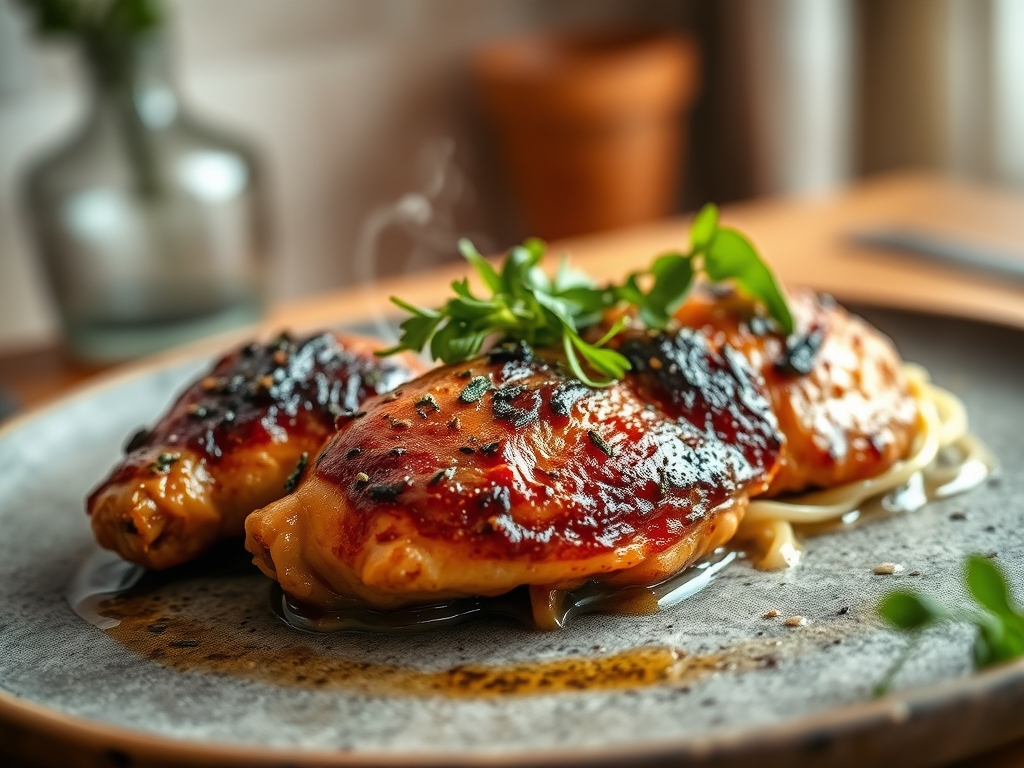
Imagine the scent of searing poultry hitting a pool of cold-pressed coconut oil. It is a sharp, tropical perfume that cuts through the heavy humidity of a busy Tuesday evening. When you are hunting for chicken recipes for a dinner that feels like a vacation, the marriage of high-acid lime and fatty coconut milk is the ultimate culinary cheat code. This is not just a meal; it is a chemical reaction that transforms lean protein into something lush and vibrant. We are moving beyond the basic grilled breast and diving into a world where citrus zest acts as a flavor bridge between earthy spices and creamy fats. The secret lies in the balance of the piquant lime juice against the viscous nature of coconut cream. It creates a sauce that clings to every fiber of the meat. Whether you are hosting a patio party or just trying to survive the midweek slump, these ten variations on the zesty coconut lime theme will redefine your kitchen repertoire. Grab your favorite heavy-bottomed skillet and let us get into the science of why this flavor profile is biologically irresistible to our taste buds.
The Gathers:
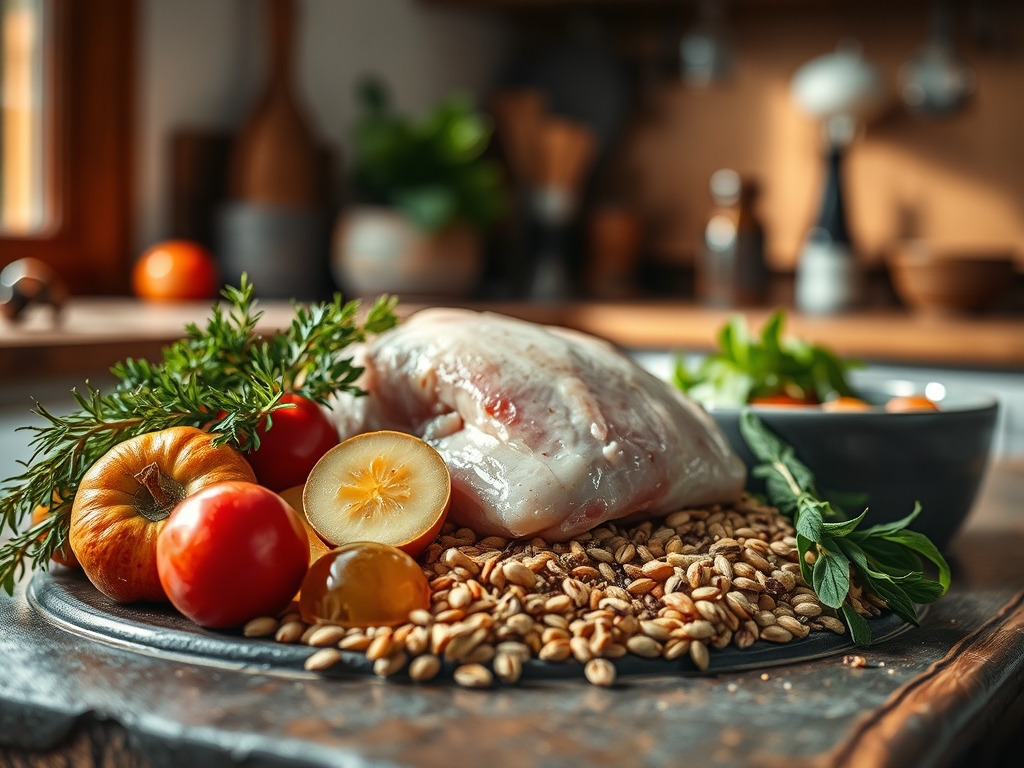
To execute these chicken recipes for maximum impact, your mise-en-place must be precise. We start with the chicken itself. For the most succulent results, I recommend skin-on, bone-in thighs, though breasts work if you monitor the internal temperature with a digital scale. The coconut component should be full-fat canned milk. The high lipid content is necessary to carry the fat-soluble compounds in your spices. You will also need fresh limes. Never use the bottled juice; it lacks the volatile oils found in the skin that provide that signature aromatic punch.
Your aromatics include fresh ginger, which contains the enzyme zingibain to help tenderize the meat, and garlic for that essential savory base. For heat, reach for Thai bird's eye chilies or a spoonful of sambal oelek. Smart Substitutions are key for the modern pantry. If you are out of fresh ginger, a pinch of ground galangal offers a more floral, pine-like depth. If coconut milk is too heavy for your macro goals, light coconut milk combined with a teaspoon of cornstarch can mimic that velvety mouthfeel without the caloric density. Finally, do not forget the fish sauce. Even if the smell is pungent, it provides a hit of umami that salt alone cannot achieve.
The Clock: Timing Your Flow
Efficiency in the kitchen is about managing the "Chef's Flow." Total active prep time for these recipes usually clocks in at 20 minutes, with a cook time of 25 to 30 minutes. The flow begins with the marinade. Acidic marination should never exceed two hours, as the citric acid will eventually begin to "cook" the protein fibers, leading to a mealy texture. While the chicken rests in its lime bath, use your bench scraper to clear your workspace and prep your garnishes. This ensures that when the chicken hits the pan, you are focused solely on the thermal transformation. The goal is to time your starch, perhaps a jasmine rice or cauliflower mash, to finish exactly five minutes before the chicken. This allows the meat to rest while the rice absorbs any residual steam.
The Masterclass:
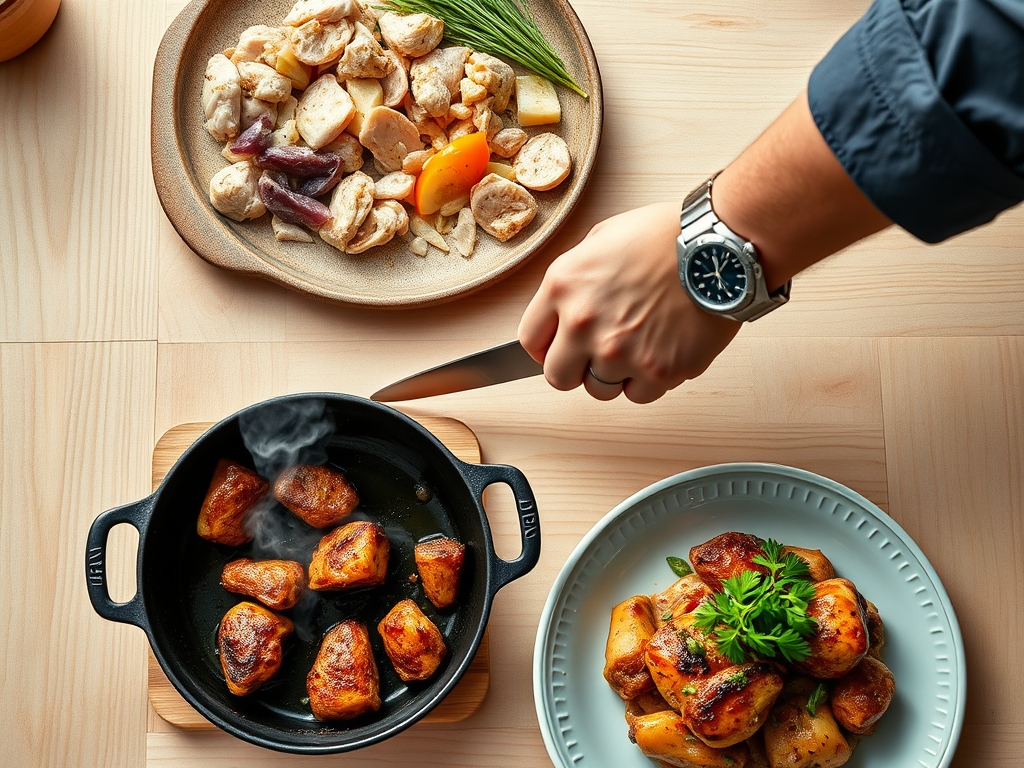
1. The Sear and the Maillard Reaction
Pat your chicken dry with paper towels before it touches the pan. Place it skin-side down in a hot, heavy-bottomed skillet with a thin layer of neutral oil. Do not move it until it releases naturally from the surface.
Pro Tip: This stage relies on the Maillard Reaction, where amino acids and reducing sugars rearrange to create hundreds of different flavor compounds. Moisture is the enemy of this reaction; if the chicken is wet, it will steam rather than sear.
2. Deglazing the Fond
Once the chicken is browned and removed, you will see brown bits stuck to the bottom. This is "fond," and it is concentrated flavor. Pour in your lime juice and a splash of chicken stock, using a wooden spoon to scrape the bottom.
Pro Tip: Deglazing captures the caramelized proteins. The steam created by the liquid hitting the hot pan helps loosen these particles, integrating them into your base sauce for a deeper flavor profile.
3. Emulsifying the Coconut Base
Lower the heat before adding your coconut milk. Whisk it into the deglazed liquid steadily to create a stable emulsion. Simmer until the sauce reduces and becomes glossy.
Pro Tip: Coconut milk is a natural emulsion of water and fat. If you boil it too vigorously, the proteins can denature and cause the sauce to "break" or separate. Gentle heat preserves the smooth, viscous texture.
4. The Final Infusion
Return the chicken to the saucier. Add your lime zest and fresh herbs like cilantro or Thai basil right at the end. Cover and let it simmer until the internal temperature reaches 165 degrees Fahrenheit.
Pro Tip: Use a Microplane for the zest to avoid the bitter white pith. The volatile oils in the zest are highly heat-sensitive; adding them at the end prevents them from evaporating, ensuring a bright, citrusy finish.
The Deep Dive:
When we look at the macro nutrition of these chicken recipes for fitness-focused eaters, we see a high-protein profile balanced by healthy medium-chain triglycerides from the coconut. For those on a Keto path, this dish is a dream; simply serve it over zoodles or wilted spinach. Vegan friends can swap the chicken for extra-firm pressed tofu or cauliflower steaks, following the same searing and deglazing steps. For a Gluten-Free version, ensure your fish sauce or soy sauce substitute is certified GF.
The Fix-It: If your sauce is too thin, do not keep boiling it. Instead, whisk a teaspoon of arrowroot powder with cold water and stir it in. If the sauce is too salty, add a squeeze of honey or brown sugar to provide a flavor counterbalance. If the chicken is dry, you likely missed the window for thermal carryover. Remember that meat continues to rise in temperature by about 5 degrees after being removed from the heat.
For Meal Prep, reheating is a science. To maintain "day-one" quality, avoid the microwave if possible. Reheat the chicken and sauce in a small pan over low heat with a tablespoon of water. This creates a mini-steam environment that prevents the coconut fat from turning oily and keeps the protein supple.
The Wrap-Up:
Mastering these zesty coconut lime chicken recipes for your weekly rotation is like gaining a culinary superpower. You have learned how to harness the Maillard reaction for depth, how to protect a delicate coconut emulsion, and how to use acid to brighten a heavy dish. The result is a meal that is sophisticated enough for a dinner party but simple enough for a Tuesday. Kitchen confidence comes from understanding the "why" behind the "how," and now you have the technical toolkit to make every bite count. Go forth, grab those limes, and turn your kitchen into the best bistro in town.
The Kitchen Table:
How do I prevent my coconut sauce from curdling?
Avoid boiling the sauce once the coconut milk is added. Use low to medium heat and stir frequently. If using low-fat coconut milk, add a small amount of cornstarch slurry to help stabilize the proteins and maintain a smooth texture.
Can I use chicken breasts instead of thighs?
Yes, but monitor the temperature closely. Breasts lack the fat and connective tissue of thighs, making them prone to drying out. Sear them quickly and finish simmering just until they hit 160 degrees Fahrenheit to allow for carryover cooking.
What is the best way to zest a lime?
Use a microplane or a fine grater. Only grate the green outer layer of the skin. Stop as soon as you reach the white pith, as the pith is extremely bitter and will ruin the delicate balance of the sauce.
How long can I marinate the chicken in lime juice?
Limit marination to 30 minutes to two hours. Because lime juice is highly acidic, it will eventually break down the protein structures too much, resulting in a mushy or mealy texture rather than a tender one.
Is there a substitute for fish sauce?
If you lack fish sauce, use soy sauce or liquid aminos mixed with a pinch of salt. While you lose the specific fermented funk of fish sauce, you will still achieve the necessary umami depth required to balance the coconut.