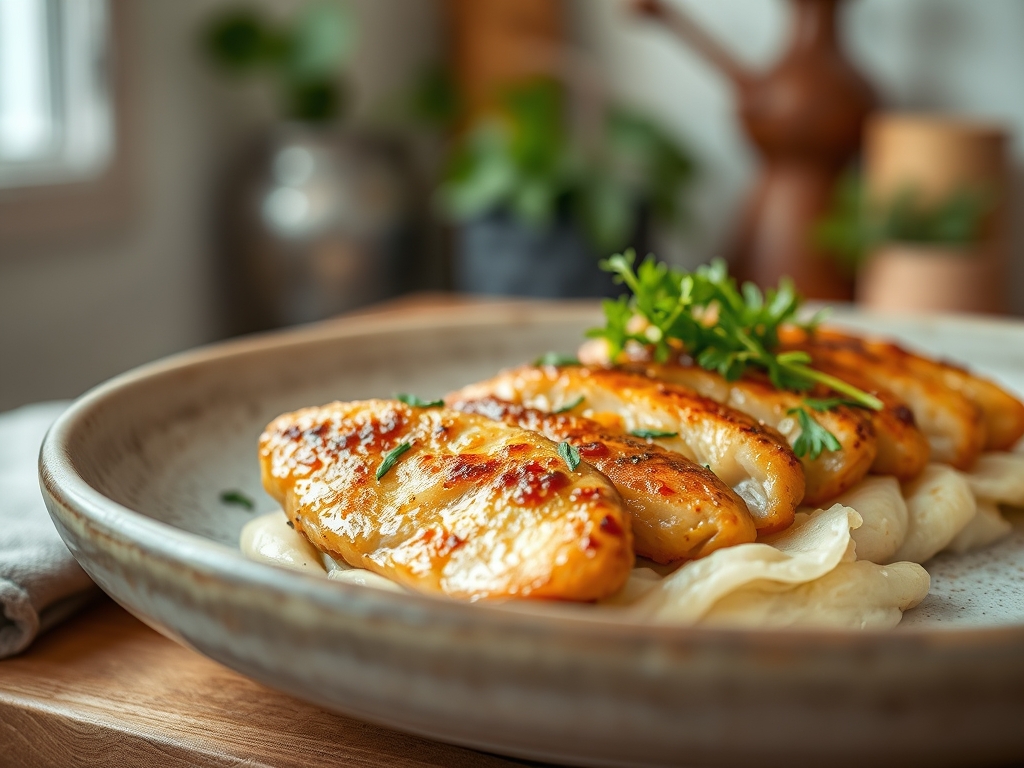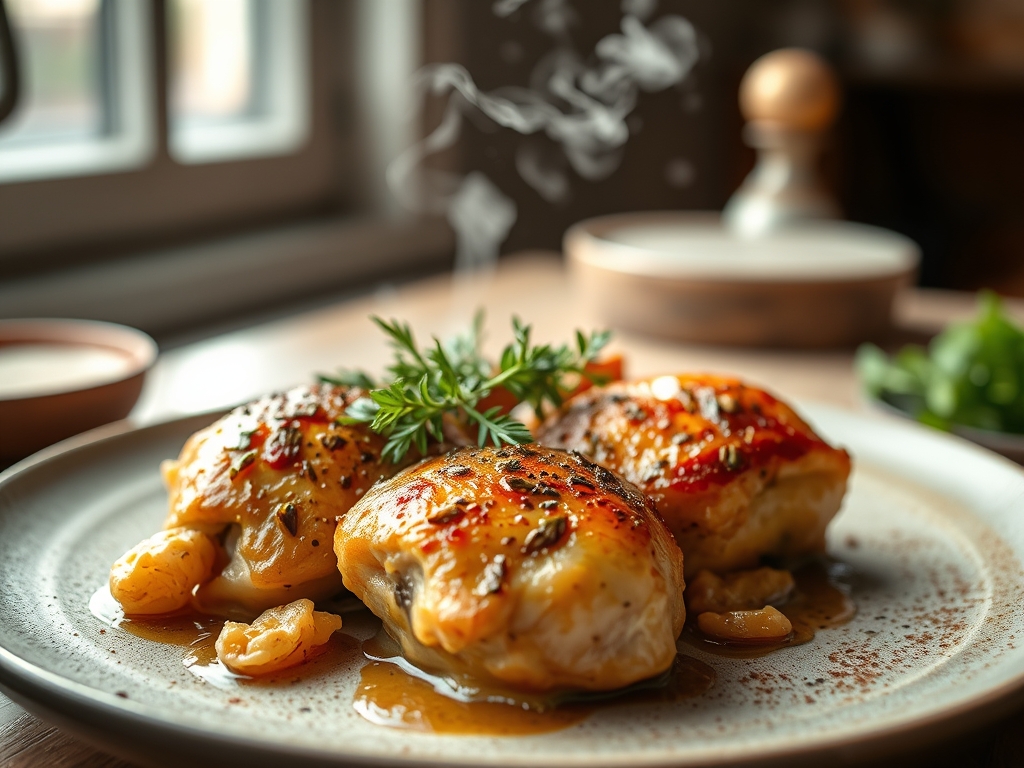
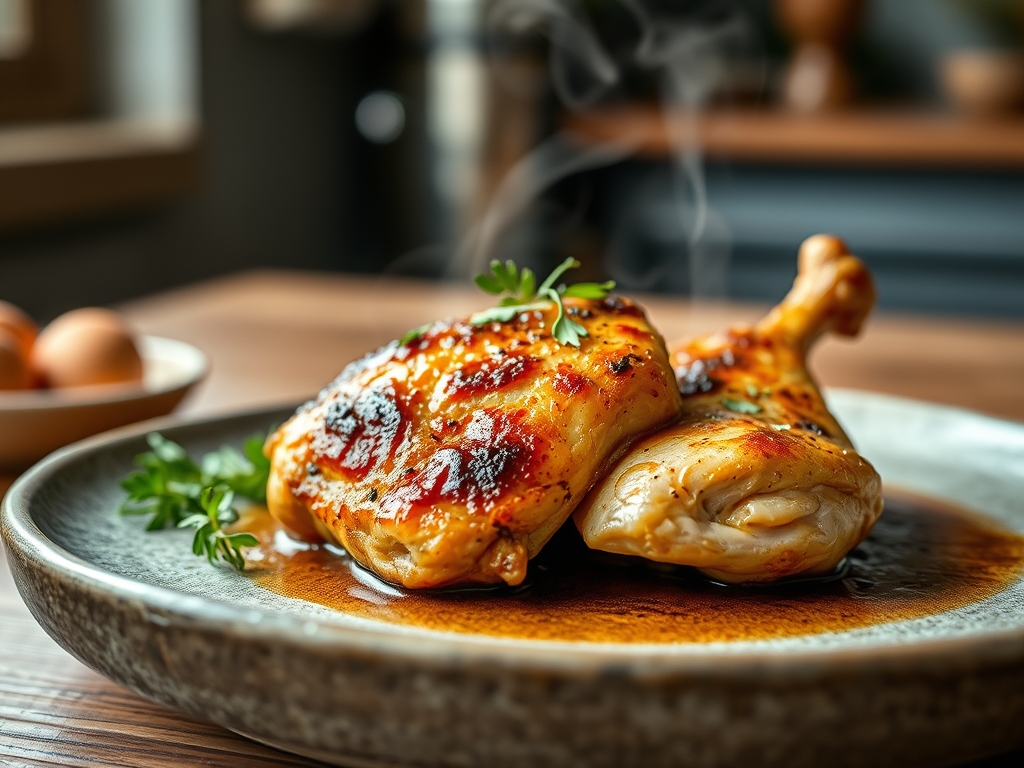
Picture this: it is a sweltering Tuesday afternoon and the thought of standing over a radiating gas range feels like a personal affront. Your kitchen is a sanctuary, but today, you want the reward without the heat. This is where the magic of pre cooked chicken recipes transforms from a convenience into a culinary art form. By leveraging proteins that have already undergone the Maillard reaction, we bypass the sweaty labor of searing and move straight to the symphony of assembly. We are talking about chilled, vibrant, and structurally sound dishes that rely on the science of cold emulsions and crisp textures to satisfy your palate. Whether you are shredding a leftover rotisserie bird or slicing sous-vide breasts from your Sunday meal prep, the goal is to keep the integrity of the fiber intact while infusing it with piquant dressings. These eight dishes are not just salads; they are engineered experiences designed to keep your kitchen cool and your standards high.
The Gathers:
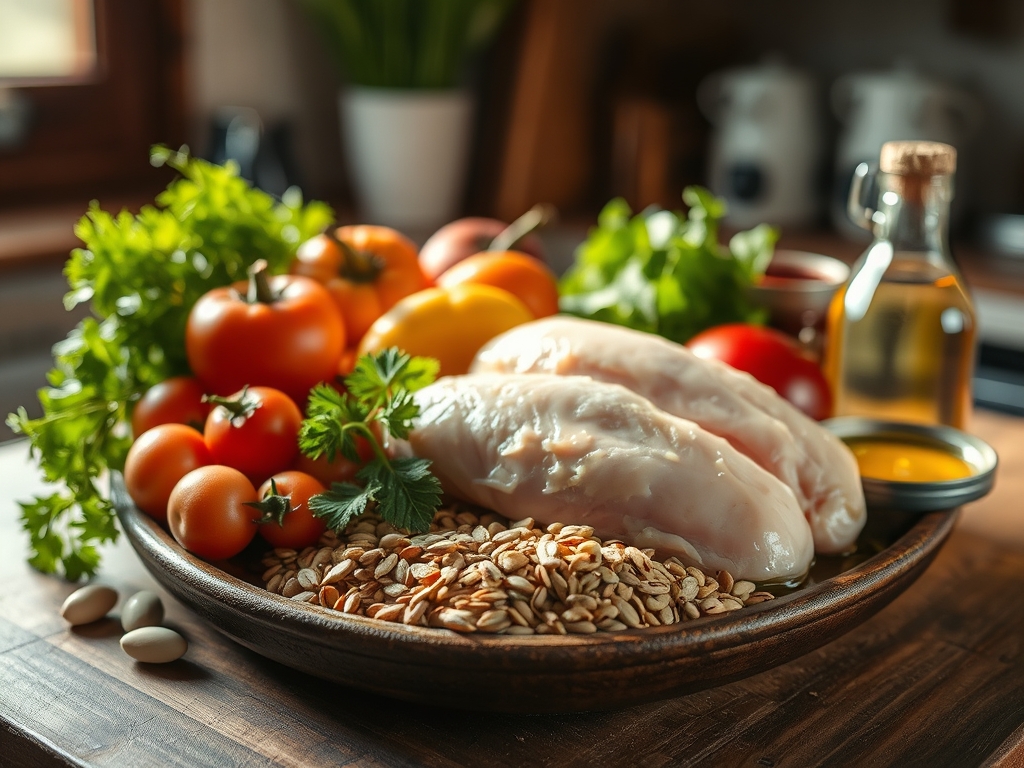
To execute these recipes with professional precision, your mise-en-place must be impeccable. Start with your primary protein: approximately two pounds of chilled, cooked chicken. You will need a digital scale to ensure your ratios of protein to produce remain balanced. For the aromatics, gather fresh cilantro, scallions, and mint. The volatile oils in these herbs provide the top notes of your flavor profile. For the "crunch" factor, look for water chestnuts, jicama, or celery; these vegetables possess high cellular density that resists wilting when tossed in viscous dressings.
Your pantry staples should include high-quality fats like extra-virgin olive oil or toasted sesame oil to act as the carrier for flavor. Acids are non-negotiable; have rice vinegar, fresh lime juice, and a bottle of white balsamic on hand. For the "Smart Substitutions," if you find yourself without traditional mayo for a creamy base, Greek yogurt provides a similar lactic tang with a higher protein-to-fat ratio. If nuts are an allergy concern, toasted sunflower seeds offer that same earthy, roasted depth. Always keep a microplane nearby to zest citrus or grate fresh ginger directly into your mixing bowl, ensuring the essential oils are captured rather than left on a cutting board.
The Clock
Efficiency in the kitchen is governed by what professionals call "The Flow." Because the heavy lifting of cooking the meat is already done, your active time for any of these eight dishes is a mere 15 to 20 minutes. However, the "Chef's Flow" dictates that you must account for osmotic marination. While you can eat these immediately, allowing the assembled dishes to rest in the refrigerator for at least 30 minutes allows the salt and acids to penetrate the cellular walls of the chicken, resulting in a more cohesive flavor profile. Total time from fridge to table is roughly 45 minutes, with 70 percent of that being passive chilling time.
The Masterclass
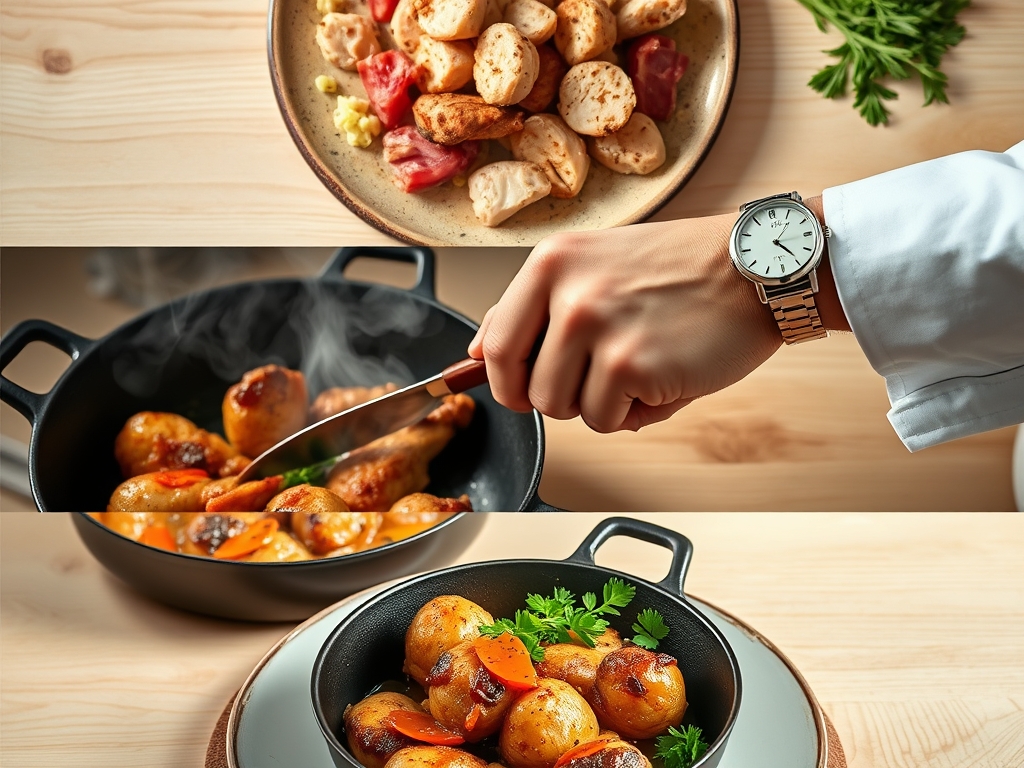
1. The Shred and Prep
Using a bench scraper or two forks, break down your chicken into uniform bite-sized pieces. Consistency in size ensures that every forkful has the same surface area for the dressing to cling to.
Pro Tip: This is known as mechanical tenderization. By breaking the muscle fibers manually while the meat is cold, you prevent the protein from becoming "stringy" or dry, which can happen if you shred meat while it is still steaming and losing moisture.
2. Emulsifying the Base
In a small saucier or glass bowl, whisk your fats and acids. If you are making a Sesame Ginger dressing or a classic Waldorf base, start with your stabilizers like mustard or egg yolk before slowly streaming in your oil.
Pro Tip: You are creating a temporary or permanent emulsion. The lecithin in mustard acts as an emulsifier, binding water-based acids and oil-based fats together. This ensures your dressing coats the chicken smoothly rather than sliding off into a greasy puddle at the bottom of the bowl.
3. Aerating the Greens
If your recipe calls for a bed of greens, such as a chilled Pesto Chicken over arugula, use tongs to toss the greens lightly with a pinch of salt and a spritz of lemon before adding the chicken.
Pro Tip: Aeration prevents the greens from compacting under the weight of the protein. Salt also draws out a tiny amount of moisture from the vegetables, which actually helps the dressing adhere better through surface tension.
4. The Final Infusion
Fold your chicken into the dressing using a gentle "over and under" motion with a spatula. This prevents the delicate cooked fibers from pulverizing into a paste. Add your "crunch" elements (nuts or seeds) at the very last second before serving.
Pro Tip: This preserves the structural integrity of the additives. If you add toasted almonds too early, the moisture in the dressing will migrate into the nut via capillary action, turning your crunch into a soggy disappointment.
The Deep Dive
When we look at the macro nutrition of these pre cooked chicken recipes, we see a powerhouse of lean protein. A standard serving provides roughly 30 to 35 grams of protein with minimal carbohydrates, depending on your choice of fruit or grain additions. For those following a Keto lifestyle, swap any honey or sugar in the dressings for liquid monk fruit. Vegan friends can swap the chicken for chickpeas or pressed tofu, though the texture will shift from fibrous to creamy. For a Gluten-Free version, ensure your soy sauce is replaced with tamari or coconut aminos.
The Fix-It: Technical Solutions
- The Problem: The dressing is too thin and watery.
The Fix: Whisk in a teaspoon of Greek yogurt or a pinch of xanthan gum to increase the viscosity without altering the flavor profile. - The Problem: The chicken tastes "refrigerator-stale."
The Fix: Brighten the dish with "high-tone" acids. A fresh squeeze of lemon or a dash of apple cider vinegar can mask the oxidation that happens to pre-cooked meats. - The Problem: The dish lacks depth.
The Fix: Add a "umami bomb." A drop of fish sauce, a teaspoon of nutritional yeast, or finely grated parmesan can provide the savory backbone that cold dishes often lack.
Meal Prep Science
To maintain "day-one" quality, store your components separately. The chicken should be kept in an airtight container to prevent it from absorbing odors from the fridge. If you must reheat a portion, use a low-power setting on the microwave to avoid denaturing the proteins further, which makes them rubbery. Ideally, these dishes are served at a "cellar temperature" of about 50 degrees Fahrenheit for the best flavor release.
The Wrap-Up
Mastering cold chicken dishes is about more than just tossing leftovers in a bowl; it is about understanding the balance of texture, acid, and temperature. By utilizing pre cooked chicken recipes, you have effectively hacked the kitchen timeline, giving yourself more space to experiment with bold, global flavors like spicy peanut, bright pesto, or charred lemon. These recipes prove that "cold" does not mean "boring." It means crisp, refreshing, and technically sound meals that respect your time and your taste buds. Now, grab that bench scraper and get to work!
The Kitchen Table
How long does pre-cooked chicken last in the fridge?
Stored in an airtight container, pre-cooked chicken remains safe and flavorful for three to four days. Always ensure the internal temperature reached 165 degrees Fahrenheit during the initial cooking process to prevent bacterial growth during storage.
Can I freeze pre-cooked chicken for these recipes?
Yes, you can freeze it for up to four months. For the best texture in cold dishes, thaw the chicken slowly in the refrigerator overnight. This prevents the ice crystals from rupturing the cell walls and making the meat mushy.
What is the best way to shred cold chicken?
Use a stand mixer with a paddle attachment on low speed for large batches. For smaller amounts, use two forks or your hands. Cold chicken is firmer, allowing for cleaner shreds that hold onto dressings more effectively than warm meat.
How do I stop my chicken salad from getting watery?
Salt your crunchy vegetables like cucumbers or celery ten minutes before mixing, then pat them dry. This removes excess moisture that would otherwise leak out into your dressing through osmosis, keeping your emulsion thick and creamy for hours.